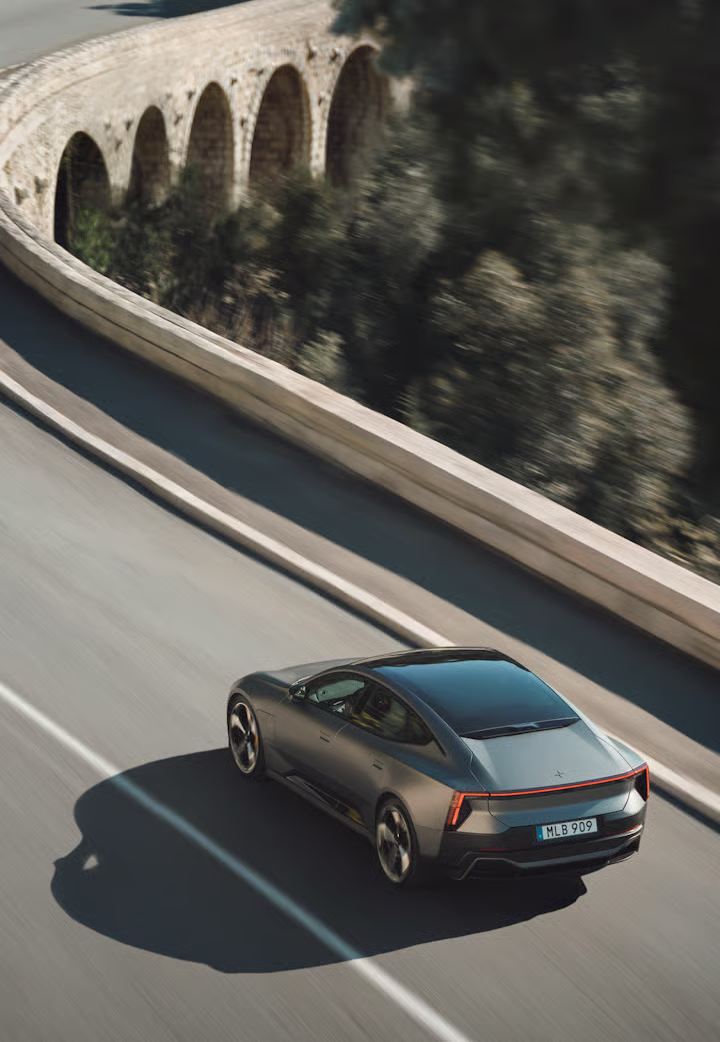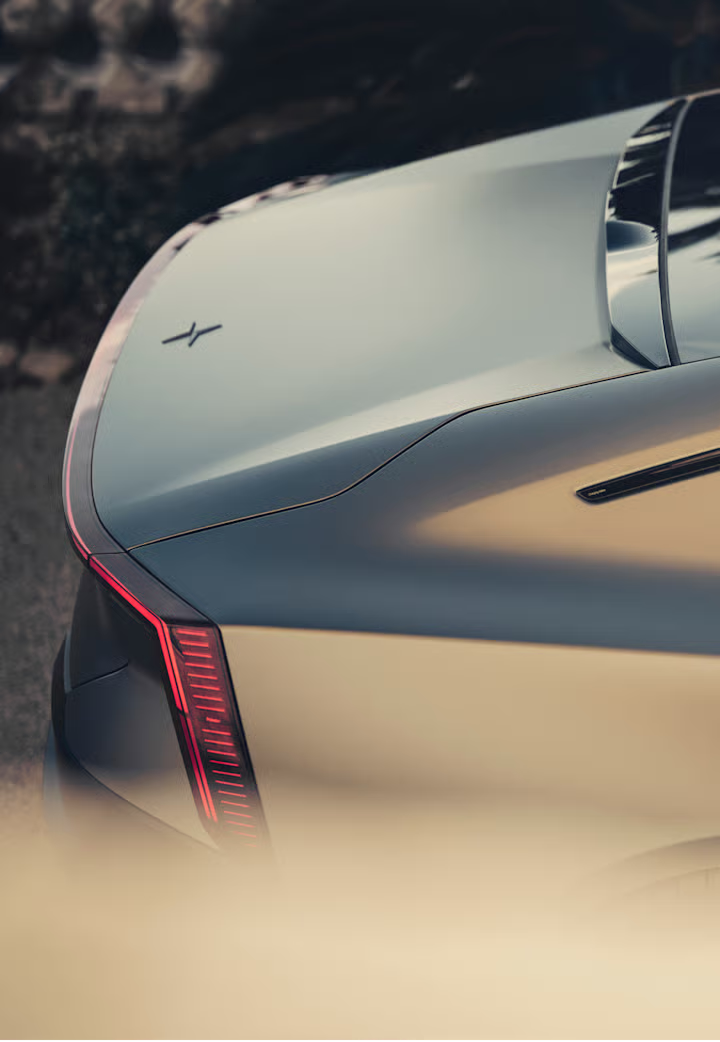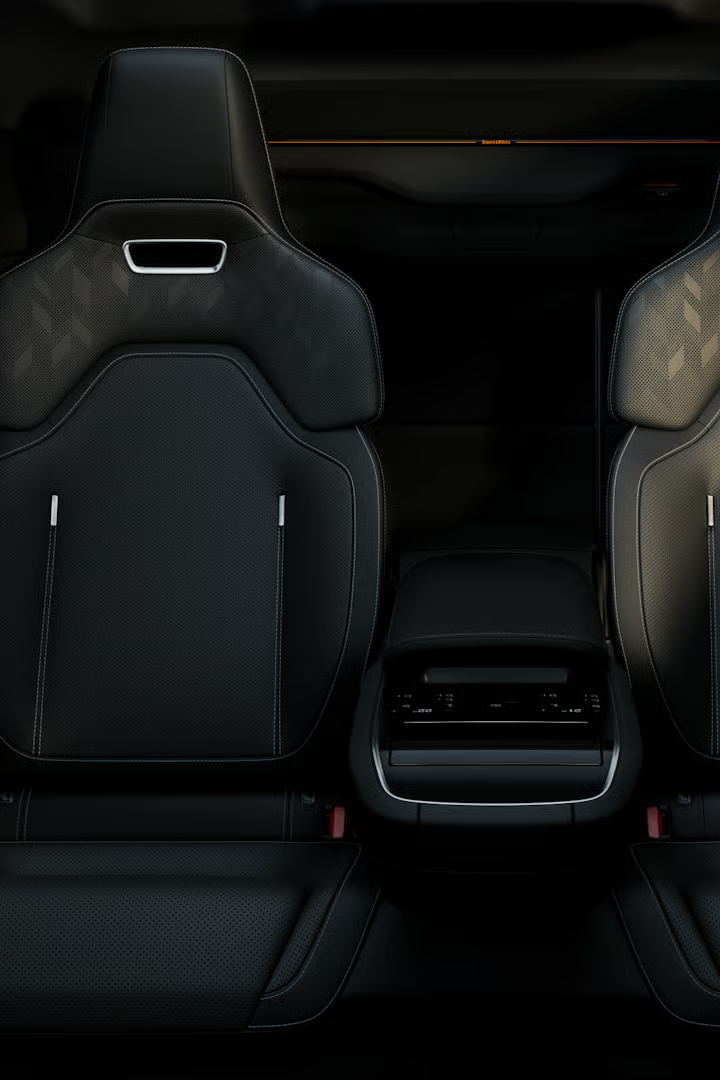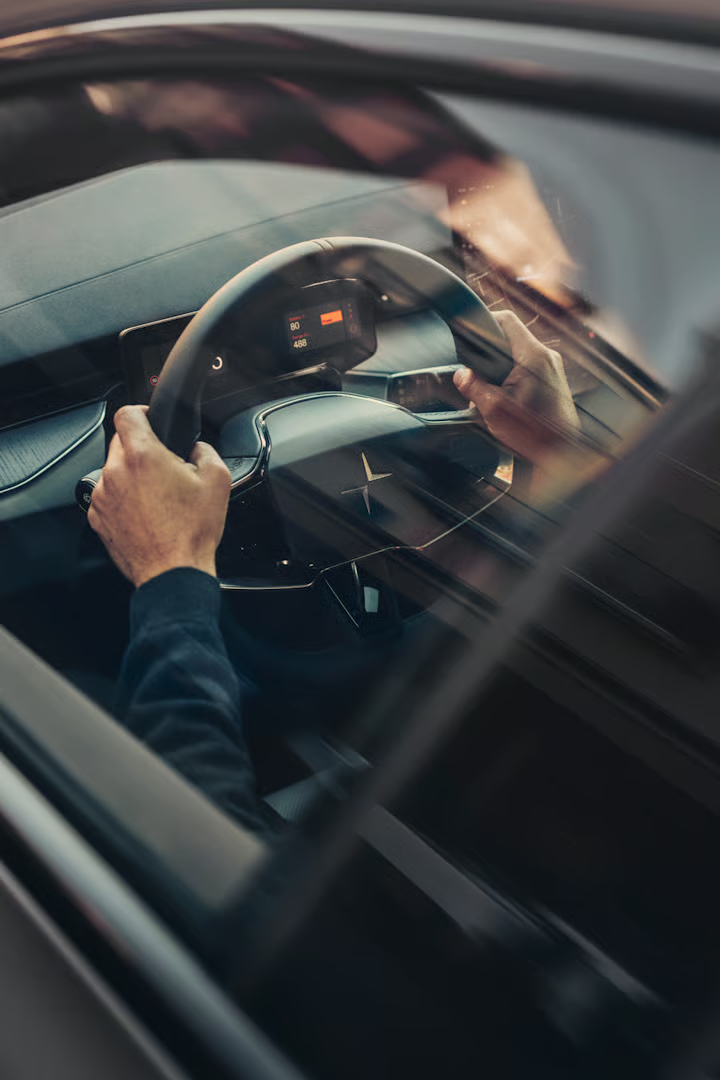
For years, Polestar quietly built credibility in the premium electric space. Clean design. Minimalist interiors. Strong performance. However, the next chapter is not about quiet confidence. It is about direct competition. Now, Polestar is openly targeting BMW M and Mercedes AMG with a new generation of performance focused electric vehicles that aim to redefine what modern driving excitement looks like.
This is not marketing bravado. Instead, it reflects a strategic shift. While many automakers are still balancing combustion heritage with electric futures, Polestar is fully committed to performance EVs. That clarity gives the brand an advantage. It can move quickly. It can experiment. And most importantly, it can define its own identity without protecting decades of gasoline powered legacy products.
As a result, the battlefield is shifting. The traditional performance hierarchy is being challenged. And the Scandinavian brand is stepping into the arena with confidence.
From Niche Player To Performance Contender
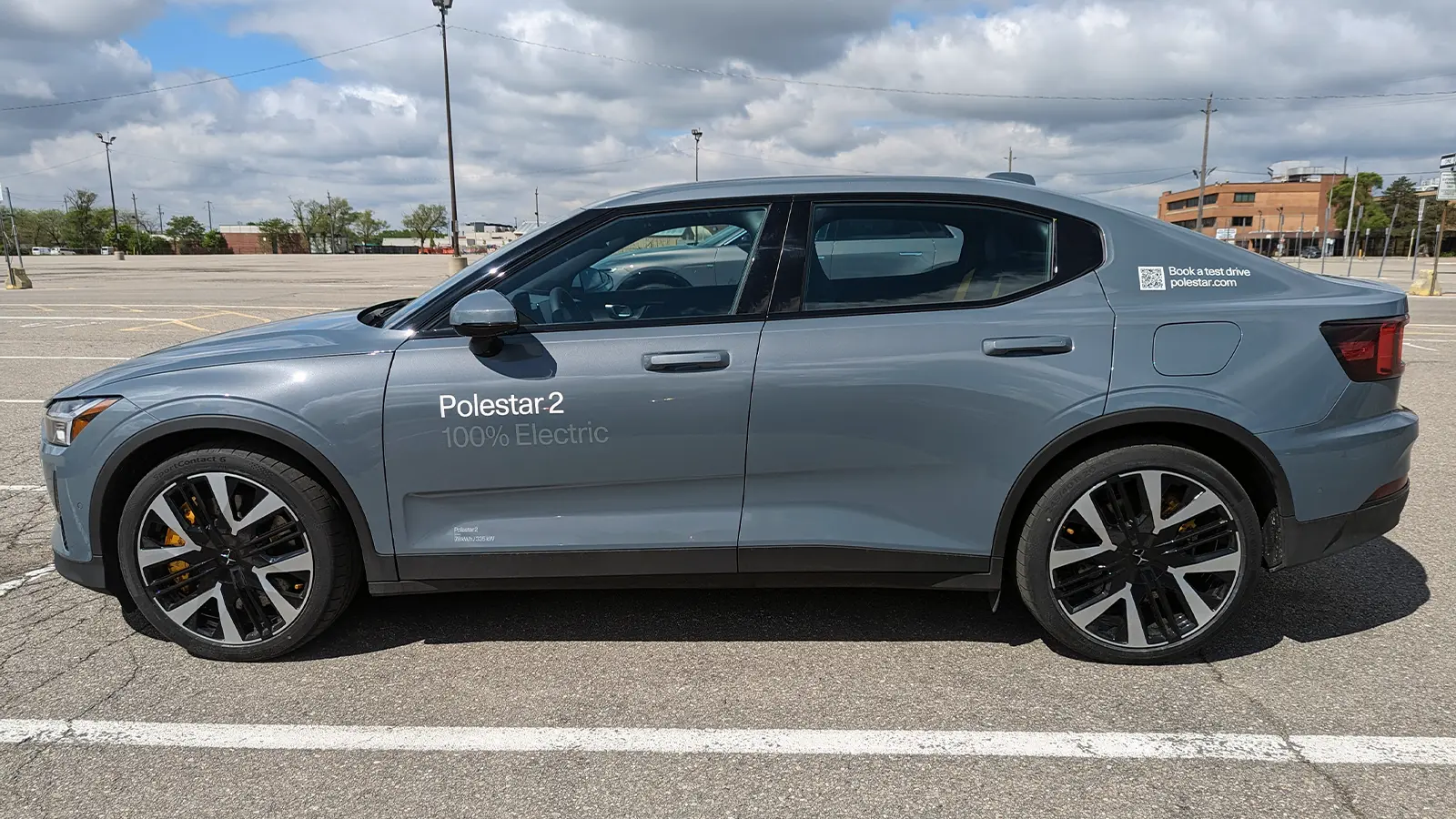
Initially, Polestar emerged as a performance offshoot of Volvo. The early models carried strong design language and respectable power. Yet they felt more like premium electric cruisers than outright performance machines.
That perception is changing fast.
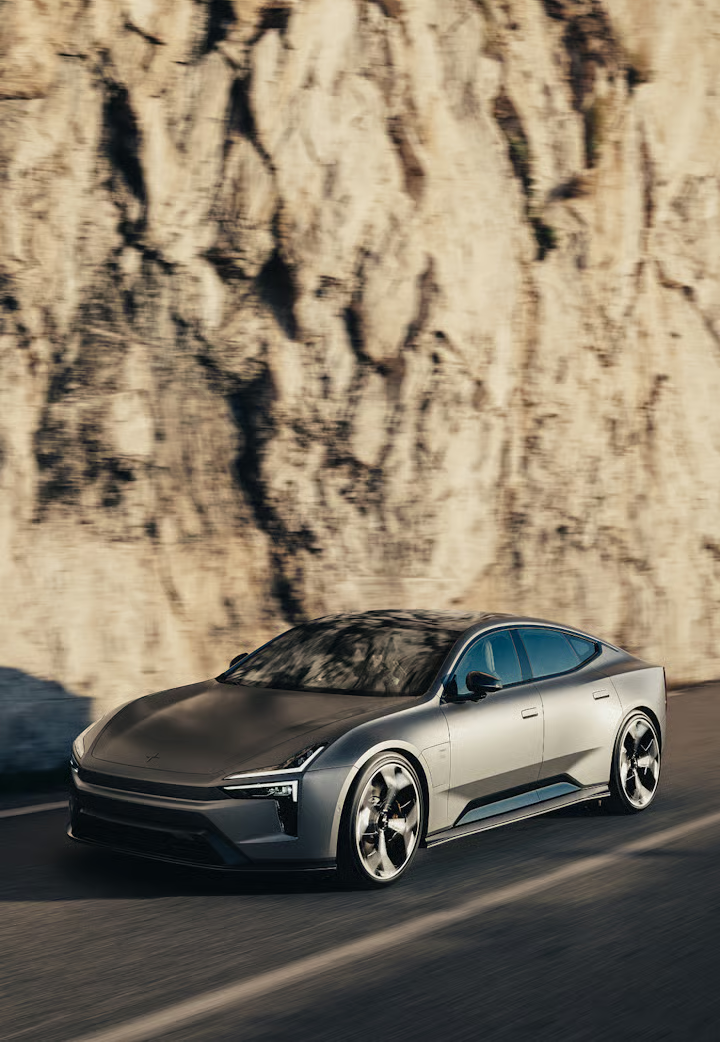
The updated Polestar lineup is being engineered with sharper chassis tuning, faster acceleration figures, and a stronger emotional connection to driving. Engineers are focusing on responsiveness, steering precision, and suspension calibration that can stand toe to toe with German performance benchmarks.
Moreover, leadership within the company has made it clear that the goal is not simply to compete with standard BMW or Mercedes models. Instead, the target is the halo divisions. BMW M. Mercedes AMG. The badges that define high performance in their respective showrooms.
Therefore, expectations are high. However, Polestar appears ready for the pressure.
Polestar 3 And Polestar 4 Raise The Stakes
The expansion into SUVs marks a critical turning point. Performance is no longer limited to sedans. Buyers now expect speed and agility from crossovers as well.
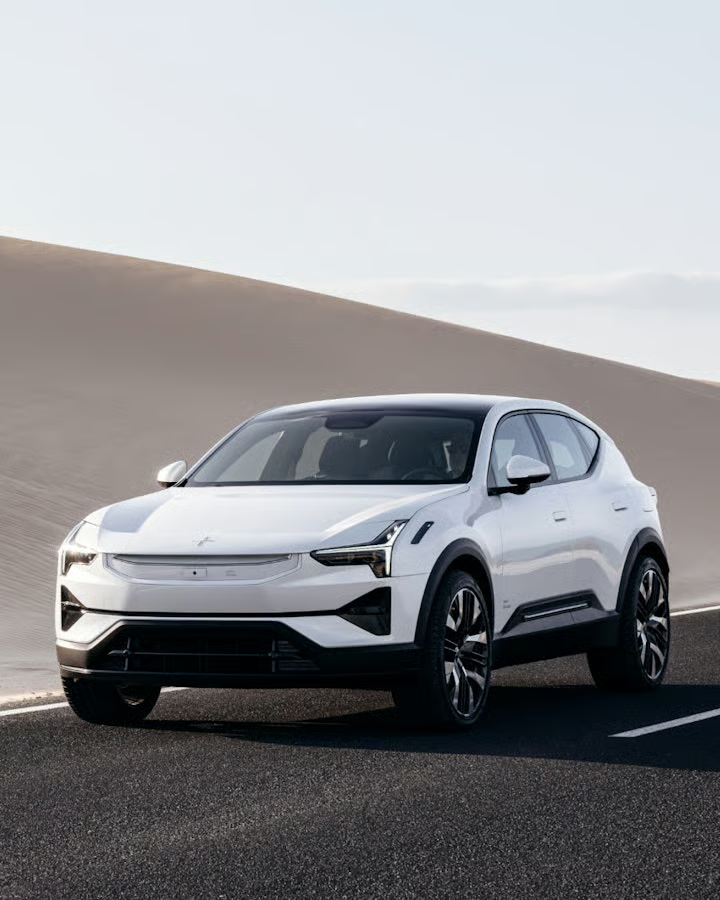
The Polestar 3 introduces a performance oriented electric SUV that blends Scandinavian design with serious output. Dual motor configurations push power well beyond what most buyers would have expected from the brand just a few years ago. In addition, torque delivery is immediate and smooth, giving the vehicle strong midrange punch.
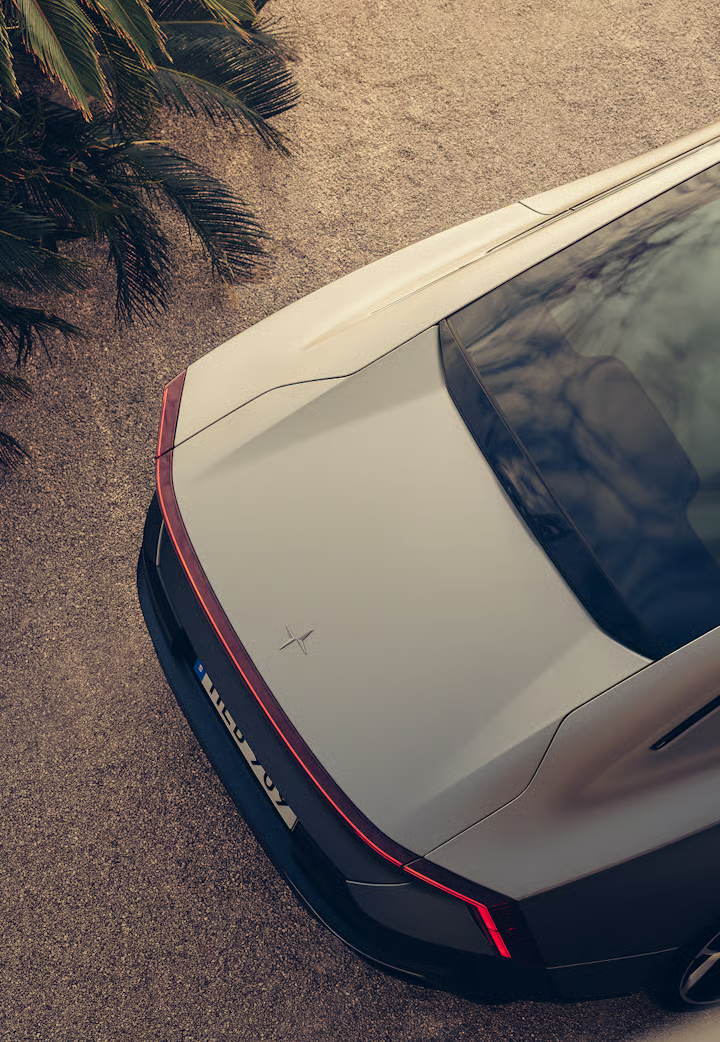
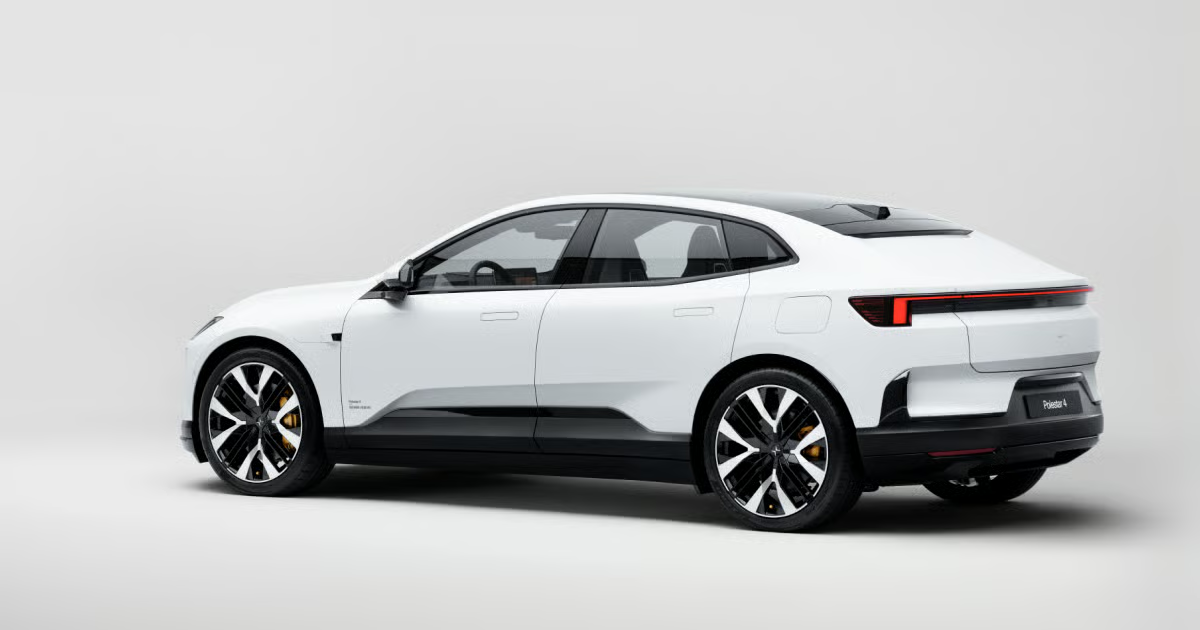
Meanwhile, the Polestar 4 adopts a more coupe like silhouette. It sacrifices a traditional rear window in favor of a digital rear view system, which signals how willing the brand is to rethink convention. More importantly, performance variants deliver acceleration numbers that place it squarely in competition with AMG and M Performance electric offerings.
Consequently, the message is clear. Polestar does not want to be an alternative. It wants to be a benchmark.
Precision Over Drama
German performance cars often lean into aggression. Large grilles. Loud exhaust notes. Dramatic styling cues. However, Polestar is taking a different path.
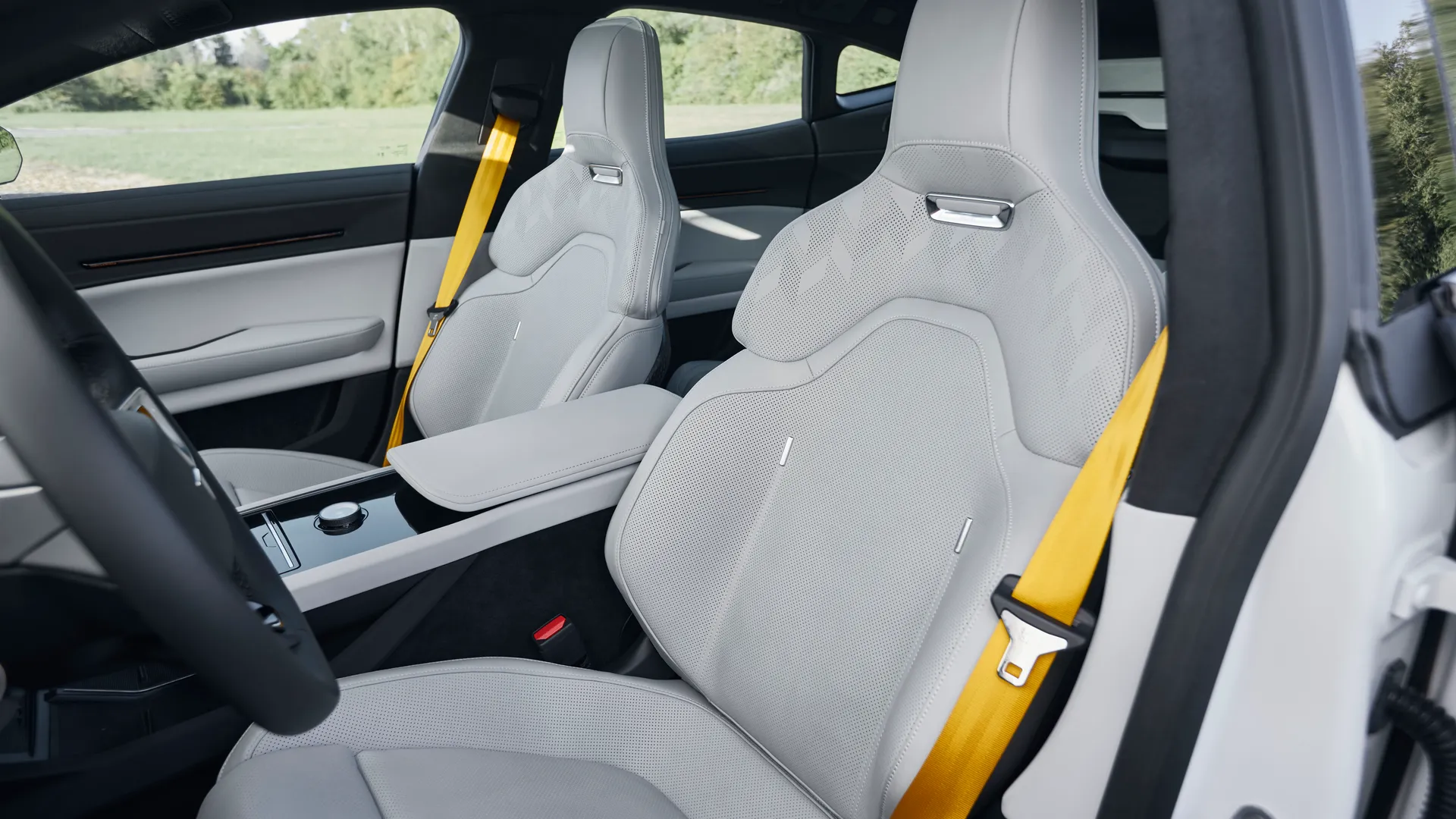
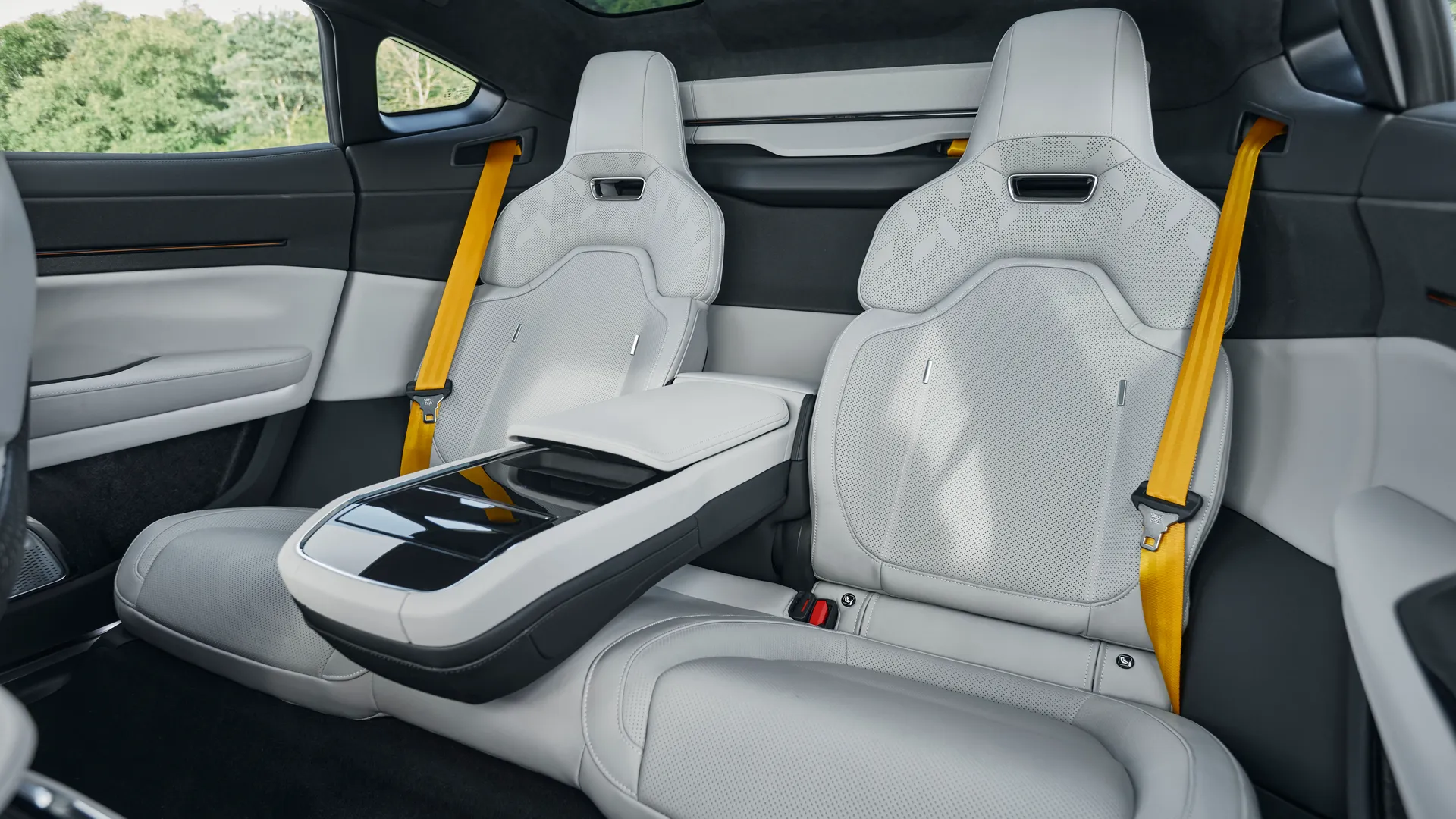
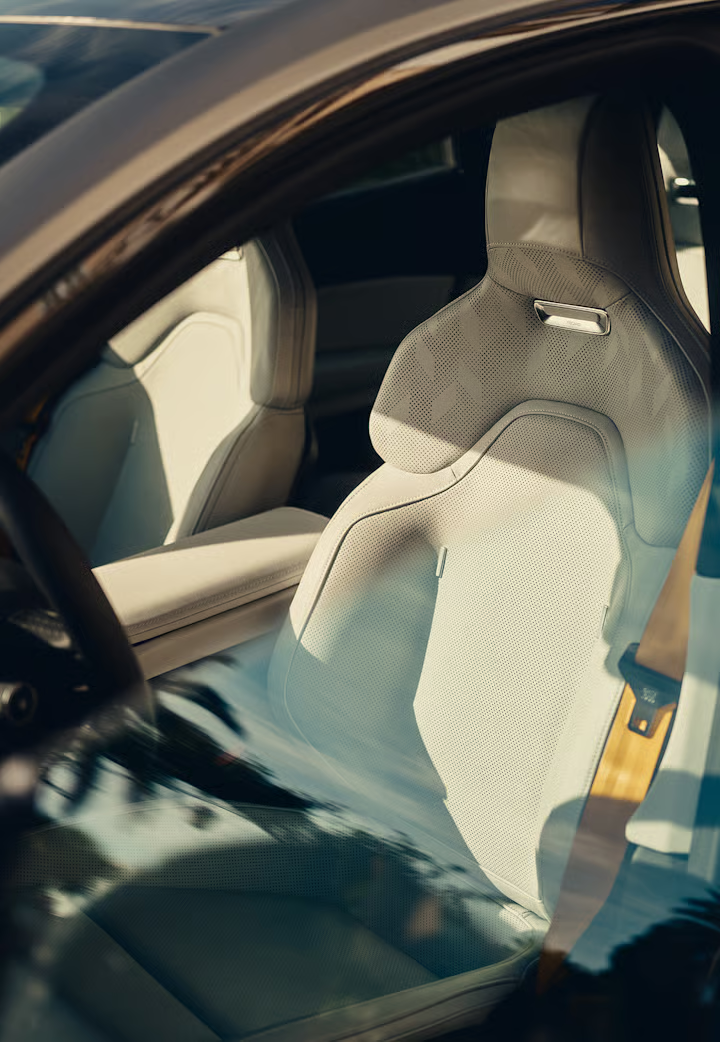
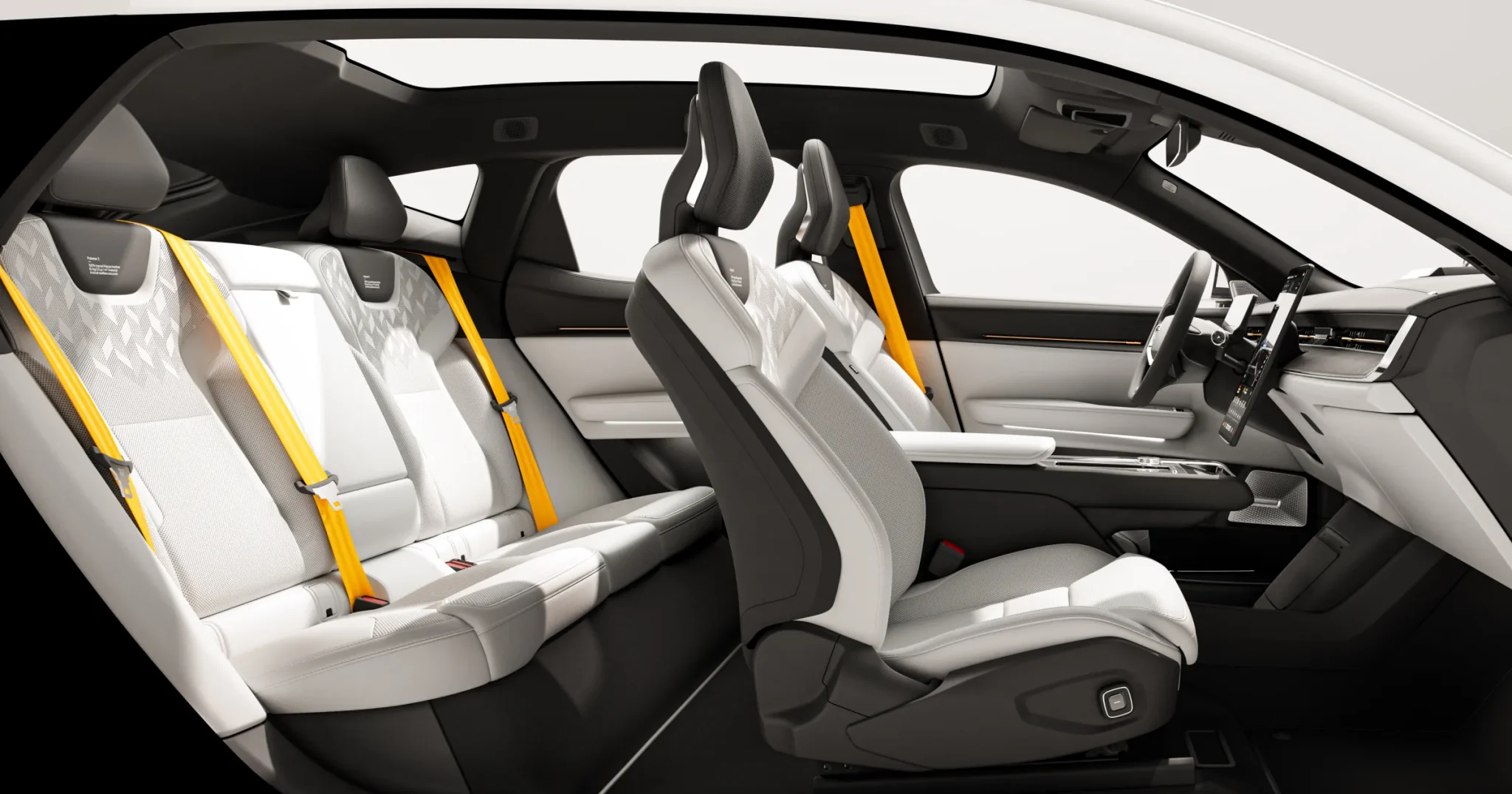
The design language remains restrained. Surfaces are clean. Lines are deliberate. Interiors prioritize sustainable materials and technology integration rather than flashy ornamentation.
Yet beneath that calm exterior lies serious capability.
Engineers are focusing on low center of gravity advantages inherent to EV platforms. Battery placement enhances stability. Weight distribution is carefully managed. Additionally, torque vectoring systems and adaptive suspension setups are tuned to create sharper turn in and improved corner exit traction.
Therefore, while the aesthetic may be understated, the driving experience is anything but dull.
This approach may resonate strongly with enthusiasts who want performance without unnecessary theatrics. It also aligns with a broader shift in consumer taste toward refined, technology forward luxury.
Technology As The New Horsepower
Performance is no longer measured purely in engine displacement. Instead, software is becoming just as important as hardware.
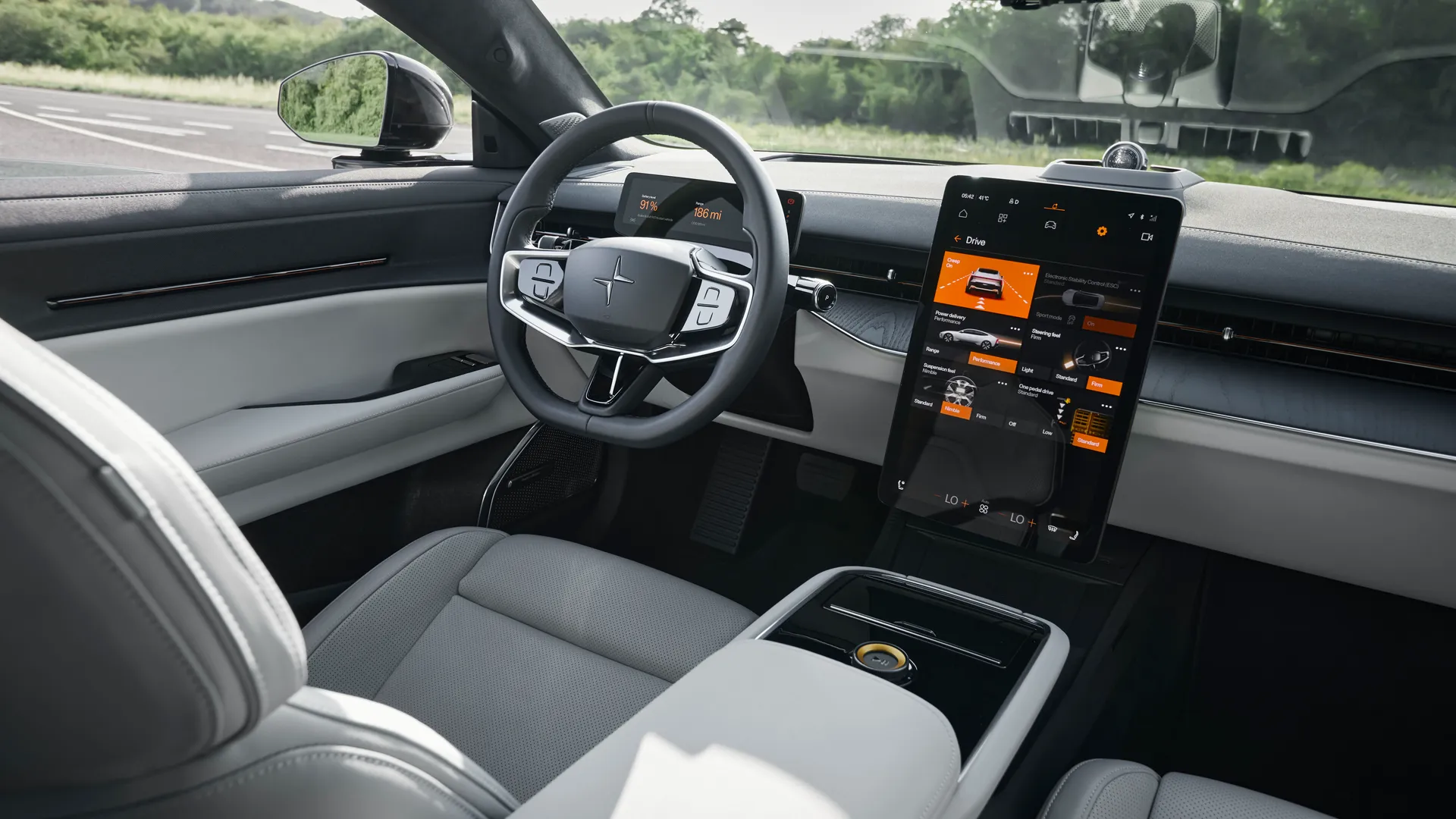
Polestar is investing heavily in over the air updates, advanced driver assistance systems, and performance calibration through digital tuning. As a result, vehicles can evolve over time. Power delivery can be optimized. Throttle response can be sharpened. Efficiency gains can be implemented without a trip to the dealership.
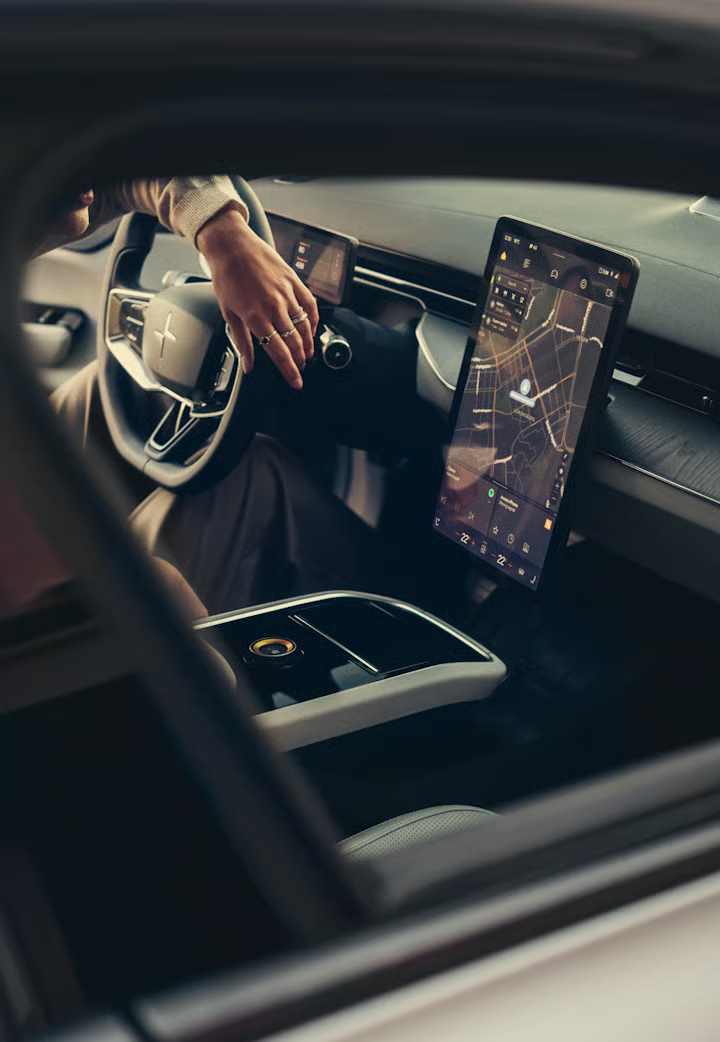
Furthermore, integration with Google built in systems creates a seamless user experience. Navigation, charging station planning, and vehicle performance data are all integrated into a clean digital ecosystem.
This technological depth positions the brand well against BMW and Mercedes, both of which are aggressively expanding their electric performance portfolios. However, unlike those legacy brands, Polestar does not need to split focus between combustion and electric development. Its roadmap is singular.
That focus may prove decisive.
Polestar 5 And The High Performance Future
If the SUVs represent the opening move, the upcoming grand touring sedan will be the statement piece.
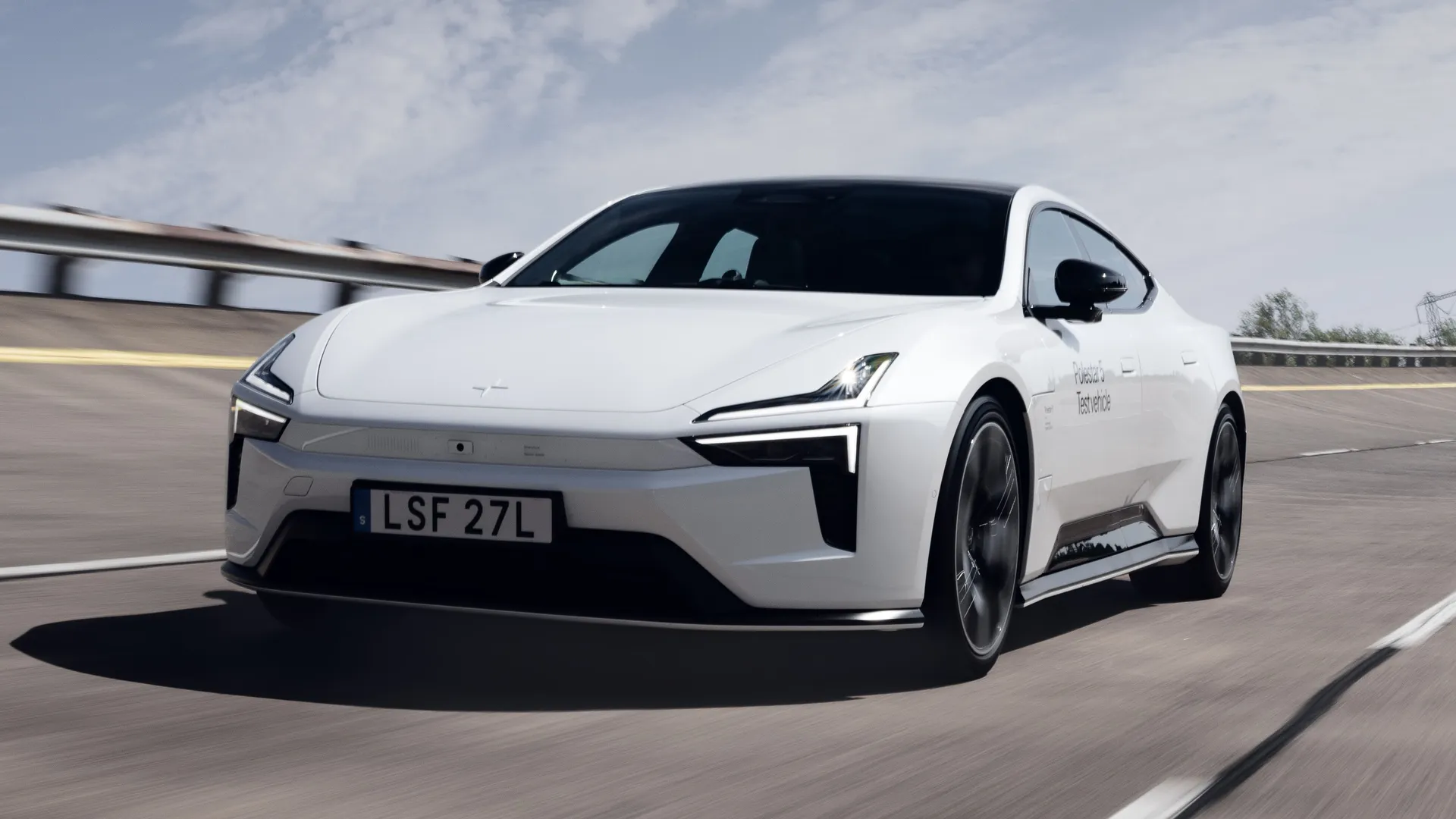
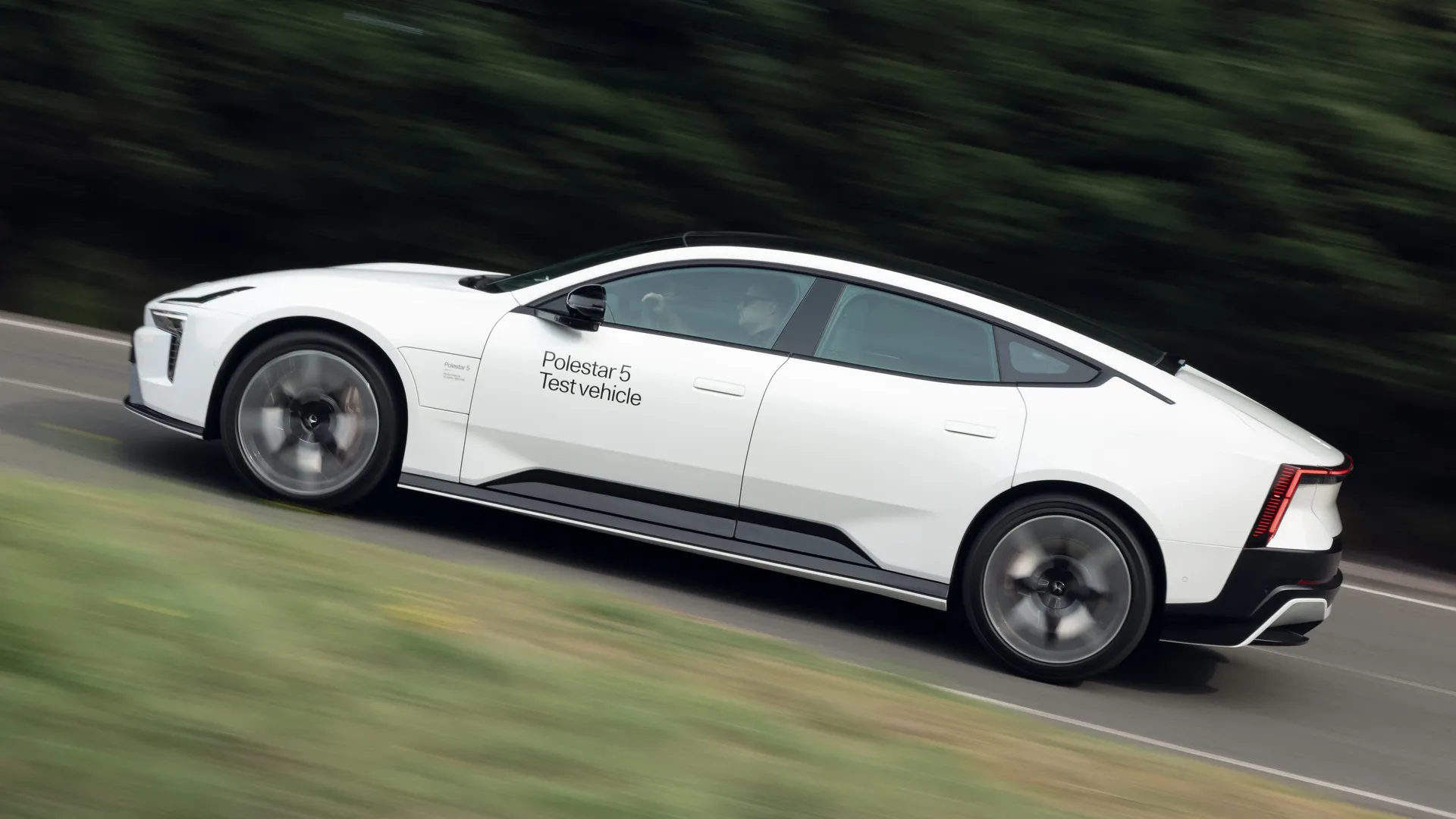
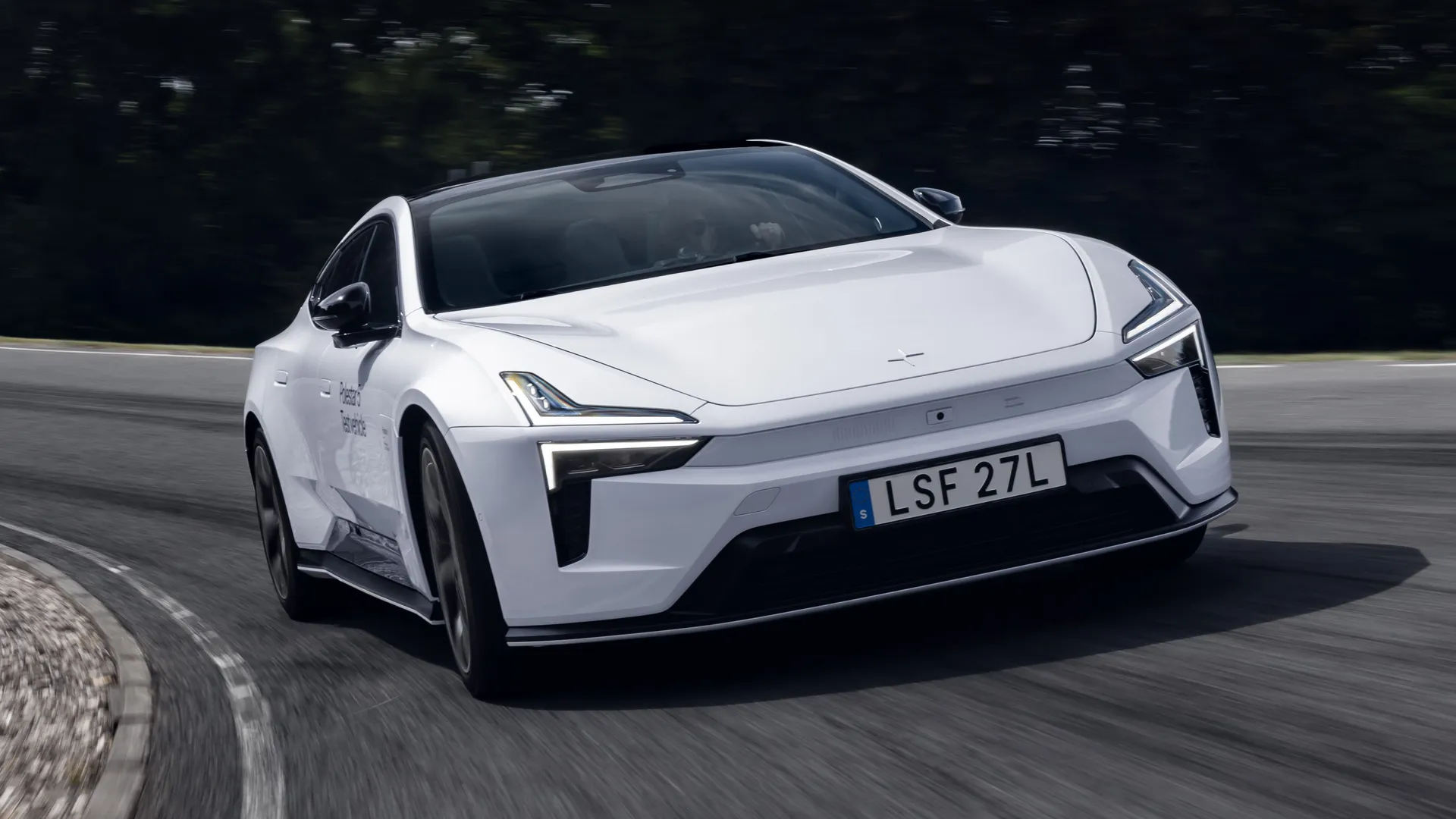
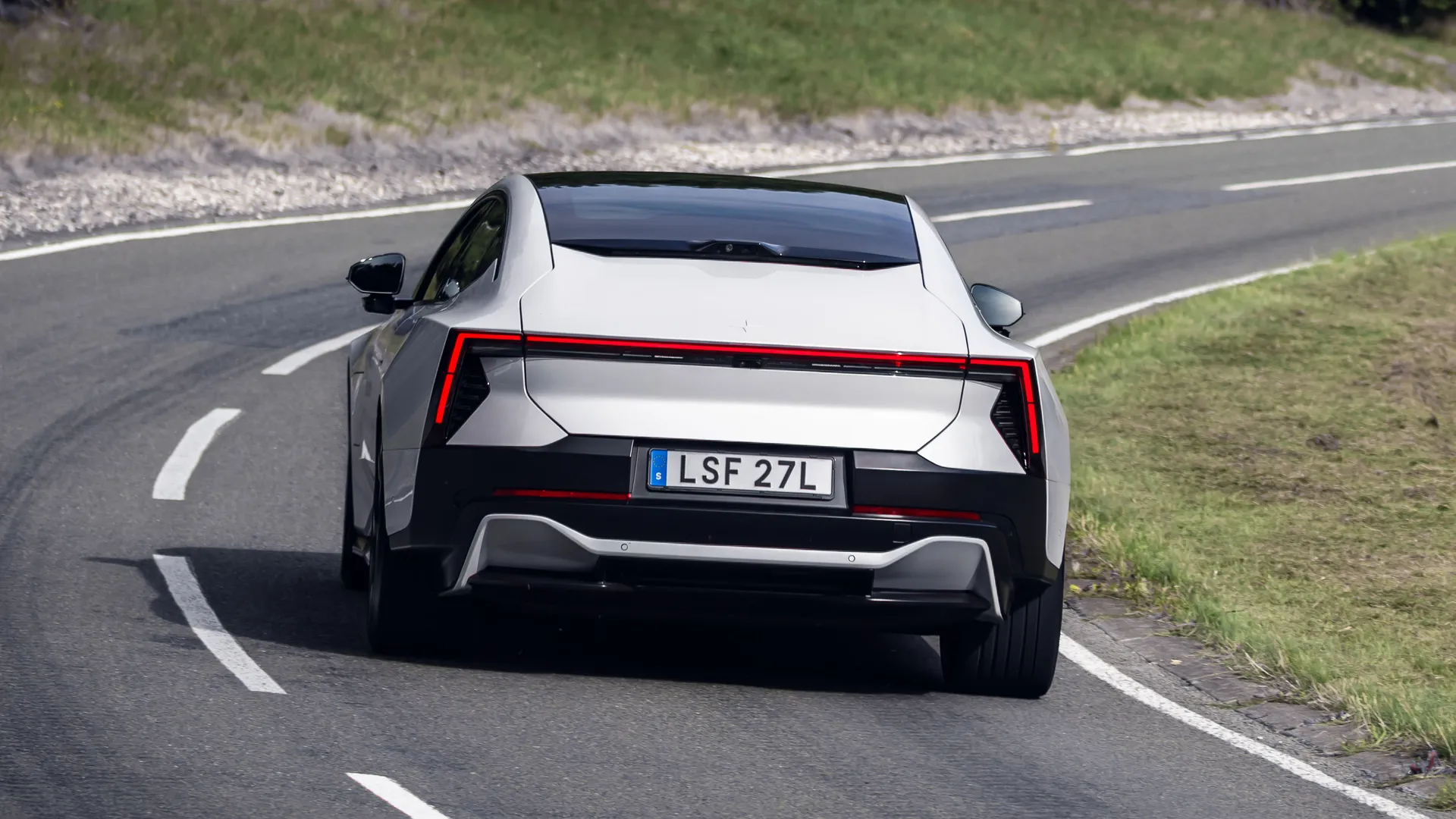
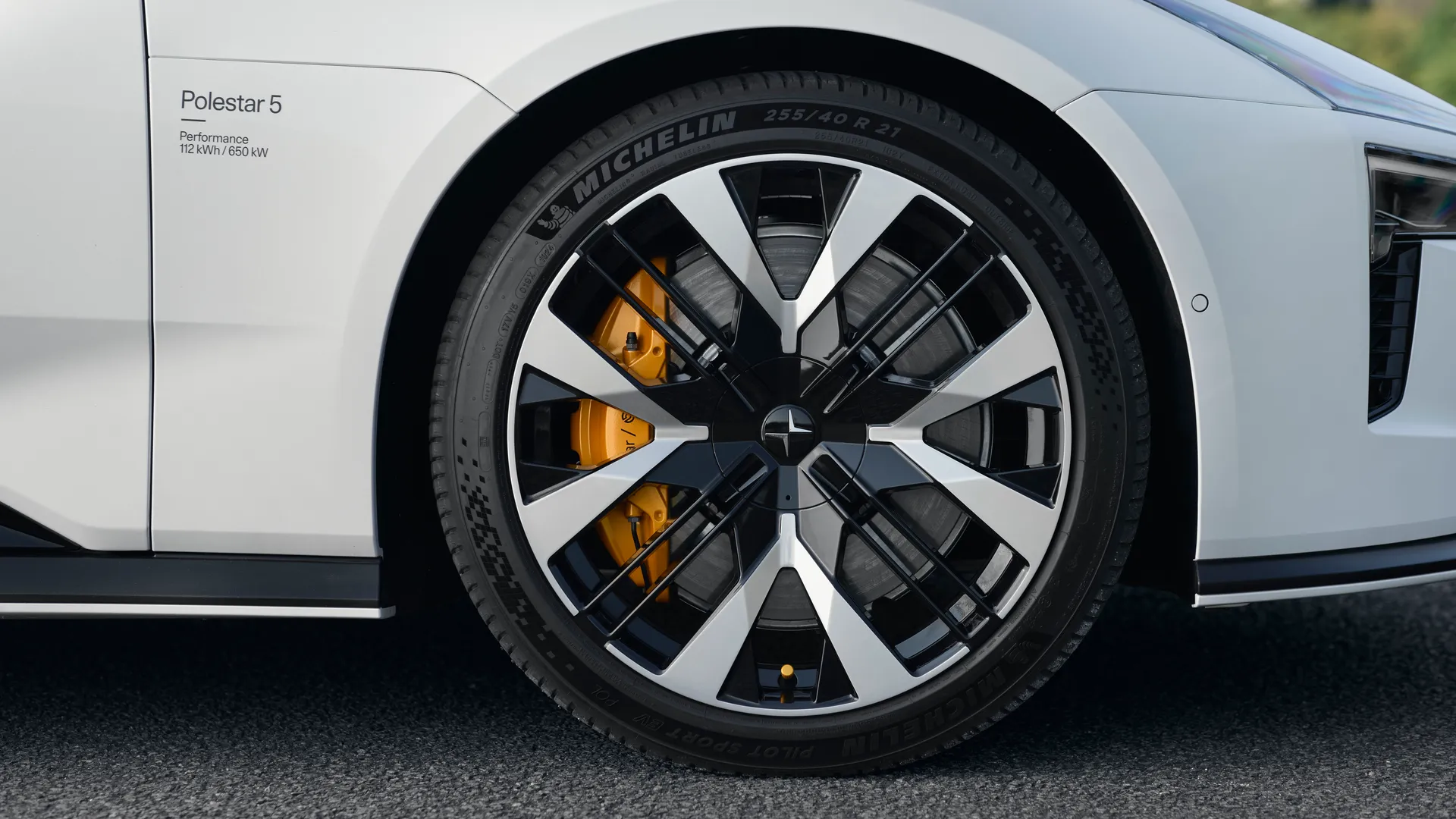
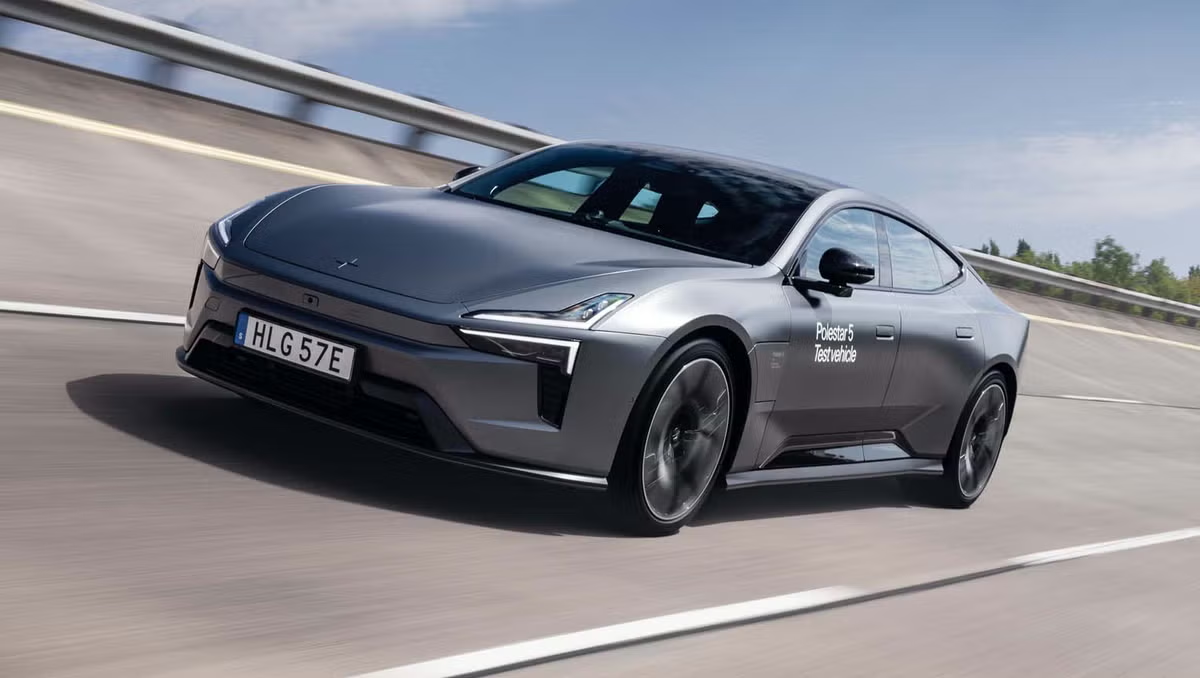
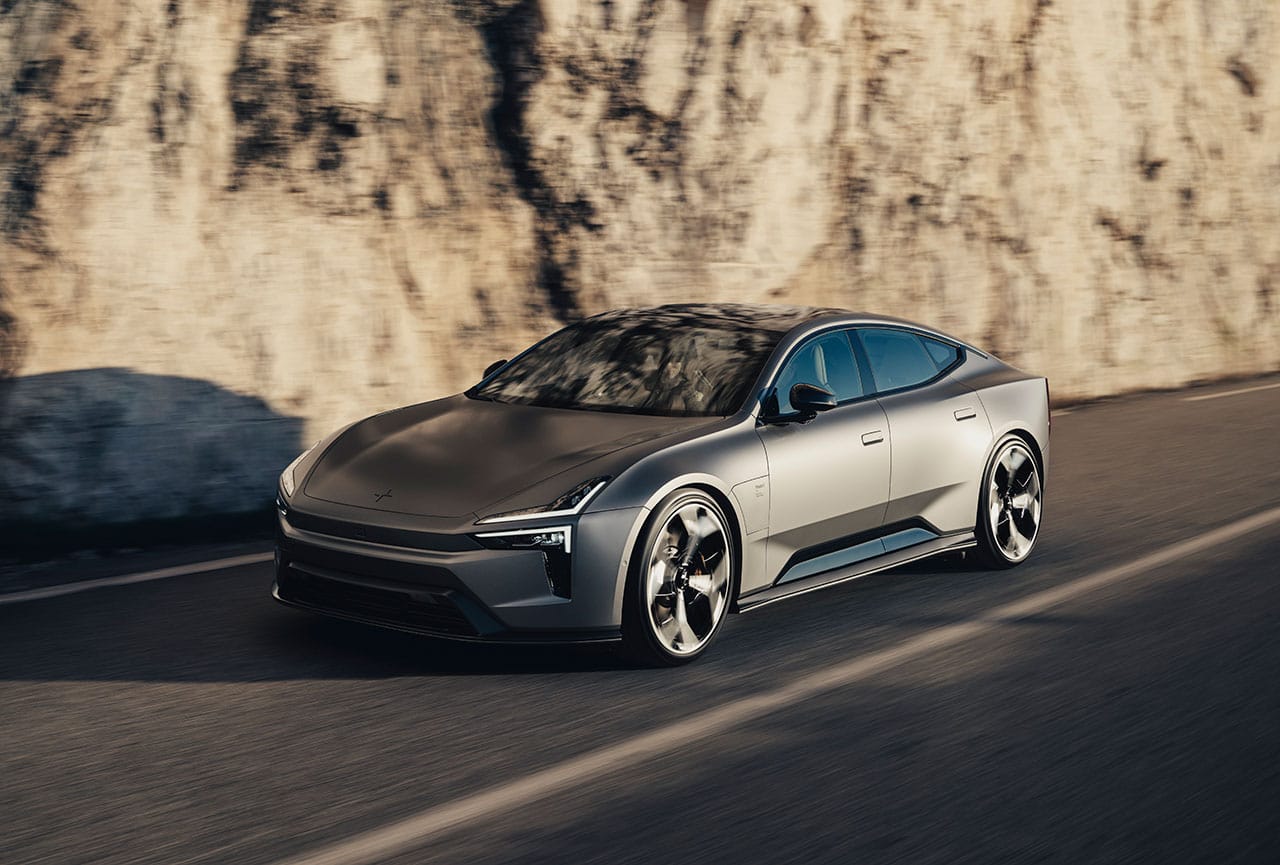
The Polestar 5 is expected to push output figures into territory traditionally reserved for full M and AMG models. Early projections suggest power numbers well north of what most mainstream EV sedans currently offer. However, raw acceleration is only part of the equation.
Engineers are developing a bespoke bonded aluminum platform designed to increase rigidity while controlling weight. This structure should improve handling precision and overall driving dynamics. In addition, advanced battery technology aims to balance range with sustained performance.
Therefore, the Polestar 5 is not simply another electric sedan. It represents the brand’s clearest attempt yet to compete directly with the most iconic performance divisions in Europe.
Enthusiasts will be watching closely.
The BST Concept Signals Serious Performance Intent
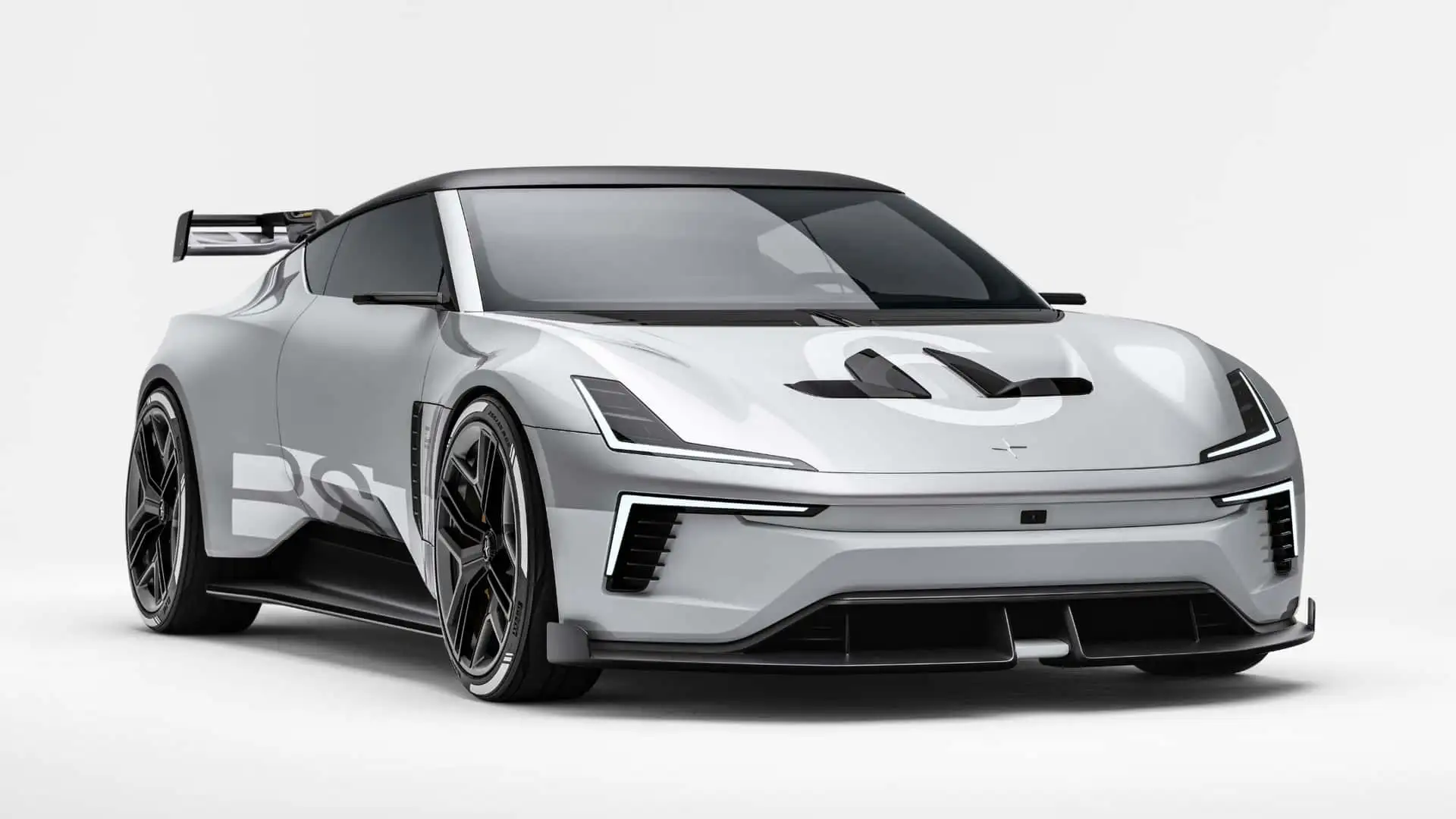
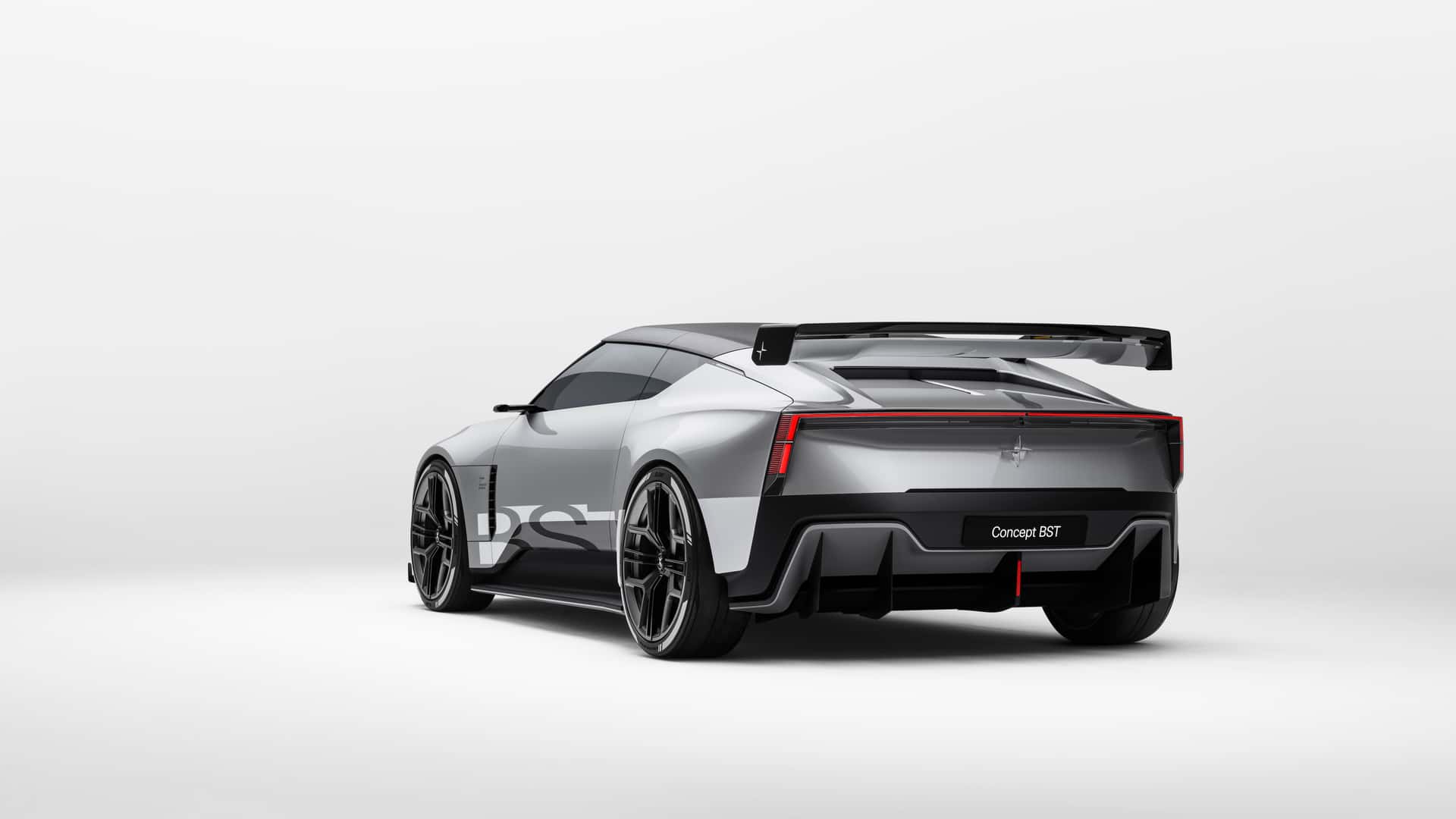
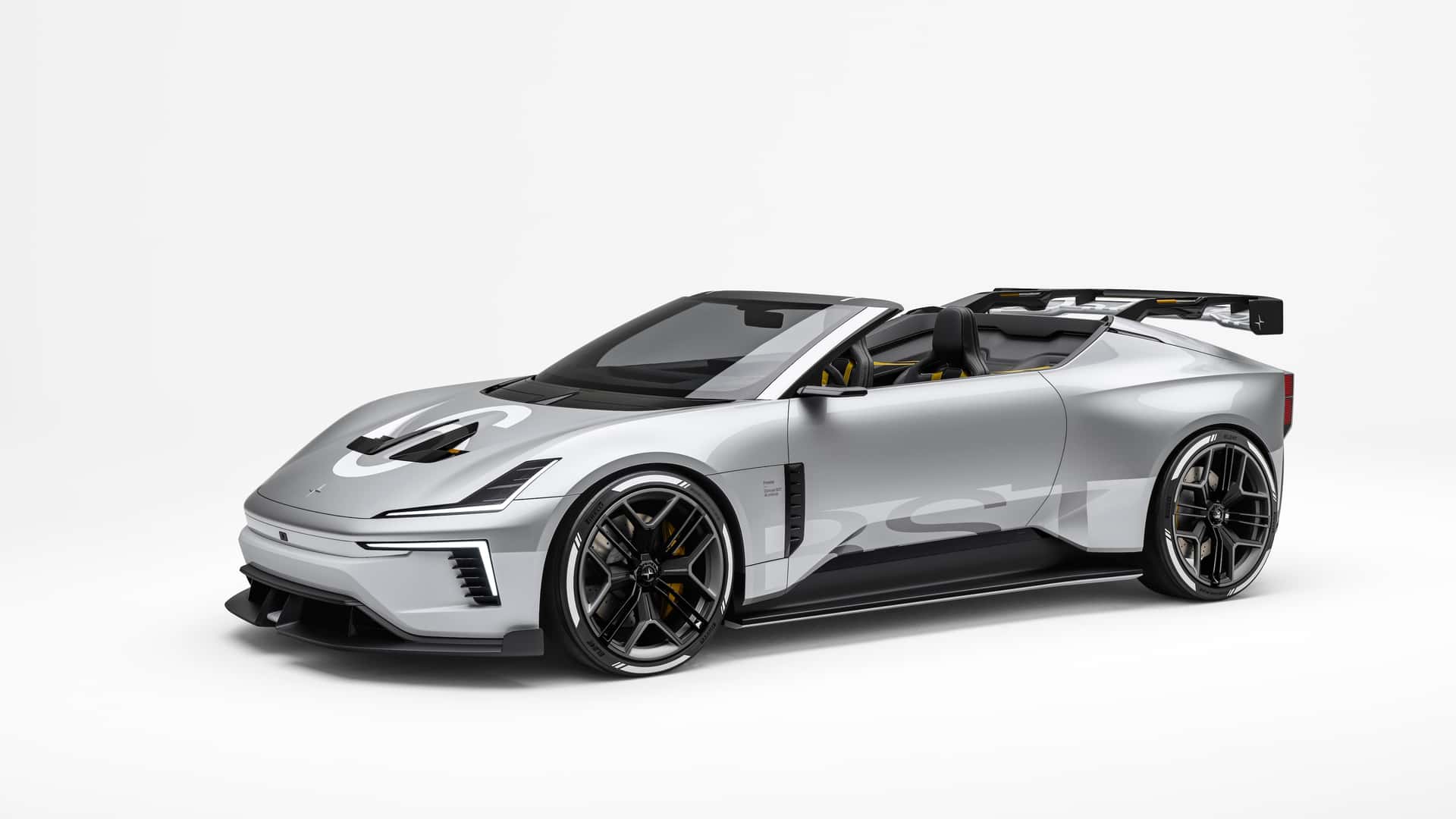
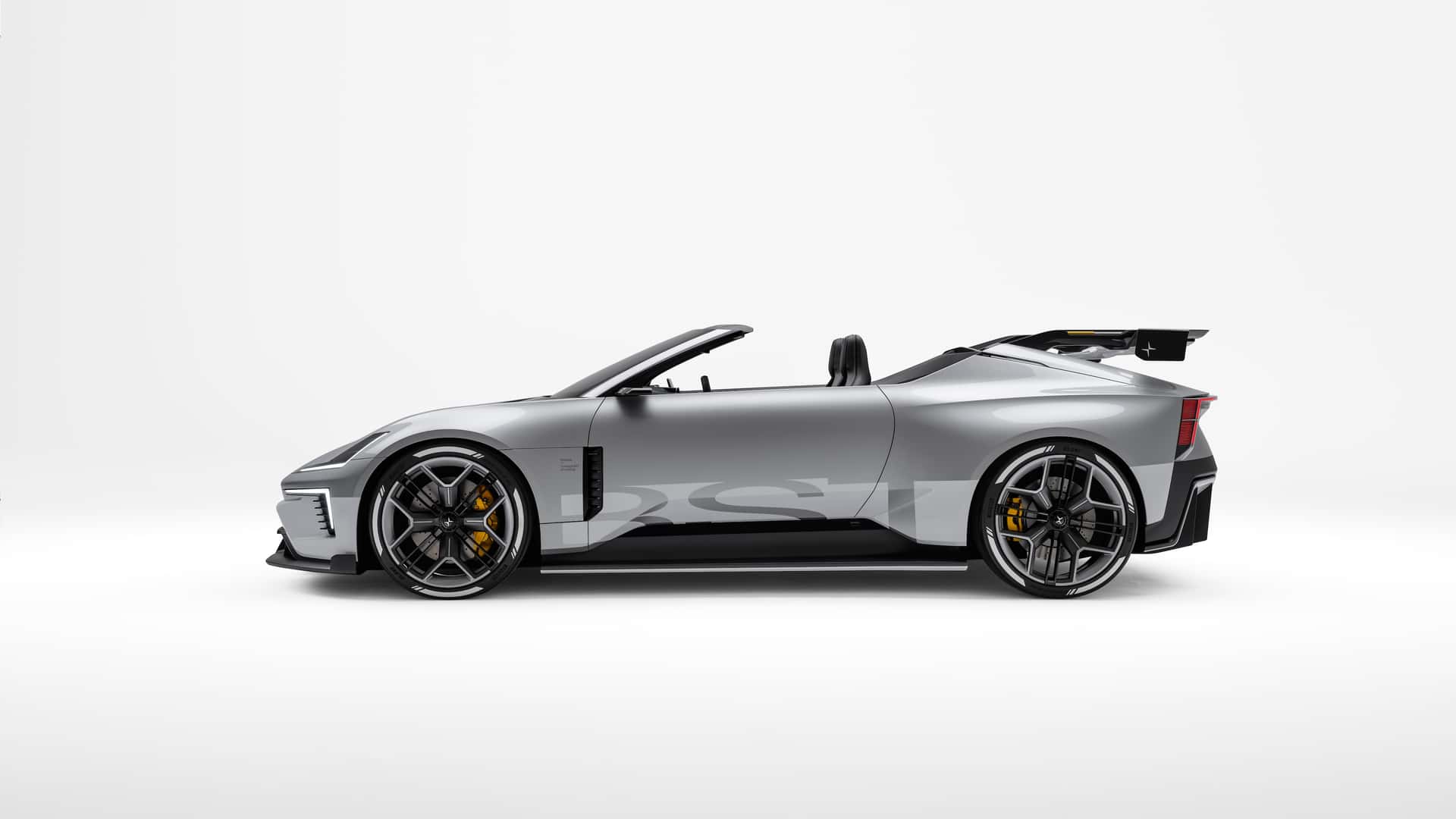
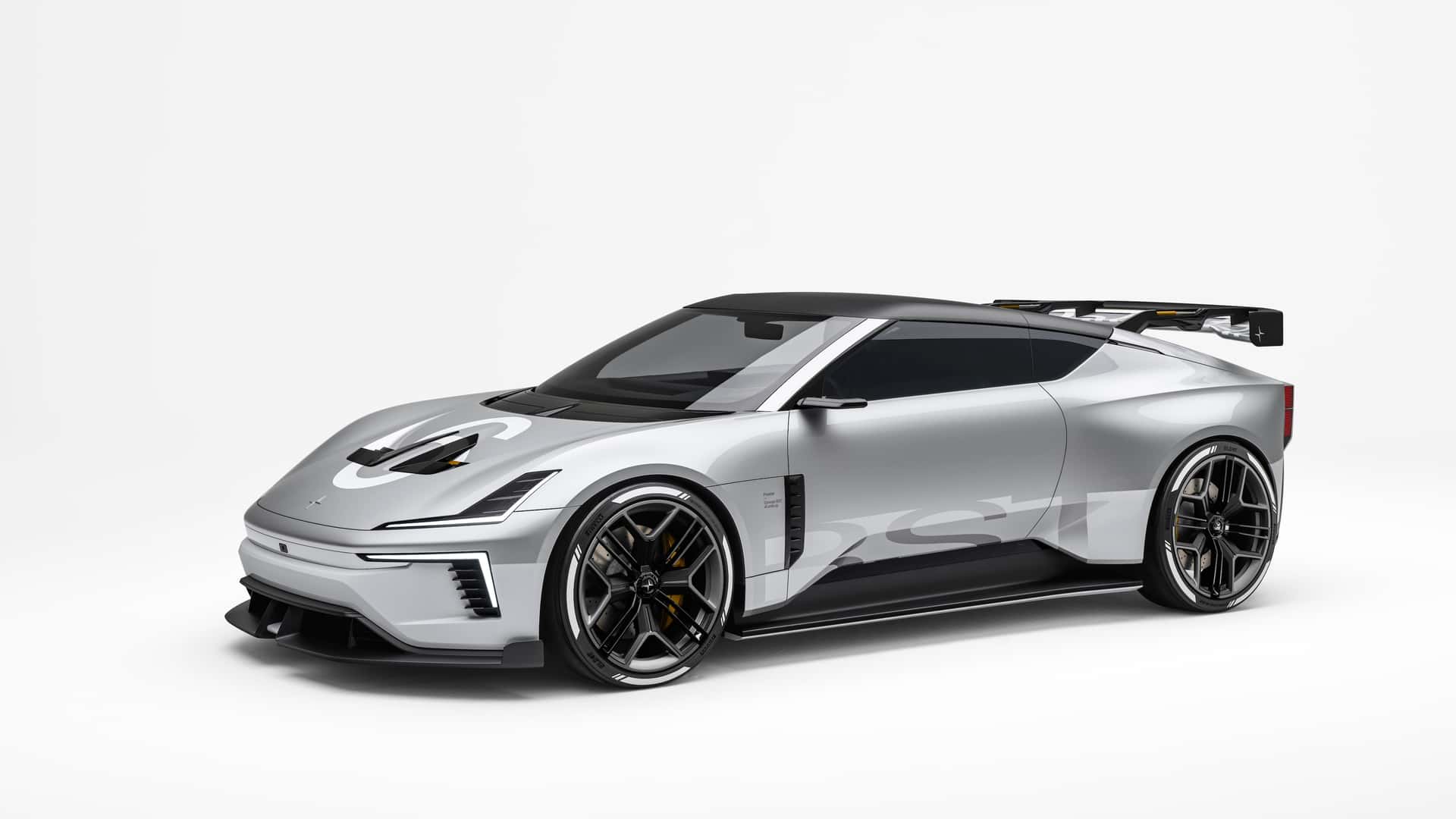
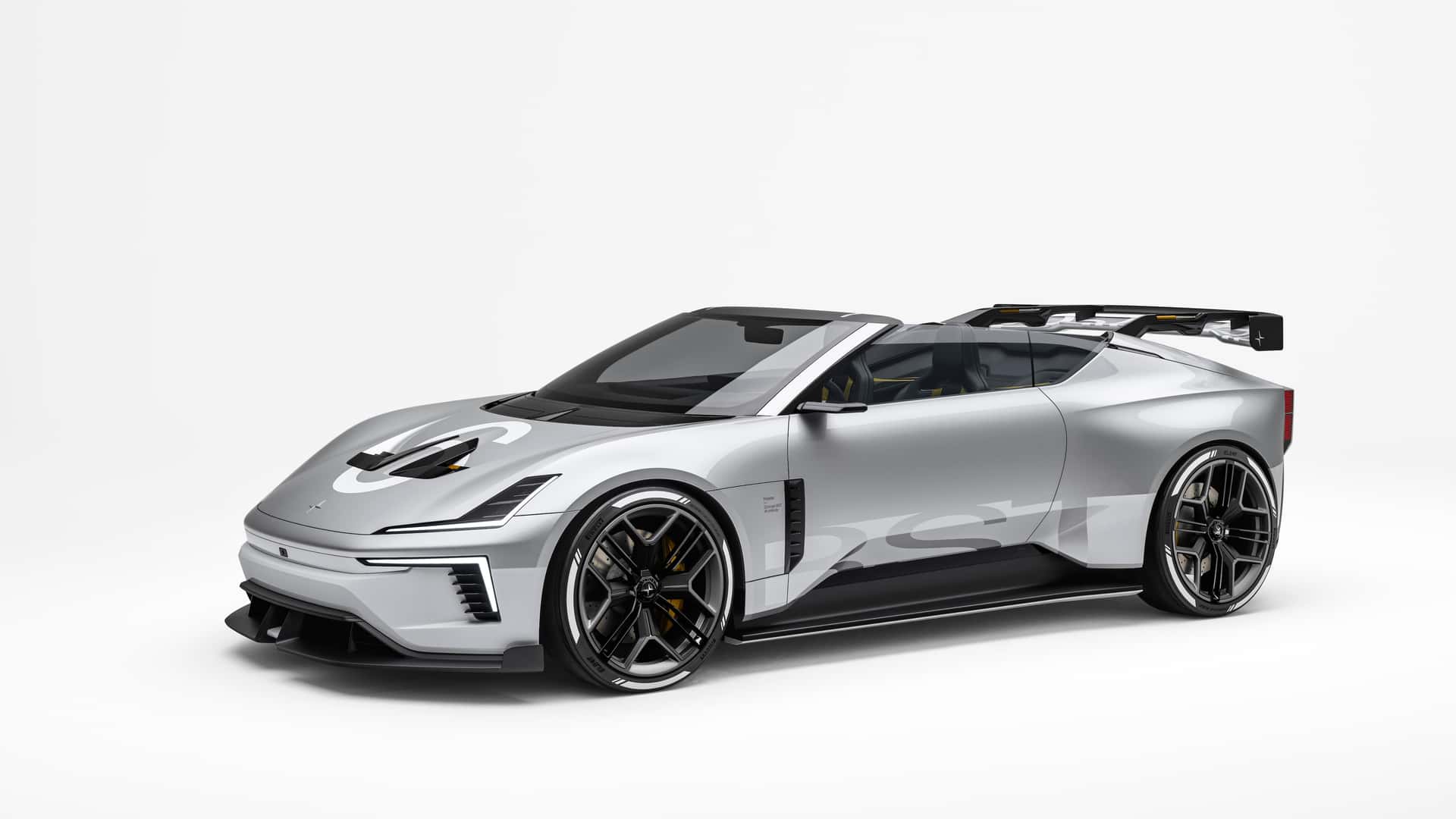
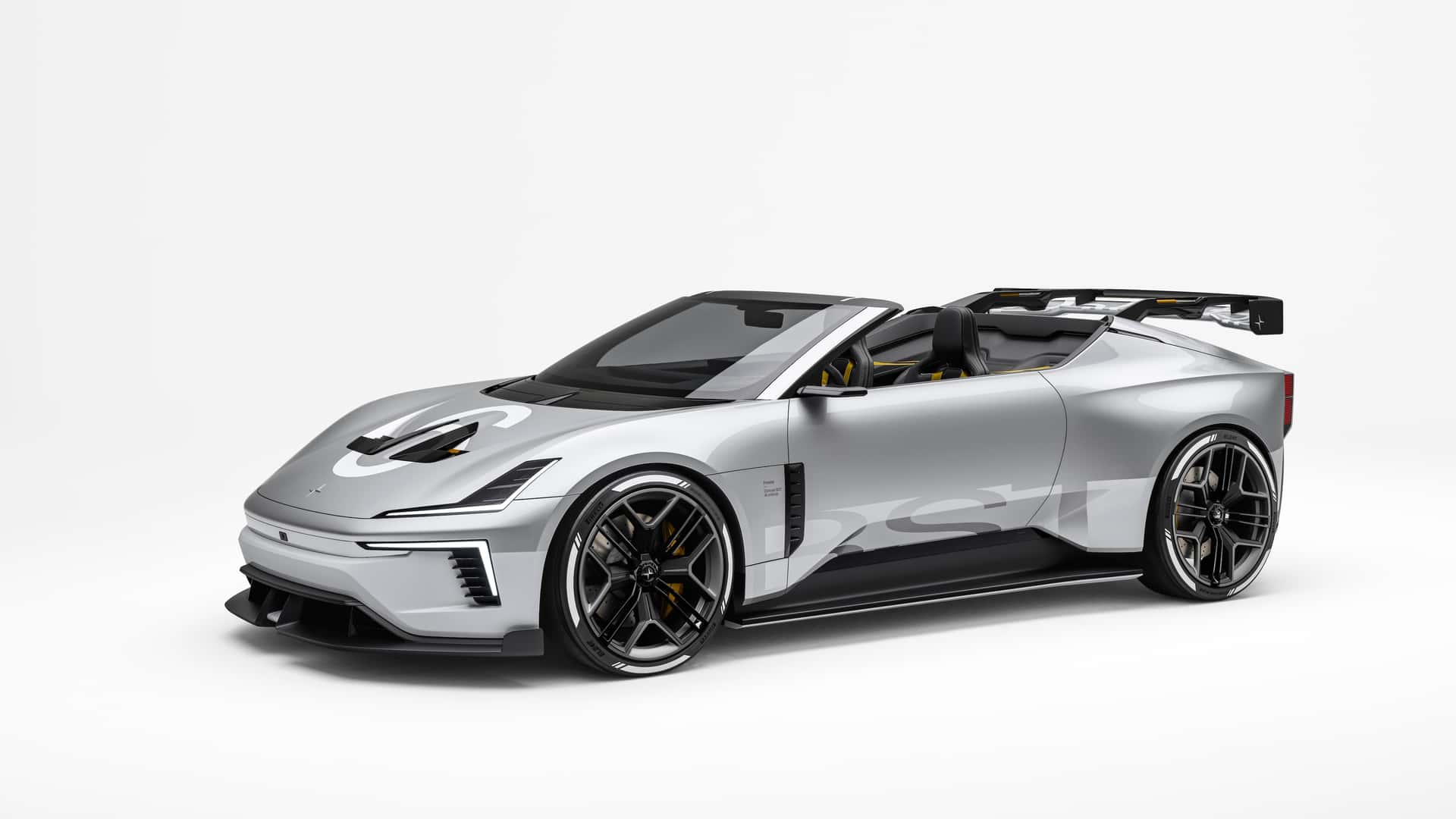
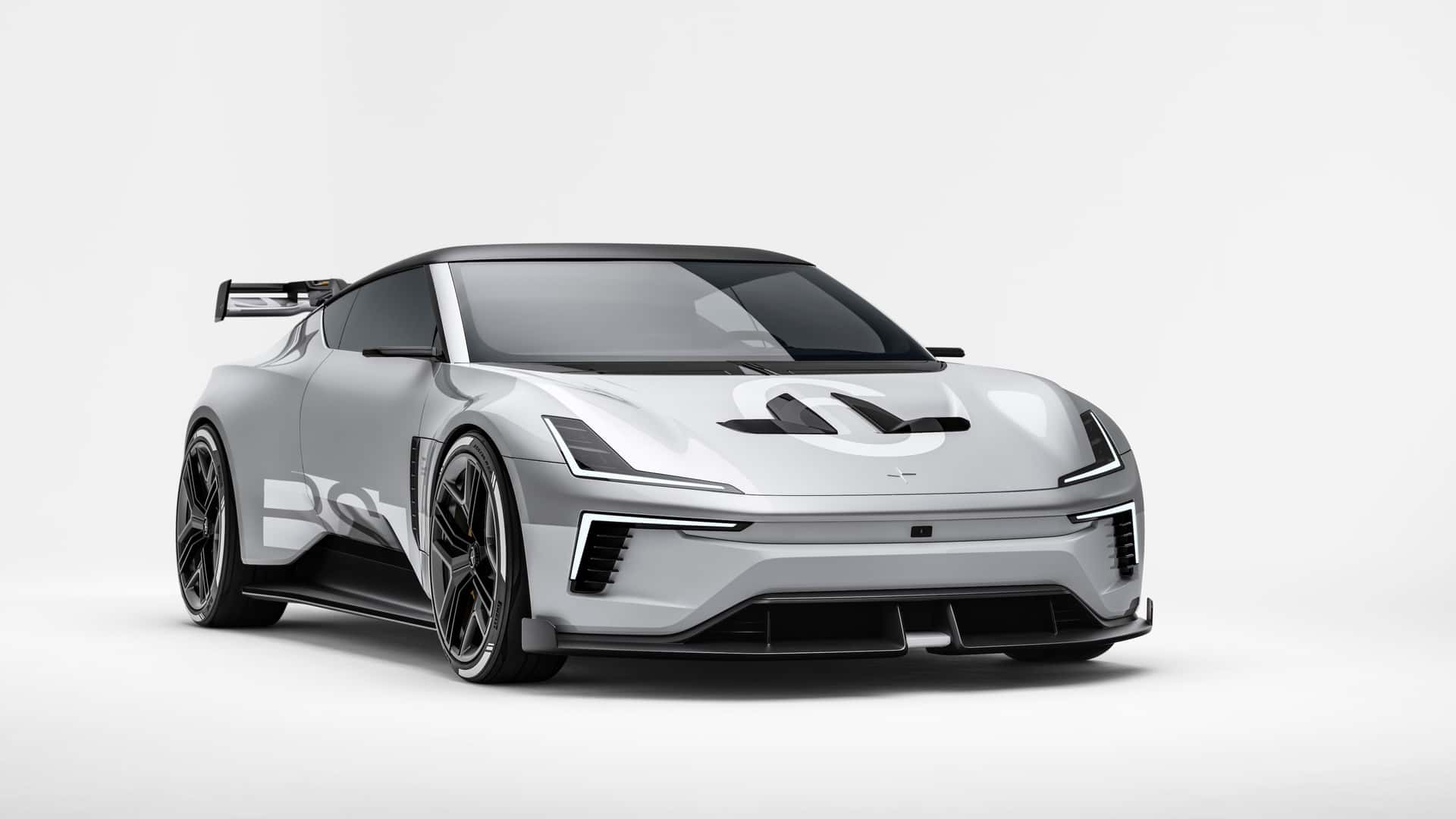
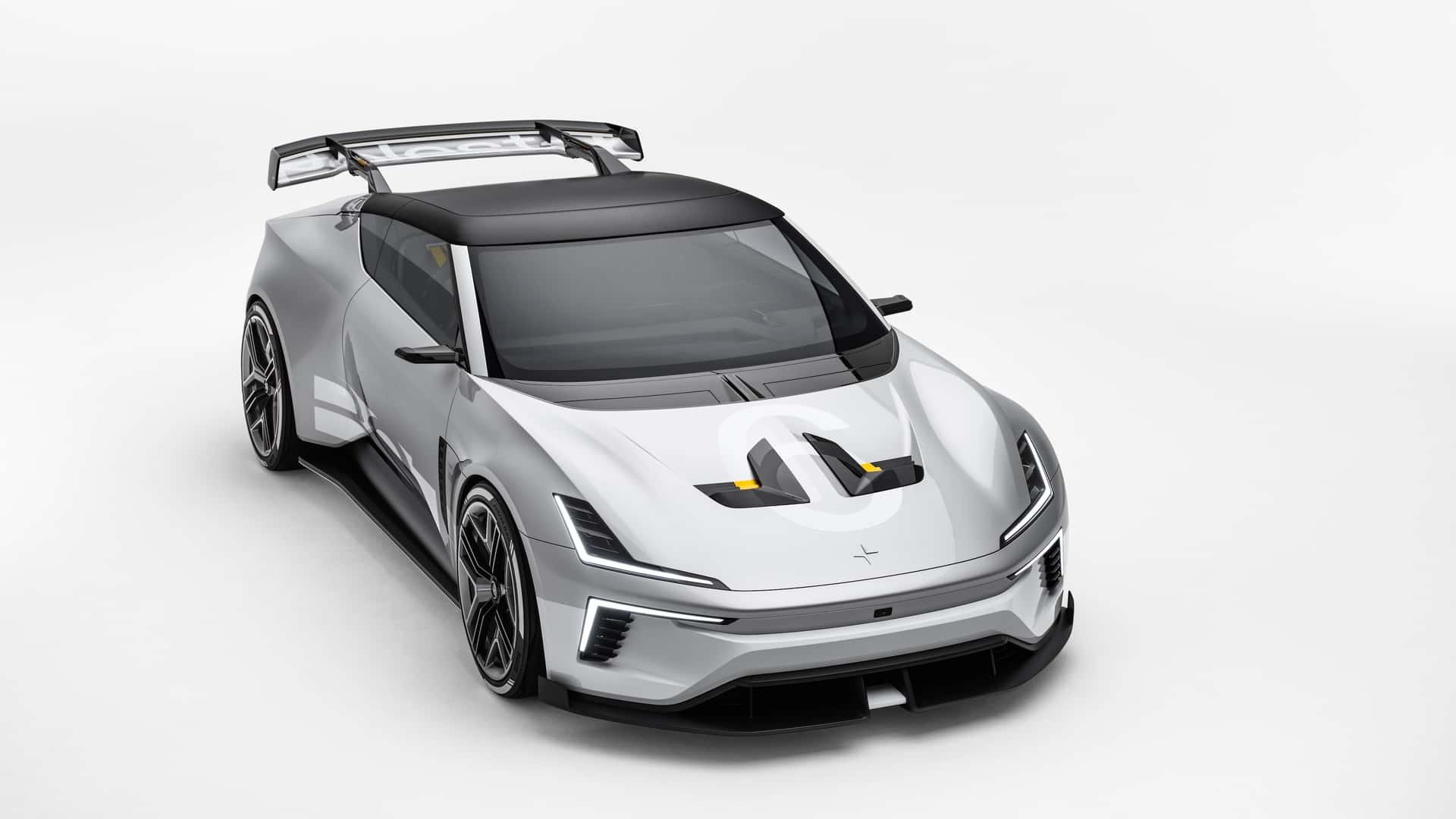
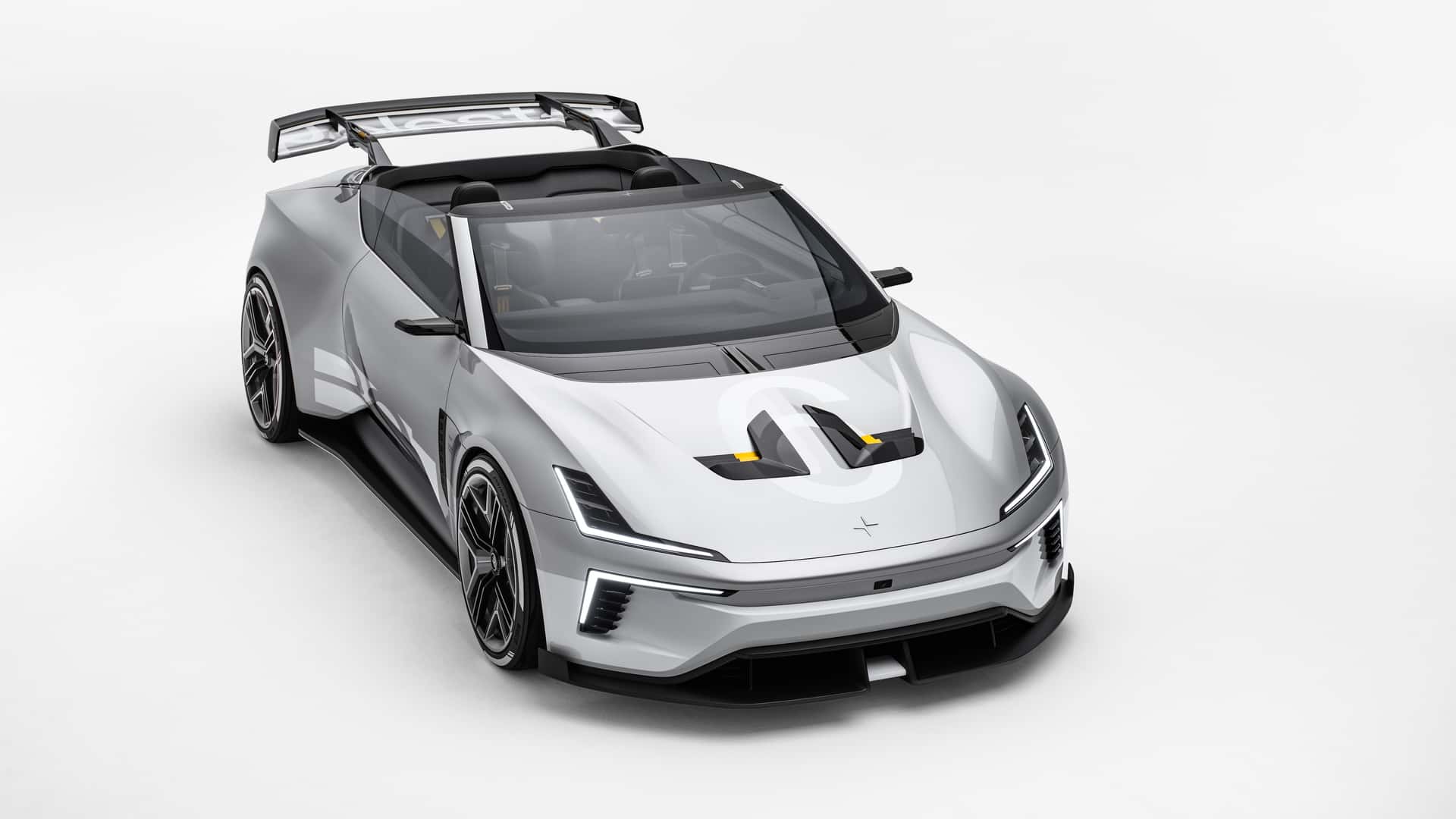
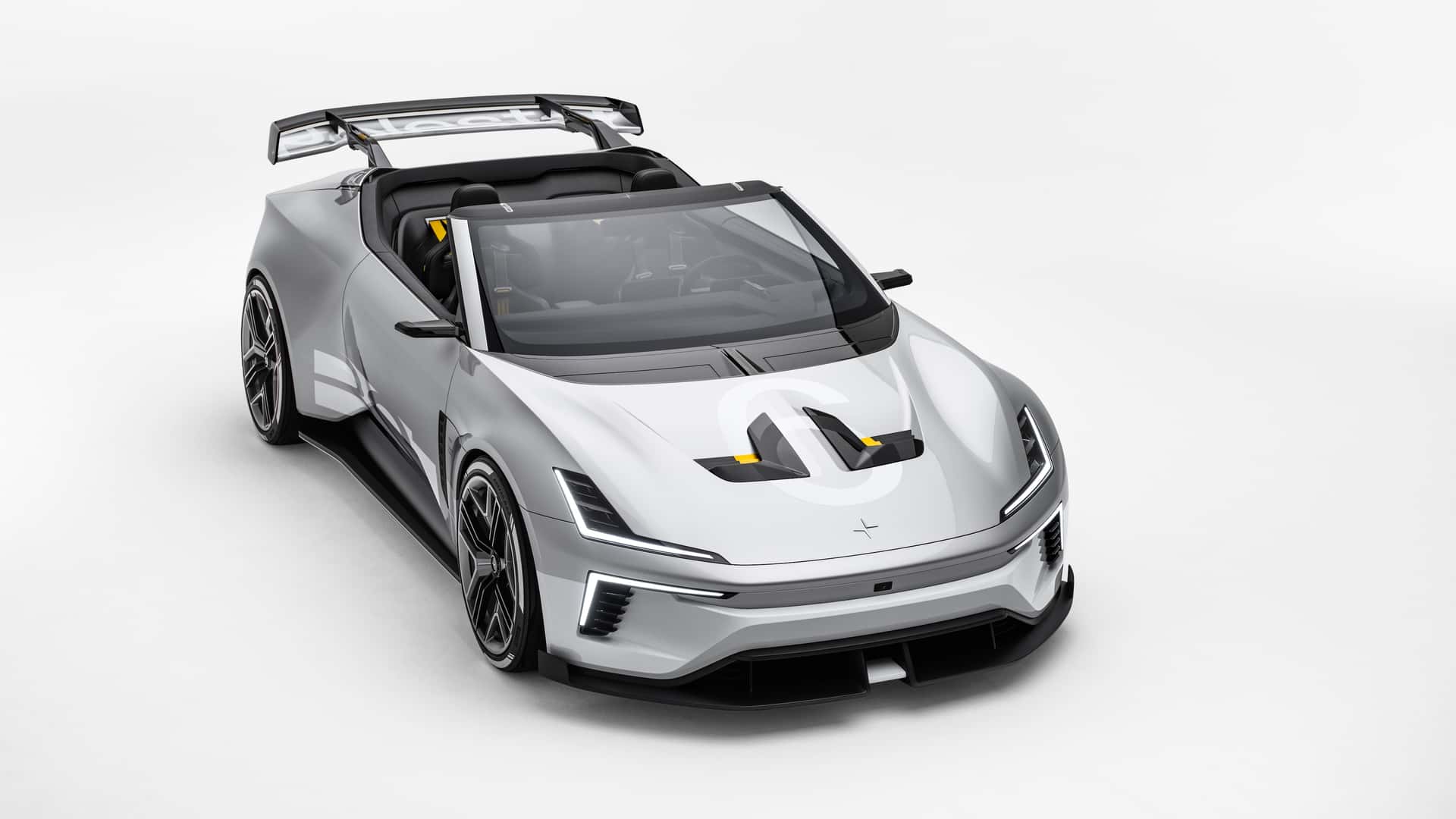
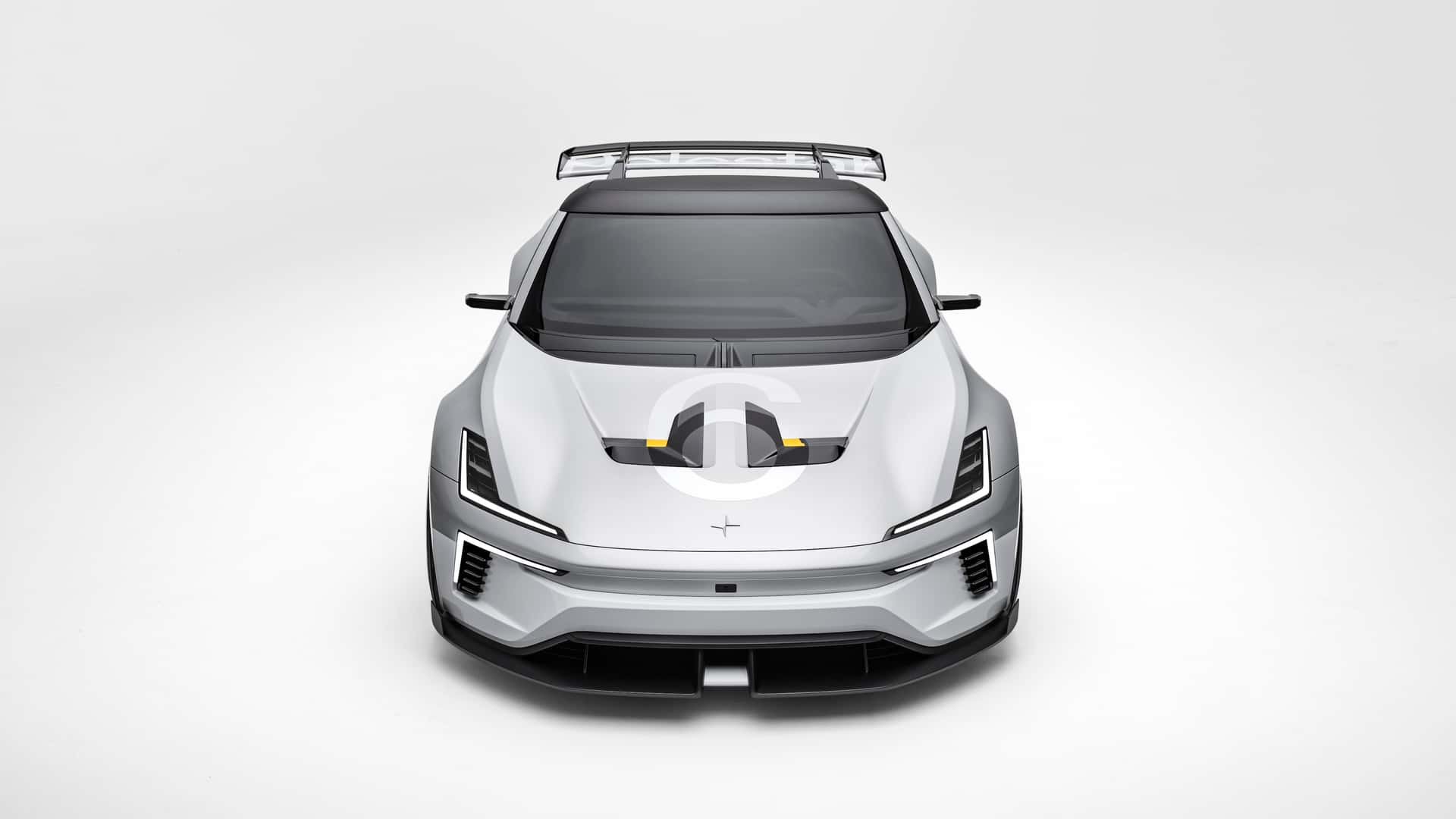
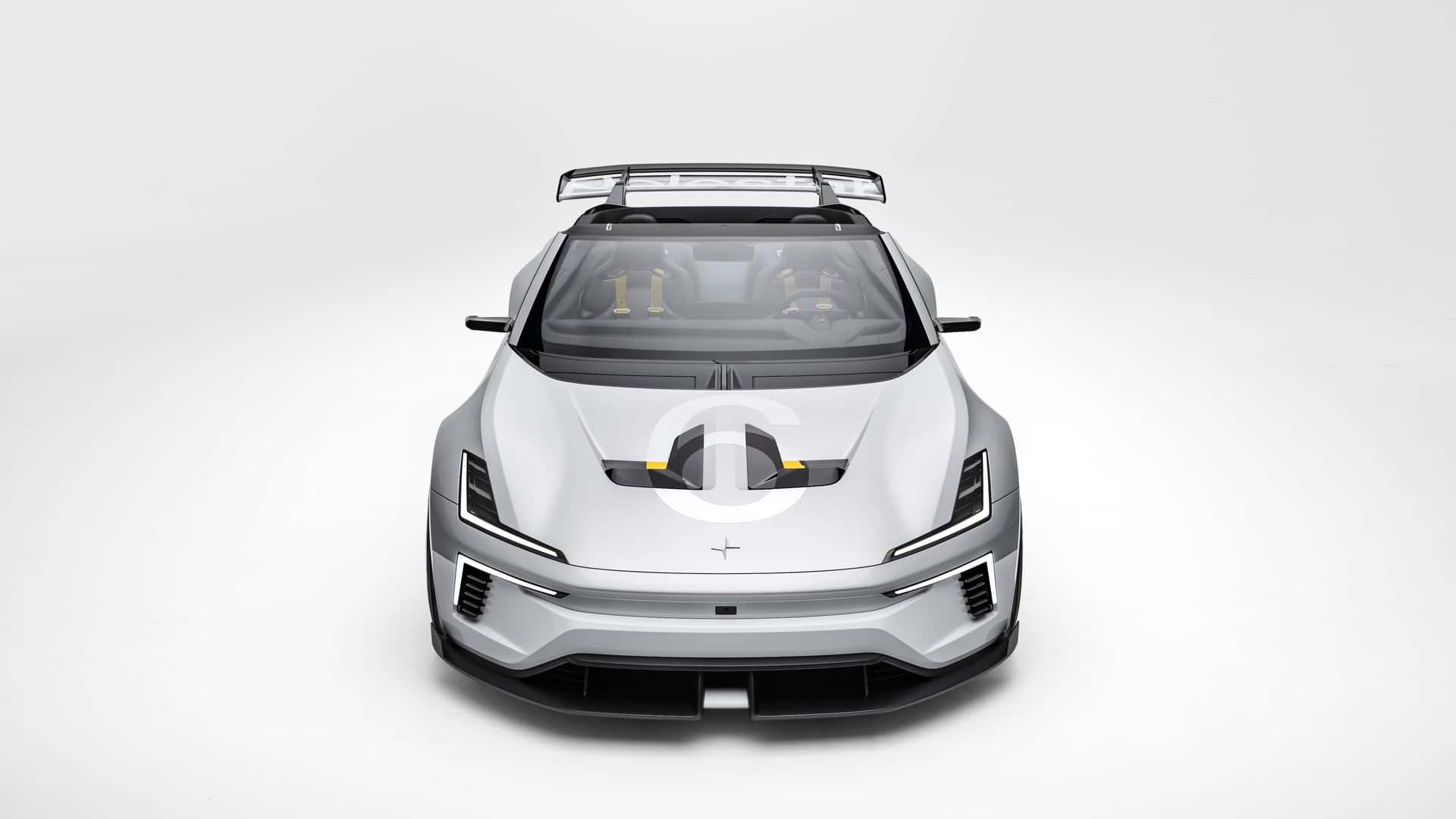
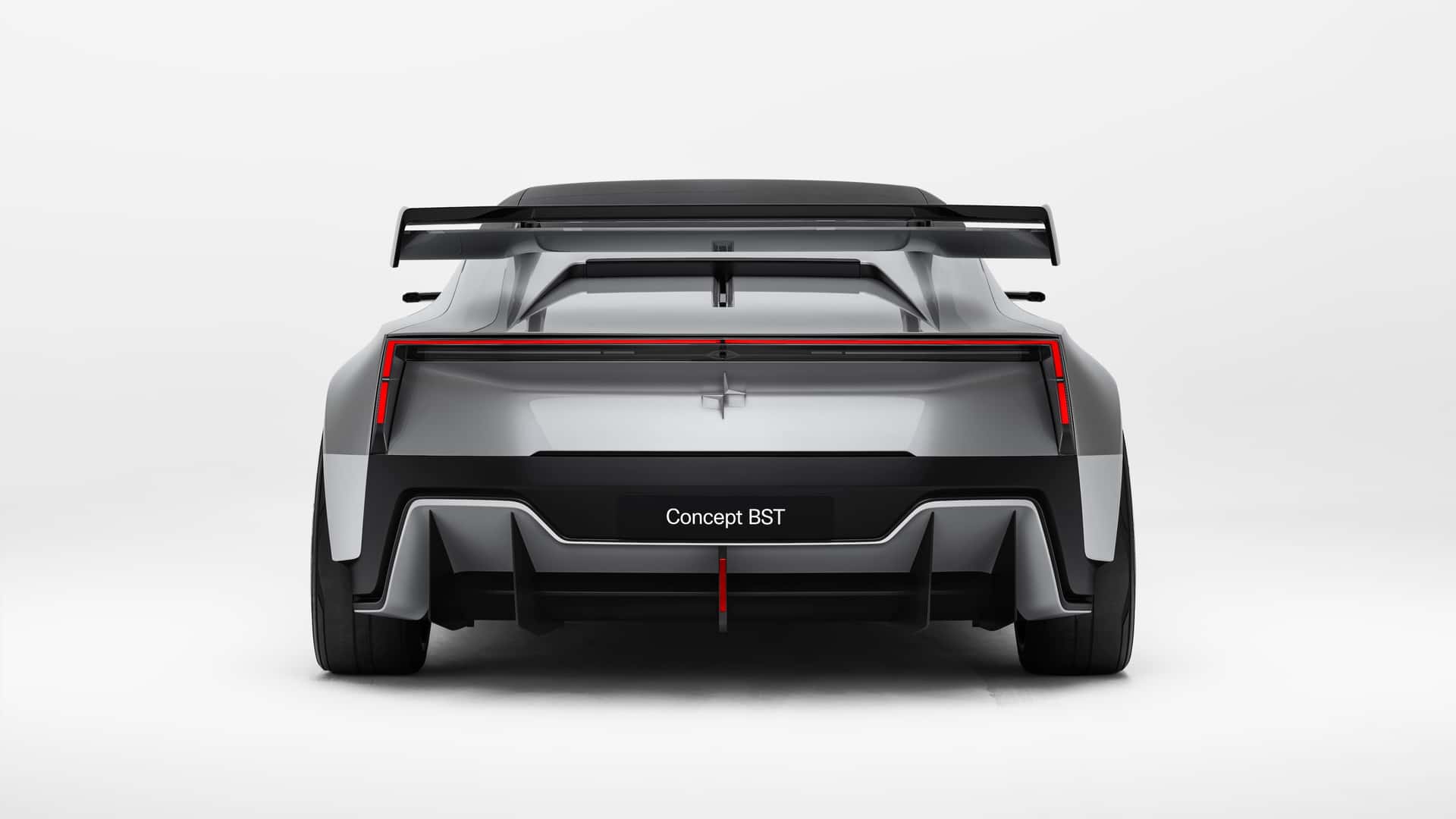
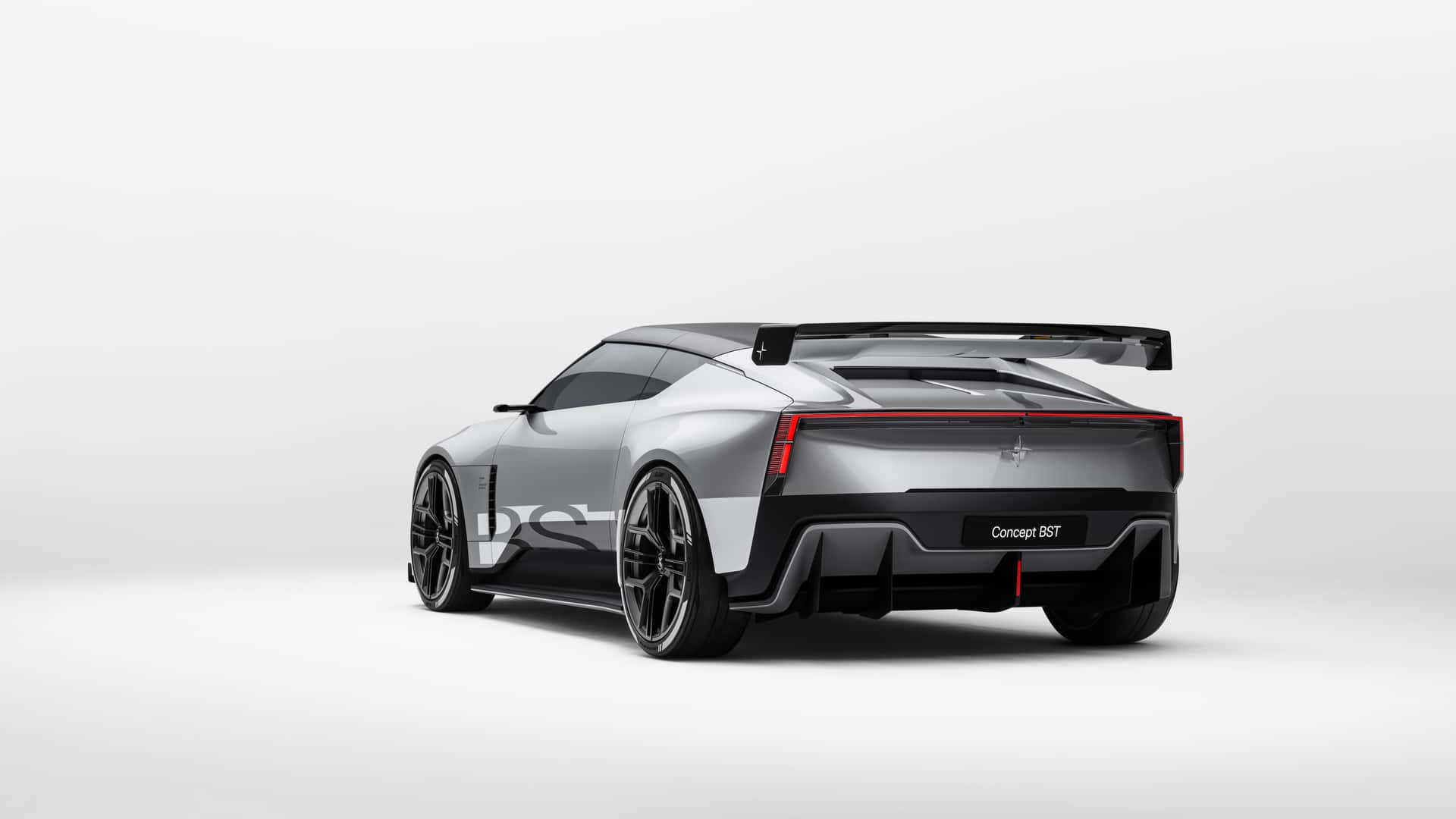
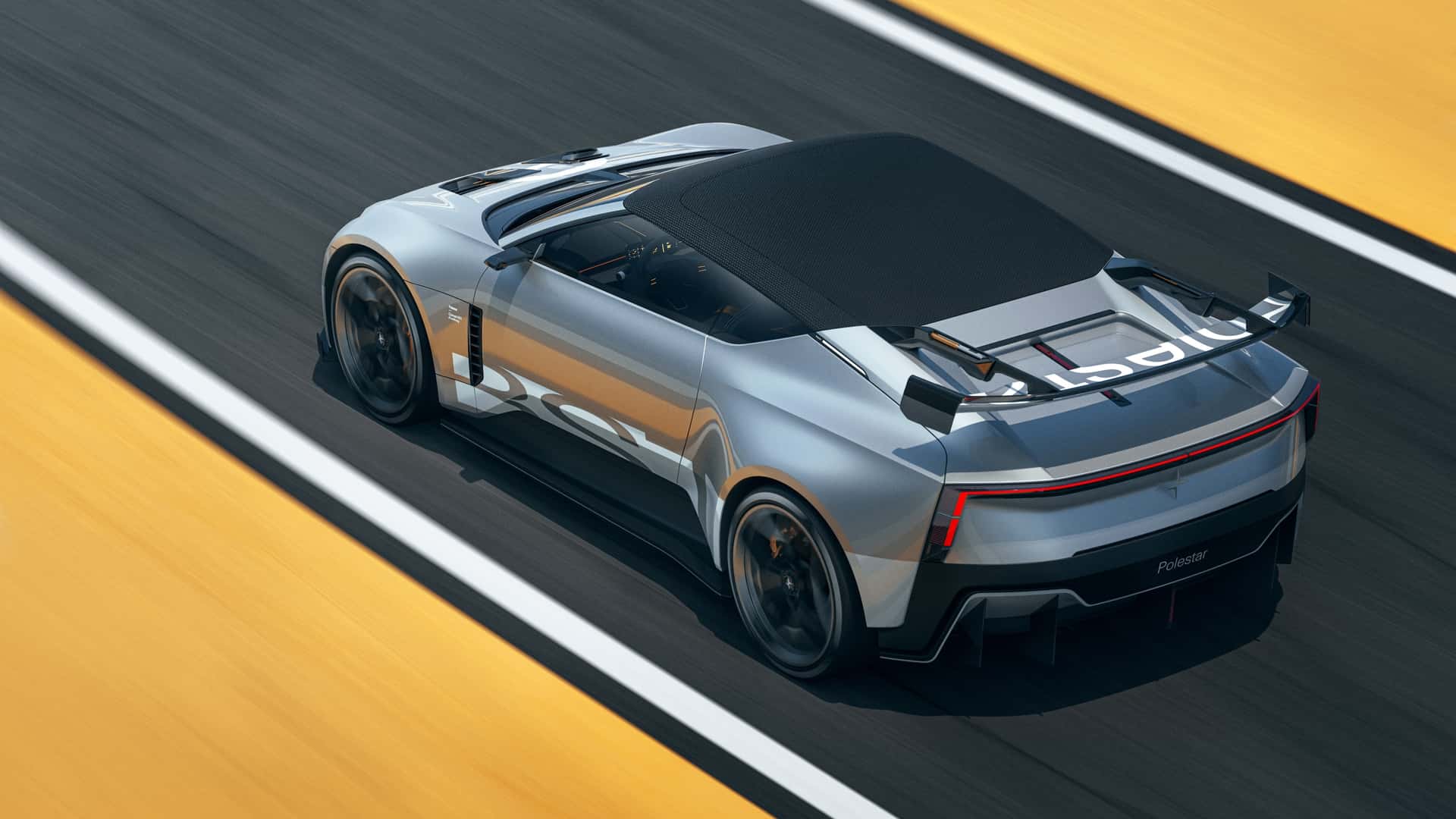
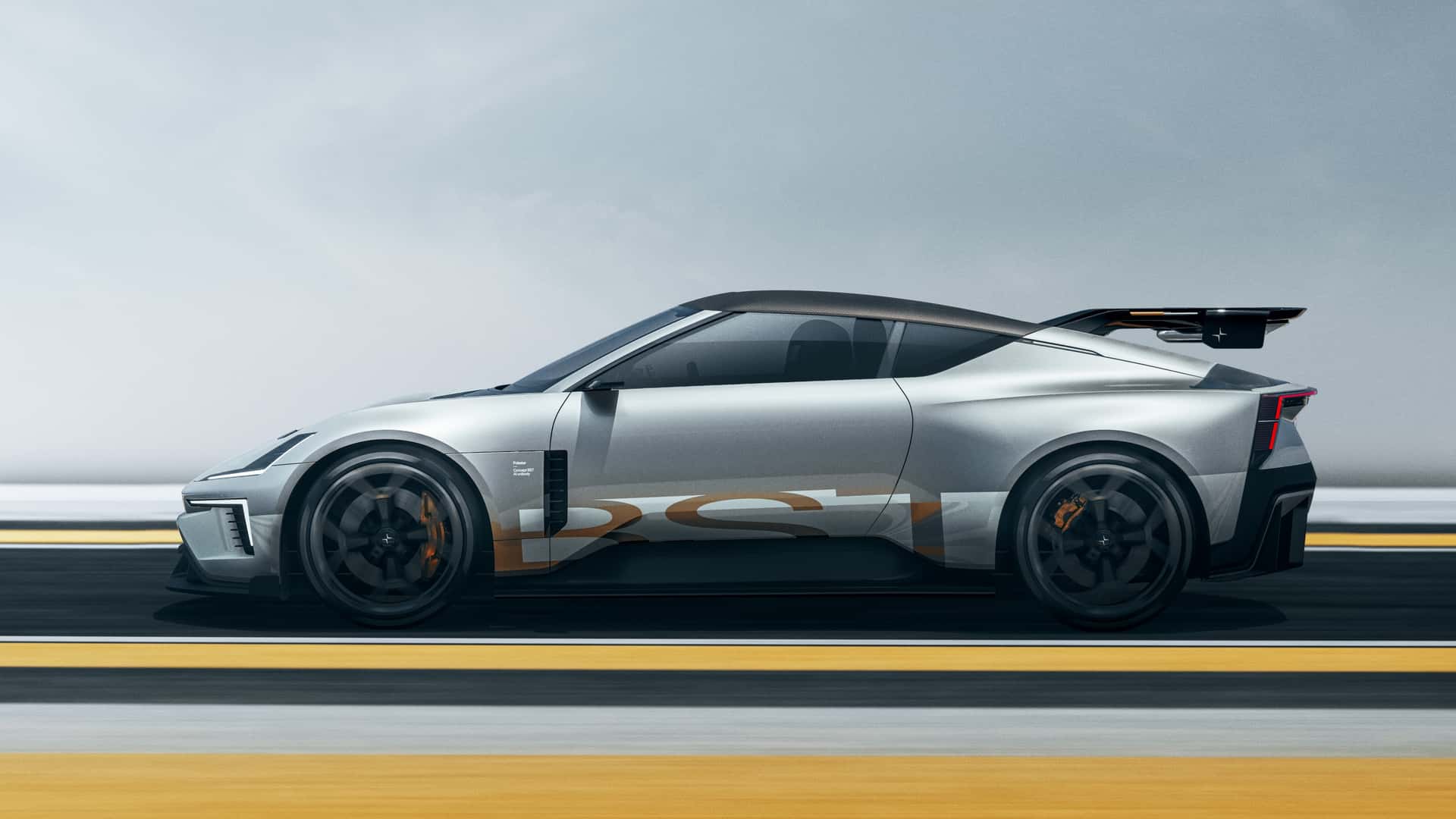
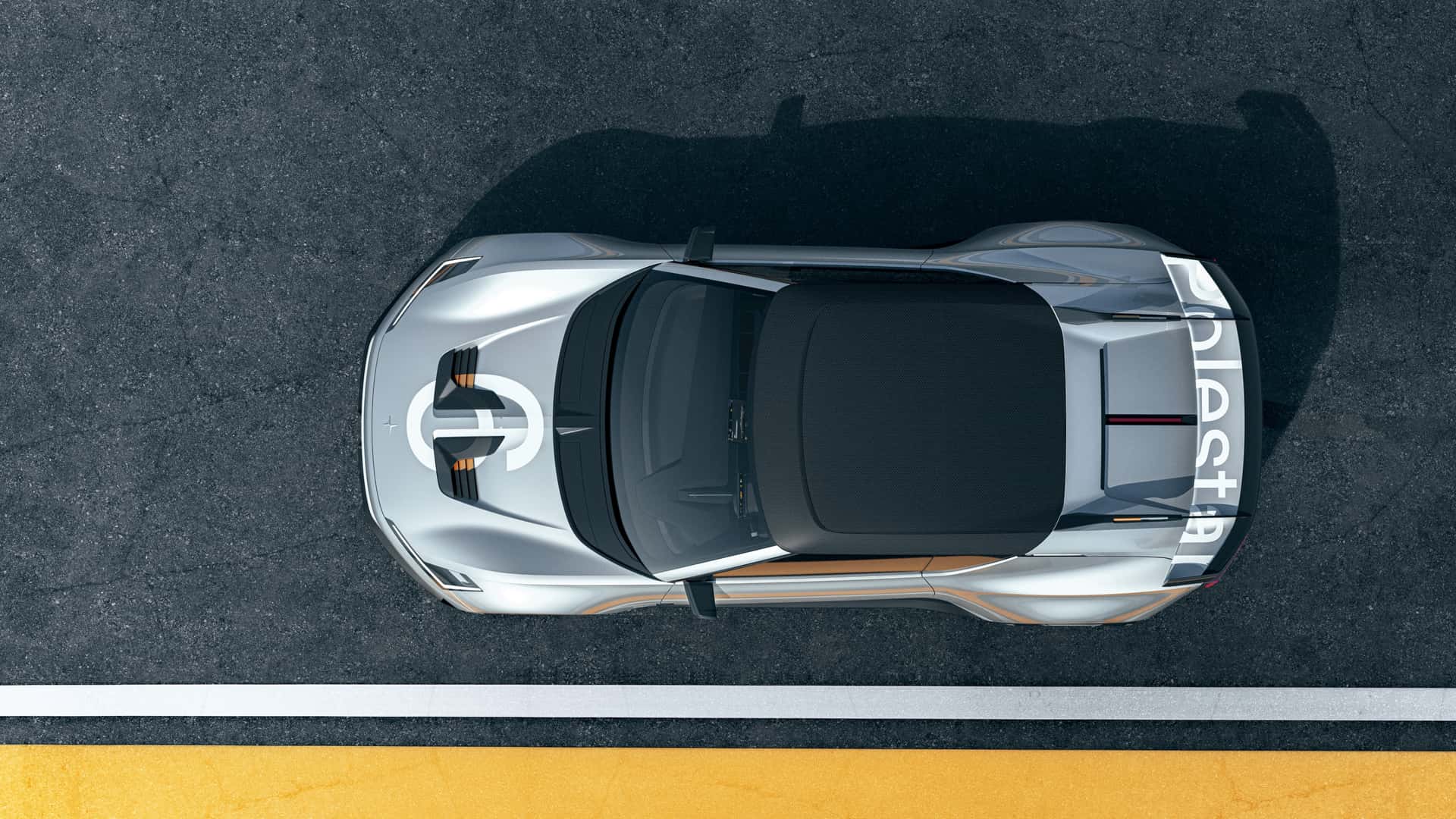
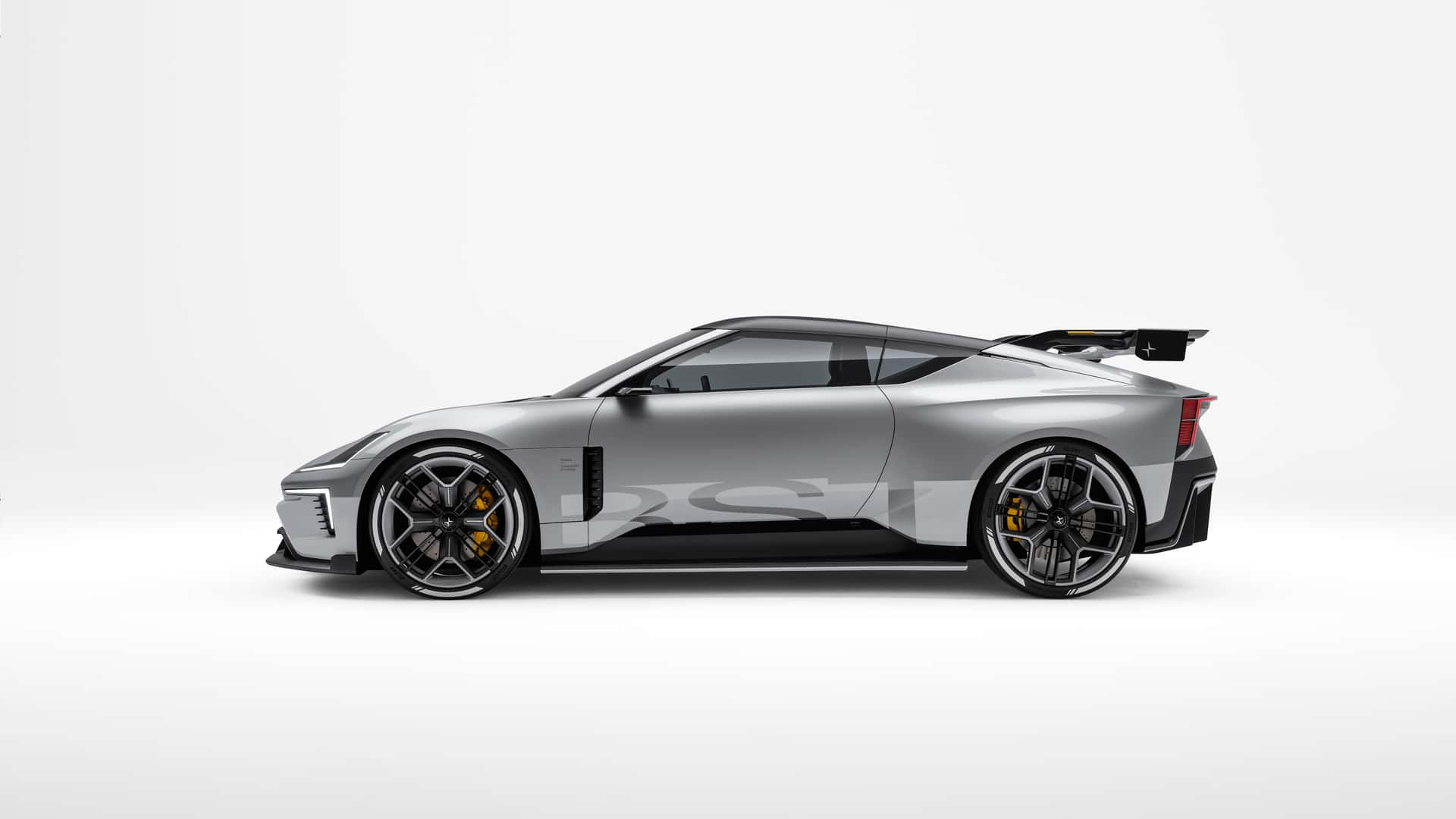
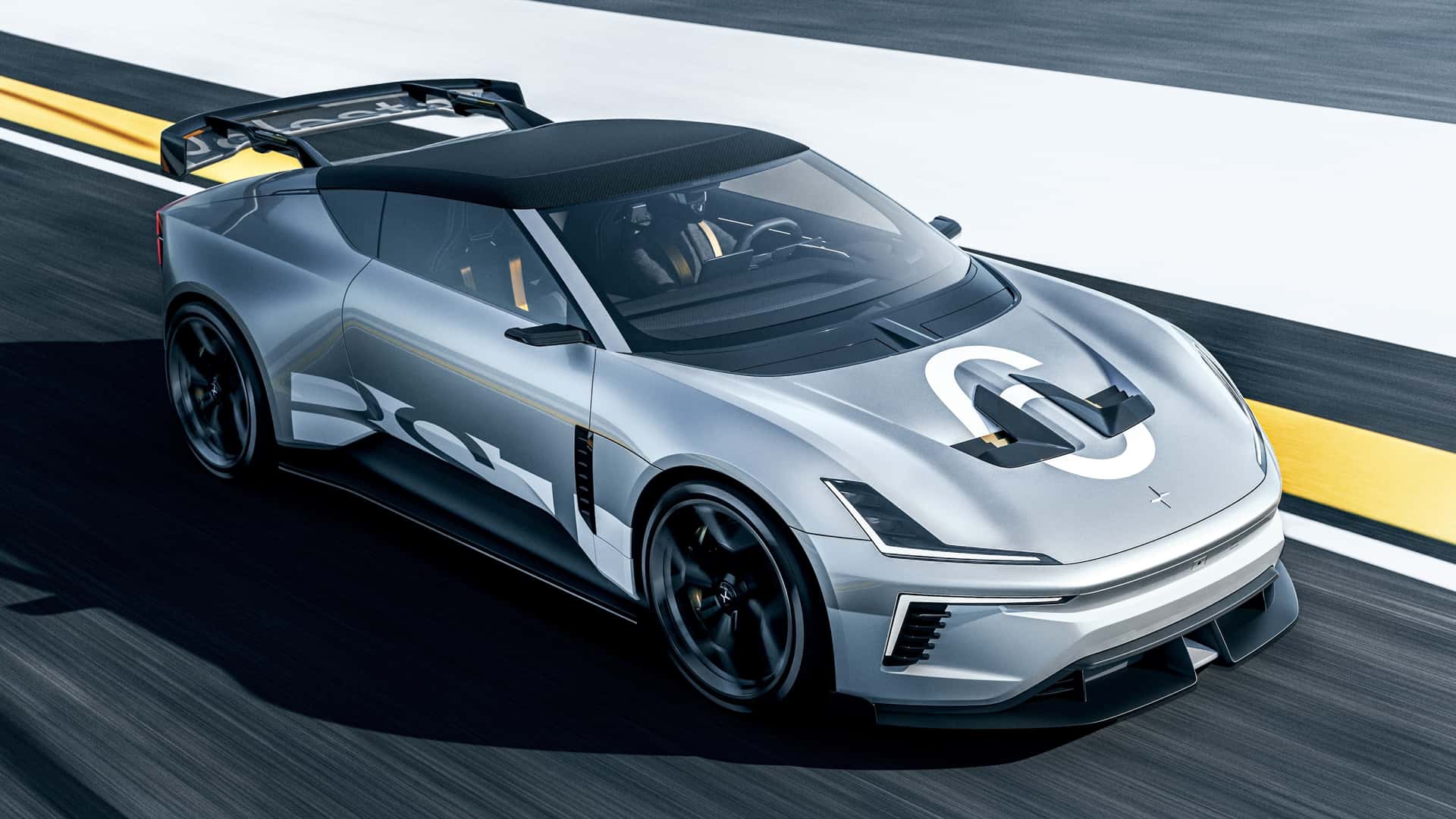
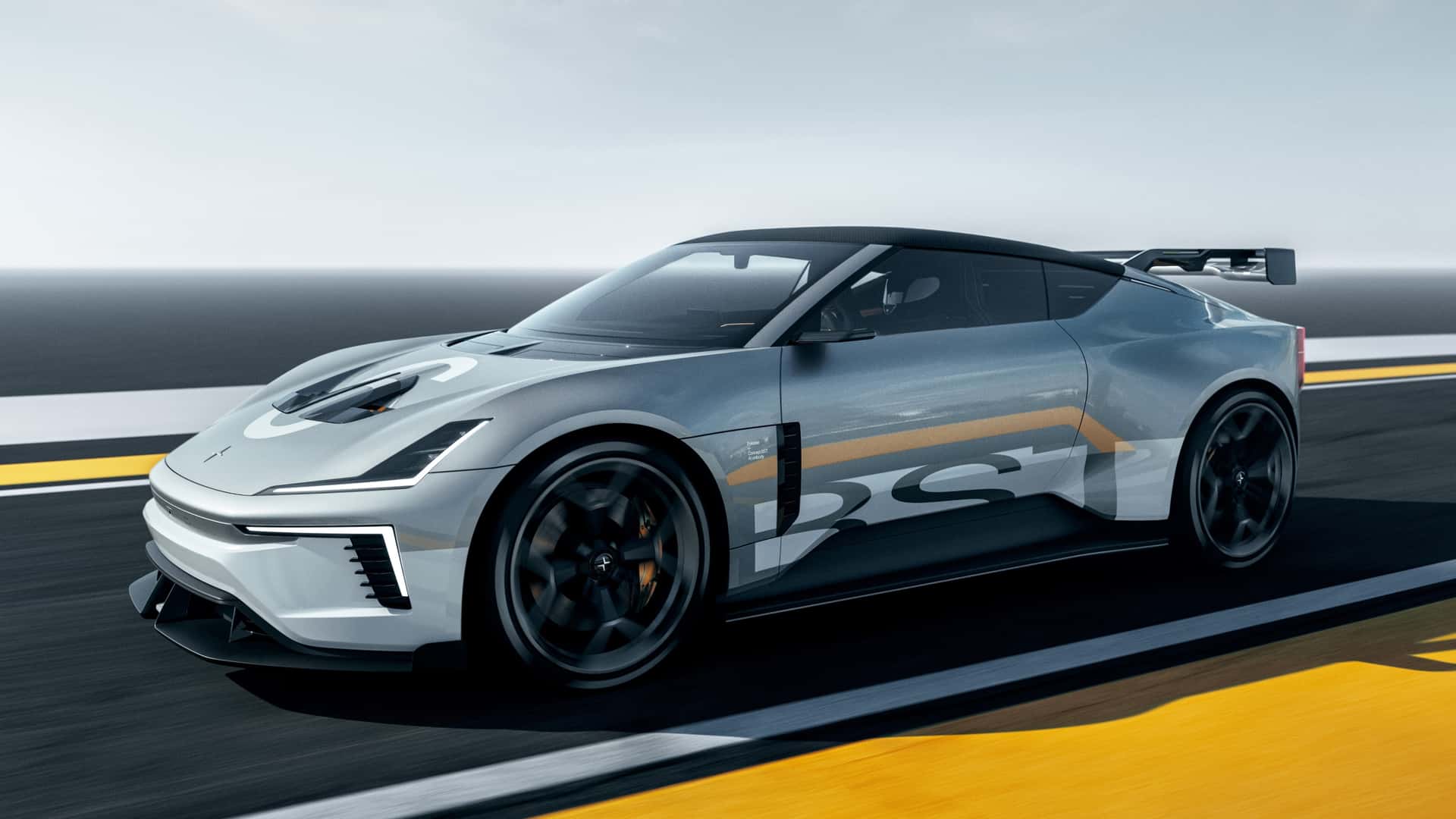
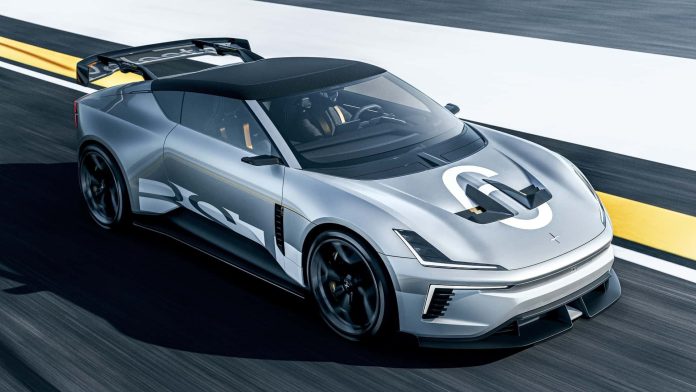
While production models like the 3, 4, and 5 shape the brand’s roadmap, the BST concept serves as a louder statement of intent.
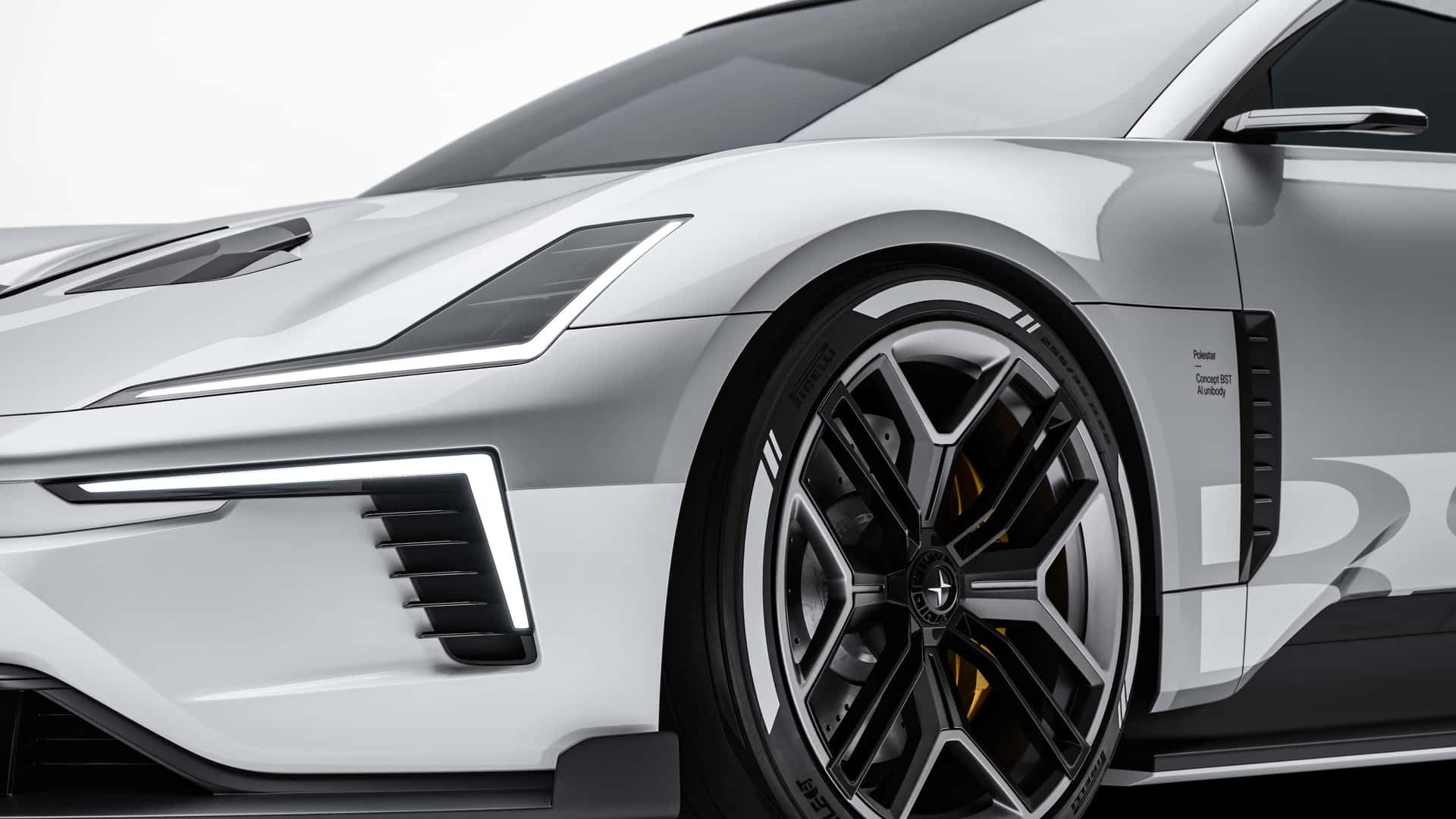
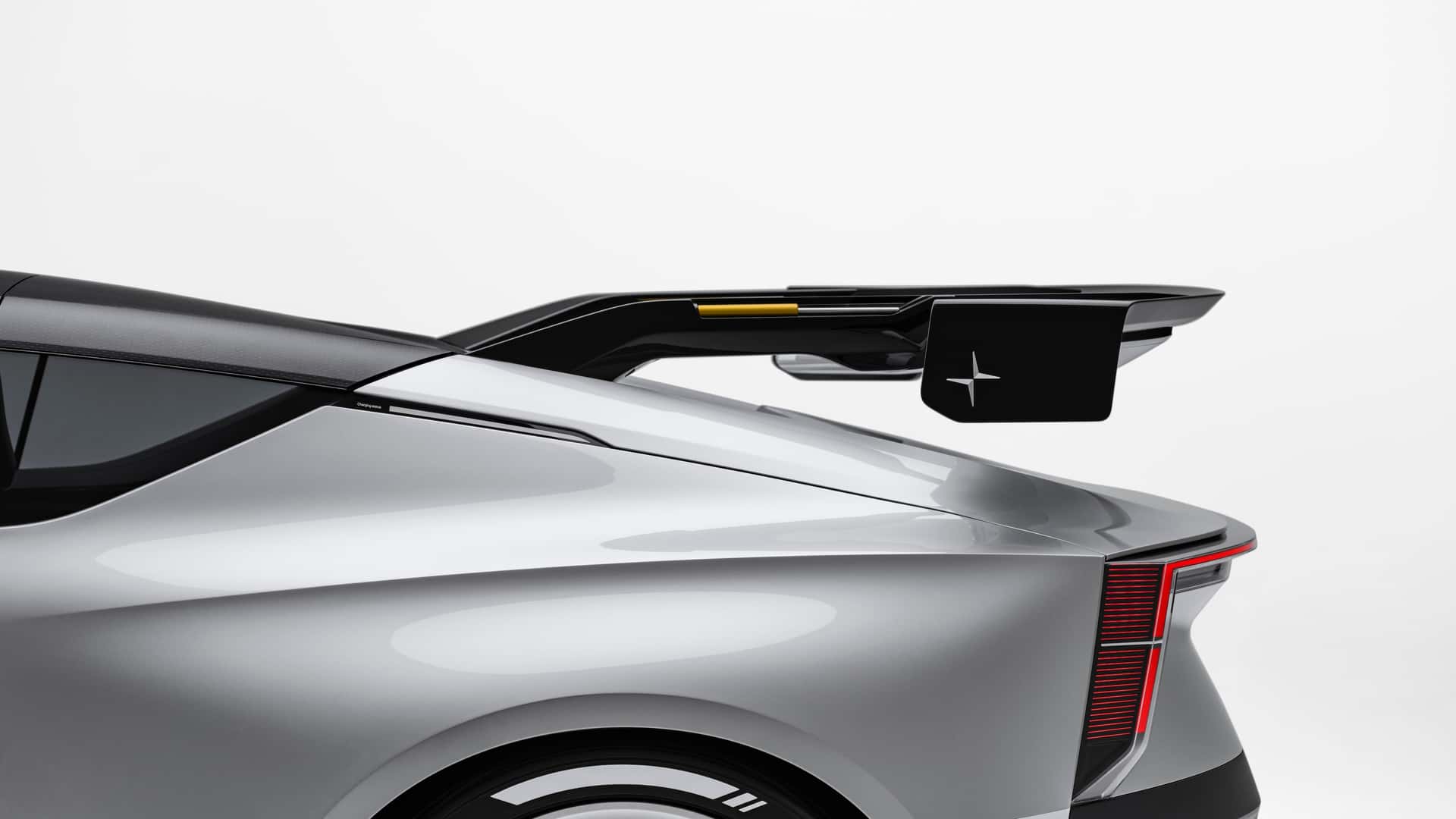
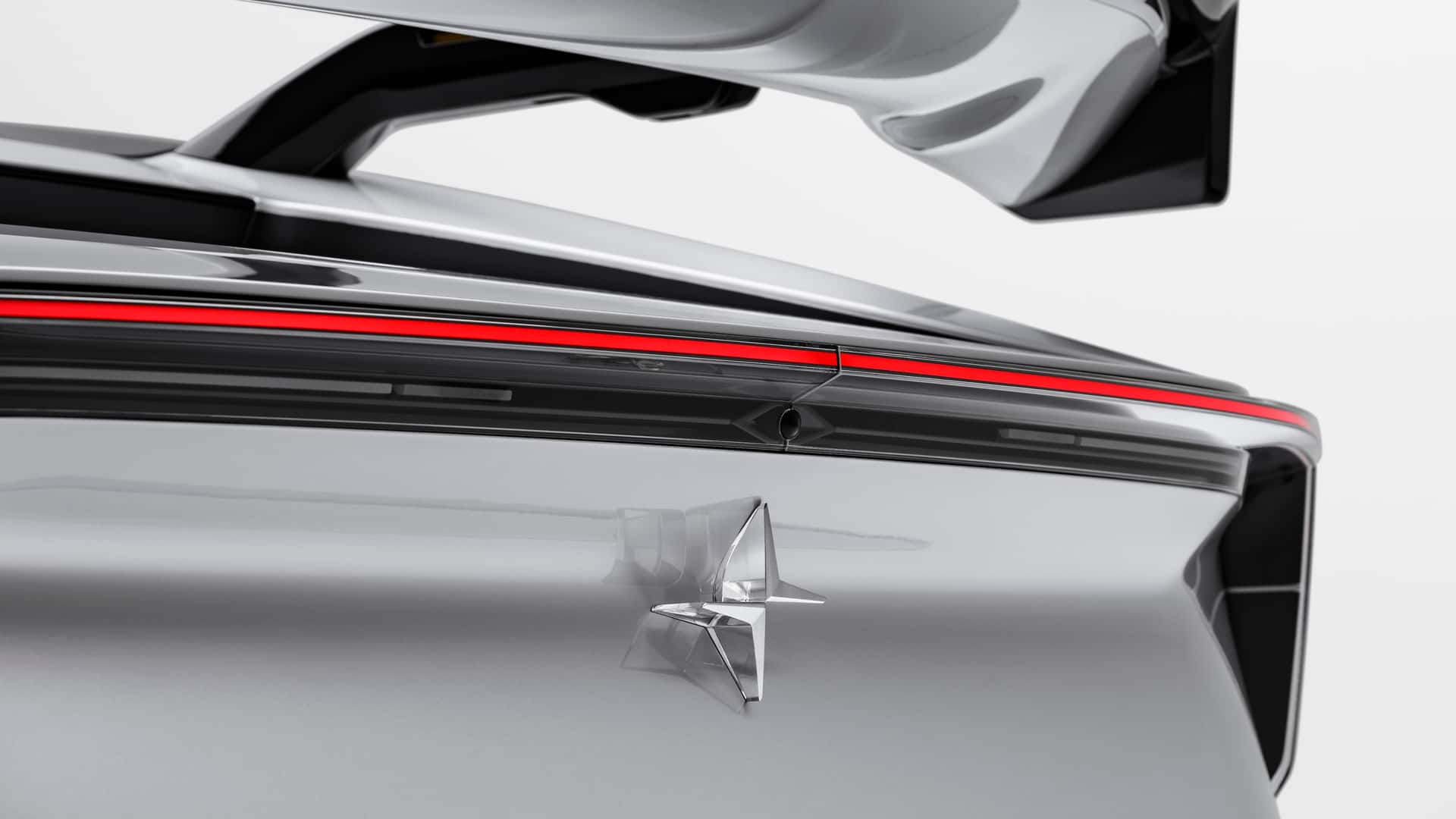
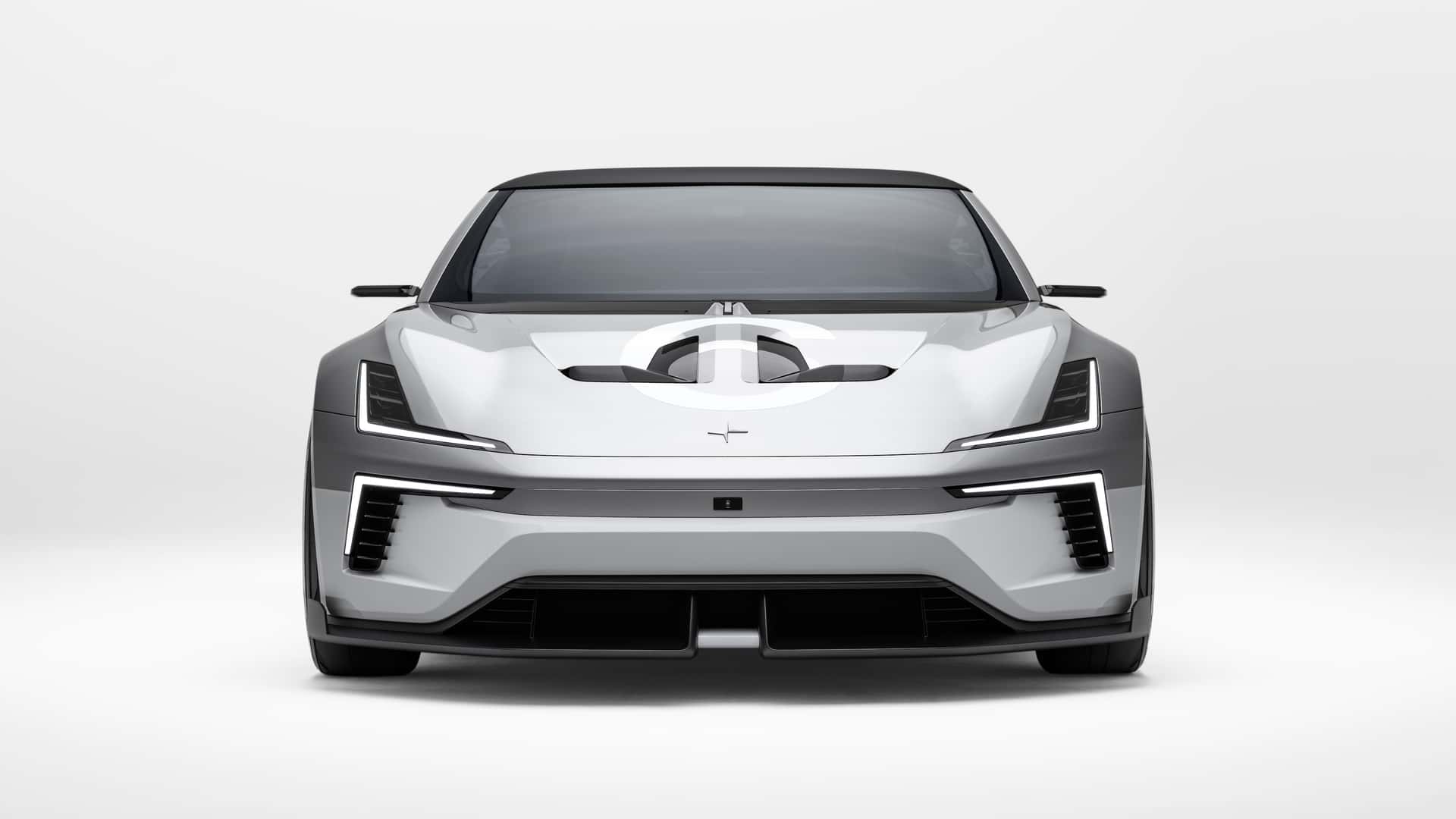
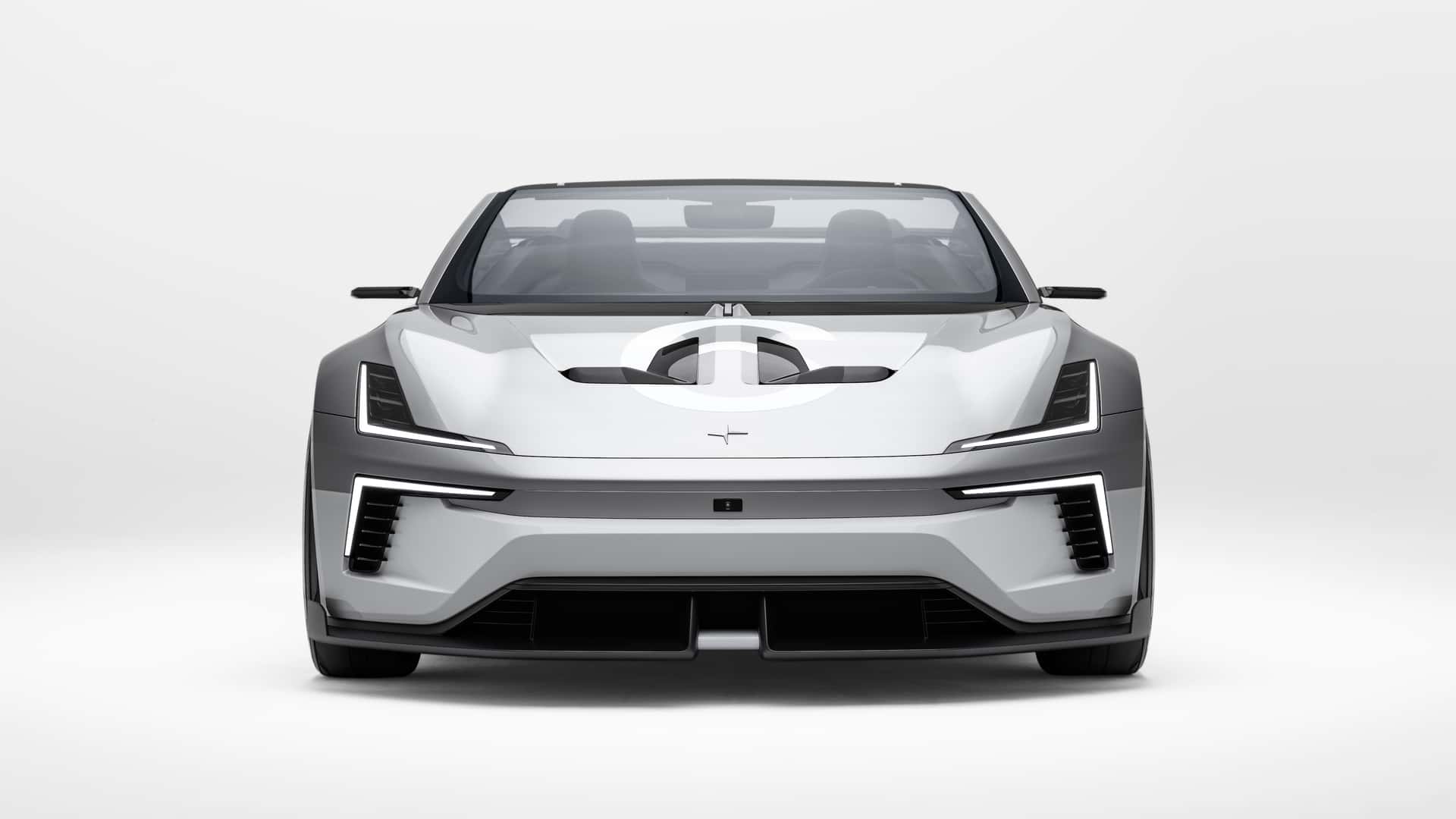
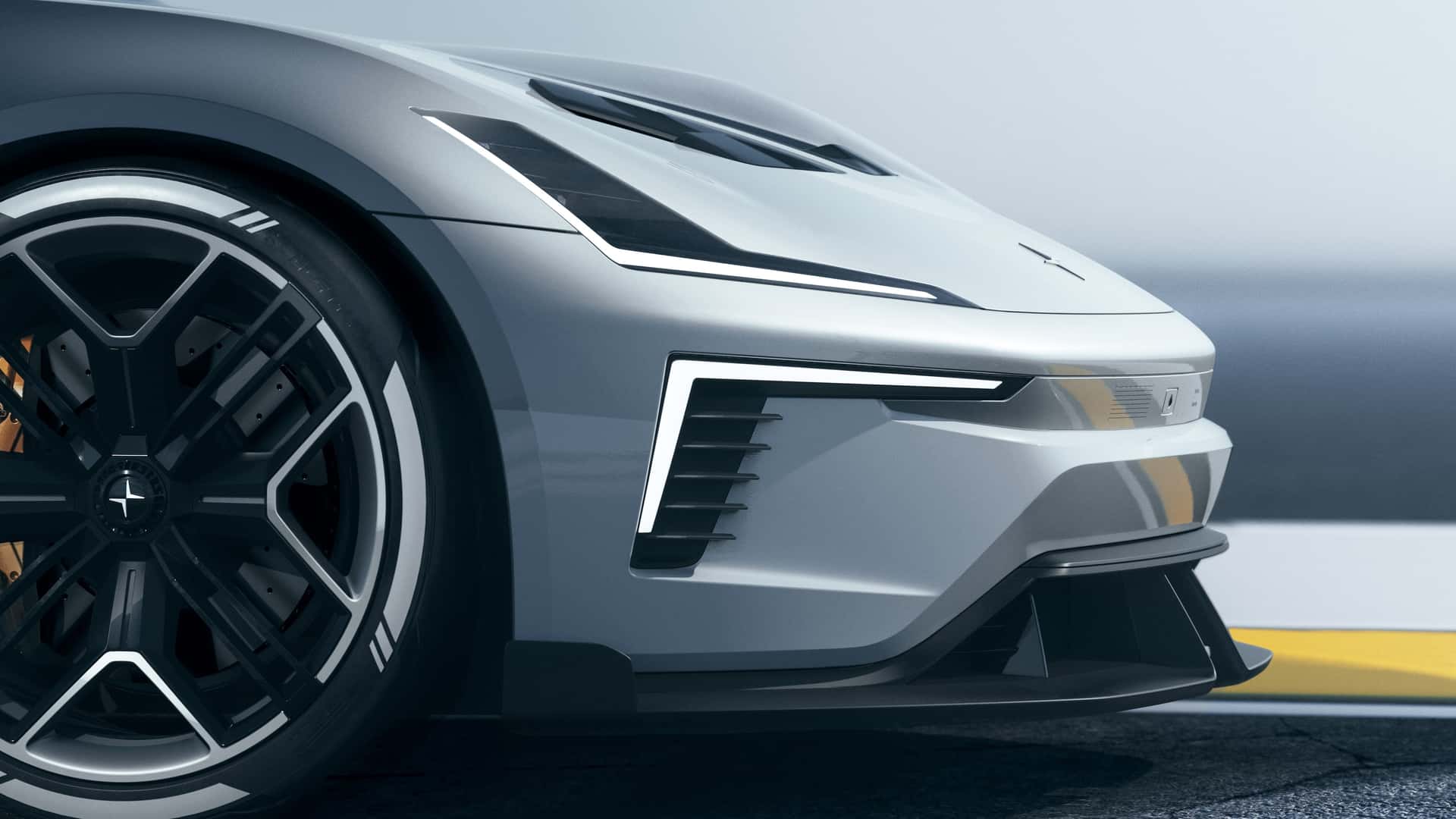
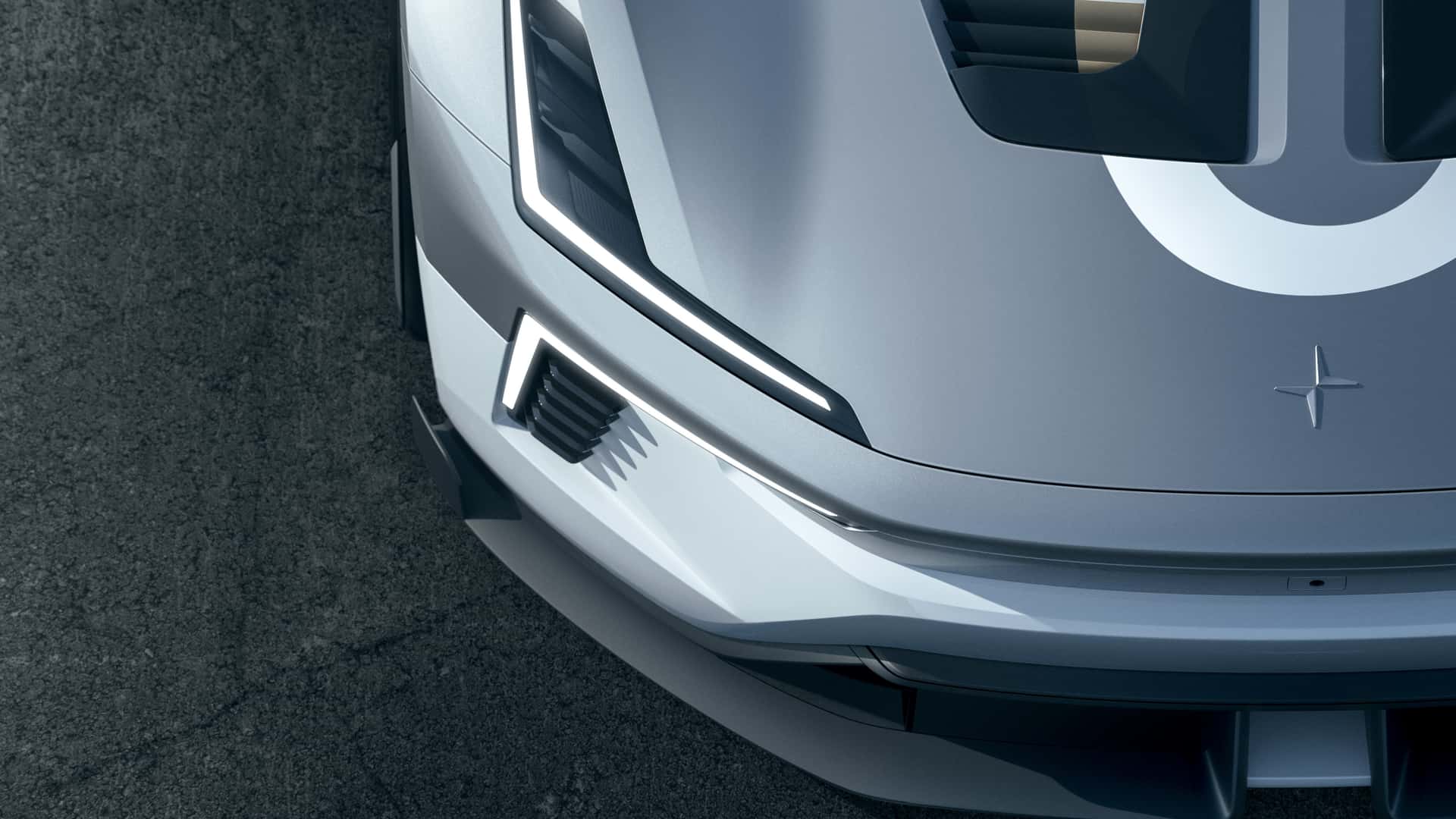
The BST name, short for Beast, is not subtle. It builds on earlier limited production performance editions and pushes the brand further into aggressive territory. Wider stance. Lower ride height. Track focused suspension tuning. More assertive aero. Everything about the BST concept communicates that Polestar is not afraid to experiment beyond minimalist restraint.
Importantly, the BST concept is not just a styling exercise. It previews how far the brand is willing to go with chassis development and power calibration. Engineers have explored stiffer dampers, retuned steering feel, and recalibrated torque delivery to enhance corner entry precision and exit stability. As a result, the driving experience becomes more engaging and more aligned with what enthusiasts expect from BMW M and Mercedes AMG products.
Moreover, the BST concept shows that Polestar understands emotional appeal. While the standard models lean into clean Scandinavian design, the BST introduces visual drama. Flared arches. Unique wheels. Track inspired detailing. Therefore, it broadens the brand’s identity without abandoning its core aesthetic.
This matters because performance credibility is built through halo products. BMW has its M CS models. Mercedes has AMG Black Series. By developing the BST concept, Polestar signals that it is willing to create limited run, high intensity versions that elevate brand perception.
Consequently, the BST concept bridges the gap between polished electric luxury and raw enthusiast ambition. It reinforces the message that Polestar is not simply competing on efficiency or sustainability. It is competing on excitement.
And in the fight for relevance against established German performance giants, that emotional edge could make all the difference.
Branding, Identity, And The Battle For Enthusiasts
Challenging BMW M and Mercedes AMG is not just about performance metrics. It is about emotional resonance.
Those German sub brands carry decades of motorsport heritage. Track records. Racing history. Cultural cachet. Polestar must build its own narrative.
Fortunately, it already has a foundation. The brand’s motorsport background, coupled with Volvo engineering roots, gives it credibility. Moreover, its commitment to sustainability and electric performance appeals to a new generation of buyers who value both speed and environmental responsibility.
Additionally, showroom experience and digital direct to consumer sales strategies create a modern buying journey. This streamlined process contrasts with traditional dealership models and may attract tech savvy customers.
As a result, Polestar is positioning itself as both progressive and performance focused. That combination could be powerful.
The Competitive Landscape Is Changing
The performance world is undergoing a dramatic transformation. Electric vehicles are no longer niche. They are central to brand strategy.
BMW is rolling out M tuned electric models. Mercedes AMG is developing dedicated high performance EV platforms. Audi is sharpening its RS electric lineup. Competition is intensifying.
However, Polestar enters this arena without legacy baggage. It does not need to protect the sound of a V8. It does not need to justify the shift from combustion to battery power. Instead, it embraces the transition fully.
Consequently, it can design vehicles from the ground up around electric performance principles. That clarity simplifies engineering decisions. It also sharpens brand messaging.
A Serious Threat Or A Bold Experiment
The question remains. Can Polestar truly challenge BMW M and Mercedes AMG?
On paper, the ingredients are present. Strong power figures. Advanced platforms. Distinctive design. Technology integration. Focused brand identity.
Yet success will depend on execution. Driving feel must match ambition. Quality must meet premium expectations. Reliability must be proven over time.
Nevertheless, momentum is building. Each new model demonstrates increased confidence. Each performance upgrade signals intent.
Importantly, consumer perception is evolving as well. Buyers are increasingly open to alternatives outside traditional German performance icons. Therefore, the timing may be ideal.
The Road Ahead
The coming years will define whether Polestar becomes a permanent fixture in the high performance conversation or remains a compelling challenger.
However, one thing is certain. The brand is no longer content to play a supporting role. It is stepping forward, aiming directly at the most established performance divisions in the world.
If execution matches ambition, BMW M and Mercedes AMG may find that the electric era has introduced a formidable new rival.
And this time, the challenger is not shouting. It is simply accelerating past expectations.