StopTech Shuts Down Amid Bankruptcy
A Performance Icon Caught in a Larger Collapse
The performance aftermarket has been hit with major news. StopTech is shutting down as part of a broader bankruptcy involving its parent company, First Brands Group. For enthusiasts who have trusted the brand for decades, the announcement lands hard.
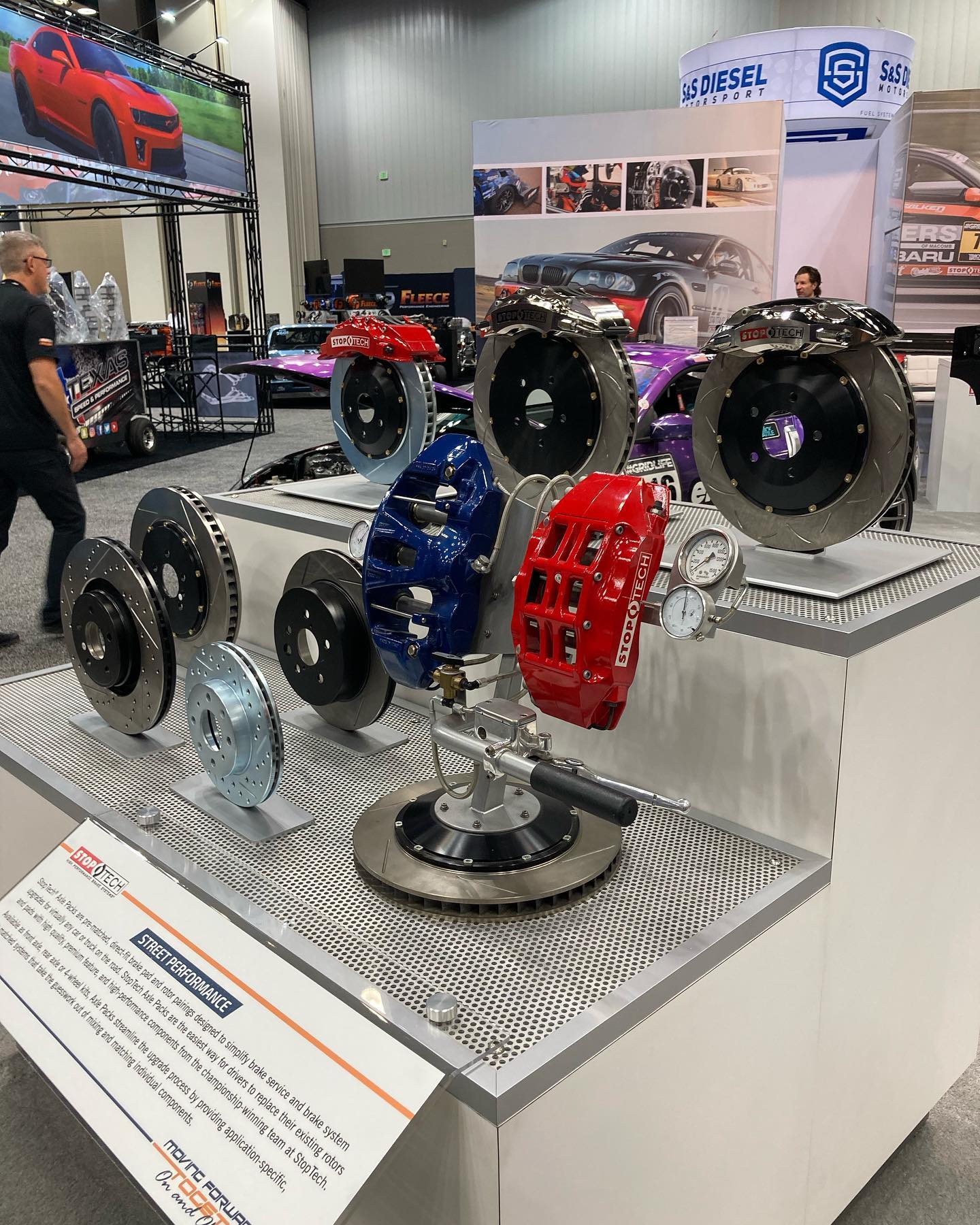
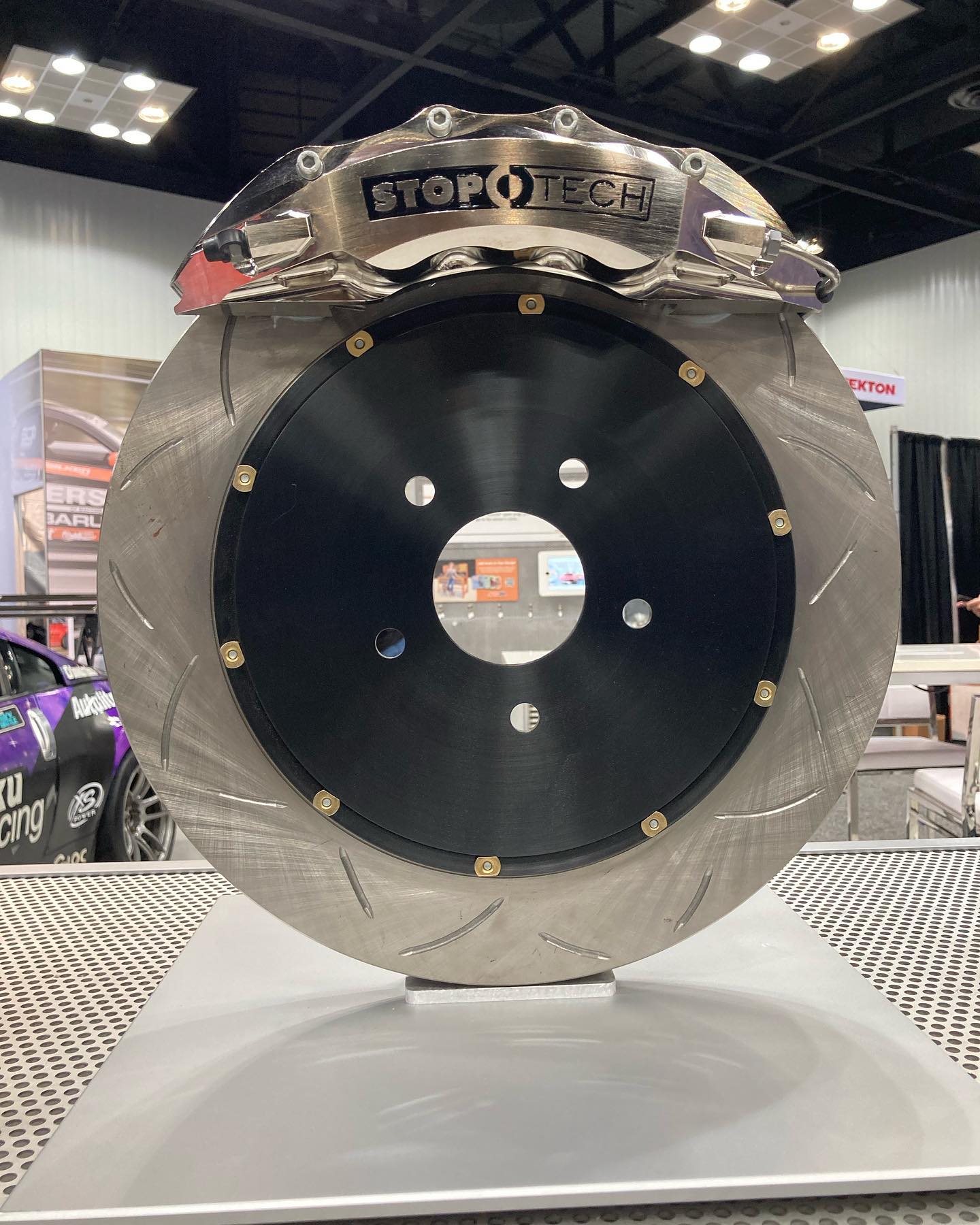
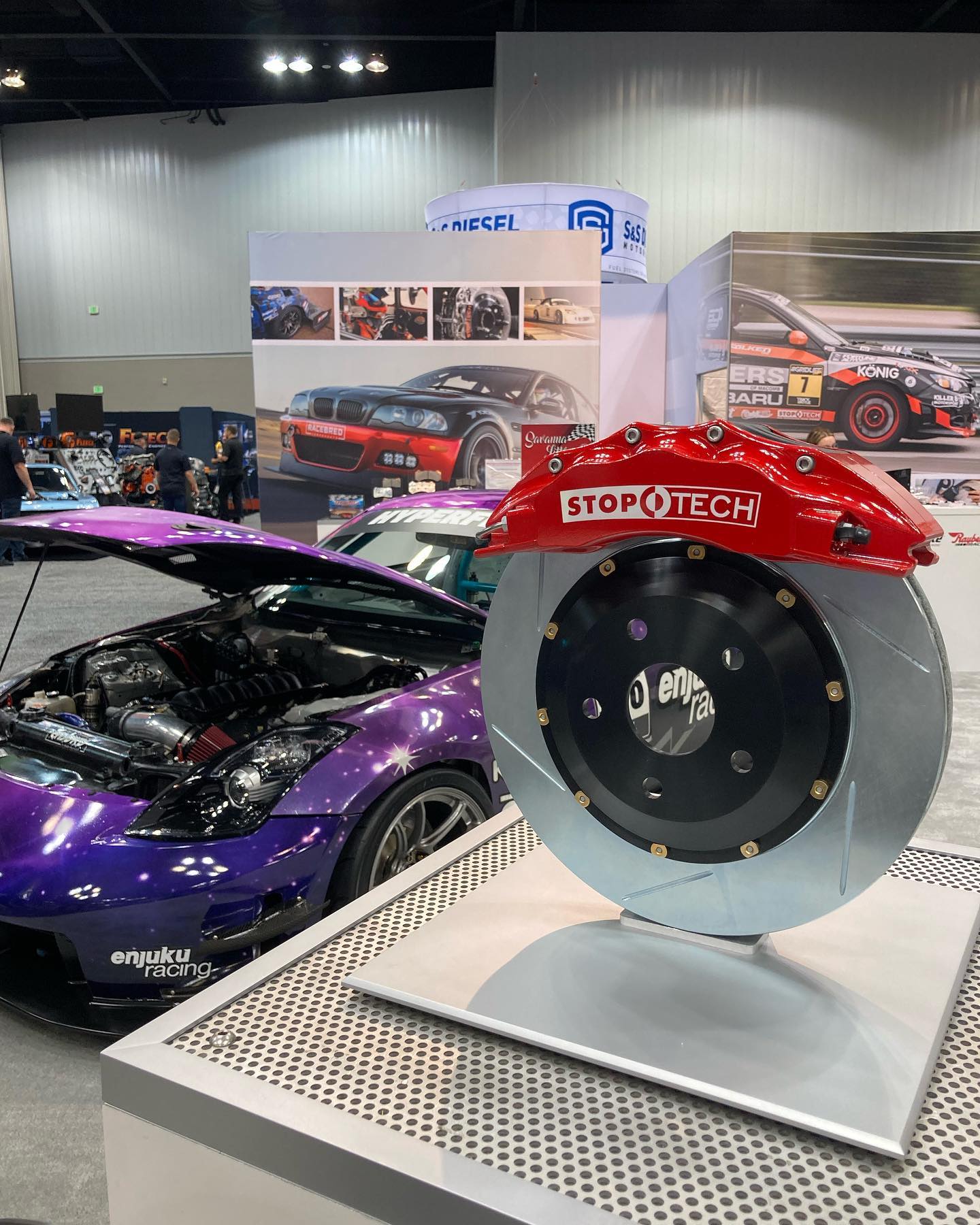
For years, StopTech built a reputation around serious braking performance. The brand was known for engineered balance, reliable thermal capacity, and consistent pedal feel under pressure. As a result, it became a staple in track day paddocks, time attack grids, and high performance street builds.
However, this closure is not the result of a single failed product line or a sudden drop in popularity. Instead, it stems from the financial collapse of First Brands Group, a major automotive supplier that owns multiple well known aftermarket and OEM facing brands. Consequently, the shutdown reflects a much larger industry story rather than an isolated brand failure.
Even so, the emotional response within the car community centers on one thing. A trusted name in braking is disappearing.
The First Brands Group Bankruptcy Explained
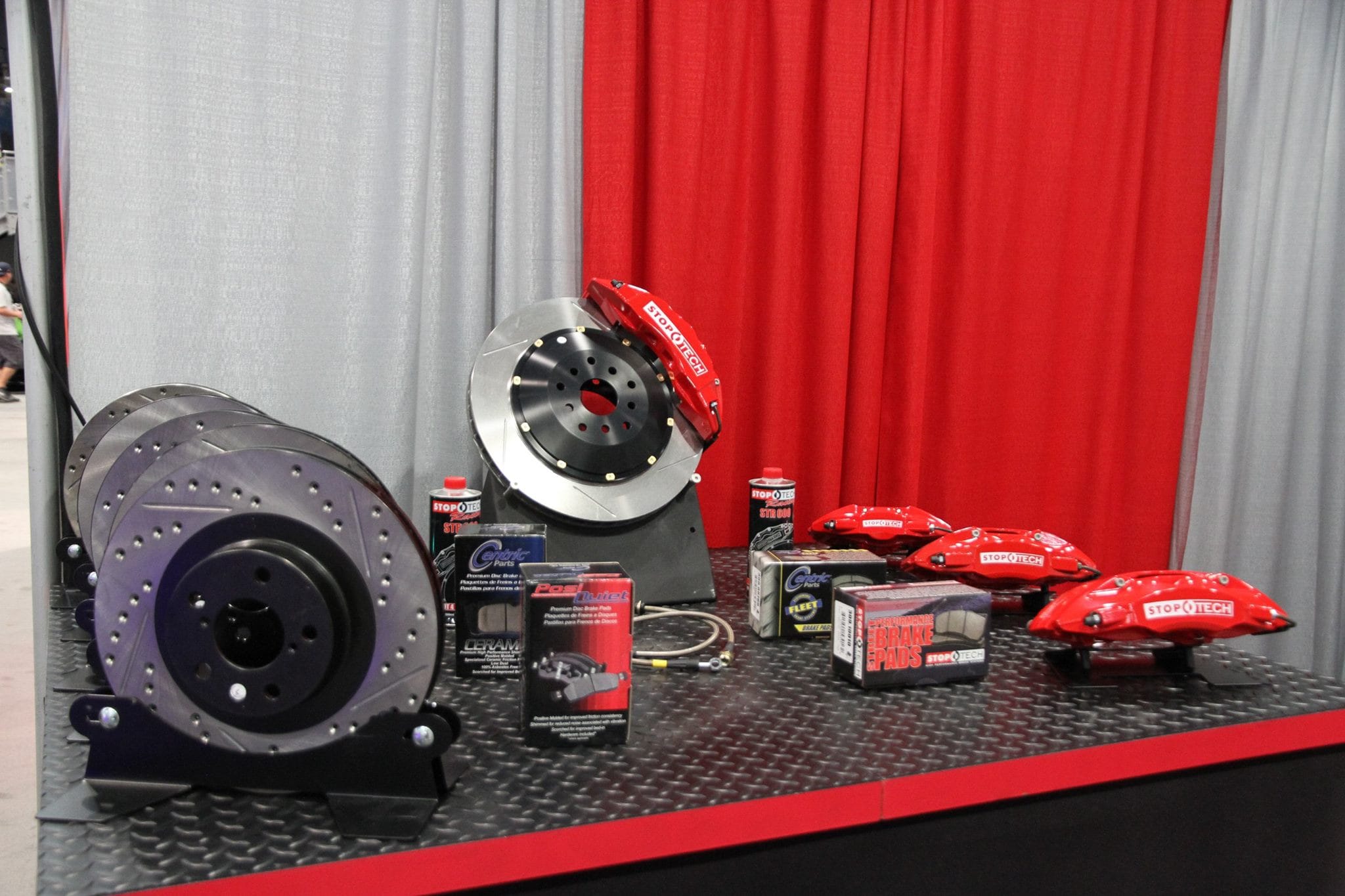
First Brands Group filed for bankruptcy protection amid mounting debt and restructuring challenges. The company oversees a wide portfolio of automotive brands across braking, filtration, and other components. Among those brands are Centric Parts and Raybestos, both recognized within the braking sector. According to industry reporting, the financial restructuring process led to the shuttering of certain divisions, including StopTech.
While bankruptcy proceedings can sometimes result in asset sales or brand revivals, the immediate effect is clear. Operations tied to the performance brake division are ceasing.
This development underscores how interconnected the modern automotive supply chain has become. Even brands that appear stable on the surface can be vulnerable when tied to larger corporate debt structures. Therefore, the shutdown should not be viewed solely as a niche aftermarket issue. It reflects broader pressures across manufacturing, logistics, and capital markets.
In recent years, rising material costs, global supply constraints, and economic volatility have placed significant strain on parts manufacturers. Furthermore, the shift toward electric vehicles has forced many suppliers to reassess product development priorities. Traditional braking systems remain critical, yet regenerative systems in electric vehicles alter wear patterns and demand different engineering strategies.
Against that backdrop, StopTech found itself part of a company facing financial restructuring at scale.
What This Means for Racers and Street Builds
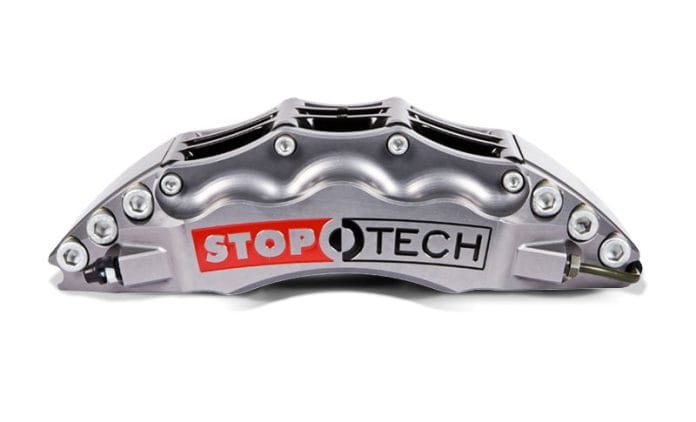
For racers and dedicated enthusiasts, the immediate concern is practical. What happens to replacement rotors, rebuild kits, seals, and pads? Big brake kits are not simple bolt on accessories. They are system upgrades that rely on ongoing parts availability.
In the short term, distributors may continue selling existing inventory. However, once warehouse stock runs out, sourcing exact replacement components could become difficult. Consequently, many owners are already evaluating their options.
Track focused drivers face unique challenges. Brake systems operate under extreme thermal stress. Rotors and pads are consumables. Without reliable supply, race teams may need to transition to new manufacturers sooner than expected. That transition requires research, testing, and in some cases recalibration of braking balance.
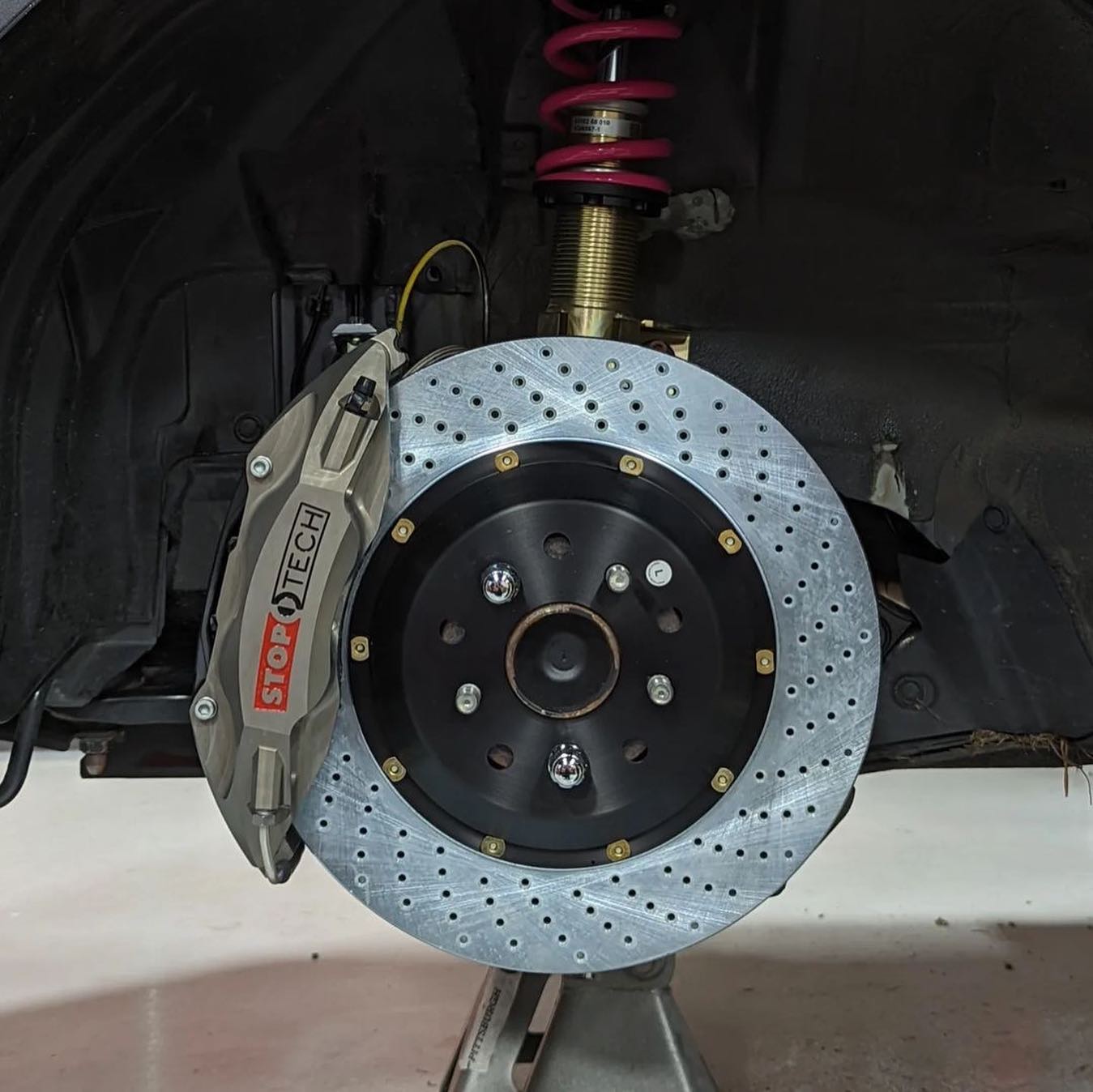
Street driven performance cars may feel less immediate impact. Many vehicles equipped with StopTech components will continue to function without issue for thousands of miles. Nevertheless, uncertainty around support can influence resale values and buyer confidence.
Shops also feel the pressure. Performance shops often build package recommendations around trusted brands. When a staple disappears, those recommendations must shift. In turn, customer education becomes critical. Explaining why a different brand is now being offered takes time and clarity.
Despite these concerns, the braking market remains competitive. Several established manufacturers continue to offer big brake kits and performance rotors. Therefore, the void left by StopTech will likely be filled over time. Still, replacing brand loyalty is not as simple as swapping part numbers.
The Aftermarket Feels the Shockwaves
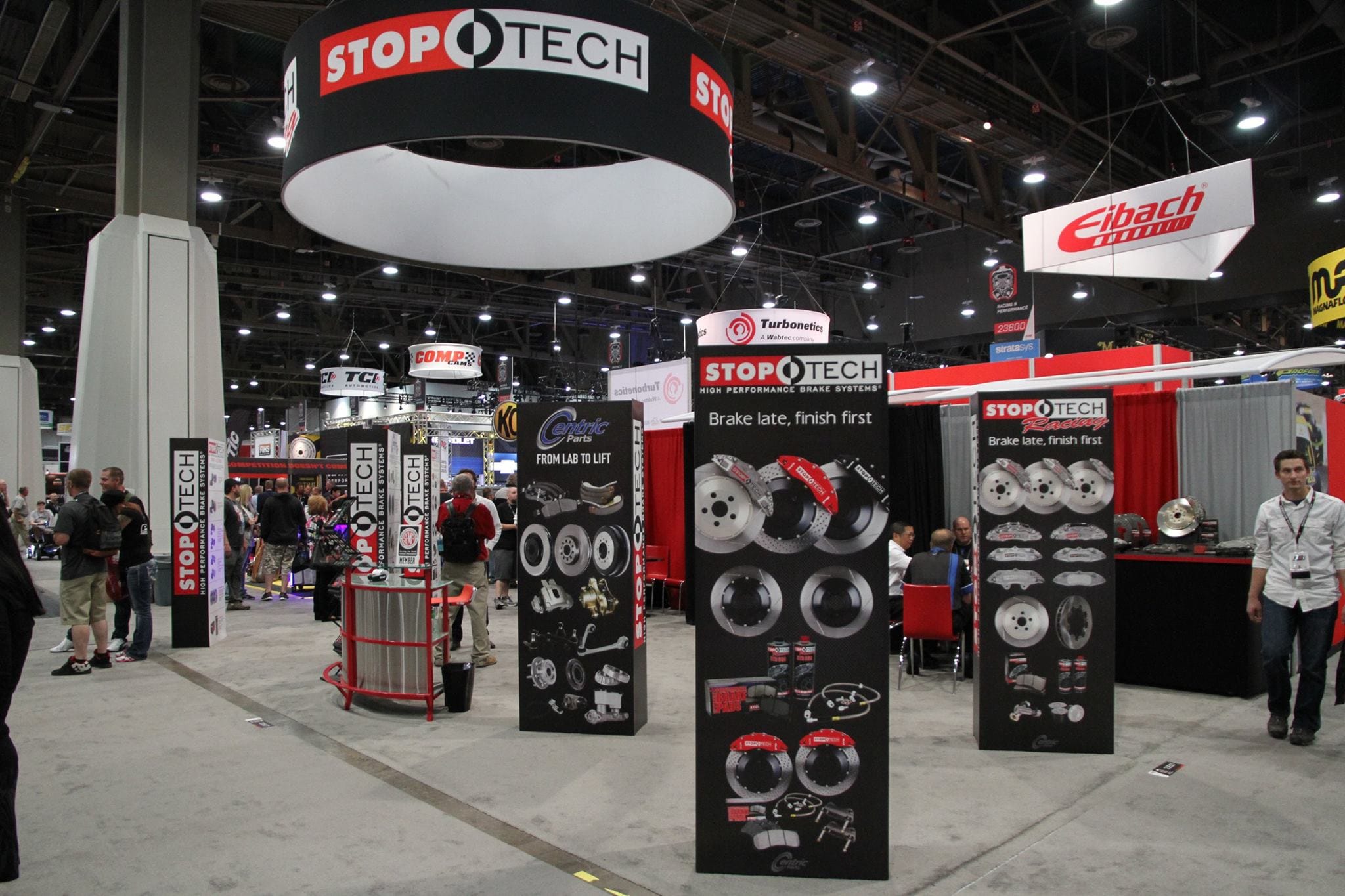
The closure carries symbolic weight beyond individual builds. For over two decades, StopTech represented accessible, engineering driven performance. It bridged the gap between entry level upgrades and ultra premium boutique systems.
Because of that positioning, it earned trust across a wide range of platforms. From Japanese sport compacts to European performance sedans and American muscle cars, its hardware appeared everywhere. Moreover, the brand invested in education, emphasizing brake balance and system integration rather than just rotor size and caliper piston count.
As the news spread, forums and social platforms filled with reactions. Many enthusiasts shared stories of their first big brake upgrade. Others recalled track days where fade free laps built confidence and skill. That emotional response reveals how deeply embedded the brand became in modern car culture.
At the same time, the broader bankruptcy of First Brands Group raises questions about consolidation within the aftermarket. Large corporate ownership structures can provide capital and distribution reach. However, they also introduce financial risk when debt levels climb or restructuring becomes necessary.
Therefore, this moment serves as a reminder. Brand stability matters. Enthusiasts increasingly evaluate not only performance claims but also corporate backing and supply reliability.
A Changing Performance Landscape
The performance industry today looks different than it did twenty five years ago. Electrification is accelerating. Government regulations continue to evolve. Consumer spending patterns fluctuate with economic cycles.
In that environment, niche performance brands must navigate more than just engineering challenges. They must manage global sourcing, compliance, and financial sustainability. Even strong product lines can struggle if corporate balance sheets falter.
Yet, car culture has always adapted. When platforms disappear, new ones rise. When parts become scarce, alternatives emerge. Innovation often follows disruption.
The braking segment will continue to evolve as well. Advances in materials, cooling design, and pad compounds are ongoing. Electric and hybrid performance vehicles may demand new approaches that blend regenerative systems with high capacity mechanical brakes. Consequently, opportunities remain for companies willing to invest and innovate.
Reflecting on a Legacy
While the corporate narrative centers on bankruptcy filings and restructuring plans, enthusiasts remember something different. They remember the confidence that comes from late braking into a corner. They remember firm pedal feel after multiple hot laps. They remember upgrading from stock brakes and feeling a dramatic difference.
StopTech played a role in those memories for thousands of drivers. Even though operations are ending, cars equipped with its components will continue to circulate at meets, track events, and autocross courses across the country.
That presence becomes part of the brand legacy. It is visible, audible, and functional. Every time a car slows confidently from triple digit speeds into a tight braking zone, it reinforces the engineering that once defined the name.
Ultimately, the shutdown is both a loss and a lesson. It highlights the fragility of even respected brands within complex corporate structures. At the same time, it underscores the resilience of the enthusiast community.
The performance aftermarket will move forward. New companies will grow. Existing brands will expand their reach. However, the chapter involving StopTech stands as a significant one in modern automotive culture. Its influence on accessible high performance braking remains part of the foundation upon which future innovation will build.