
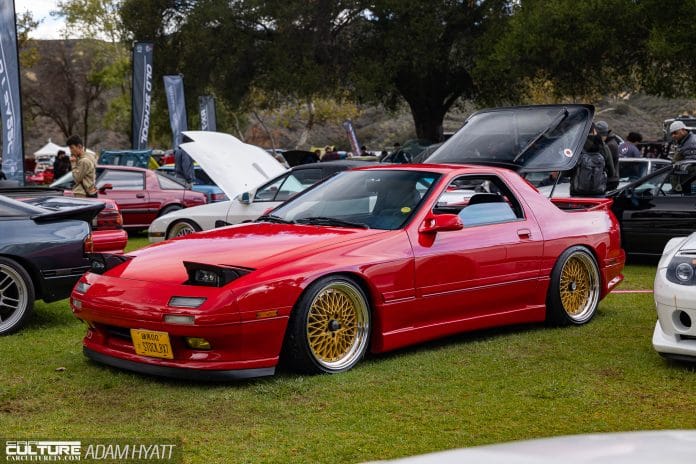
The Evolution of a Rotary Legend
SevenStock 27 returned as a powerful reminder of why the rotary engine continues to command such loyalty and admiration decades after its debut. From the moment attendees arrived, the event felt deeply rooted in history while still pushing forward with modern creativity. As one of the longest running rotary focused gatherings in the world, the show once again delivered an experience that felt both educational and emotional.
From early morning load in to the final conversations late in the afternoon, the energy never faded. Enthusiasts traveled from across the country, and many from overseas, to be part of a community that continues to thrive. Because SevenStock has always stood for more than just car displays, the event felt like a reunion of builders, owners, engineers, and fans who all share a deep appreciation for rotary power.
A Community Built on Passion and Purpose
What truly sets SevenStock apart is the community behind it. Every corner of the event encouraged conversation and connection. Owners proudly shared the stories behind their builds while spectators asked questions and learned firsthand what makes rotary engines so unique.
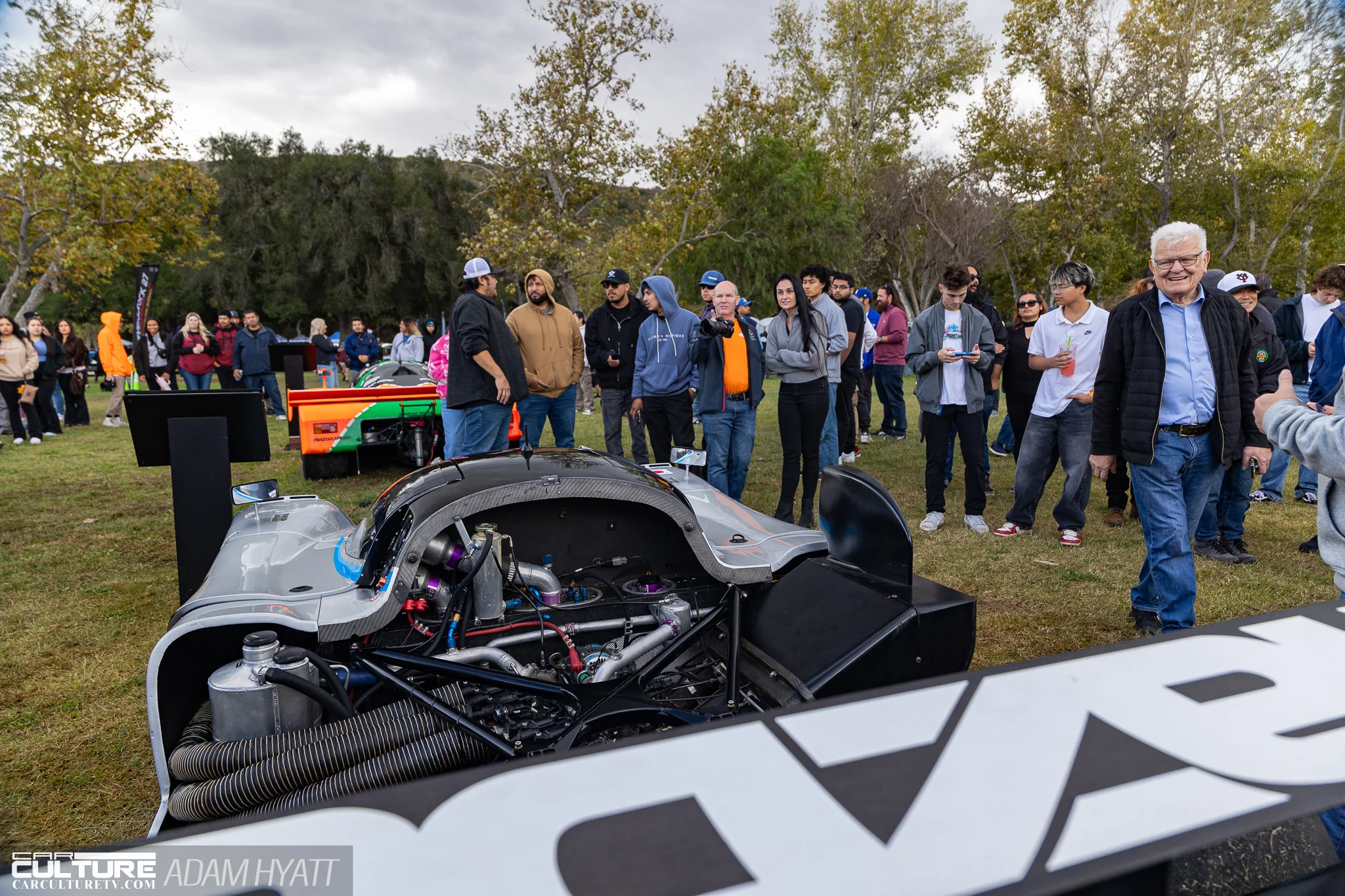
As a result, the showgrounds felt alive with constant movement and interaction. Whether someone was admiring a perfectly preserved vintage Mazda or studying the details of a modern race inspired build, the atmosphere invited curiosity. That openness is what continues to draw new enthusiasts into the rotary world while keeping long time supporters deeply invested.
Rotary Icons That Defined the Experience
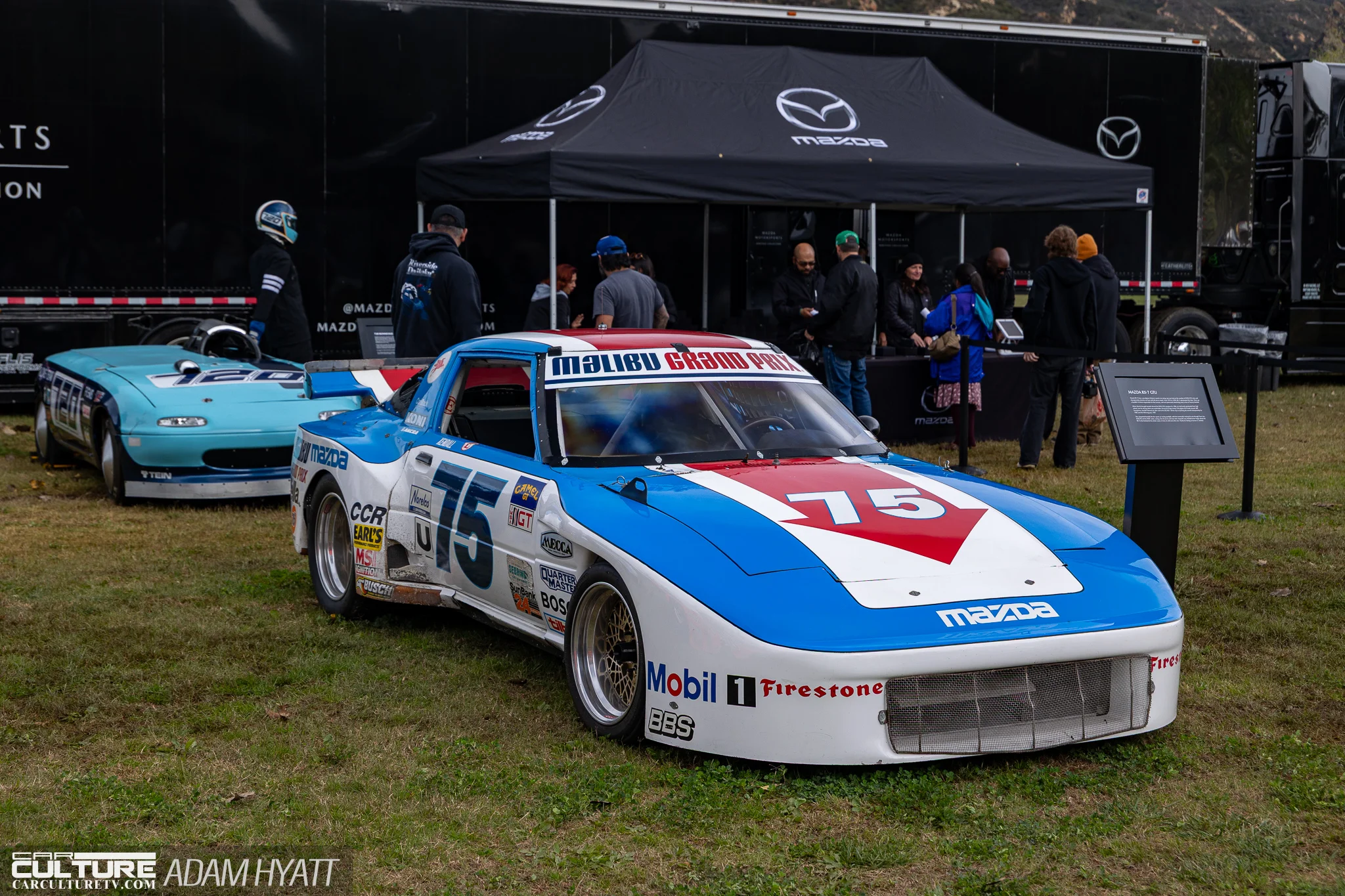
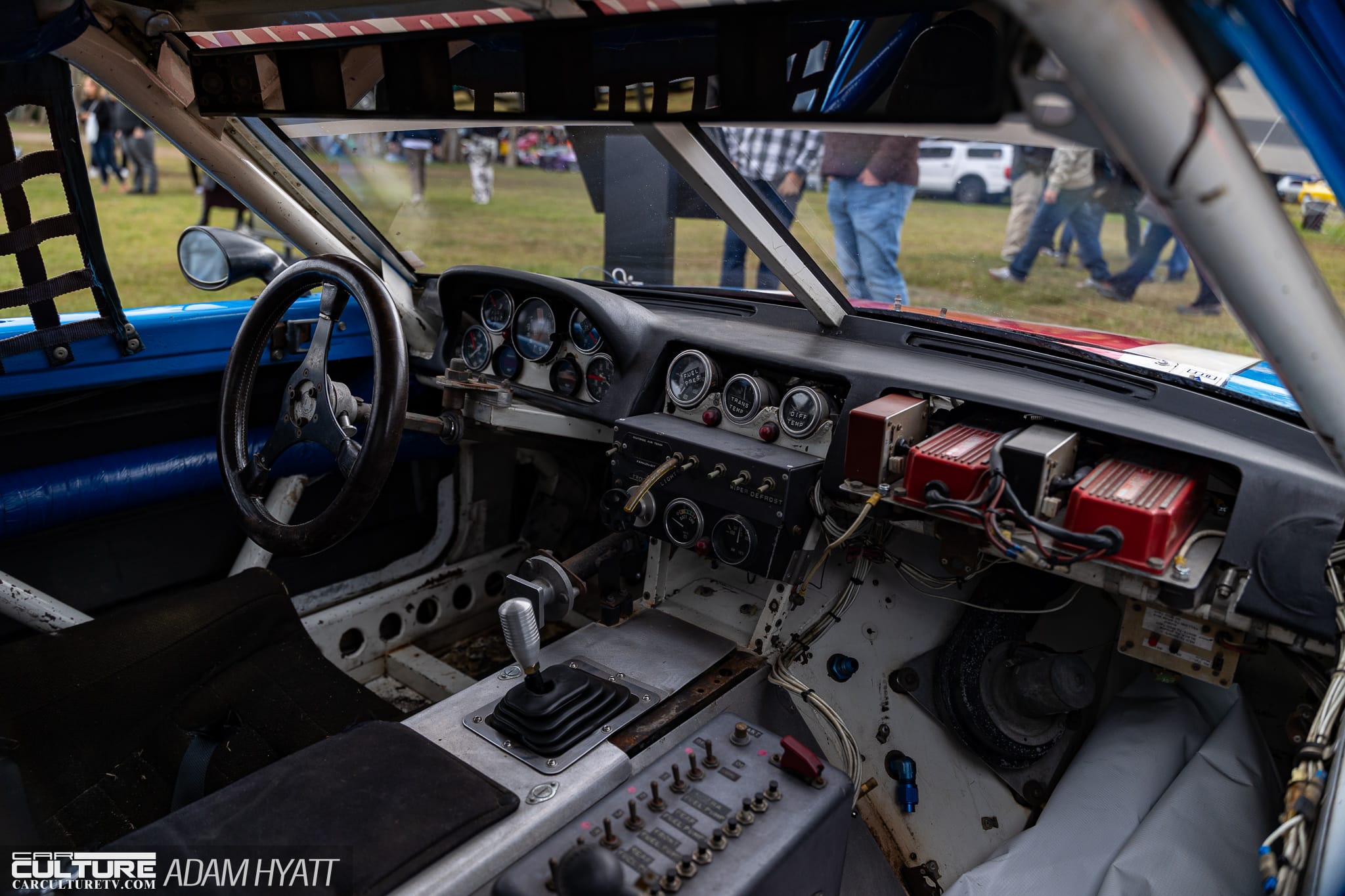
Among the standout displays at SevenStock 2025 were several historically important Mazda race and record setting machines that reminded attendees just how deep the brand’s motorsports legacy runs. One of the most compelling was the Mazda RX7 GTU, a car that symbolizes Mazda’s dominance in IMSA GTU competition throughout the late seventies and eighties. With championship victories stacking up year after year, the RX7 GTU proved that rotary power could not only compete but dominate.
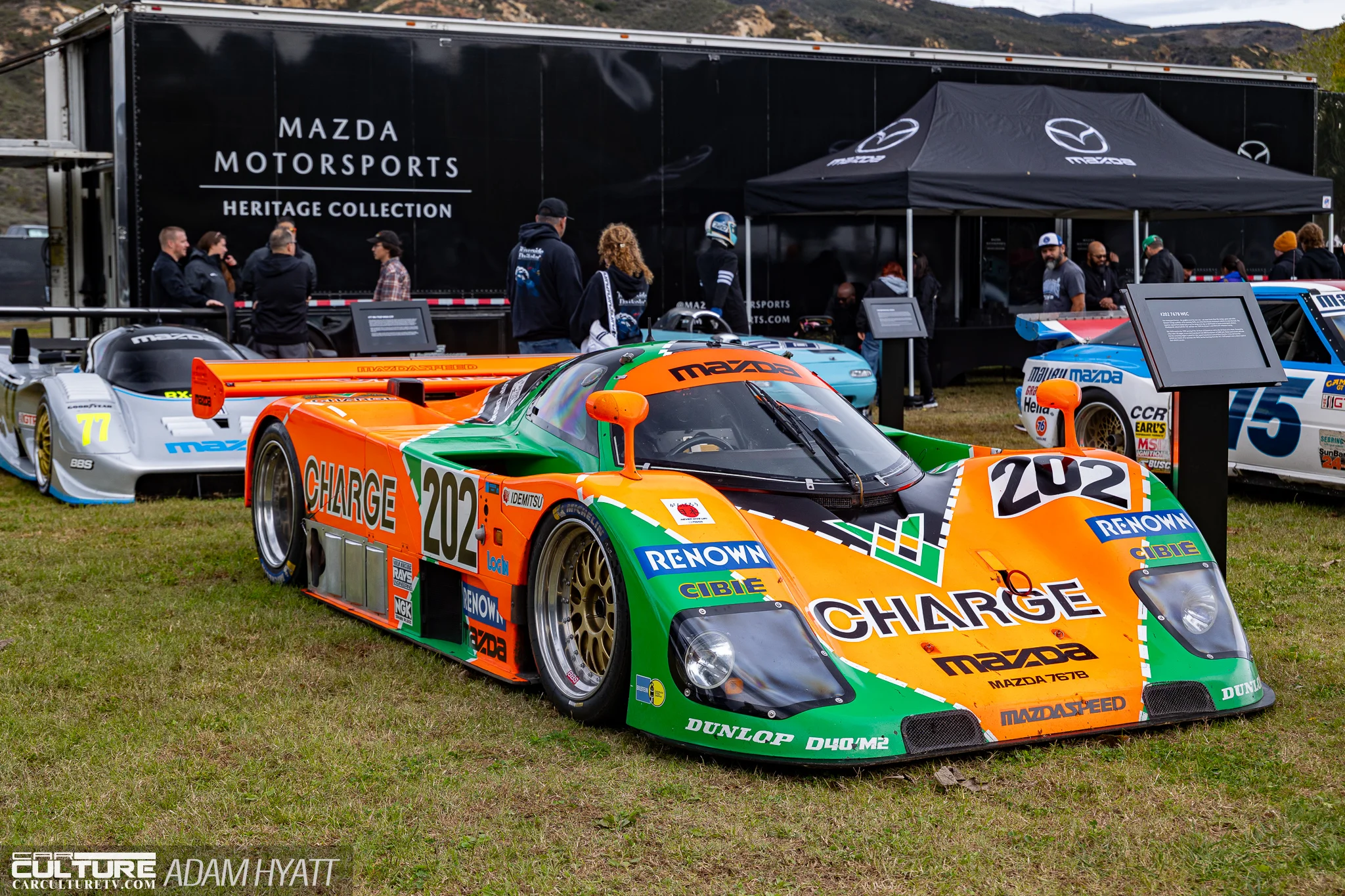
That legacy was further amplified by the presence of the #202 767B WEC, wearing the instantly recognizable orange green and white livery that became synonymous with Mazda endurance racing. Built for Group C and IMSA GTP competition, the 767B represented a critical evolution in Mazda’s in house motorsports engineering and helped pave the way for future rotary success on the world stage.
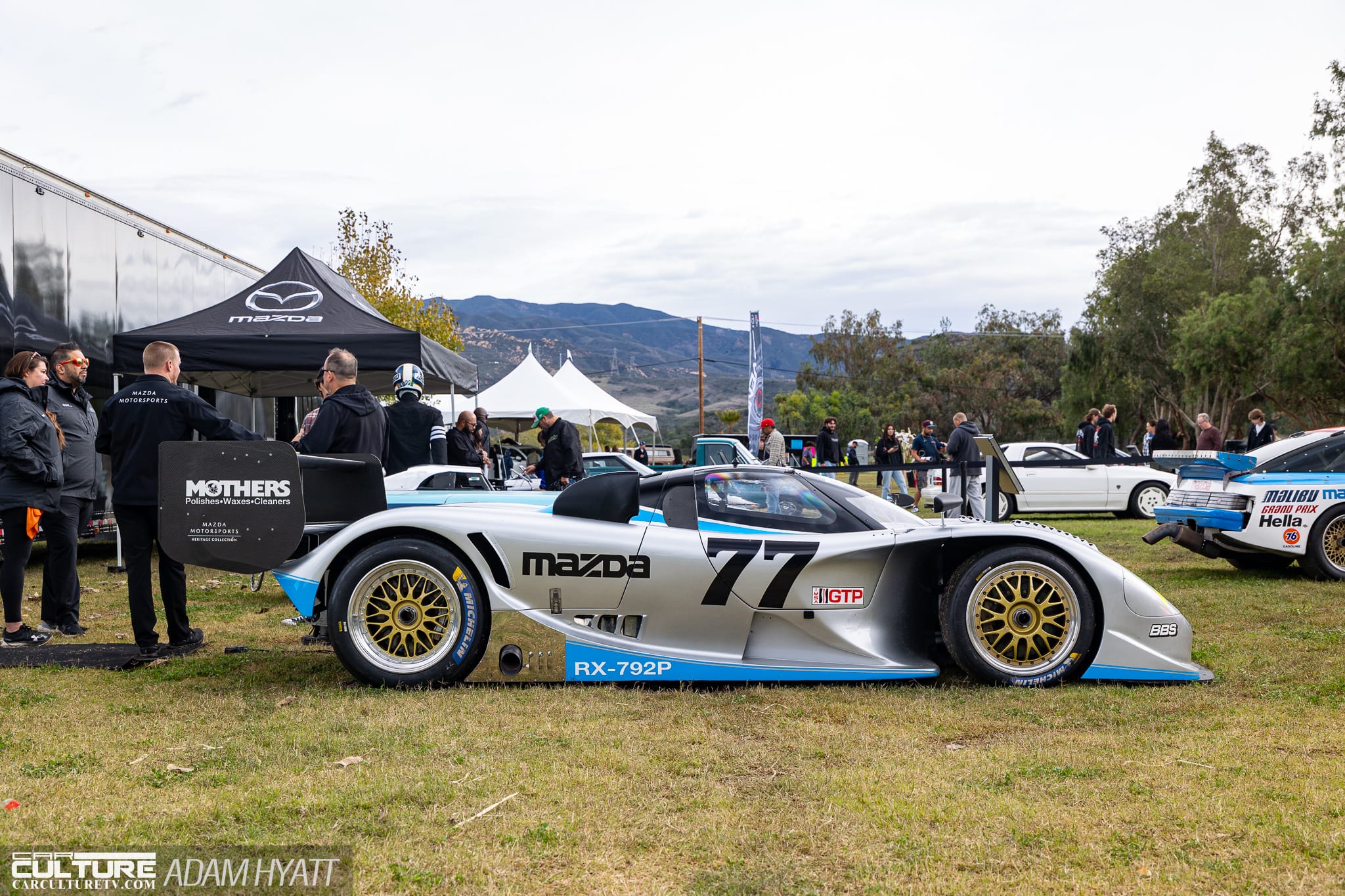
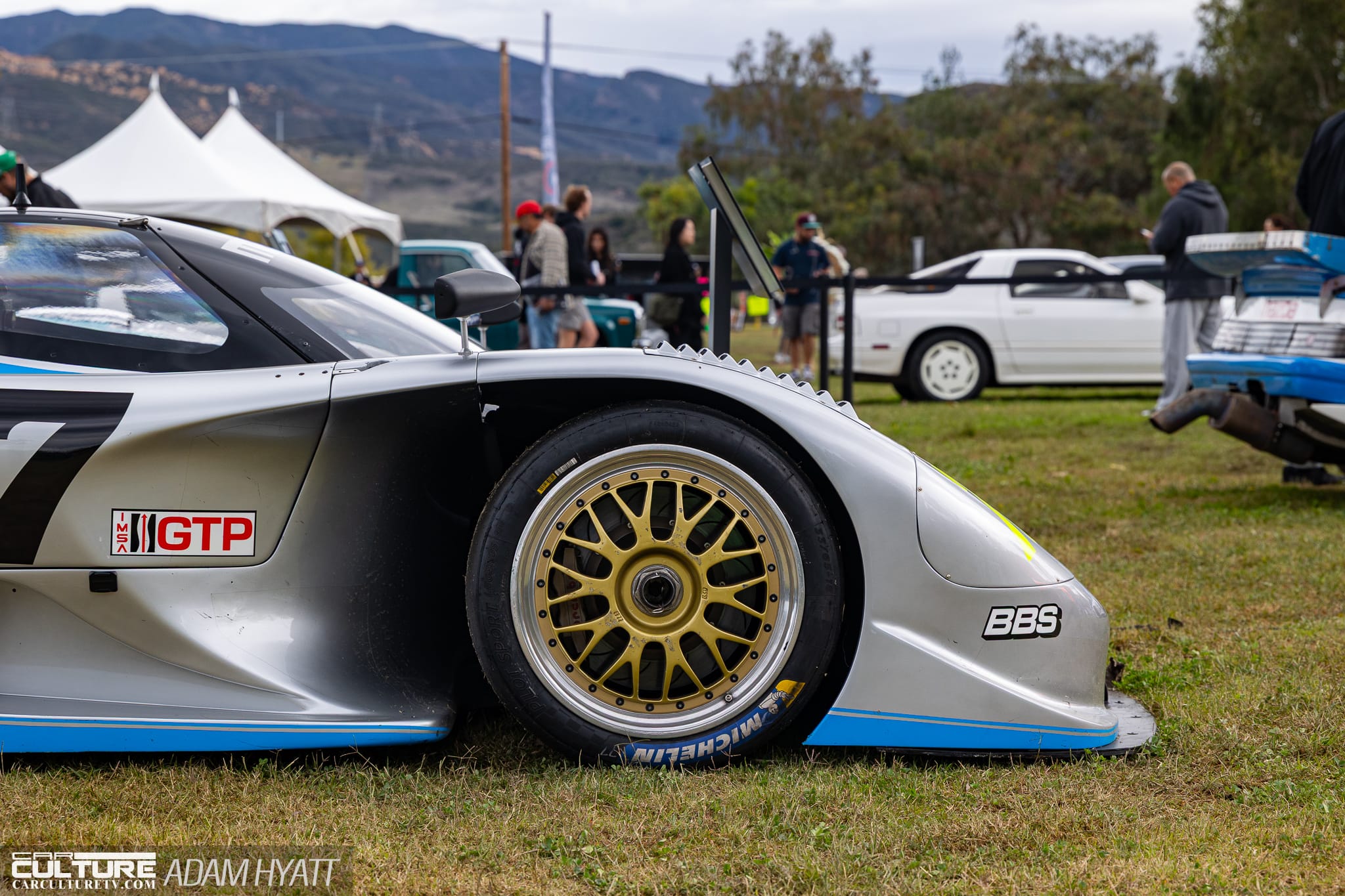
Equally significant was the #77 RX792P IMSA GTP prototype, developed following Mazda’s historic Le Mans victory and designed to meet changing regulations while still extracting massive performance from the R26B rotary engine. This prototype marked an important chapter in Mazda’s continued pursuit of prototype racing excellence.

Completing this remarkable group was the 720 Bonneville Miata, a radically transformed MX5 chassis built to chase land speed records on the salt flats. Powered by a rotary engine and engineered with a singular purpose, the car achieved an impressive top speed of over 174 miles per hour and now stands as a tribute to innovation dedication and the enduring rotary spirit. Together, these machines told a powerful story of experimentation resilience and performance that continues to define the soul of SevenStock.

A Diverse Lineup That Showcased Rotary Creativity
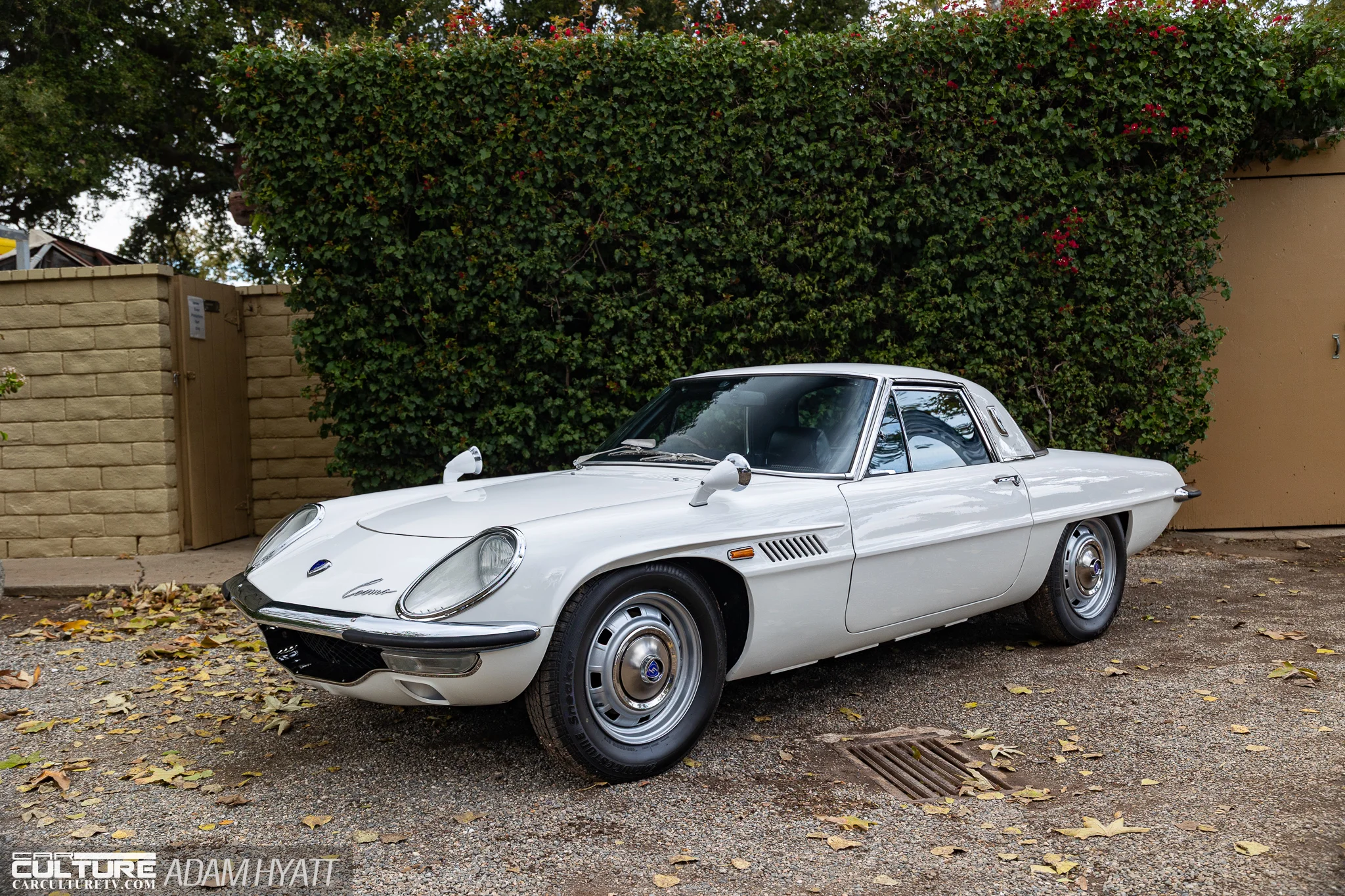
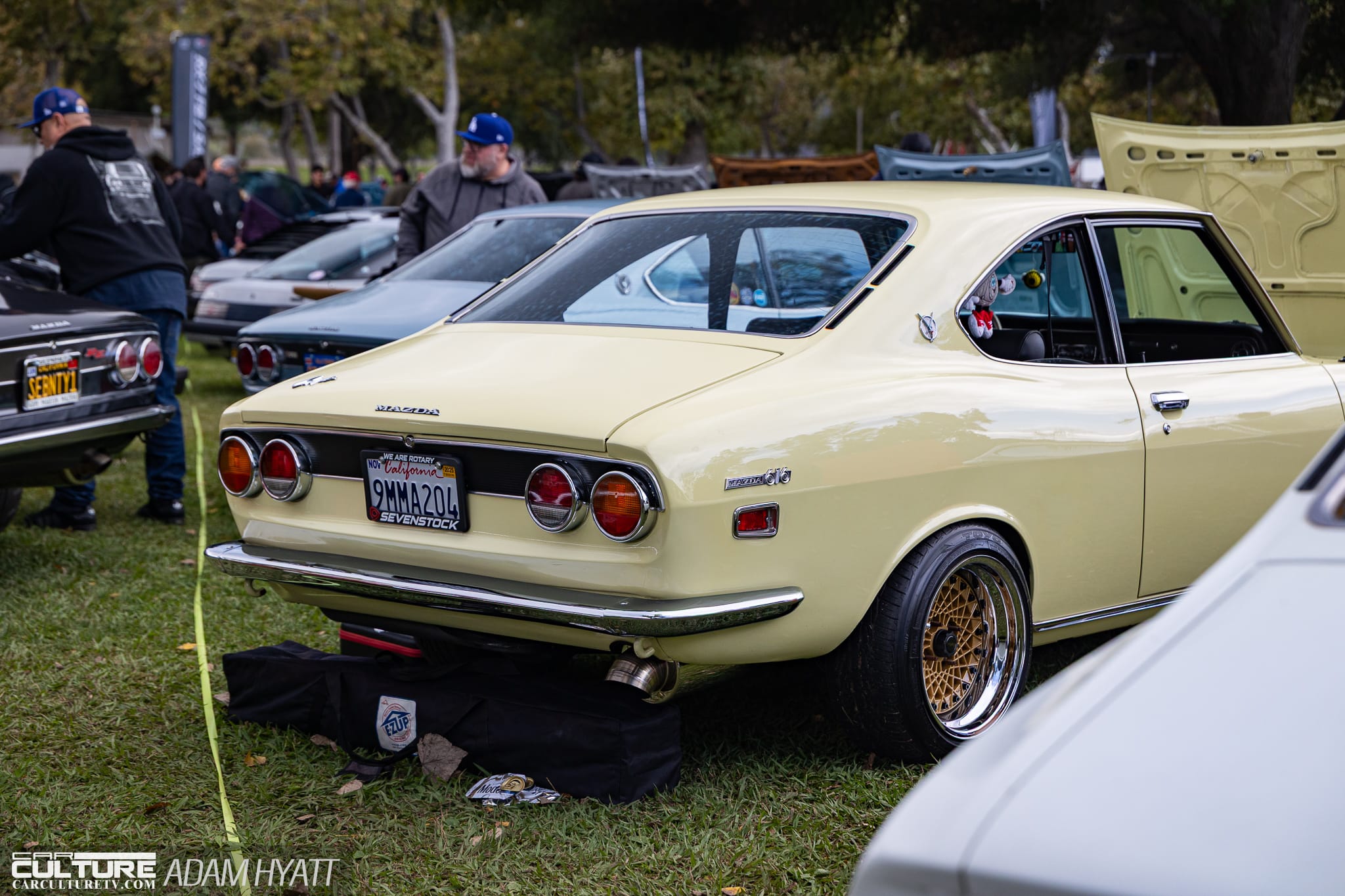
Beyond the headline cars, SevenStock featured one of the most diverse rotary lineups in recent memory. Classic models like the Cosmo, RX-2, RX-3, RX-4, RX-7, RX-8, and the often overlooked 616 stood proudly alongside each other, illustrating the full timeline of Mazda rotary development. Each generation carried its own design language and engineering philosophy, giving attendees a rare opportunity to see that evolution in one place.
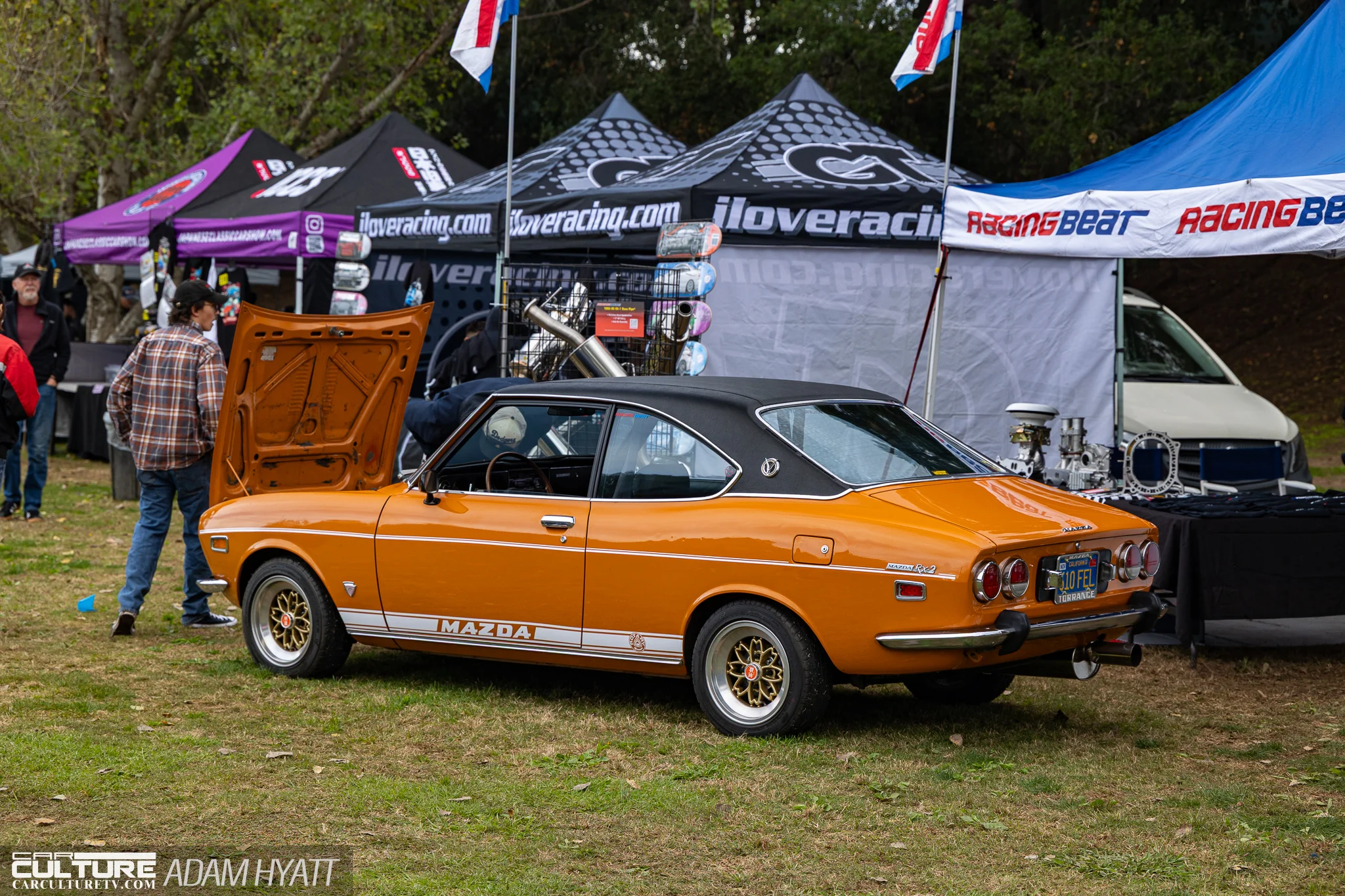
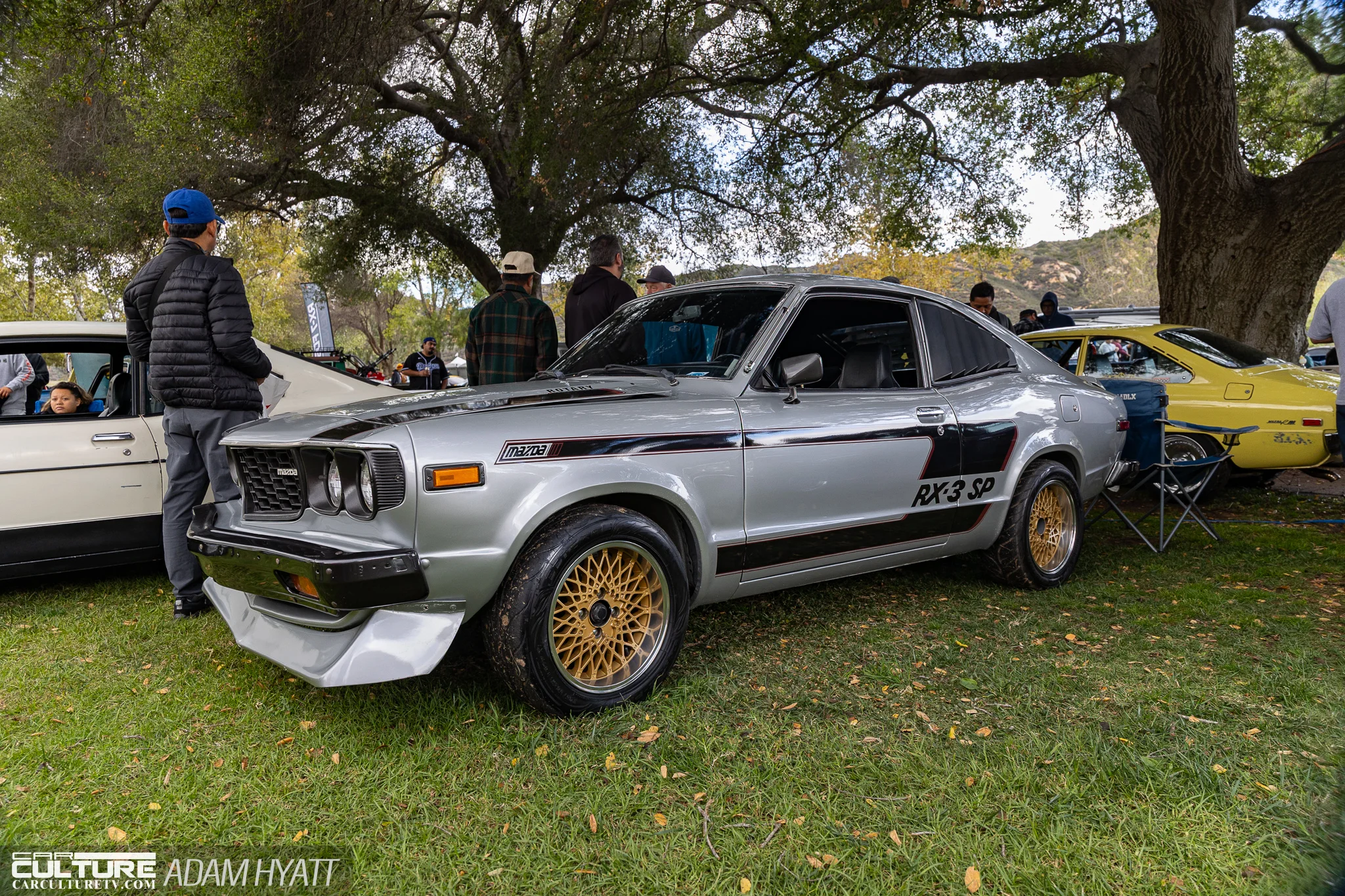
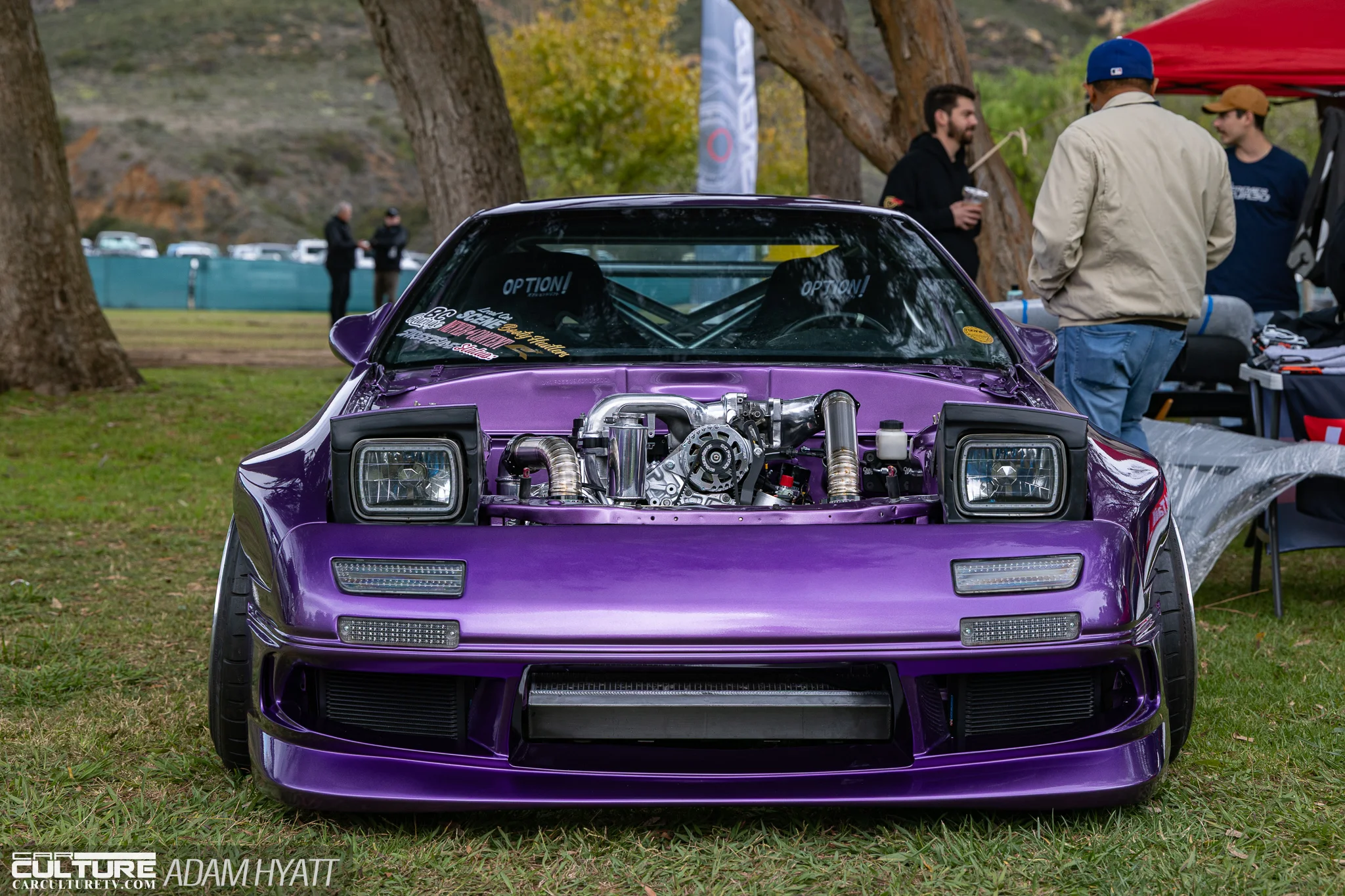
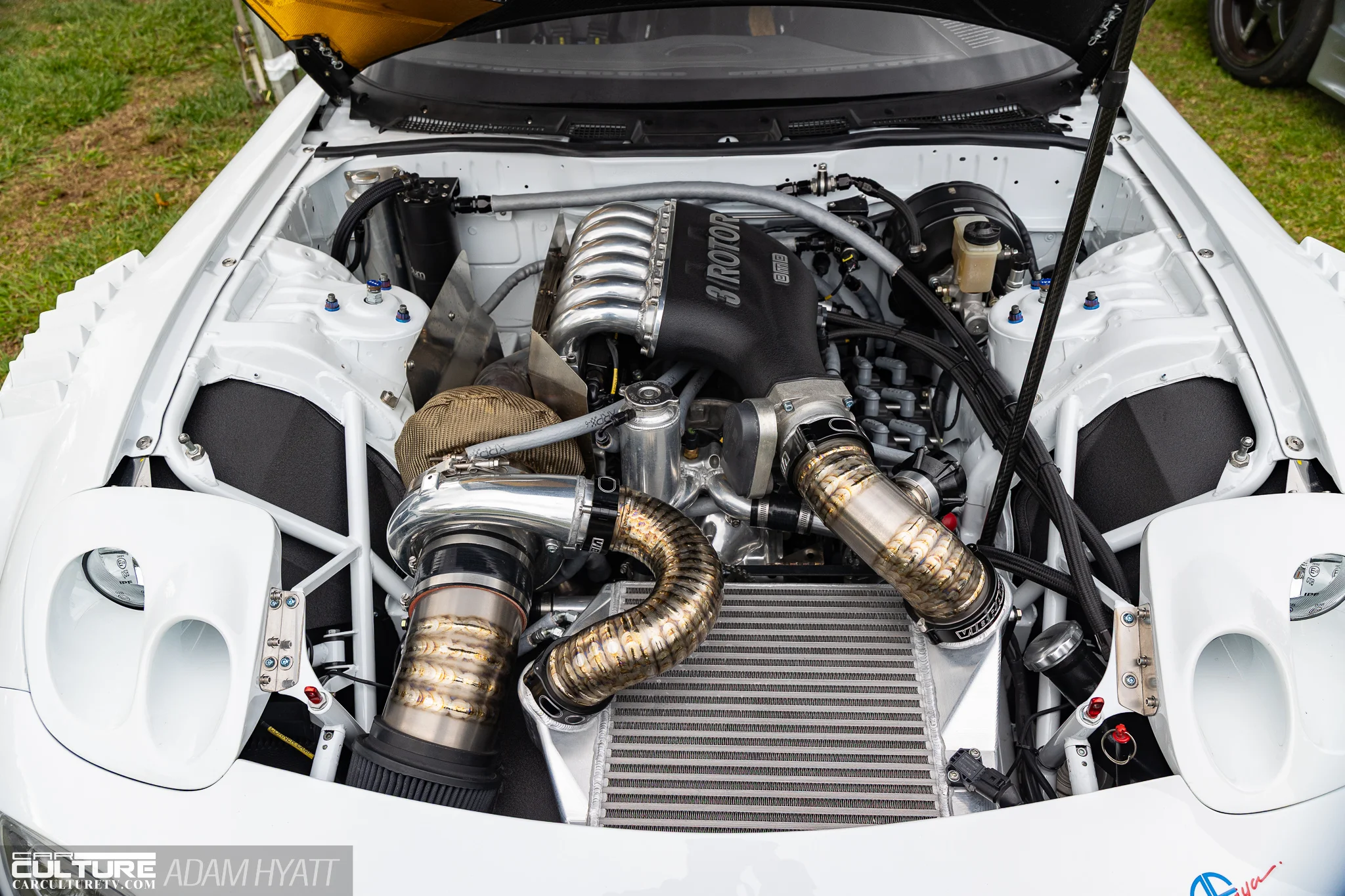
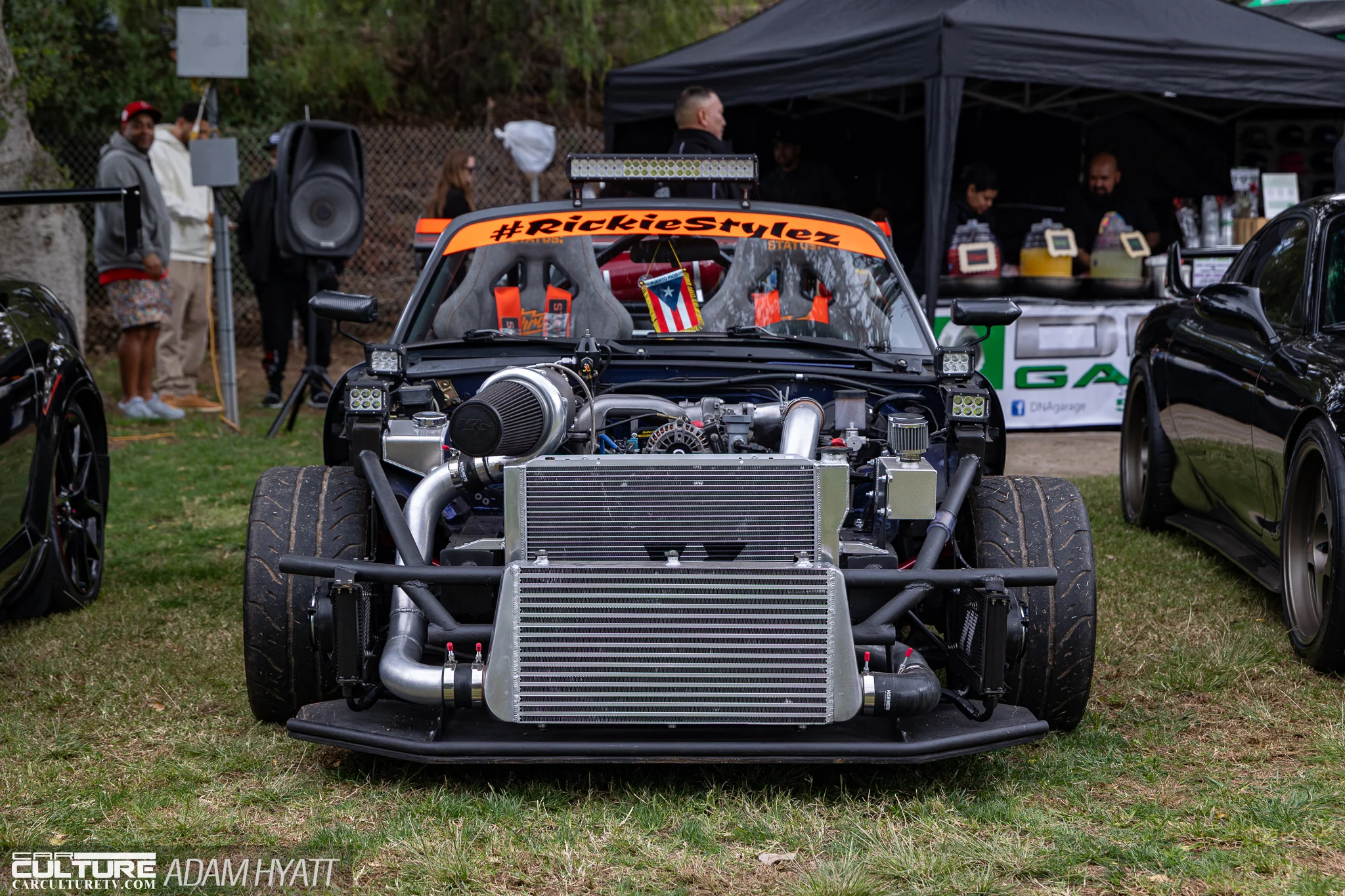
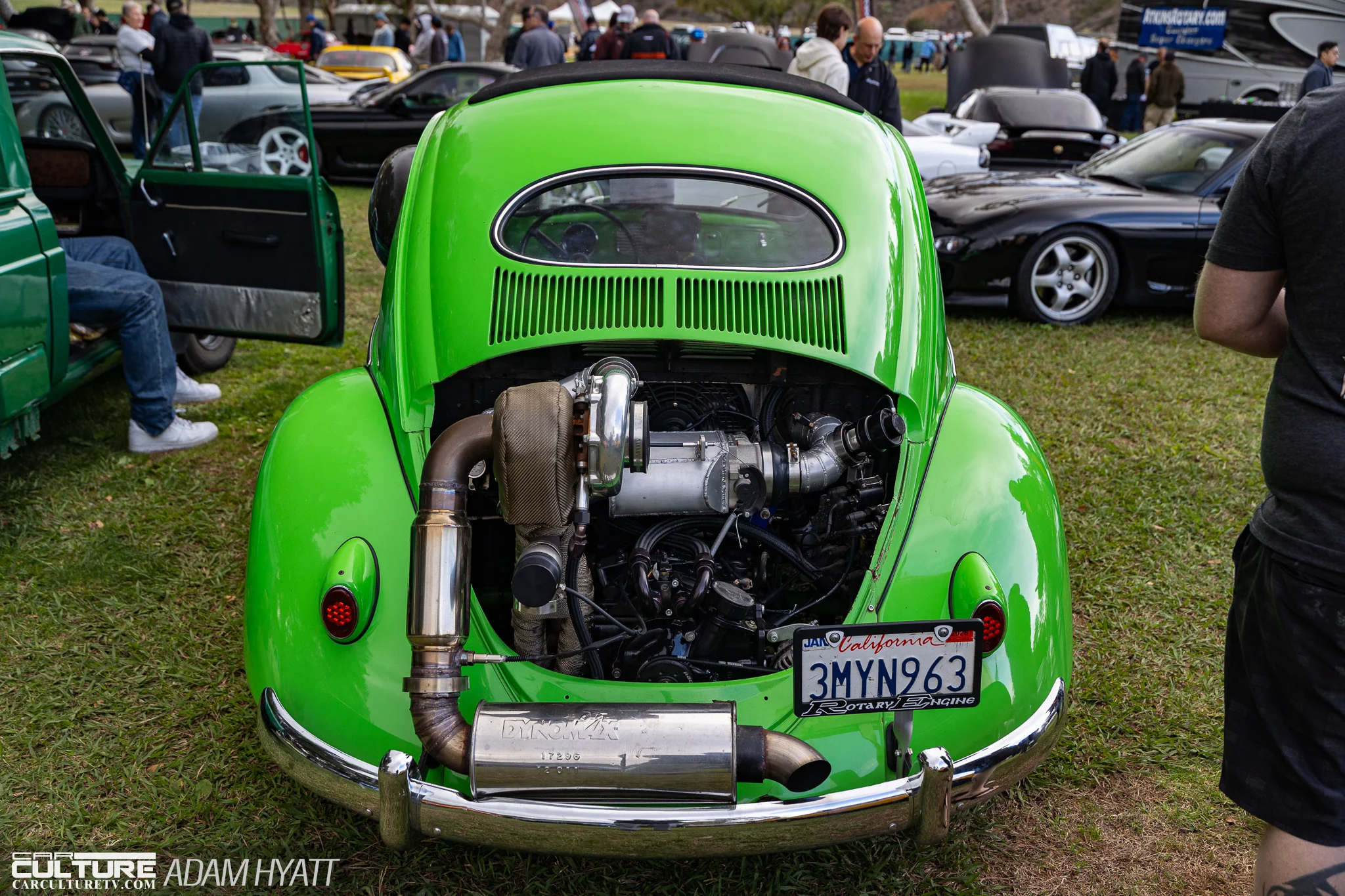
Creativity also played a major role throughout the show. A rotary swapped Volkswagen Beetle drew constant attention for its unexpected combination, while a rotary powered Datsun 1300 showcased the versatility of the platform outside of Mazda chassis. Several REPU trucks added a nostalgic and functional presence, reminding everyone that rotary power once found its way into workhorse applications as well.
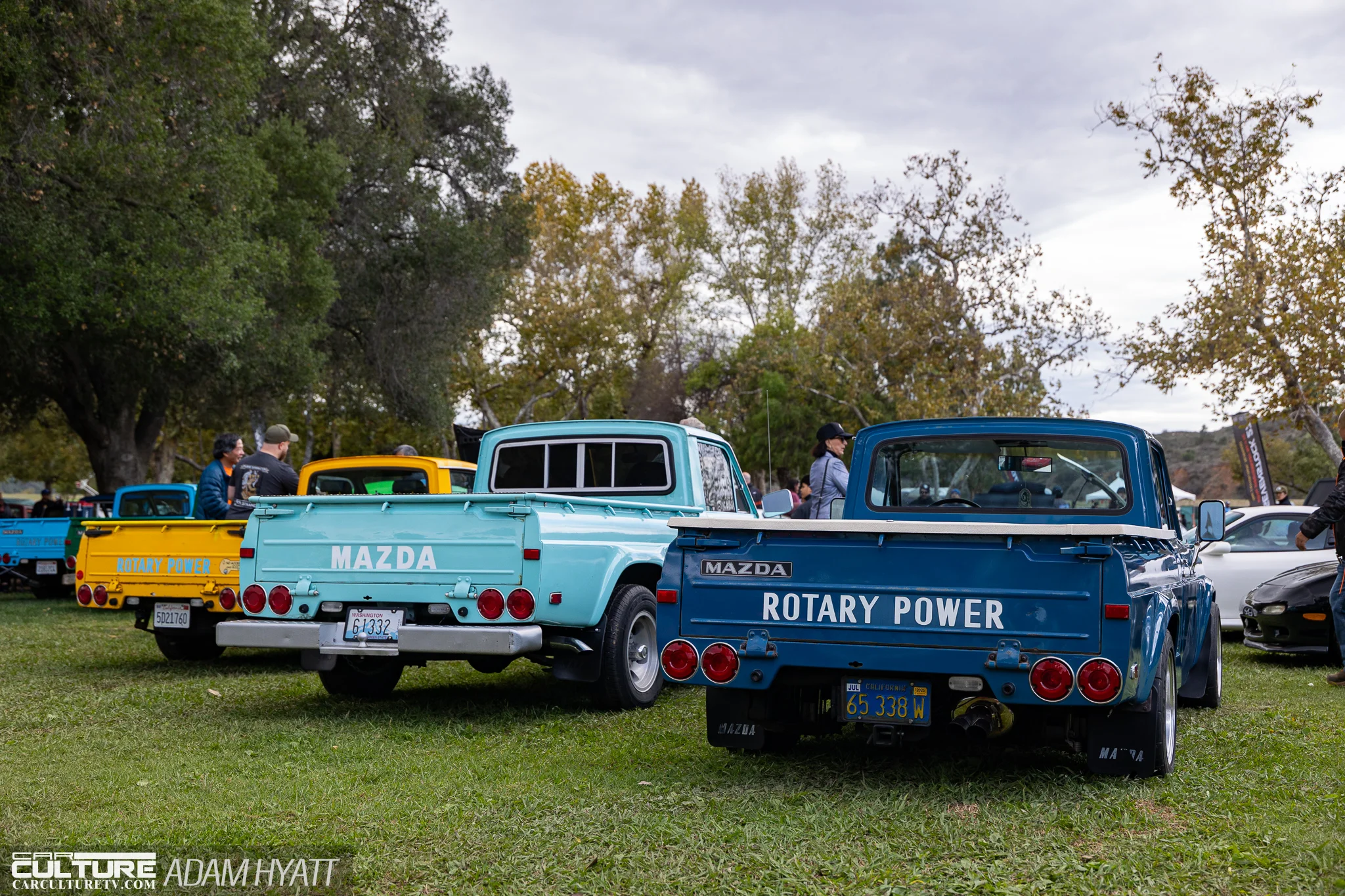
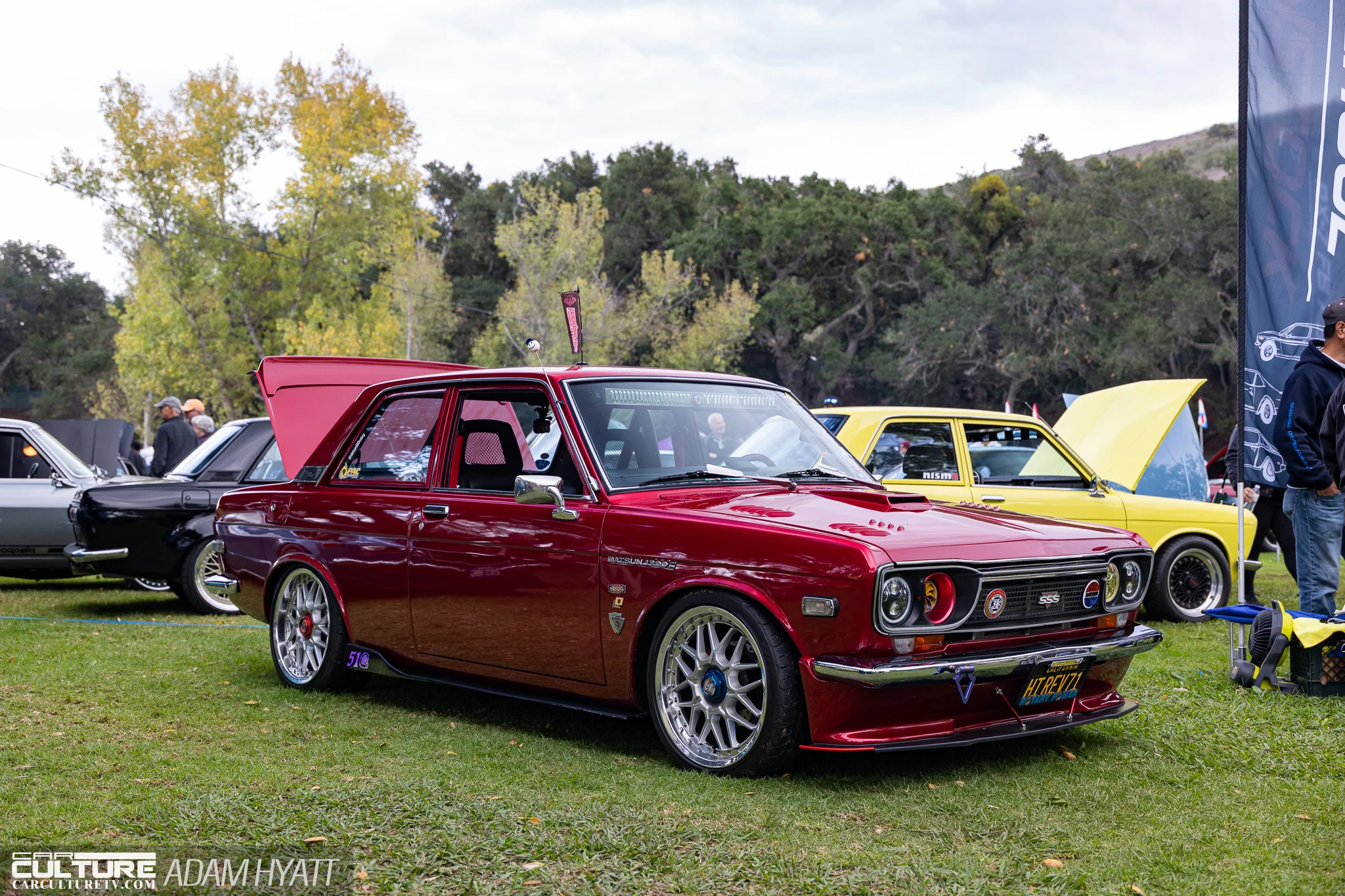
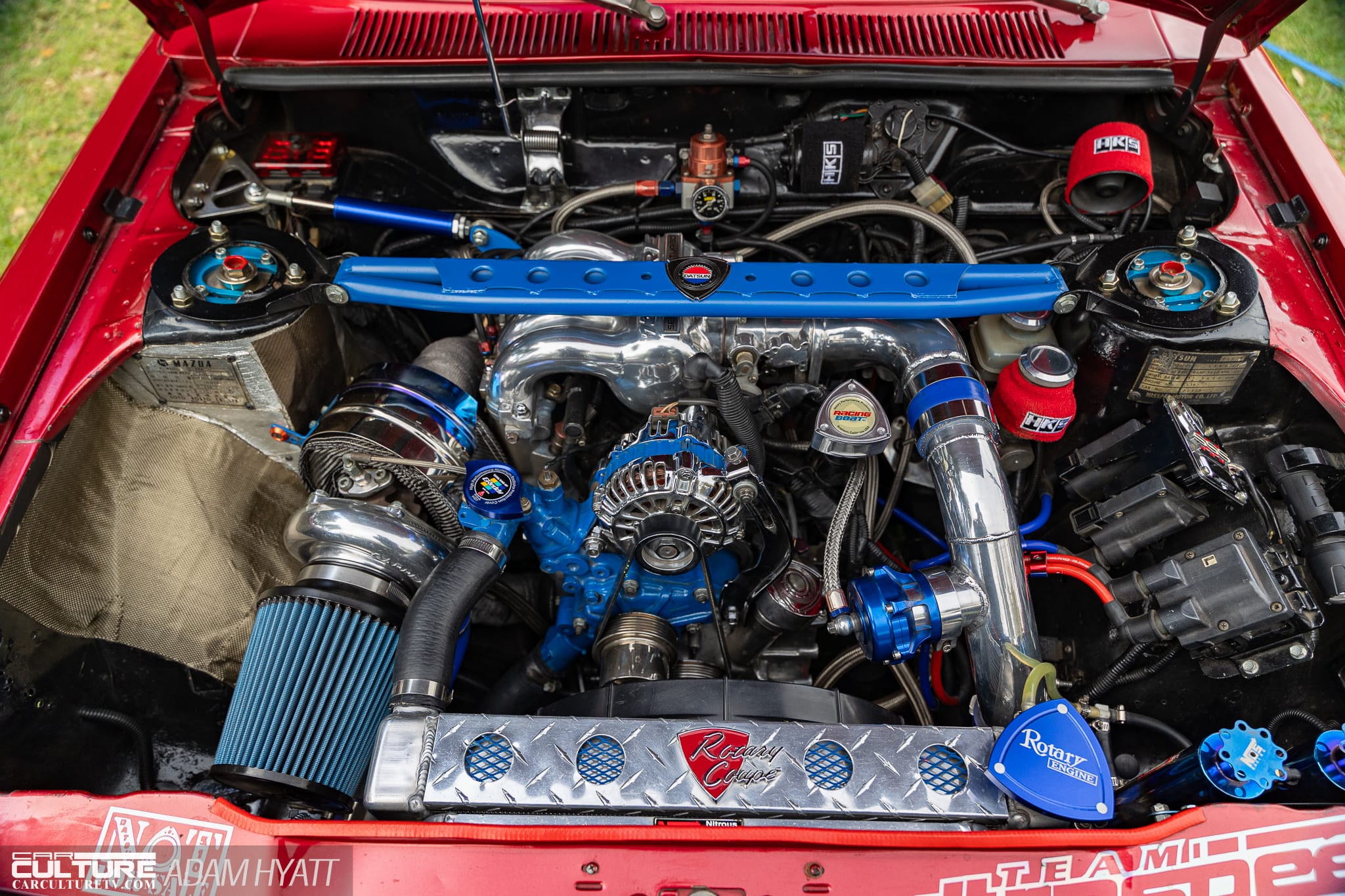
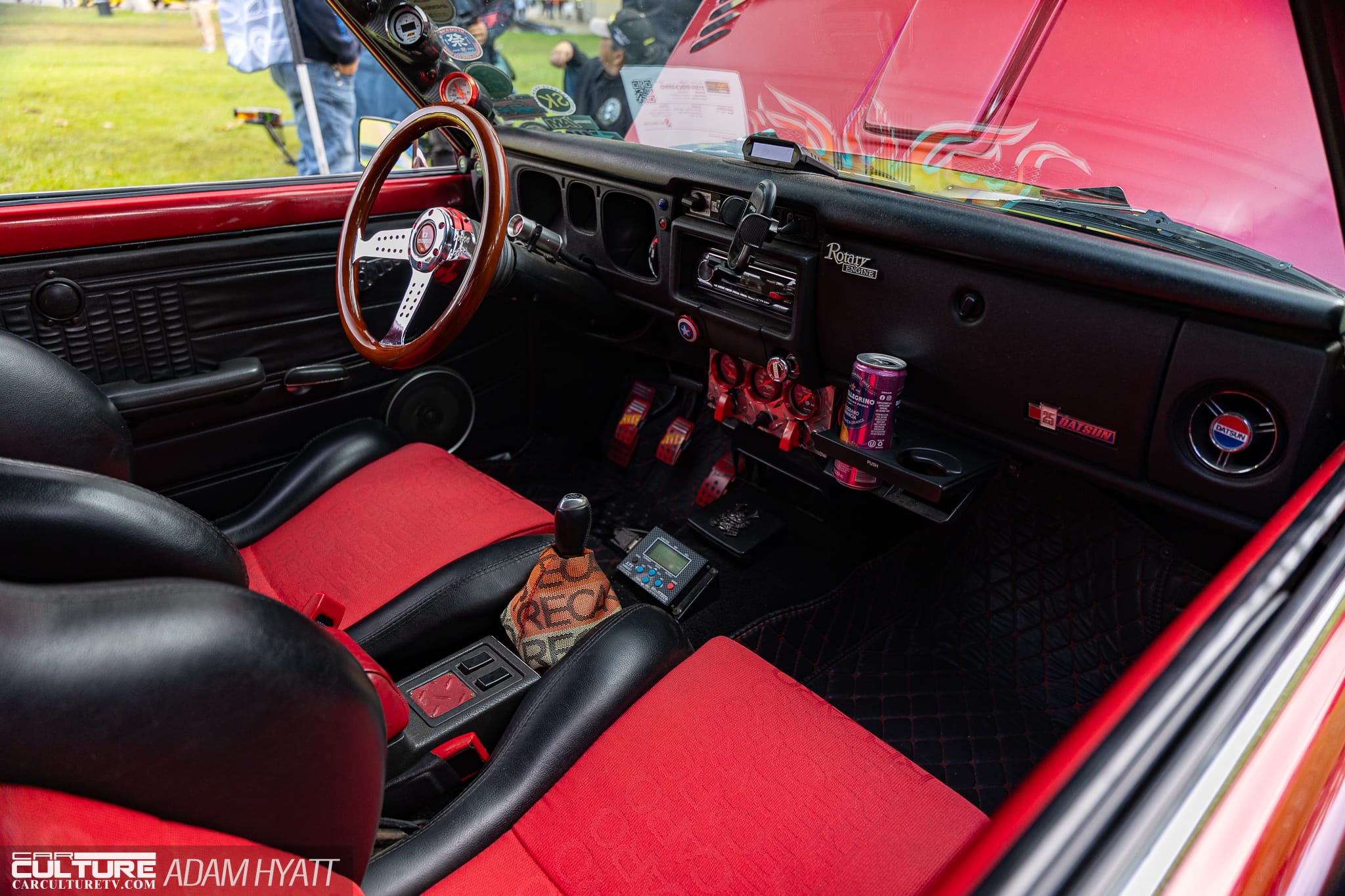
Wagons were another crowd favorite, blending practicality with performance in a way that felt uniquely rotary. One particularly talked about build was an RX8 featuring a 2JZ engine swap, which sparked conversation across generations of enthusiasts and highlighted how the event welcomes experimentation alongside tradition.


Vendors Builders and the Backbone of the Culture
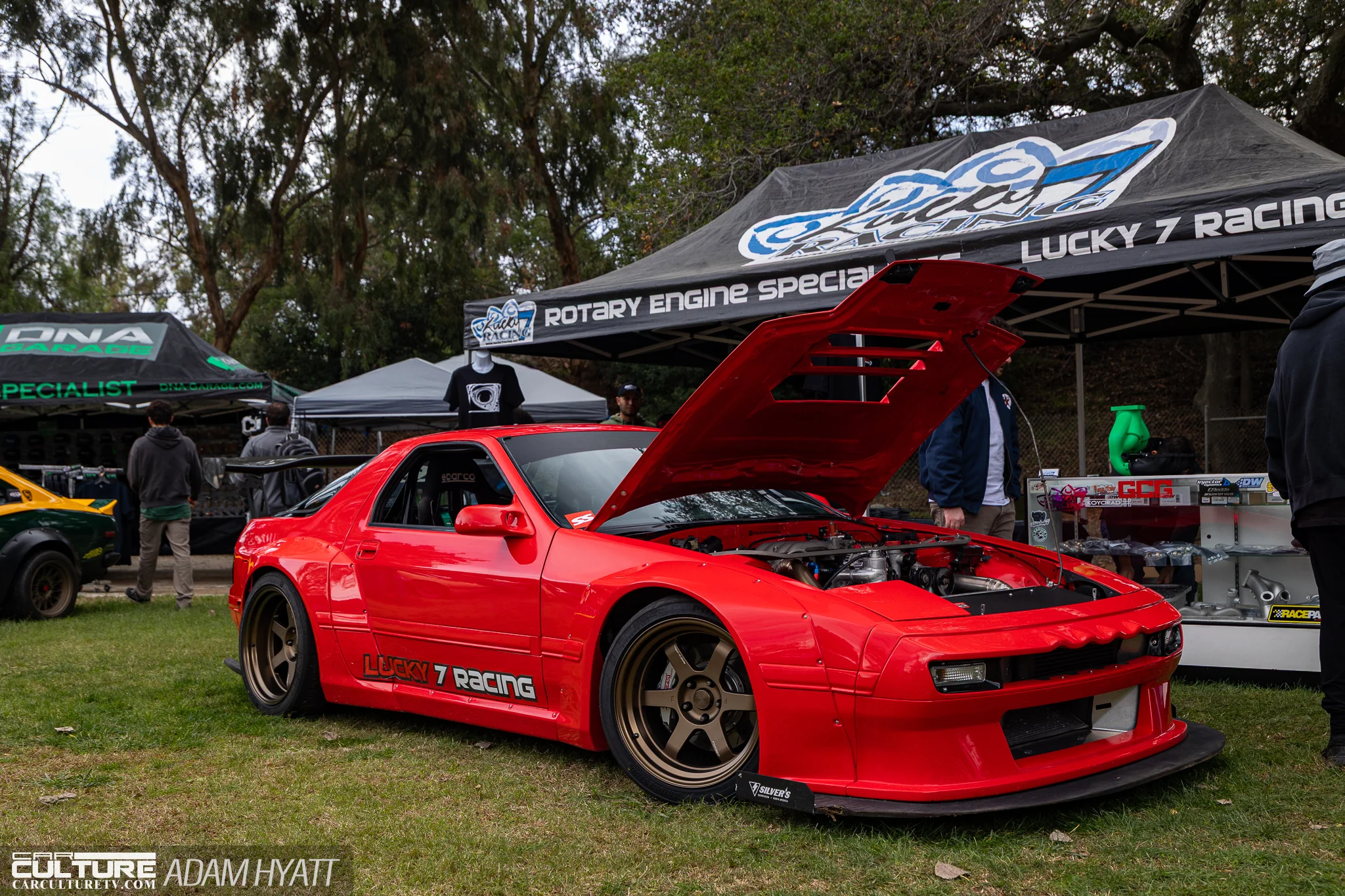
SevenStock 2025 was also strengthened by a strong vendor and partner presence that reinforced the health of the rotary ecosystem. Mazda Motorsports played a key role in connecting the past and future, while Lucky 7 Racing and Official DNA Garage brought deep technical expertise and community engagement to the event.
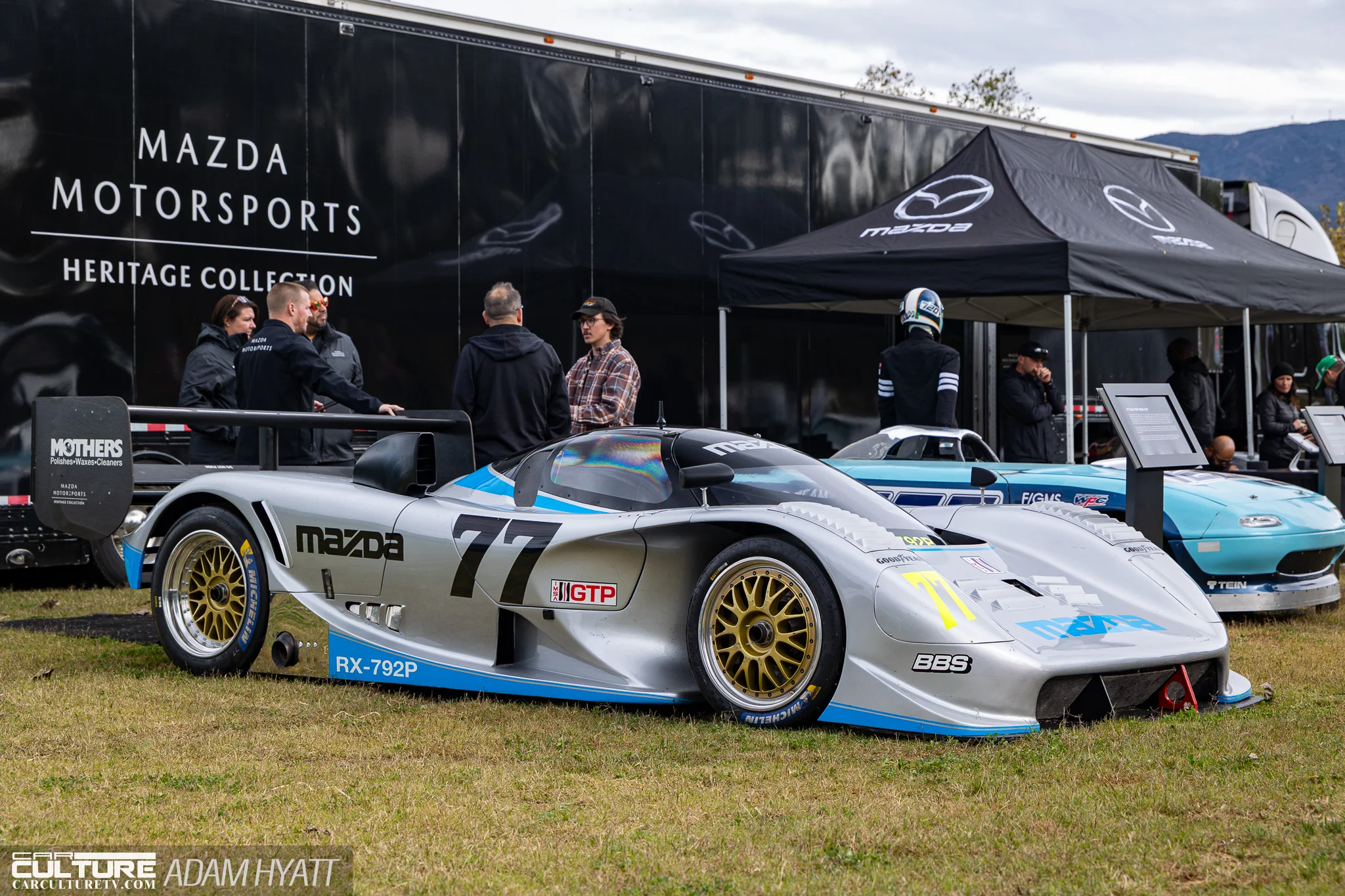

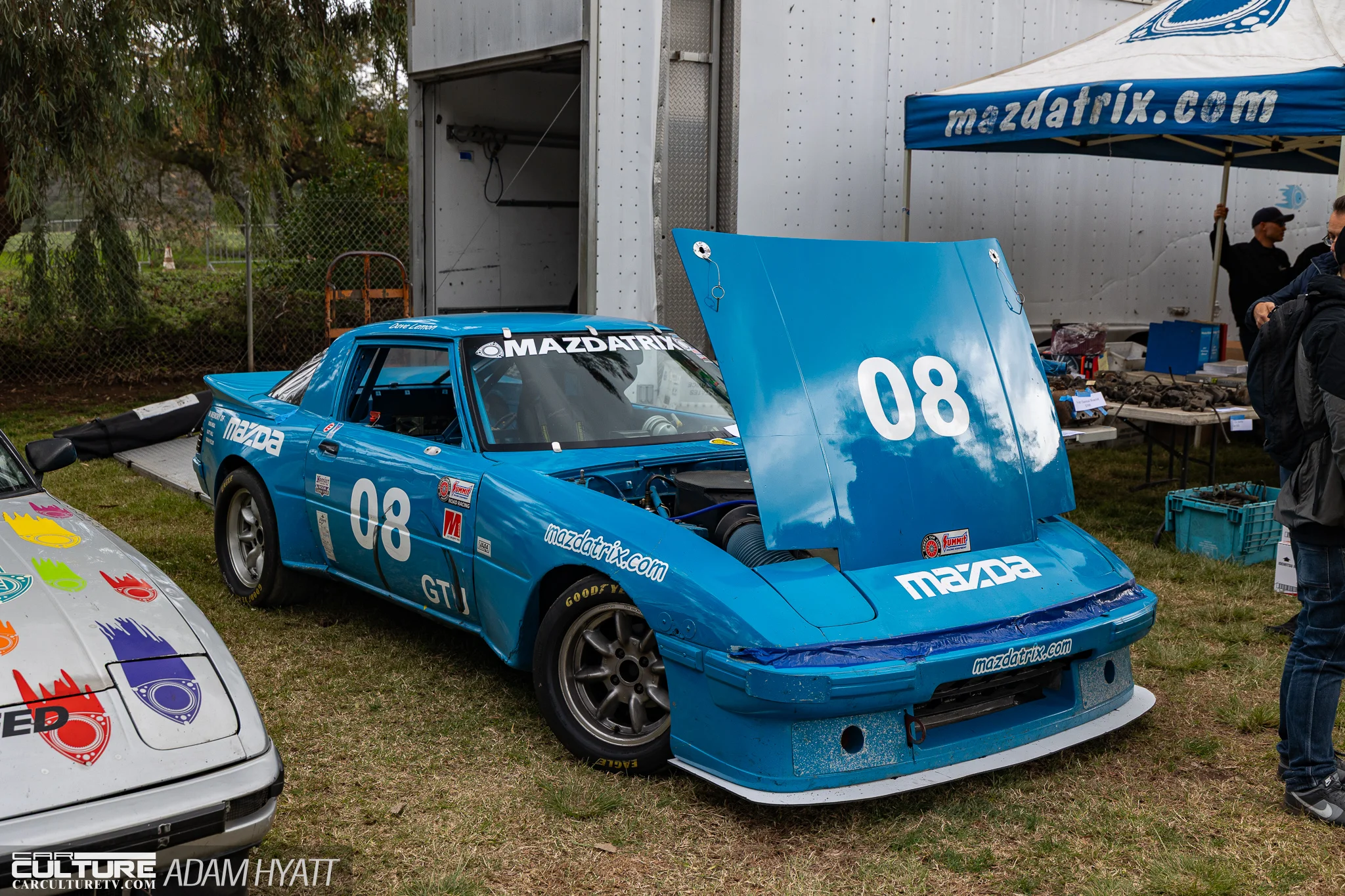
Mazda Trix stood out with their championship pedigree, displaying their 2024 and 2025 GTU class VARA championship cars. These builds served as proof that rotary engines continue to succeed in competitive racing environments when paired with modern development and relentless refinement.
Because of these vendors and builders, attendees gained insight not only into finished cars but also into the process behind them. That educational element continues to be one of the event’s strongest attributes.
Why SevenStock 27 Mattered
As the day came to a close, SevenStock 27 left a lasting impression on everyone in attendance. The event successfully honored rotary history while encouraging innovation and inclusivity. It brought together legendary race cars experimental builds and passionate people under a shared appreciation for engineering creativity.
Most importantly, it reaffirmed that the rotary community remains vibrant and forward thinking. By blending heritage with experimentation, SevenStock 2025 proved that the rotary story is far from finished. Instead, it continues to evolve, powered by the same curiosity and dedication that started it all.
Full Gallery Below.


