
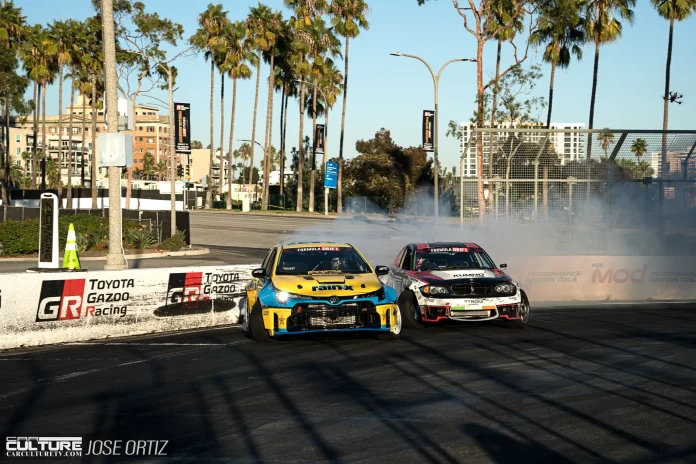
Formula Drift has announced sweeping competition format changes for the 2026 season, marking one of the most significant structural evolutions in the series’ two decade history. In partnership with Race Data Labs, the championship is introducing a revamped judging and data integration system designed to increase transparency, consistency, and competitive intensity across every round.
The move signals a clear shift toward a more data driven era of professional drifting. While style and aggression will always define the sport, measurable performance metrics are about to carry more weight than ever before.
A New Era of Data Integration
For years, Formula Drift has balanced subjective judging criteria with clearly defined performance zones. However, the 2026 format aims to strengthen that framework by integrating advanced telemetry and timing analytics directly into competition scoring.
Through its collaboration with Race Data Labs, the series will incorporate enhanced real time vehicle data into the judging process. This includes more precise speed tracking, angle measurement, and line accuracy verification. As a result, both drivers and fans will gain clearer insight into how scores are calculated.
Importantly, this does not eliminate the human element. Judges will still evaluate commitment, fluidity, and style. However, the additional data layer is expected to reduce gray areas in close calls, particularly during high pressure tandem battles.
In other words, the sport is evolving without losing its soul.
Format Adjustments for Competitive Balance
Beyond data integration, the 2026 changes also address overall event flow and competitive structure.
The updated format refines how qualifying performance translates into the main competition bracket. While the traditional head to head elimination rounds remain central, seeding and scoring methodology will reflect more comprehensive performance metrics gathered during qualifying.
This adjustment aims to reward consistency across an entire event weekend rather than isolated standout moments. Drivers who demonstrate precision, control, and adaptability from practice through finals should see measurable benefits.
Furthermore, the series has emphasized improving show pacing. Events are expected to run more efficiently, creating tighter competition windows and heightened intensity for live audiences and broadcast viewers.
For fans watching at home, clearer data overlays and scoring explanations are expected to enhance the viewing experience. Drifting has long struggled with mainstream comprehension compared to traditional circuit racing. Therefore, this technological step may help bridge that gap.
Increased Transparency for Drivers and Teams
One of the most notable themes in the announcement is transparency.
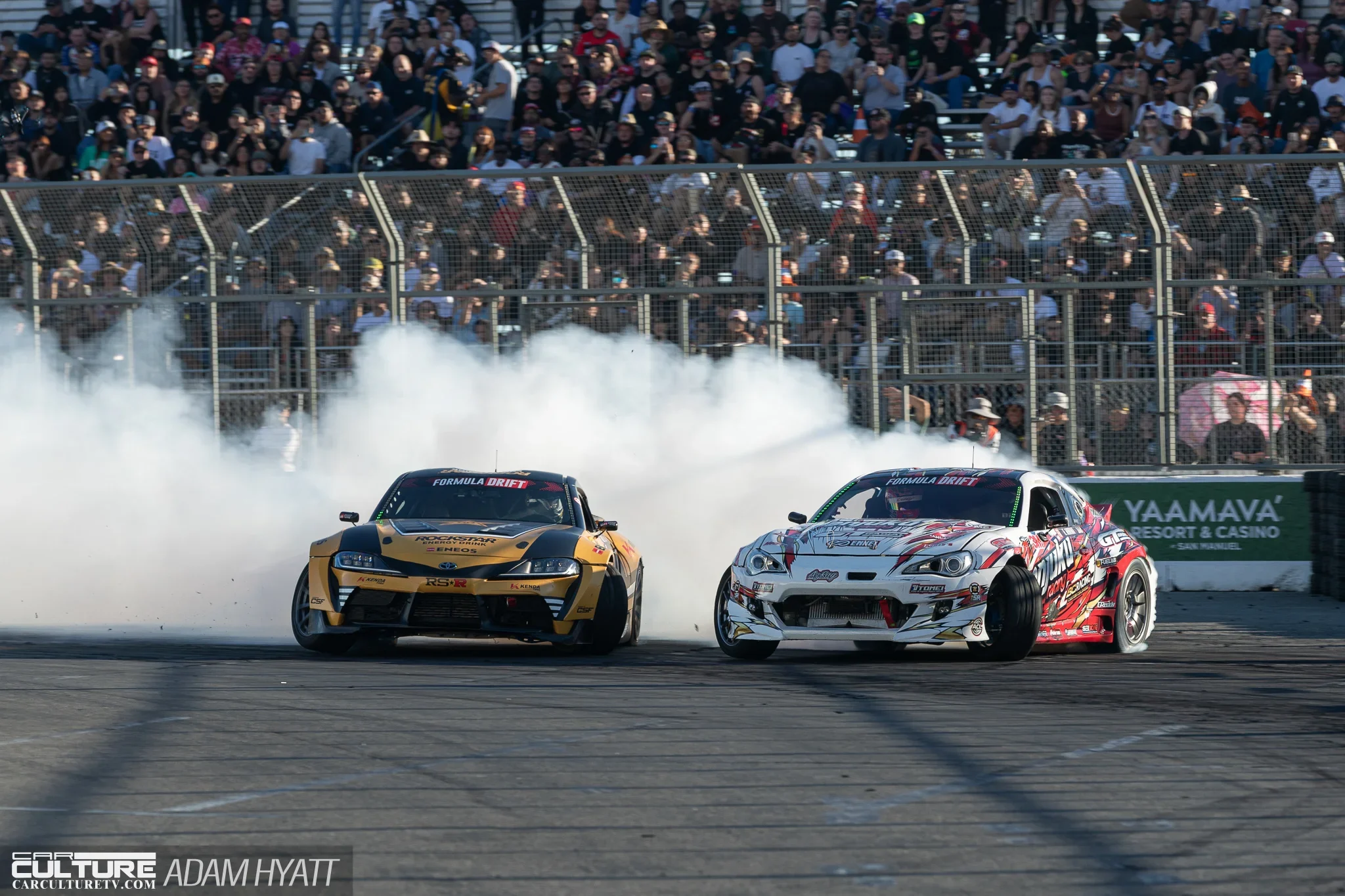
Drivers and teams will reportedly gain deeper access to performance analytics. Detailed post run data will allow competitors to break down their angle consistency, speed traces, and proximity metrics with greater accuracy.
For teams already investing heavily in private data analysis, this creates a more level playing field. Smaller operations may now benefit from standardized analytics that were previously limited to top tier budgets.
In the paddock, that shift could subtly reshape strategy. Expect teams to refine throttle mapping, suspension tuning, and entry speeds with greater precision. The margin between winning and going home early has always been razor thin in drifting. In 2026, those margins will be quantified.
What This Means for the Championship
At its core, Formula Drift remains a driver driven spectacle built on smoke, proximity, and commitment. However, as the sport matures globally, credibility and competitive integrity become increasingly important.
The 2026 changes appear designed to solidify the championship’s long term stability. By aligning judging with measurable data, the organization is addressing one of drifting’s most persistent criticisms: perceived inconsistency in scoring.
That said, change always comes with scrutiny. Drivers who built reputations on explosive, high risk driving may need to adapt if the new metrics emphasize precision and repeatability. Conversely, technically consistent competitors could thrive under the refined system.
Either way, the competitive landscape is about to shift.

A Strategic Move for Growth
The partnership with Race Data Labs also reflects a broader industry trend. Motorsports across the board are leaning into real time analytics and fan engagement tools. Formula Drift’s embrace of advanced telemetry positions it alongside more traditional racing disciplines in terms of technological credibility.
Moreover, clearer data storytelling could open new sponsorship opportunities. Brands increasingly value measurable engagement and enhanced broadcast integration. With improved graphics, statistics, and performance breakdowns, the series becomes more attractive to commercial partners.
For a championship that has grown from grassroots parking lot exhibitions to stadium level productions, this evolution feels deliberate.
The Bottom Line
The 2026 season will not simply be another year on the calendar. Instead, it represents a structural recalibration of how professional drifting is evaluated and presented.
Formula Drift is betting that blending art and analytics will elevate the sport rather than dilute it. The smoke clouds will remain. The door to door battles will still define the spectacle. However, behind the scenes, the numbers will now speak louder.
If executed correctly, the new format could mark the beginning of drifting’s most refined era yet.

