
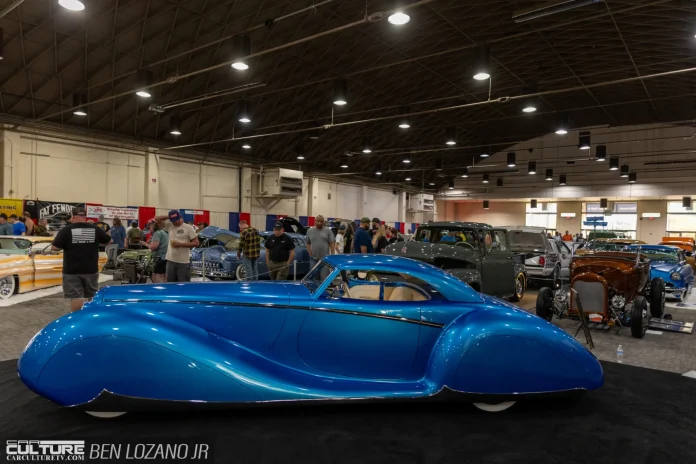
Inside the Grand National Roadster Show
The Grand National Roadster Show returned to the Pomona Fairplex with the kind of presence that only decades of tradition can create. As the longest running indoor custom car show in the world, the event continues to set a standard that few gatherings can even attempt to match. From the moment the doors opened, it was clear this was not just another weekend show, but a carefully curated celebration of craftsmanship, history, and forward thinking design.
Builders from across the United States arrived with vehicles that represented thousands of hours of work. While styles varied widely, the unifying thread was attention to detail. Every panel gap, surface finish, and mechanical choice felt intentional. As a result, walking through the show felt less like browsing and more like moving through a living gallery of American automotive creativity.
Unlike outdoor events that rely on atmosphere alone, the indoor setting allowed each car to be presented with precision. Controlled lighting revealed subtle paint depth, polished metalwork, and intricate engine bay layouts. This environment rewards restraint and balance, which is why the show continues to attract builders who value refinement over spectacle.
A Broad Spectrum of Styles Under One Roof
More than five hundred indoor vehicles filled multiple buildings, creating an experience that felt expansive without becoming overwhelming. Traditional hot rods sat beside modern street rods. Muscle cars shared floor space with specialty trucks and high end customs. Each section flowed naturally into the next, allowing visitors to trace the evolution of car culture without needing explanation.
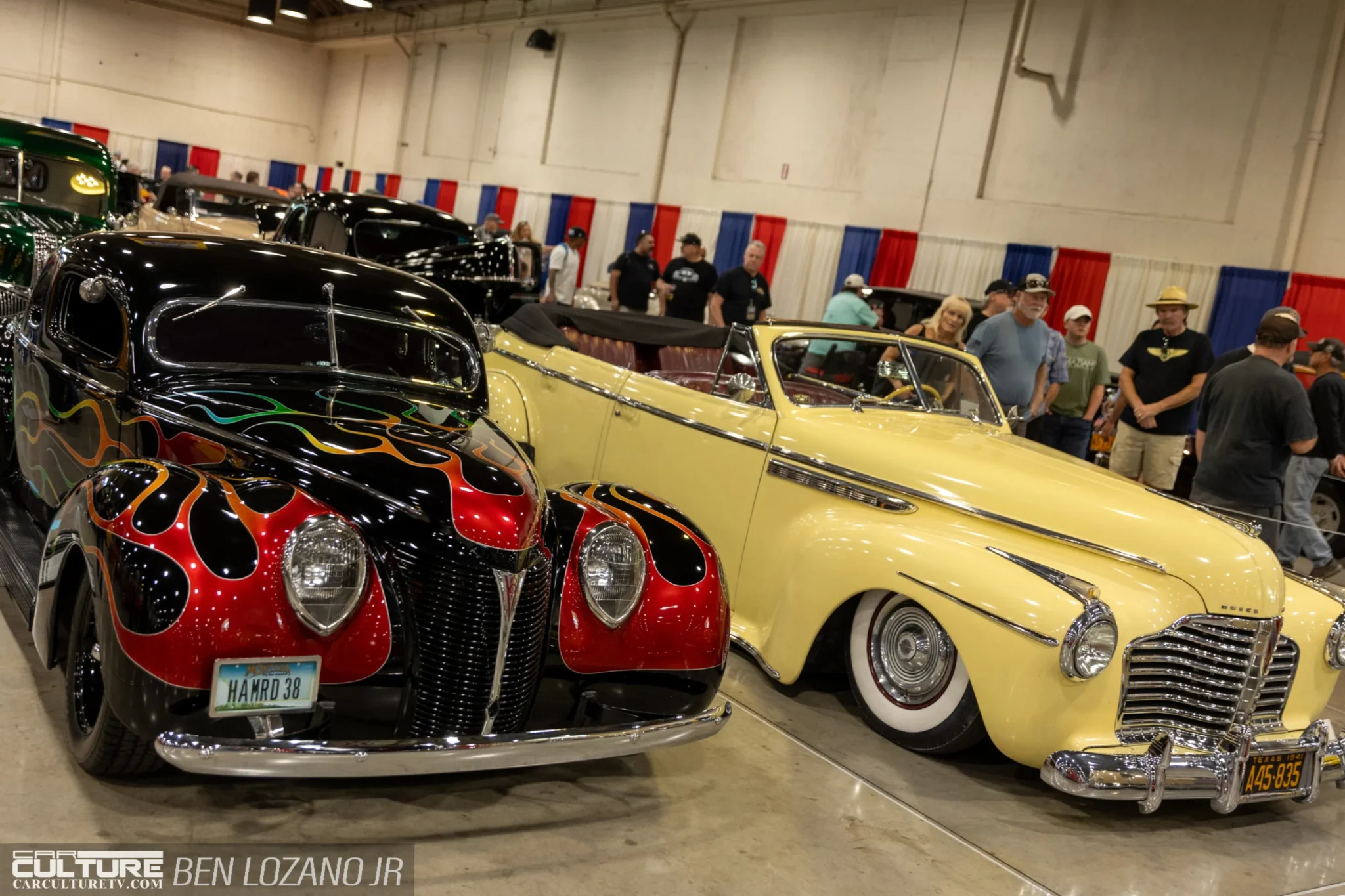
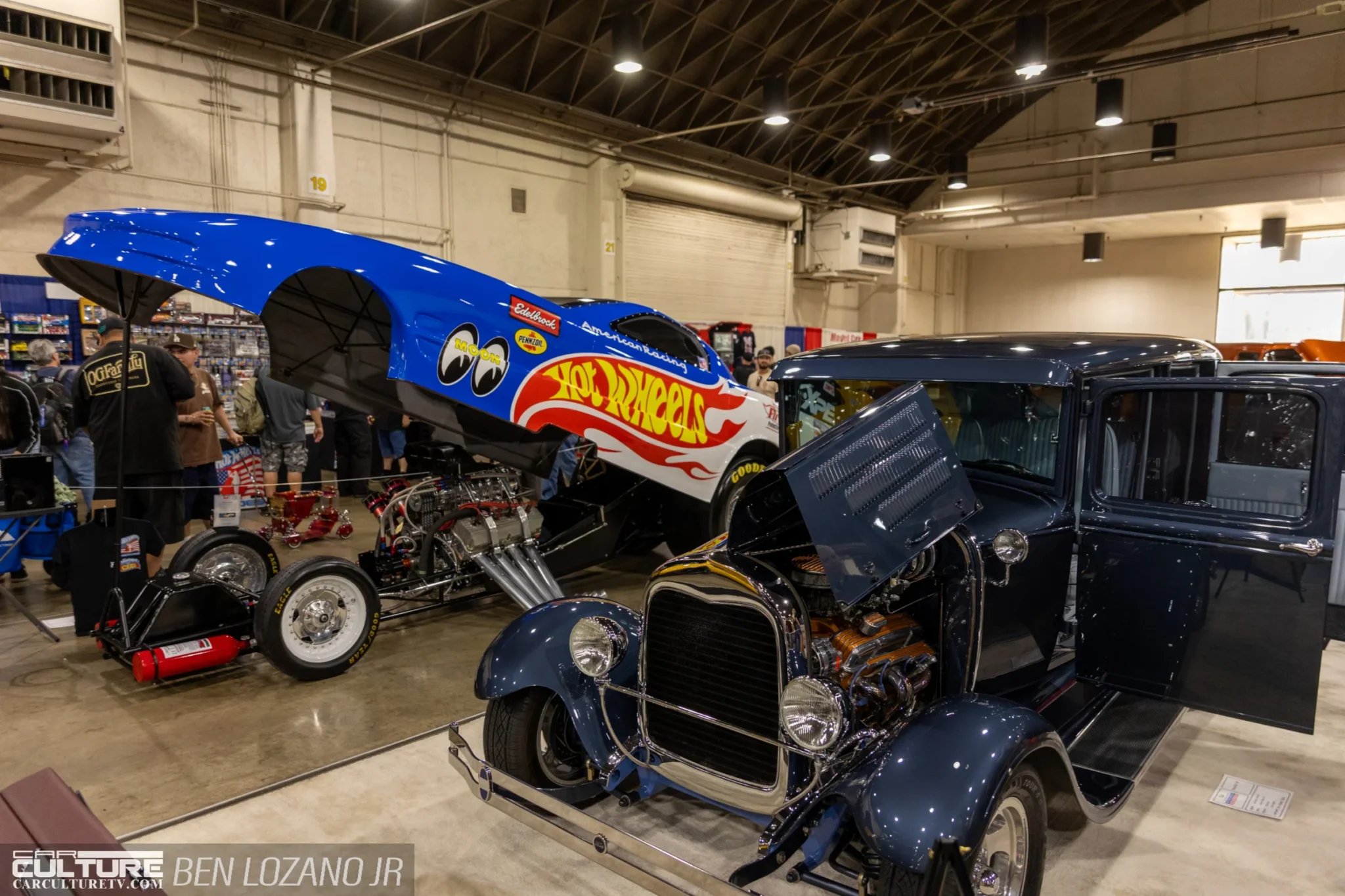
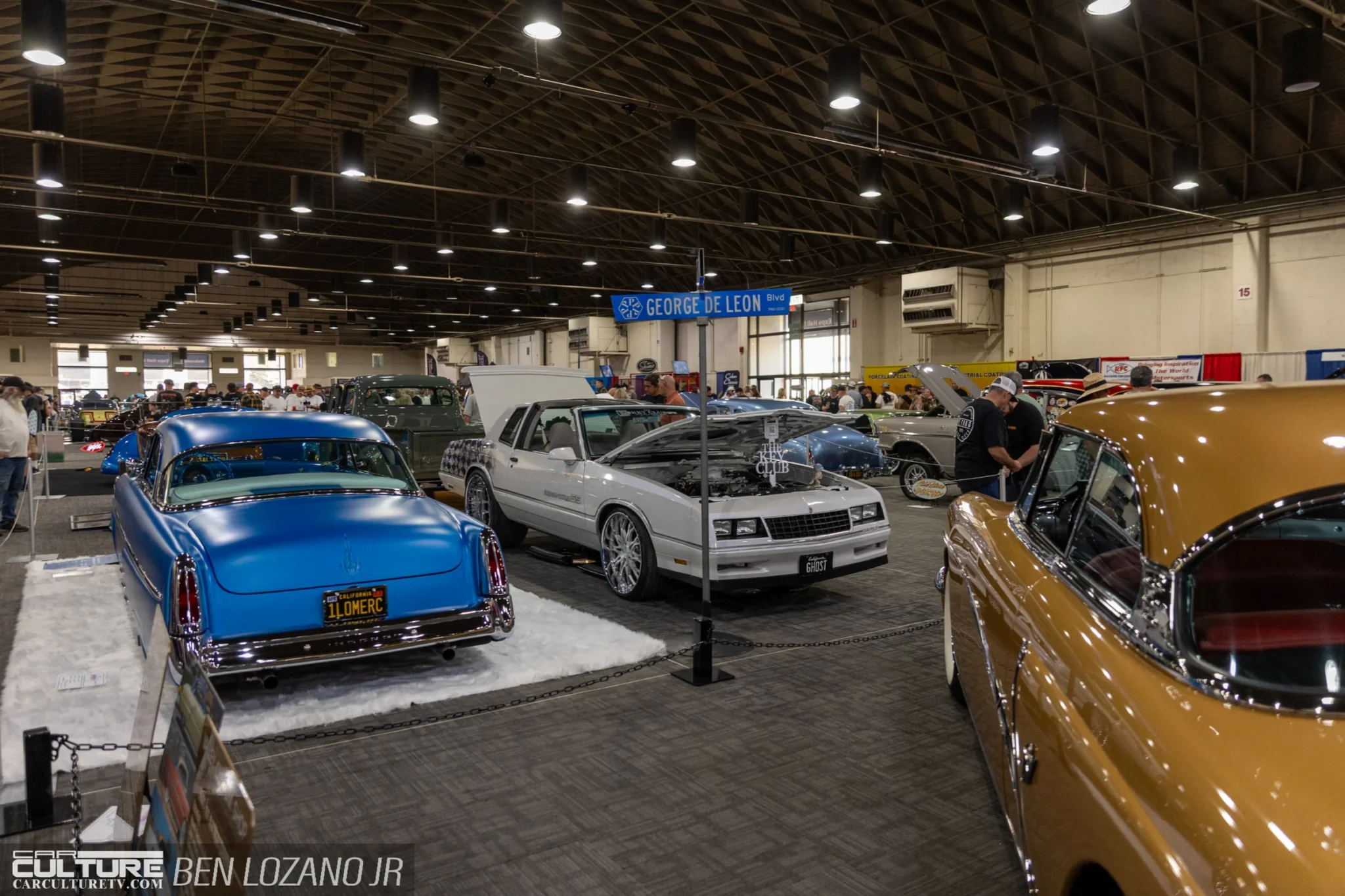
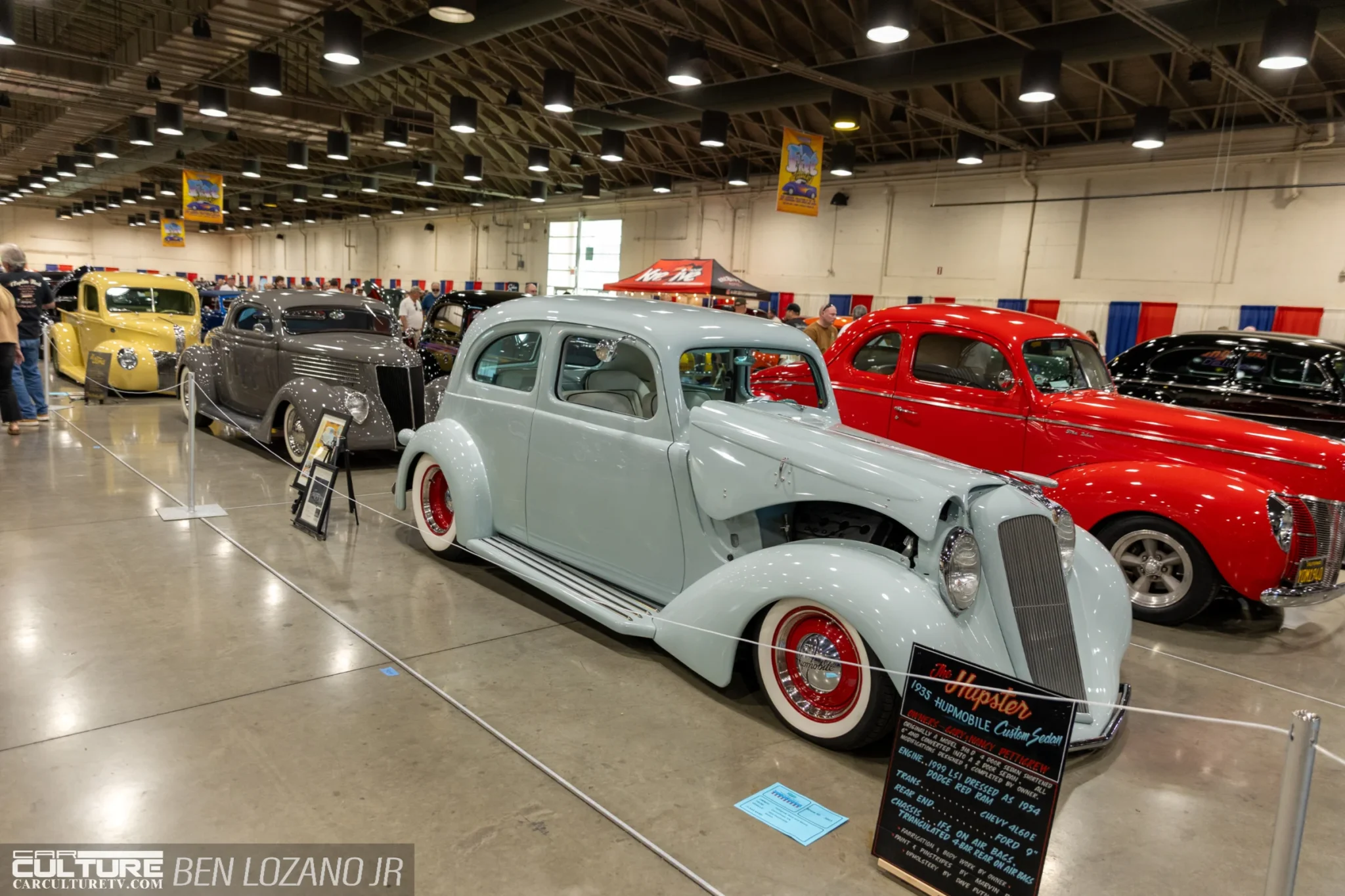
Because the quality level remained consistently high, there were no filler cars. Even builds that were not competing for major awards held their own visually and mechanically. Paint finishes were deep and uniform. Interiors blended period correct styling with modern comfort. Engines were displayed not just as powerplants, but as design elements.
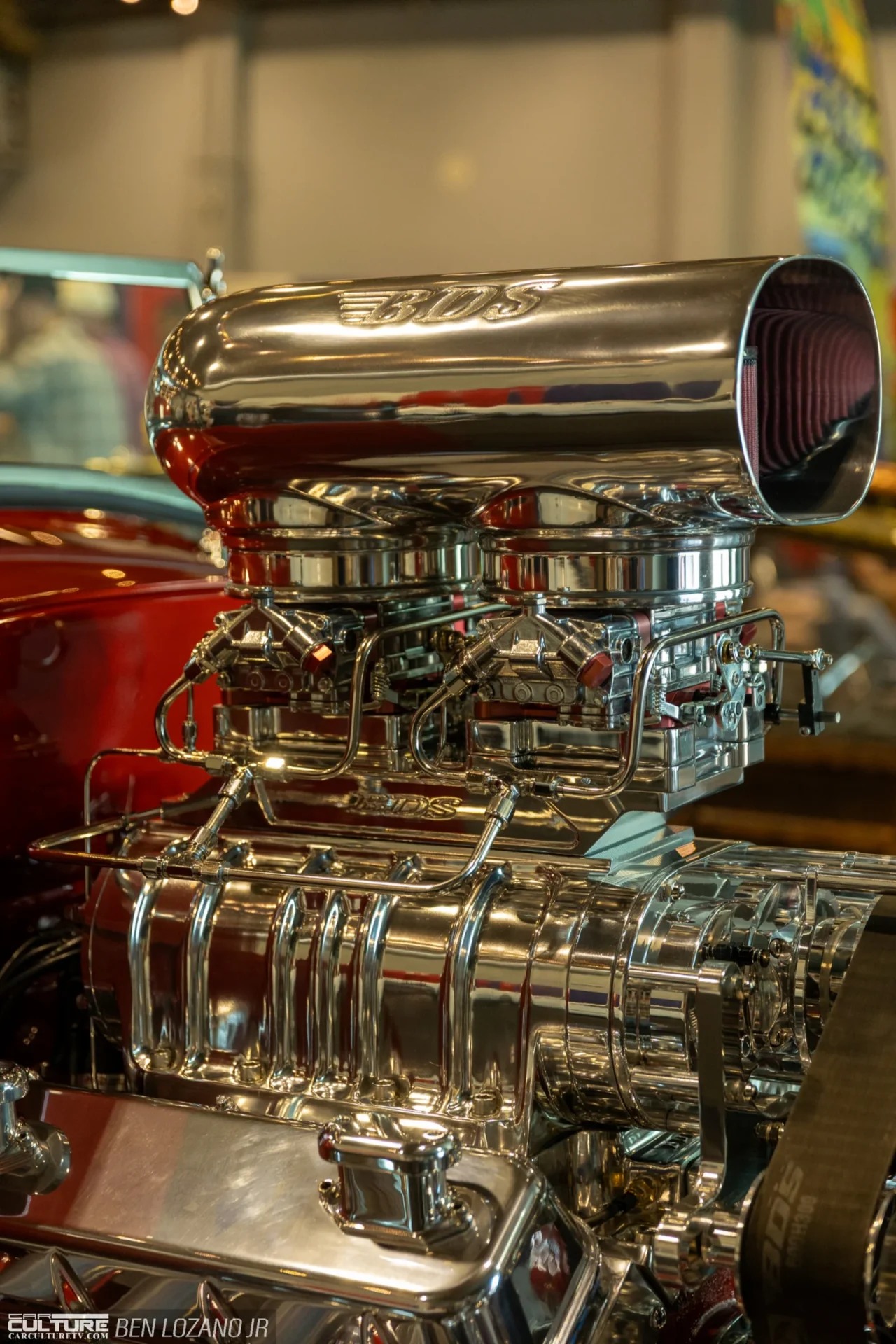
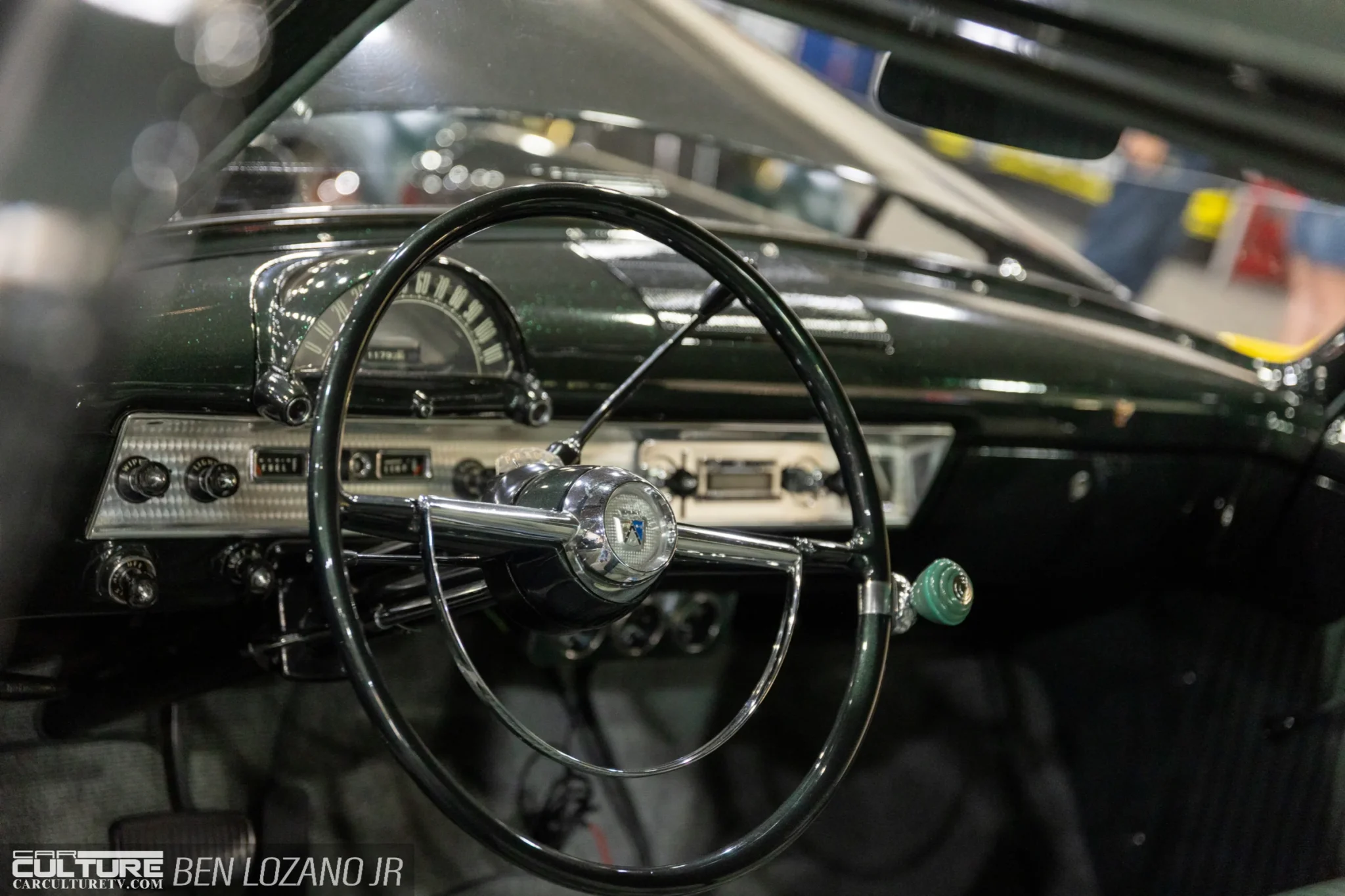
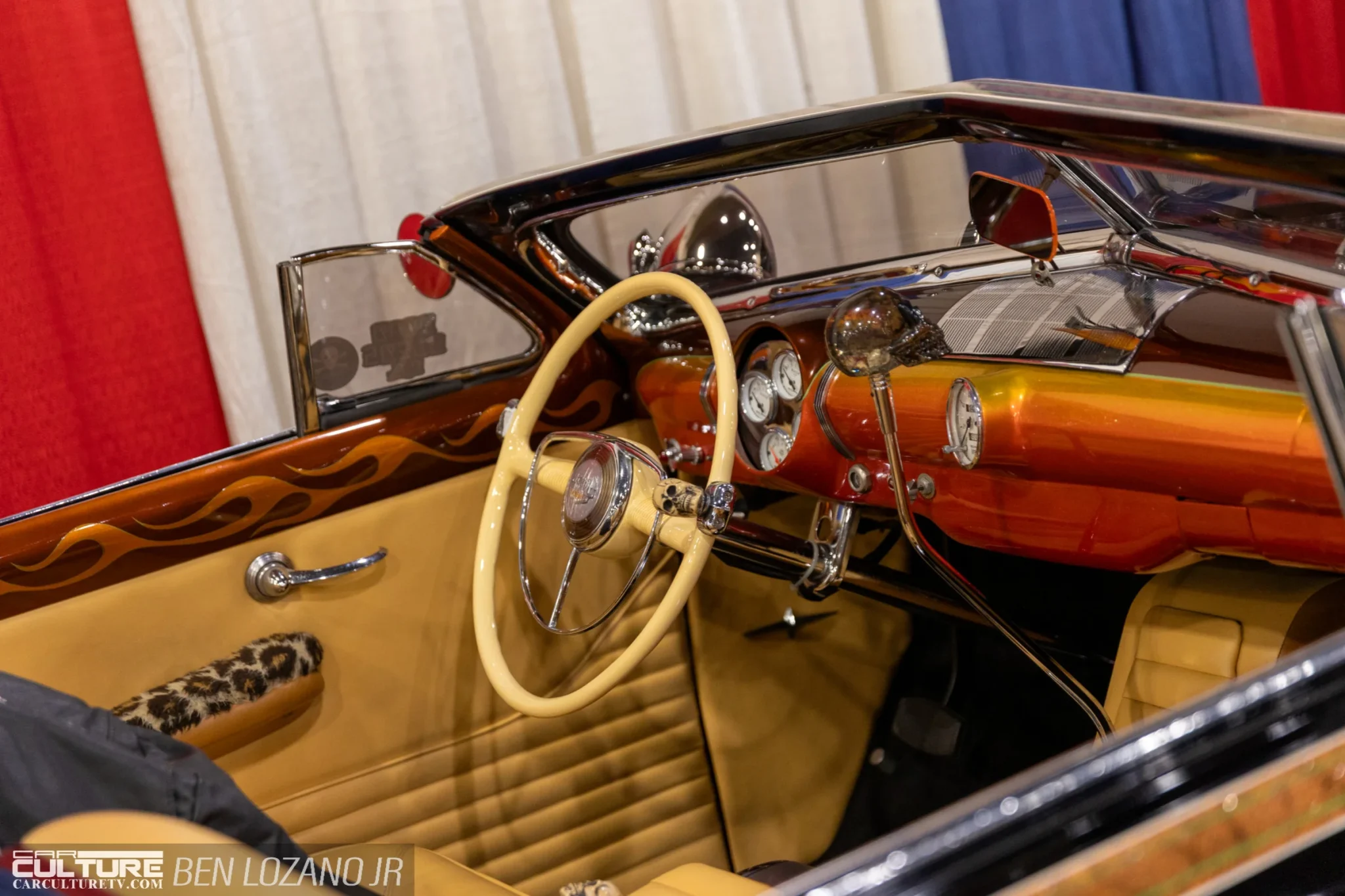
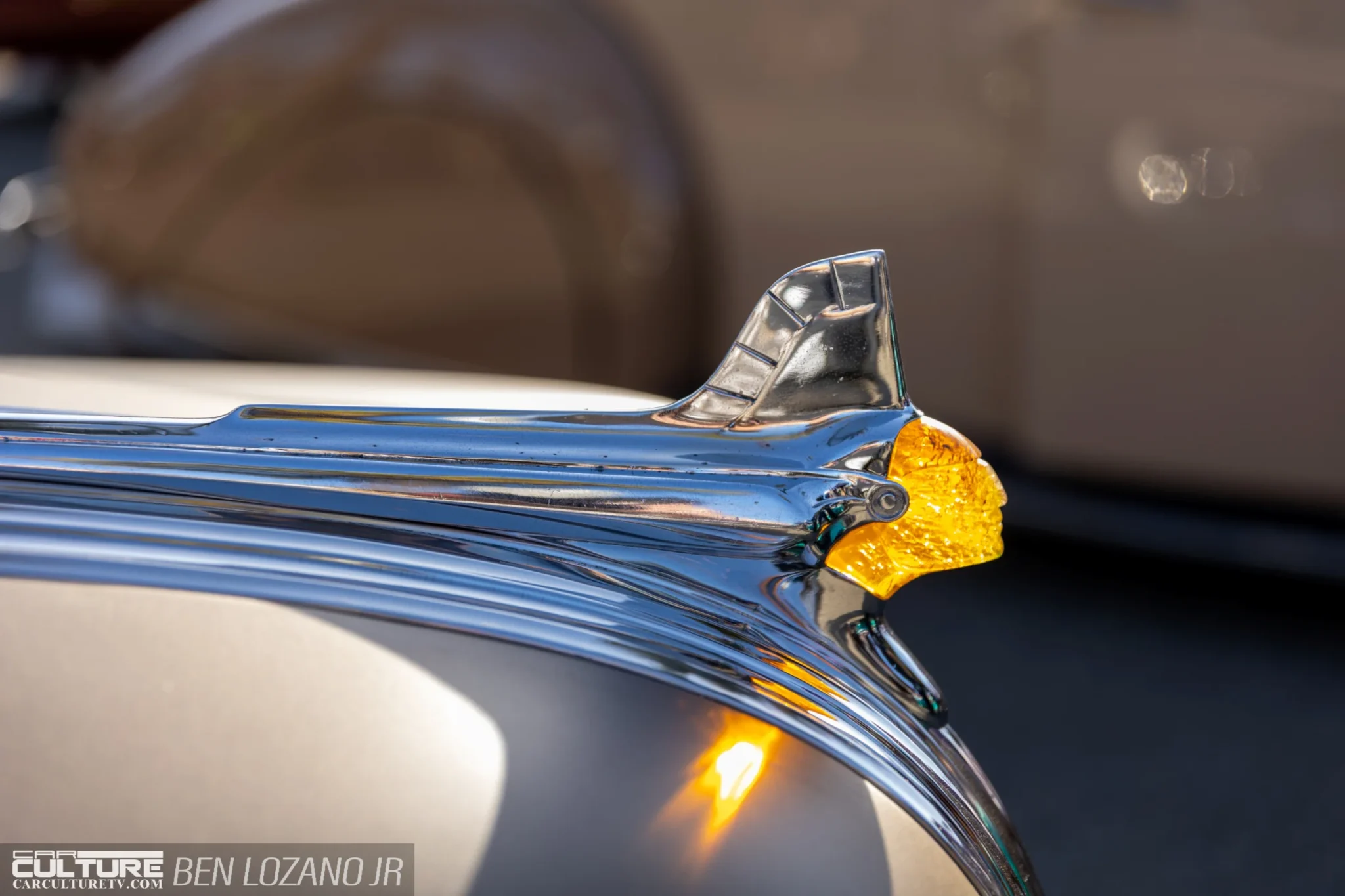
This balance between tradition and innovation is part of what keeps the Grand National relevant. Builders are clearly aware of the history they are stepping into. At the same time, they are not afraid to interpret that history through modern tools and materials.
The Energy Outside Between the Buildings
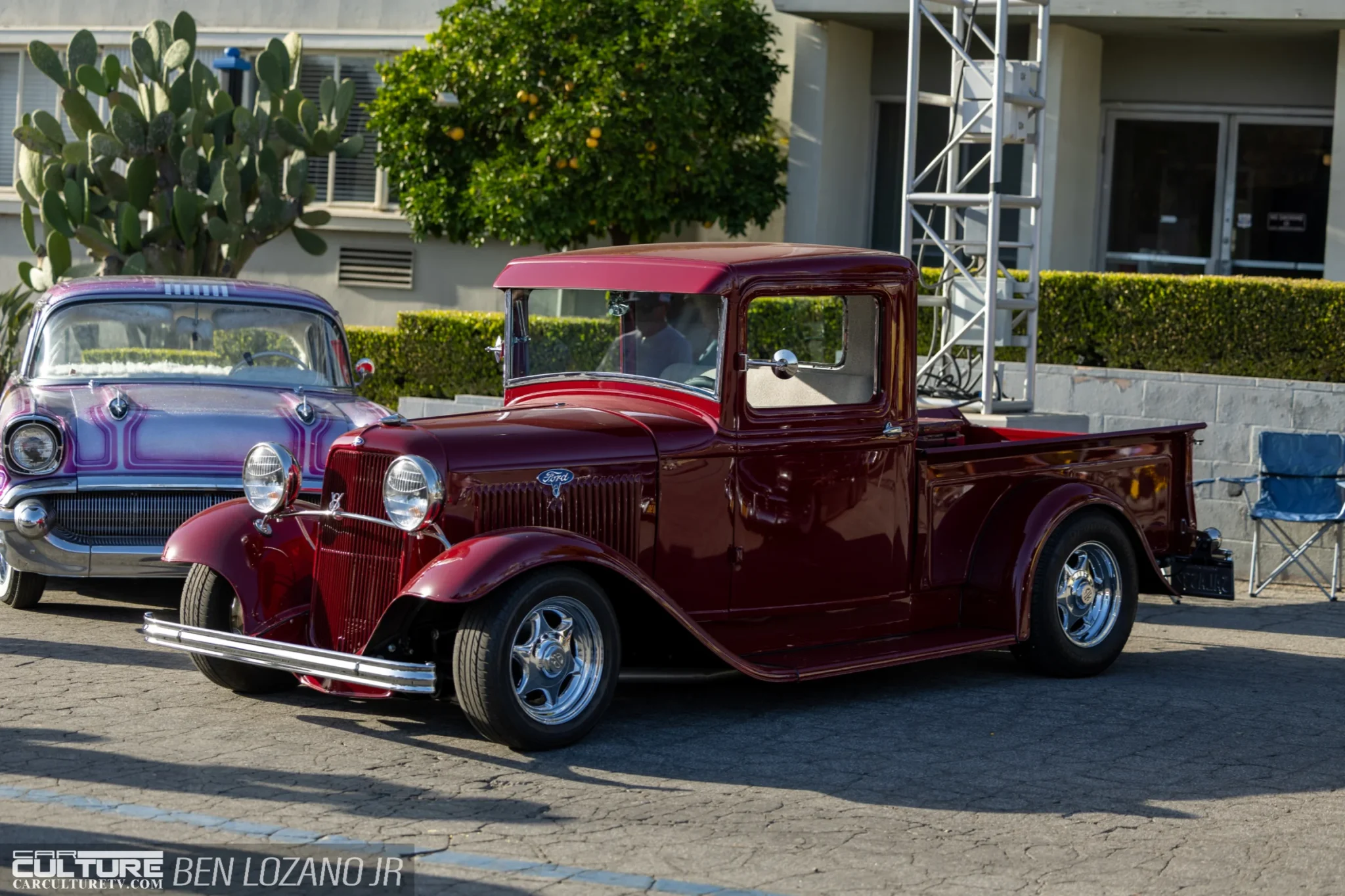
While the indoor halls set the tone, the outdoor Grand Daddy Drive In added scale and spontaneity to the weekend. Hundreds of additional vehicles filled the spaces between buildings each day, transforming the walkways into an open air car show that felt constantly in motion.
Here, the atmosphere shifted. Owners leaned against their cars, answering questions and telling stories. Daily driven cruisers parked next to highly modified street machines. The setting encouraged conversation and discovery, rather than judging and comparison.
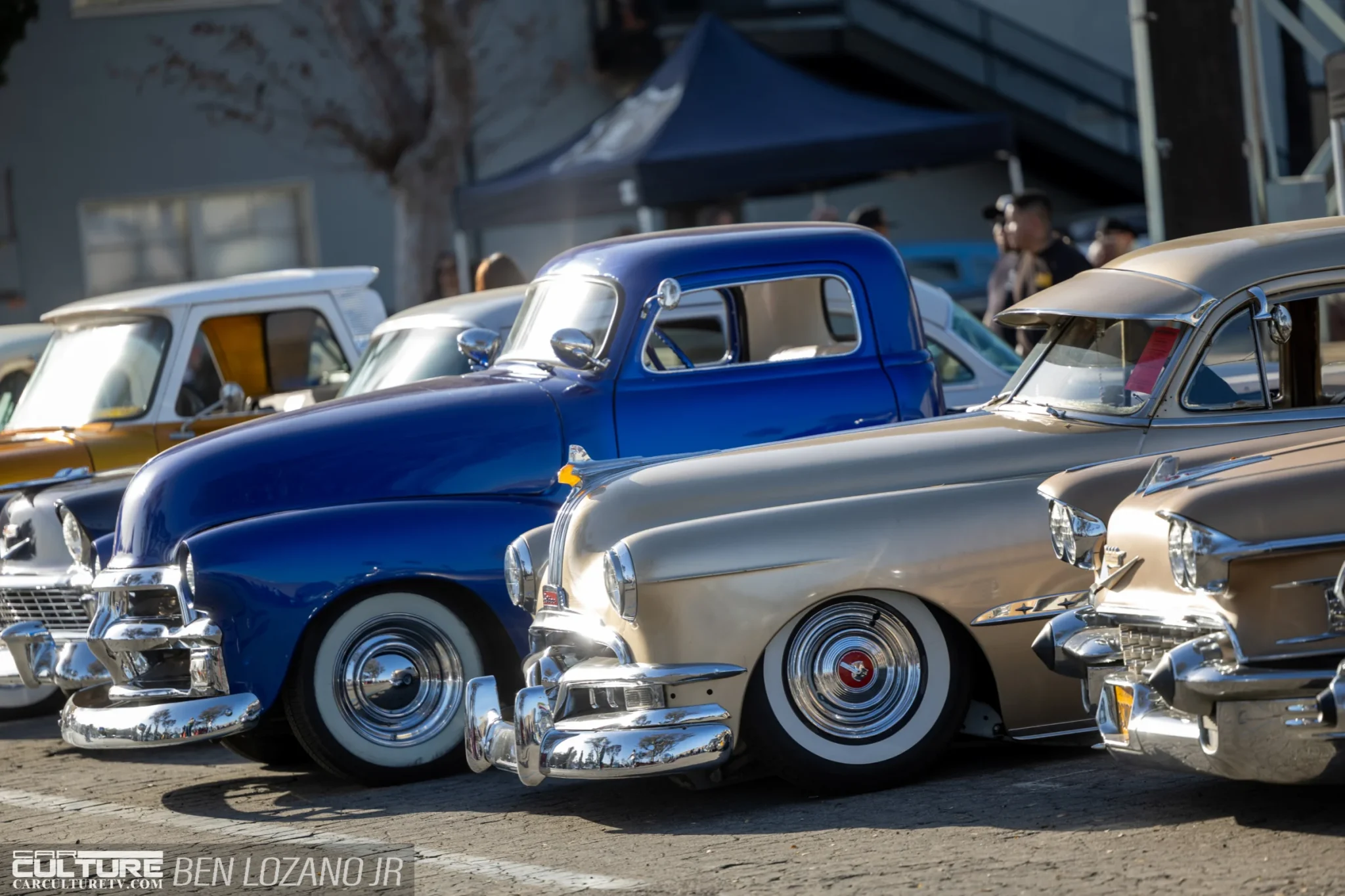
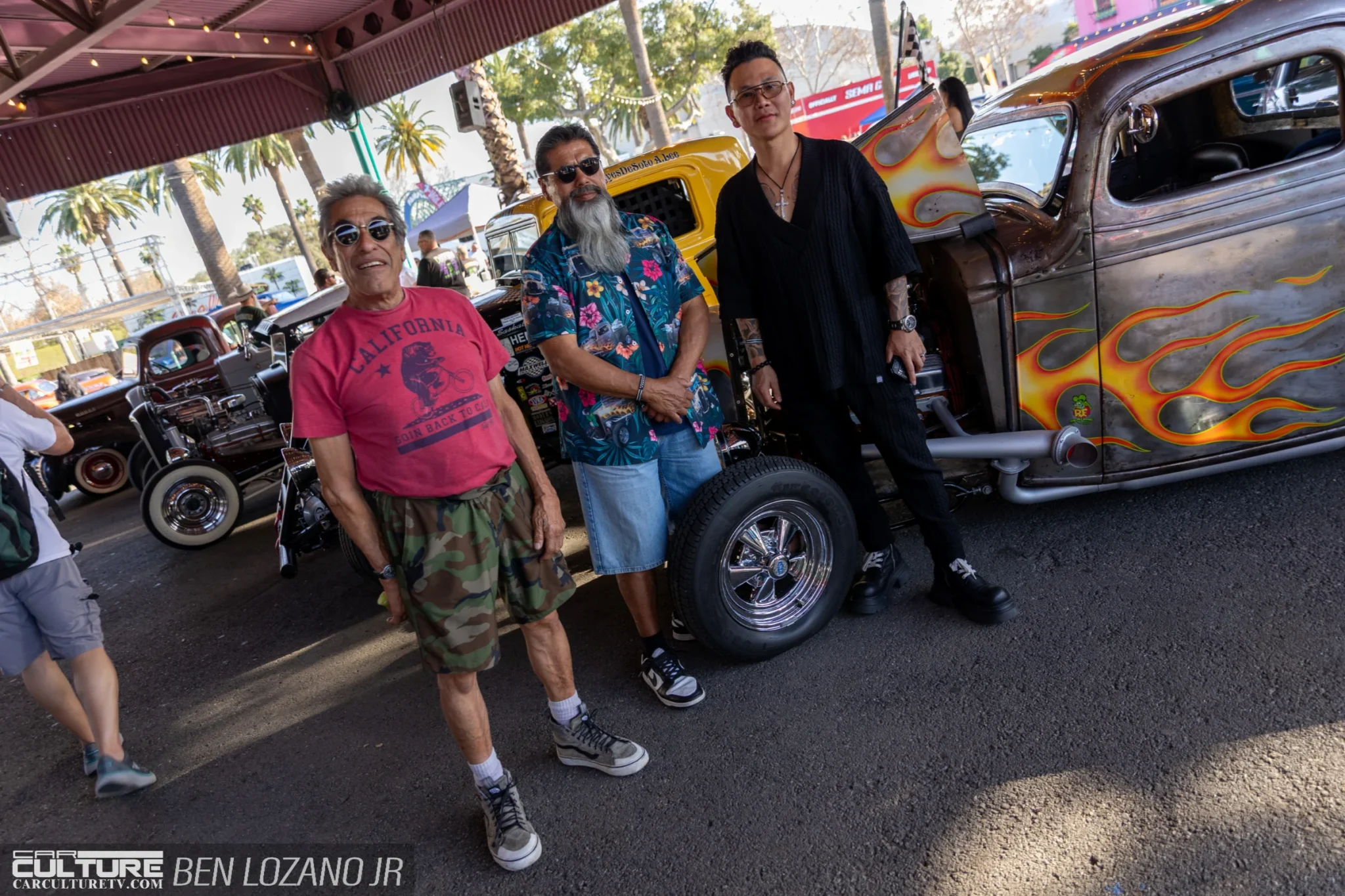
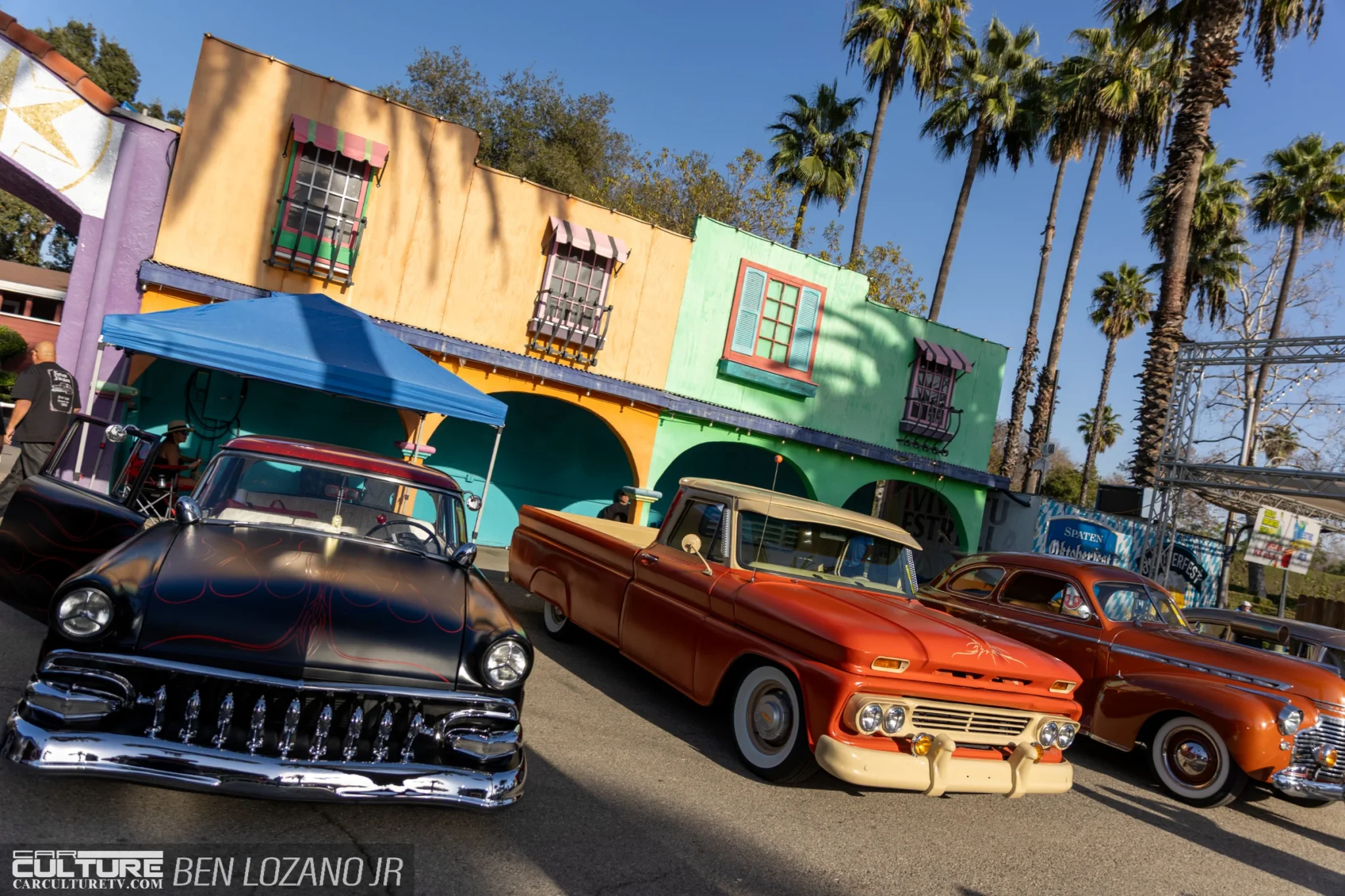
Because the outdoor vehicles rotated daily, there was always something new to see. This kept the experience fresh, even for multi day attendees. The contrast between the refined indoor presentation and the relaxed outdoor energy gave the event a rhythm that worked.
Americas Most Beautiful Roadster for 2026
At the center of the show sat Americas Most Beautiful Roadster, which remains one of the most respected honors in the custom car world. Winning this award requires more than visual impact. Proportion, engineering, finish, and cohesion all play equal roles.
For 2026, the award went to a 1932 Ford Roadster owned by Nicole Baird and built by Squeegs Kustoms. The car stood out immediately thanks to its metallic blue and white finish, which managed to feel bold without overpowering the classic lines. The stance was purposeful, and nothing felt exaggerated.
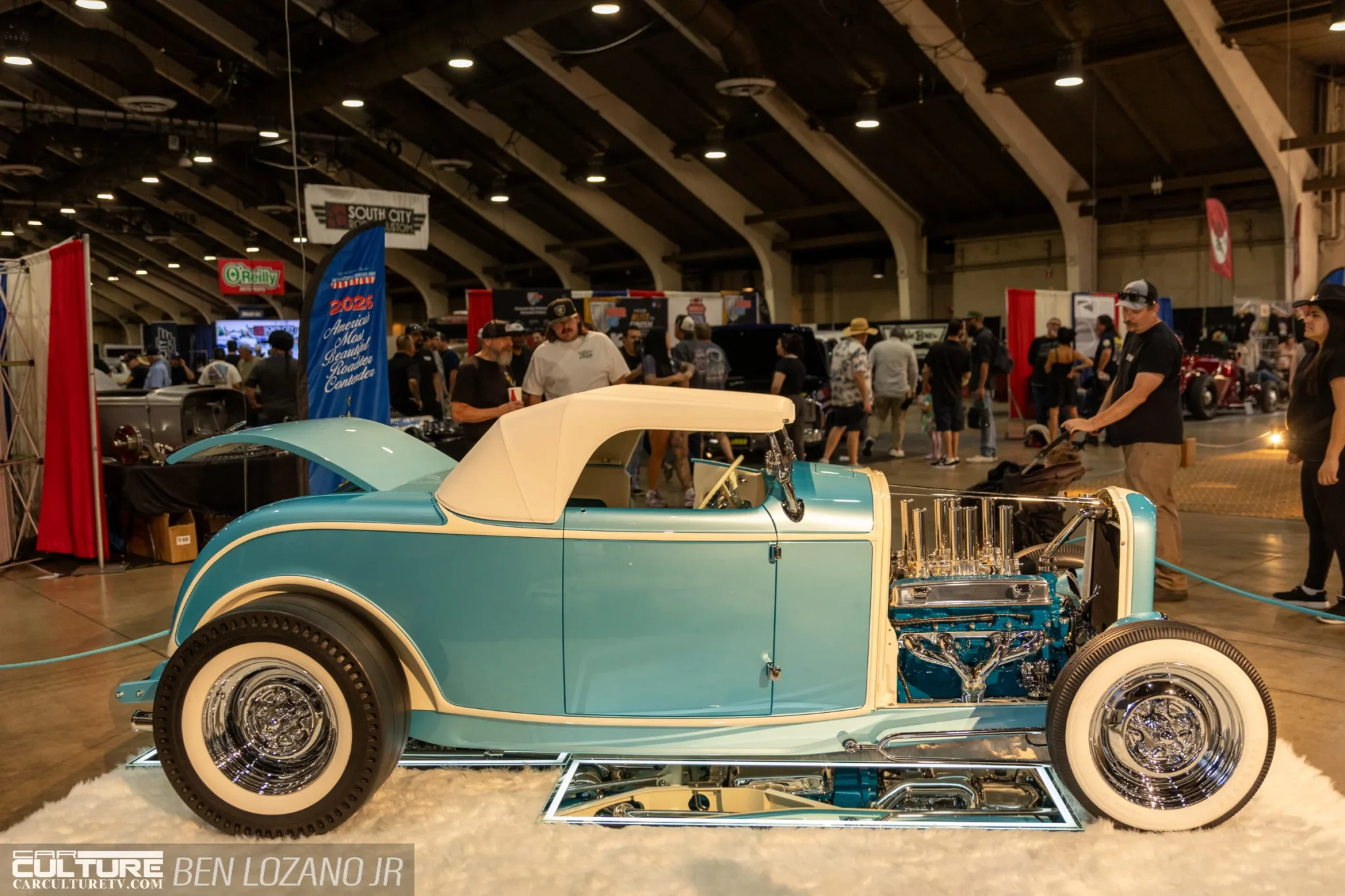
A closer look revealed a beautifully detailed Buick Nailhead engine that balanced authenticity with refinement. The engine bay felt composed rather than crowded. Every component belonged exactly where it was placed. This sense of balance carried throughout the entire build.
What made the roadster compelling was its confidence. It did not rely on novelty or excess to draw attention. Instead, it rewarded viewers who took the time to look closely. In a room filled with exceptional cars, that kind of restraint can be the loudest statement.
The Al Slonaker Memorial Award Spotlight
The Al Slonaker Memorial Award recognizes the top non roadster vehicle and often highlights the creative edge of the show. In 2026, the award went to Dennis Troggios 1955 Volkswagen Karmann Ghia, which quickly became one of the most discussed builds on the floor.
At first glance, the car retained its iconic silhouette. However, that familiarity made the deeper changes even more impressive. Extensive fabrication and performance upgrades transformed the vehicle while preserving its identity. The execution was clean and deliberate.
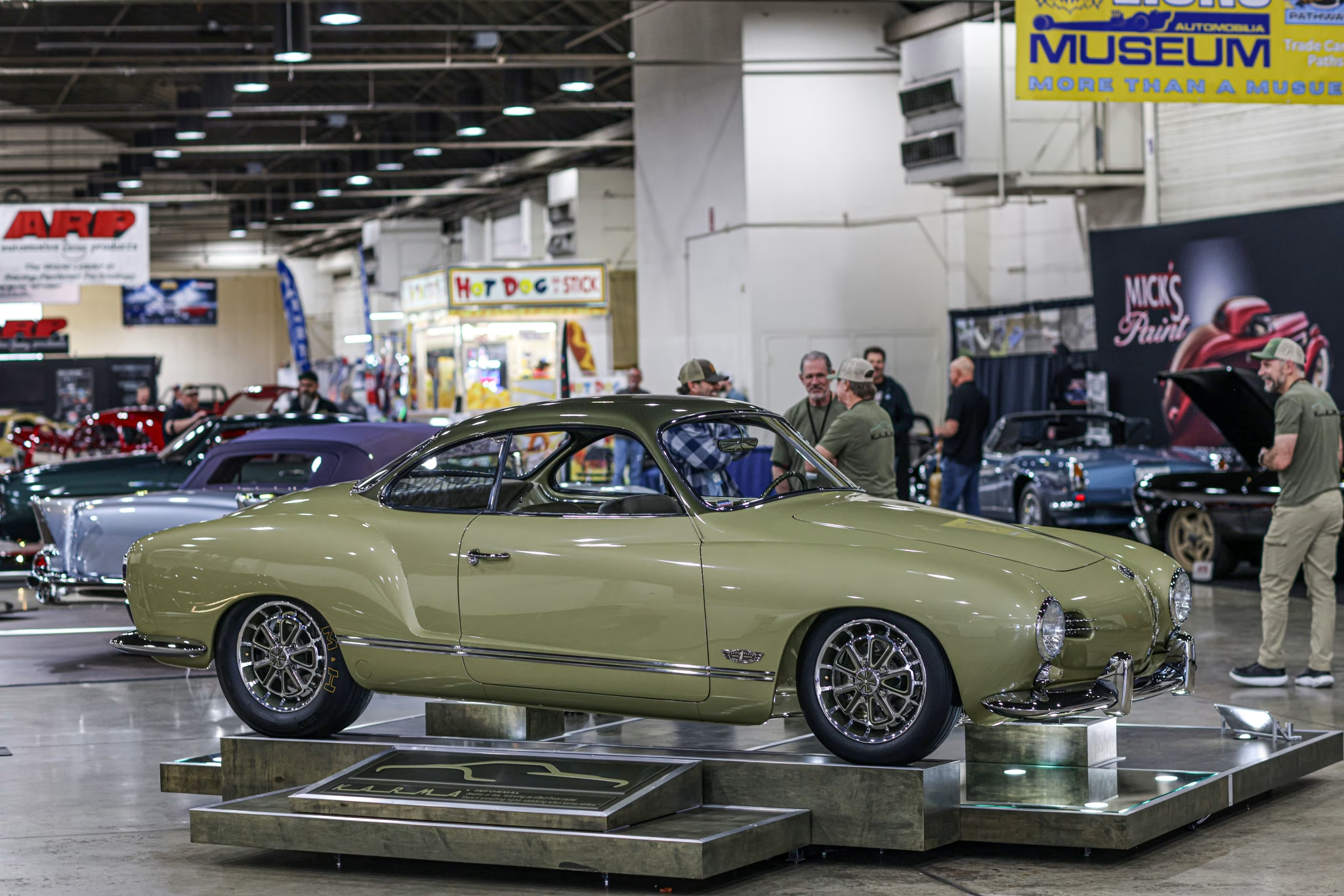
Bodywork flowed smoothly without disrupting the original lines. Mechanical updates were integrated rather than showcased. The result was a custom that respected its roots while clearly living in the present.
Craftsmanship as the Common Language
Across all sections of the show, one thing remained consistent. Craftsmanship came first. Builders focused on fit, finish, and function rather than trends. Paint choices enhanced form rather than hiding flaws. Mechanical components were arranged with care.
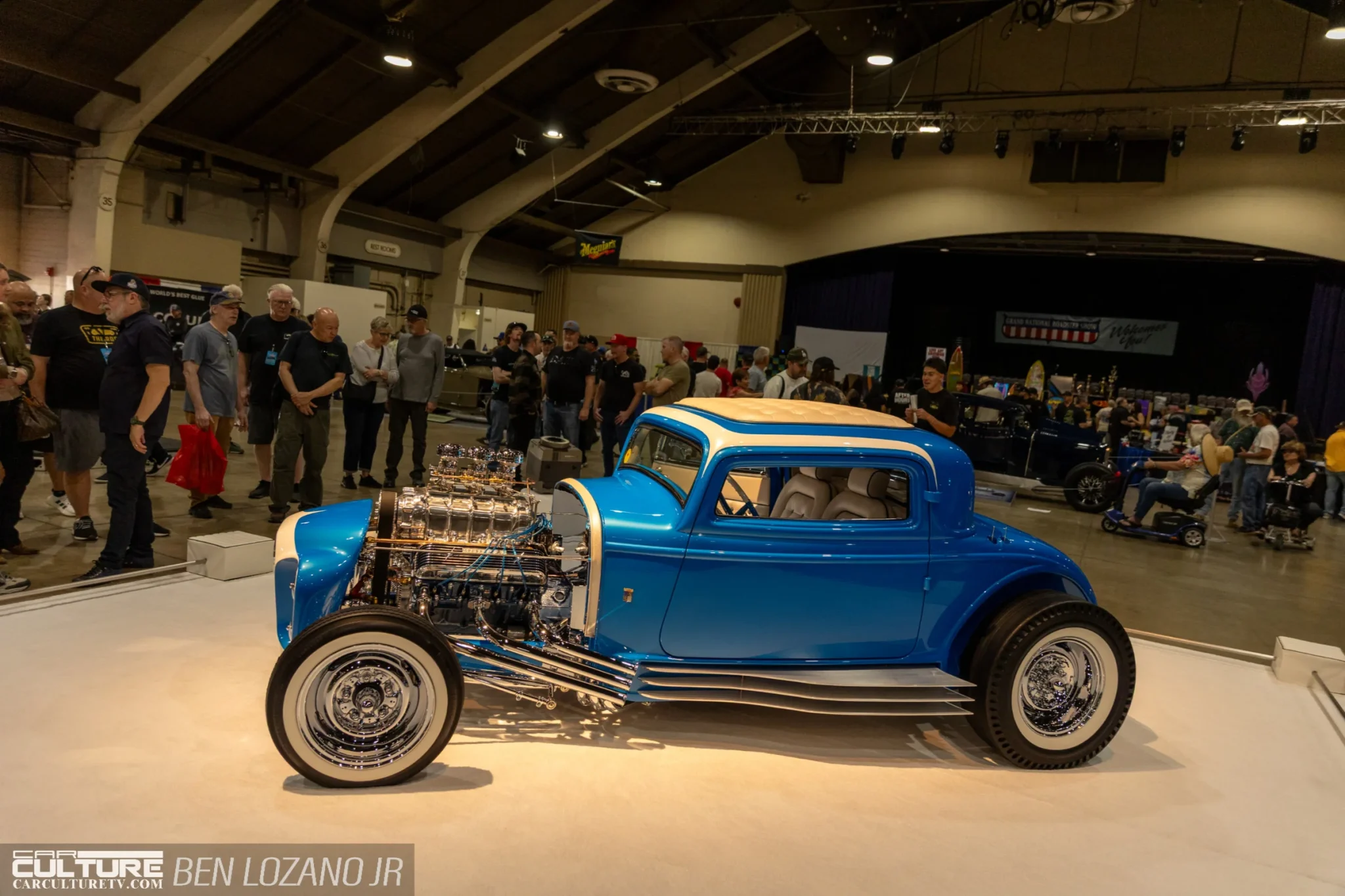
This attention to detail is what separates the event from more casual gatherings. Vehicles here are expected to hold up under close inspection. As a result, the show becomes a place where builders learn from each other simply by observing.
Conversations between attendees often centered on techniques, materials, and problem solving. The event functioned as both inspiration and education, without needing formal instruction.
The Grand National Atmosphere
There is a distinct rhythm to the show that develops over the weekend. Early hours are quiet and focused. Midday brings crowds and conversation. Evenings slow down again, allowing builders to reflect and connect.
Families walk the aisles together. Veteran builders point out details to younger enthusiasts. First time attendees often pause longer than expected, taking in the level of work on display.
The Grand National continues to succeed because it does not rush the experience. It allows the cars and the people behind them to speak for themselves.
Closing Scenes from Fairplex
As the final day wrapped up, the sense of continuity was clear. This was not an event chasing relevance. It already has it. Each year simply adds another layer to a story that began in 1950 and continues to evolve.
For builders and fans alike, the show remains a place where effort is respected and creativity is rewarded. That consistency is why the Grand National remains a fixture on the automotive calendar, and why its influence continues to ripple far beyond the walls of Fairplex.
See Full Gallery Below.


