By Adam Hyatt // Published On: March 18, 2026
The Nameplate Is Familiar. Everything Else Is New, And This Time, BMW Means Business.
BMW doesn’t revive nameplates lightly. When the original i3 bowed out in 2022 after a decade on the market, it left behind a complicated legacy. Admired for its courage, criticized for its compromises. A quirky, carbon-fiber city car built for a future that hadn’t quite arrived yet. So when BMW confirmed the i3 name would return on an entirely different kind of vehicle, the question wasn’t whether it could succeed. It was whether BMW had finally figured out what it actually wanted to say about electric driving.
Based on everything we know about the 2027 BMW i3, the answer is yes. And it may be the most important car BMW has built in years.
Neue Klasse: BMW’s Clean-Sheet Moment
To understand why this car matters, you have to understand the platform underneath it. Neue Klasse (German for “New Class,” a deliberate callback to the 1960s sedans that defined BMW’s identity) isn’t just a new architecture. It’s a complete reset of how BMW thinks about electric vehicles.
Every EV BMW currently sells, from the i4 to the i7, was engineered by adapting existing combustion platforms. That approach gets cars to market quickly, but it comes with real penalties: compromised battery placement, suboptimal weight distribution, and packaging limitations that no amount of clever engineering can fully overcome. Neue Klasse eliminates all of that. This is a purpose-built EV foundation, designed from the first sketch with electrification as the starting point rather than an afterthought.
The technical leap is substantial. BMW’s sixth-generation battery cells are cylindrical, a format that allows for denser packing and more efficient thermal management, and they deliver up to 20 percent better energy density than the current generation. Charging speeds improve by as much as 30 percent. Range figures are expected to land between 300 and 350 miles depending on configuration, but perhaps more importantly, BMW is focused on making those numbers consistent. The gap between EPA estimates and real-world range has been one of the persistent frustrations of modern EVs. BMW is targeting that gap directly.
The platform also pushes the battery lower and deeper into the chassis, dropping the center of gravity and improving torsional rigidity in ways that matter far beyond the spec sheet. For a brand that built its reputation on how its cars feel to drive, this isn’t just engineering. It’s identity.
Design: The Course Correction BMW Needed
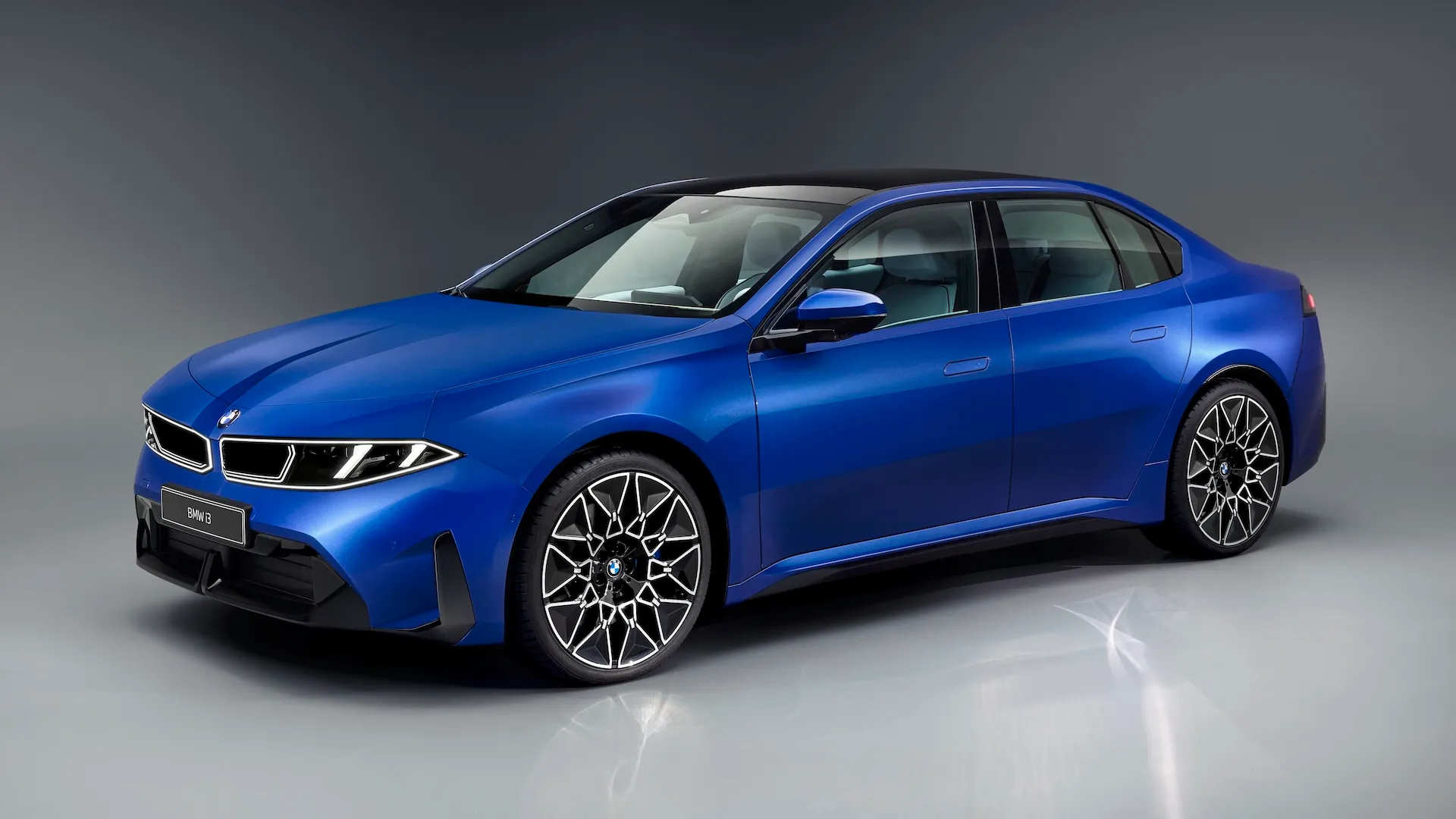
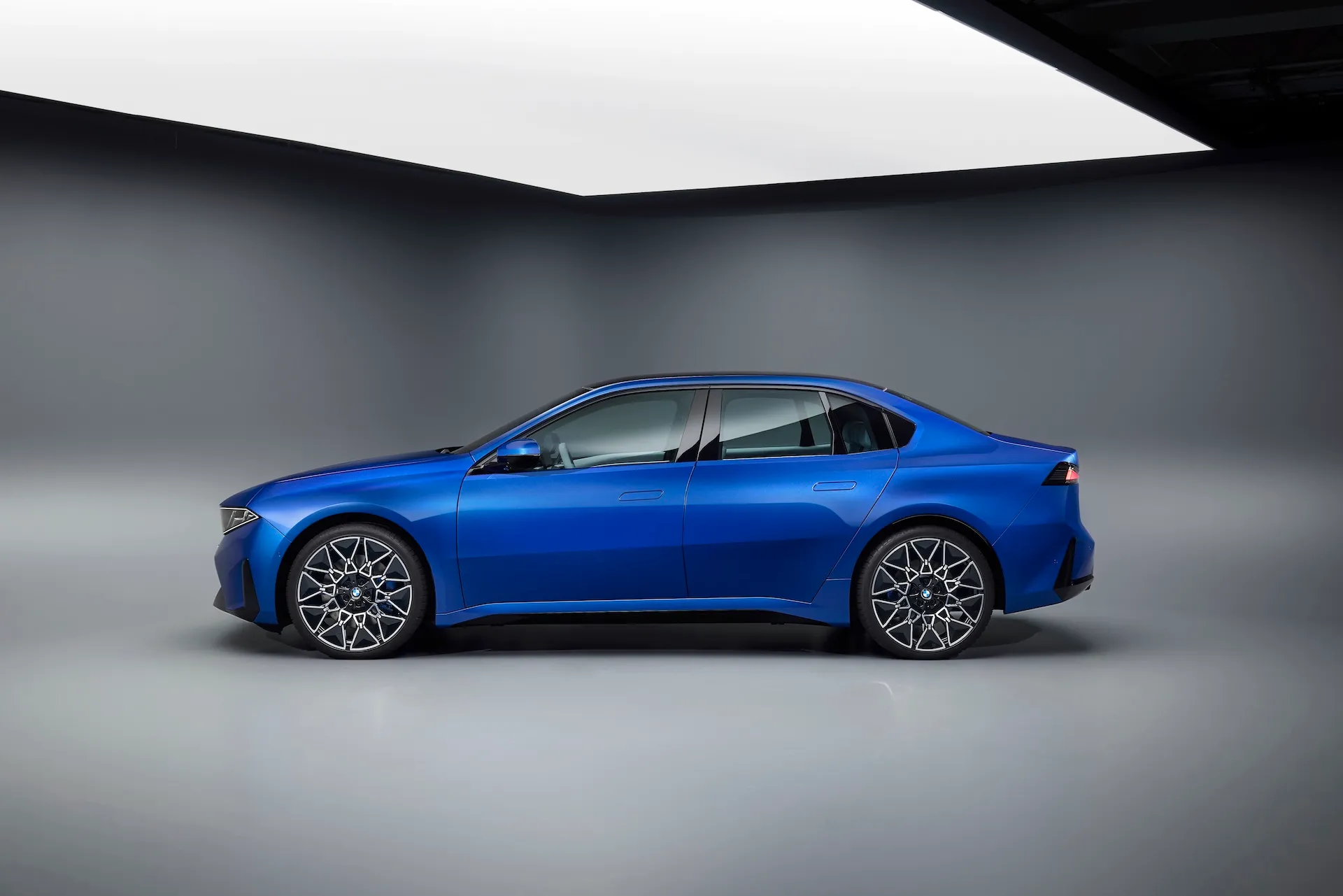
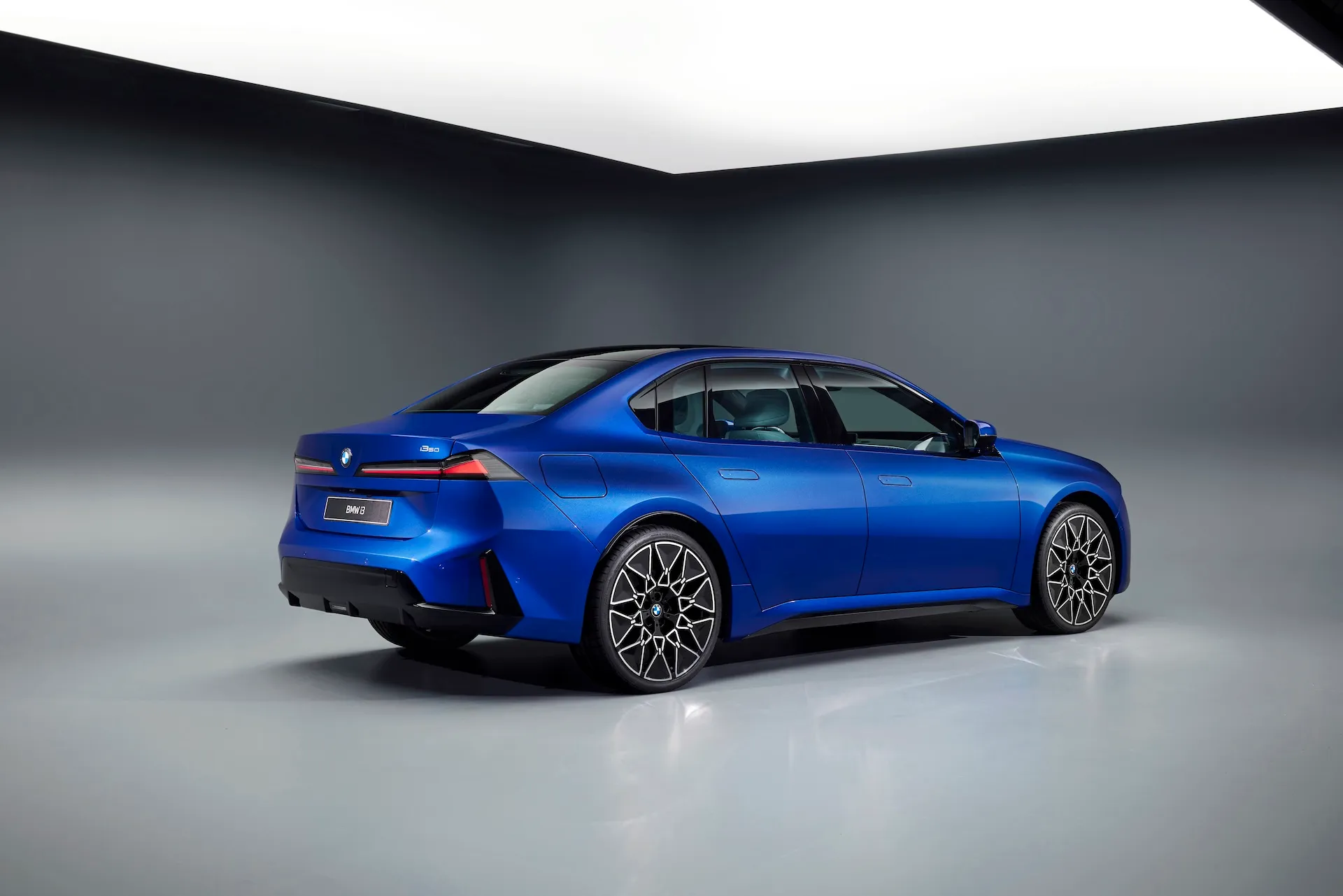
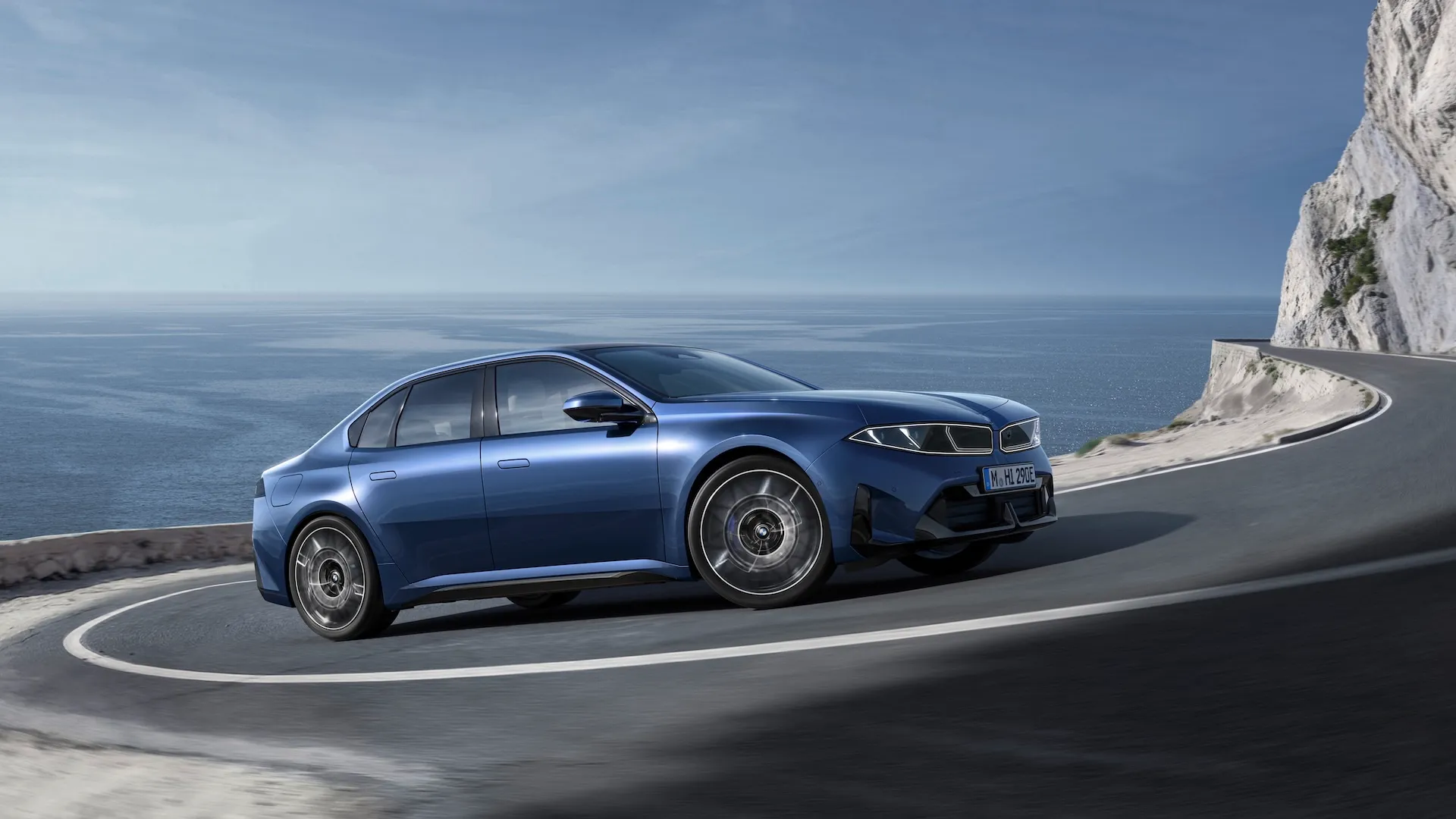
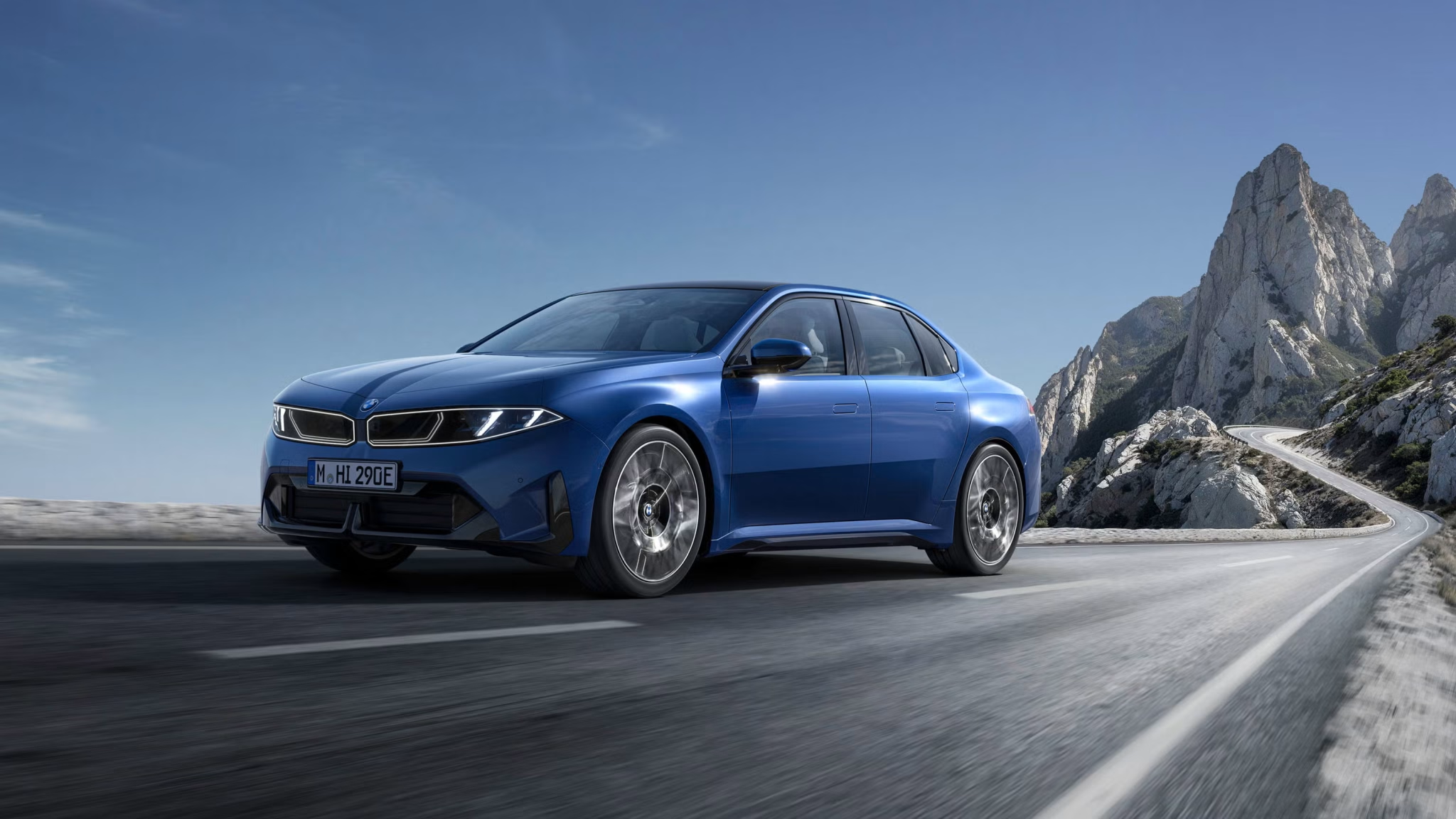
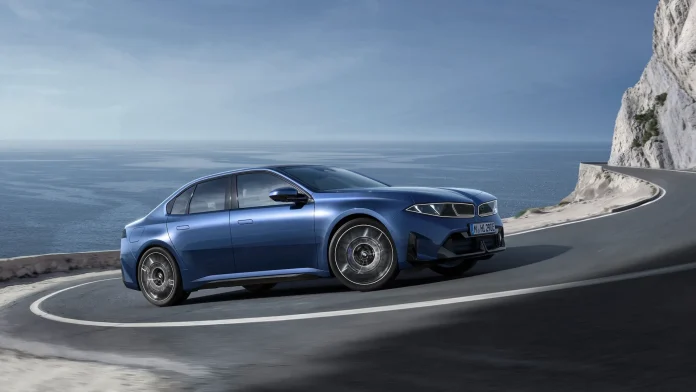
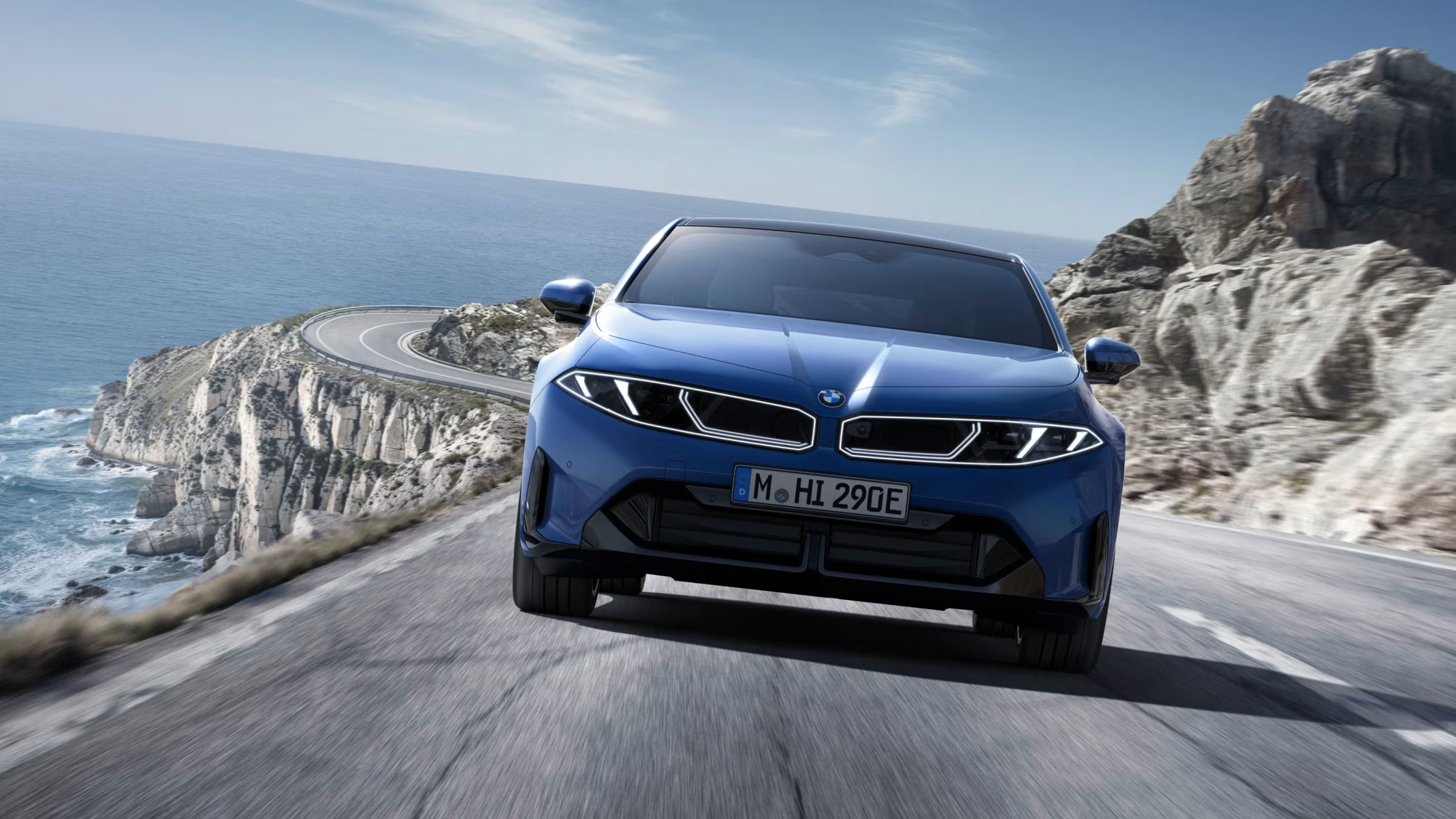
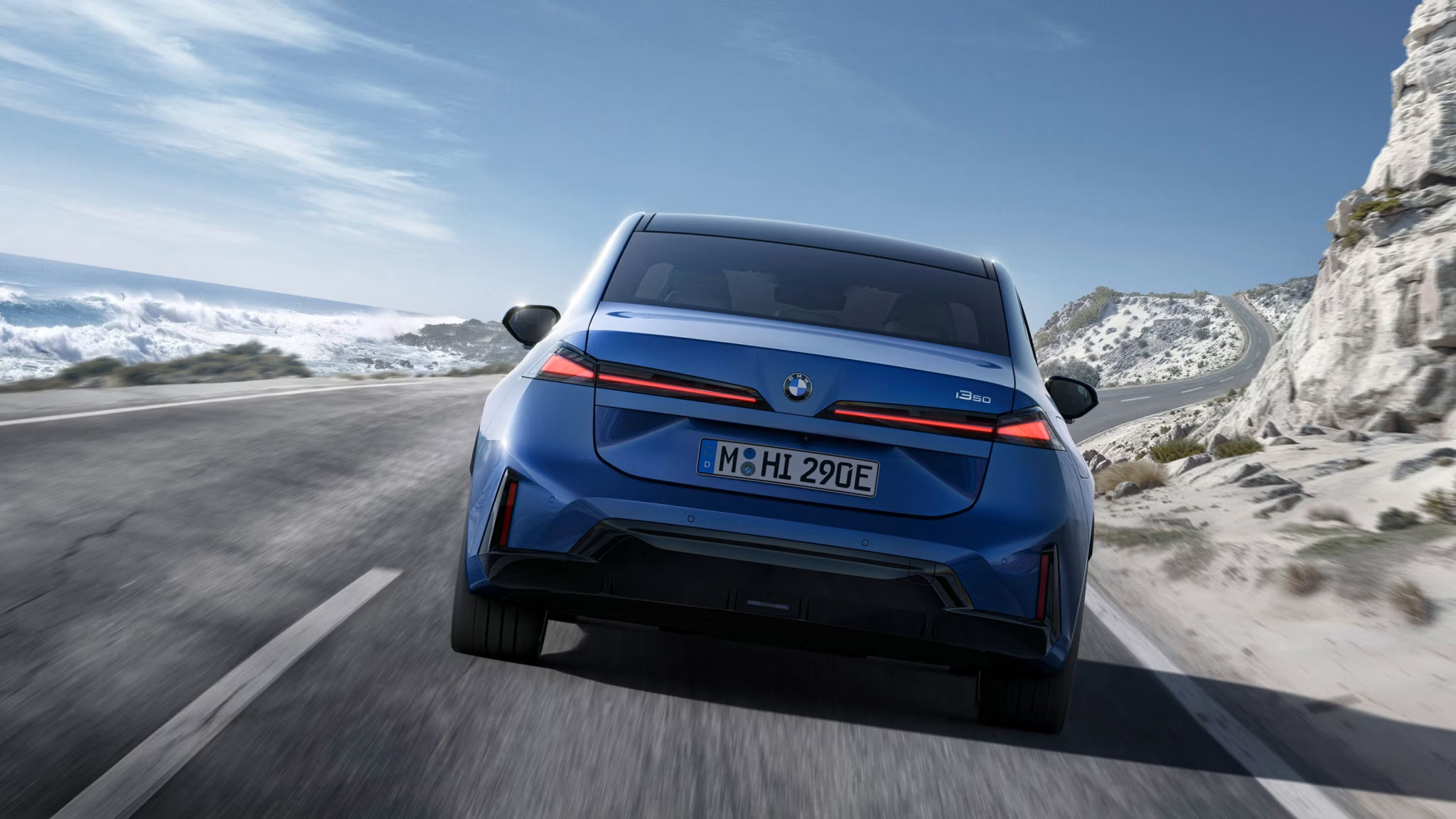
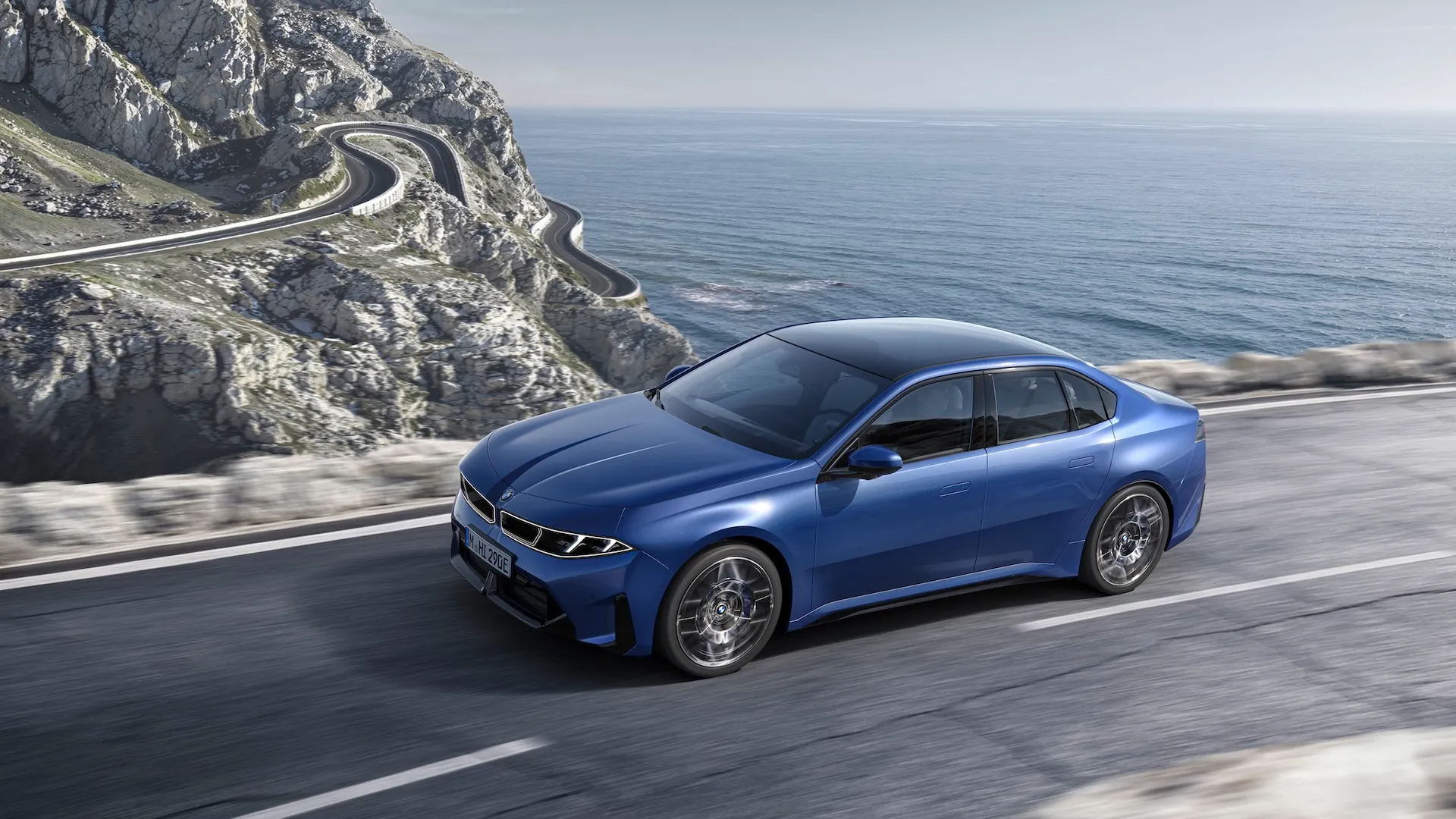
Let’s be direct: BMW’s design direction over the past several years has been divisive. The oversized kidney grilles, the aggressive surfacing, the sense that the brand was shouting where it once whispered. It alienated as many customers as it attracted. The Neue Klasse design language, previewed through the Vision Neue Klasse concept, represents a deliberate change of direction.
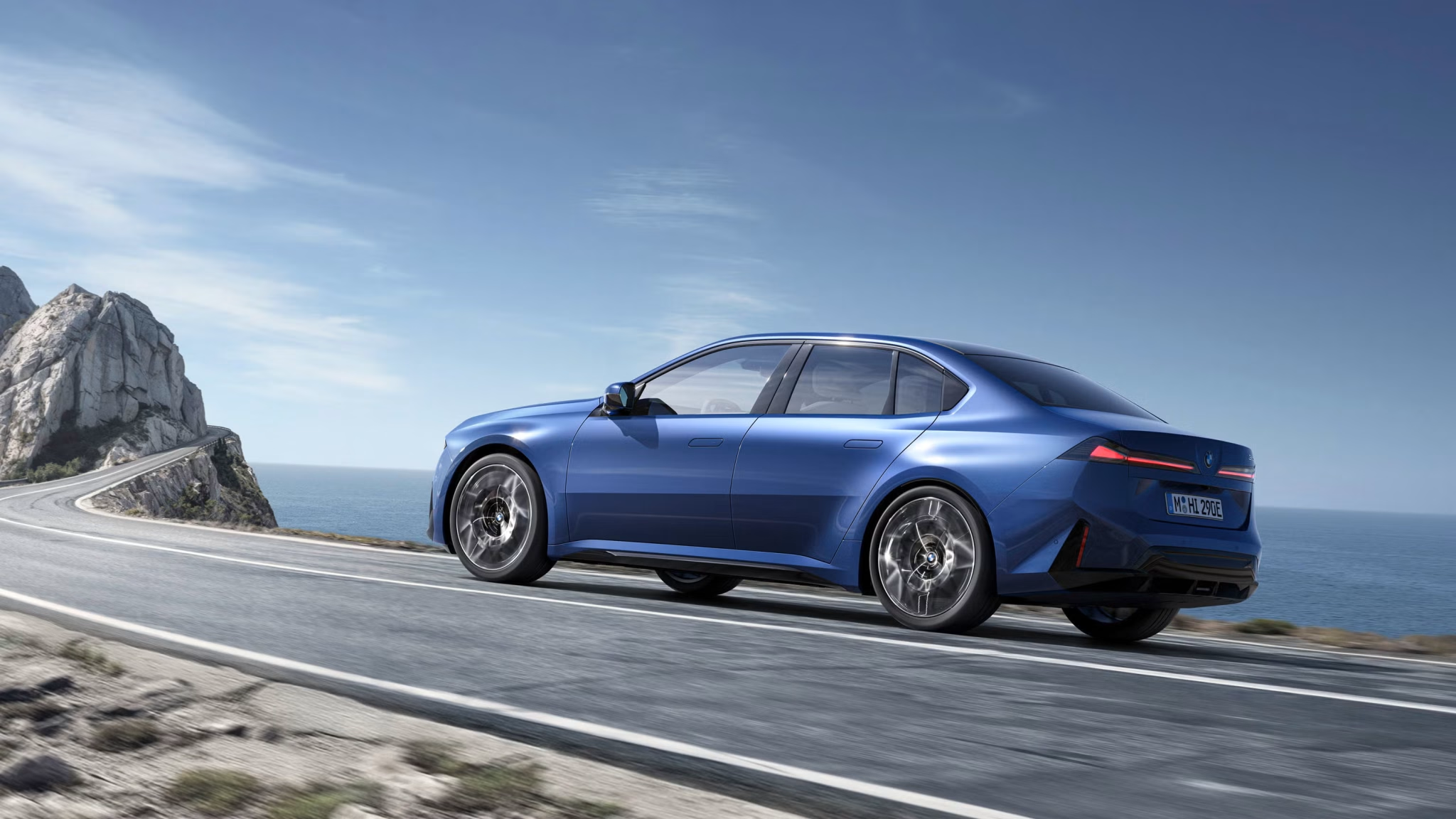
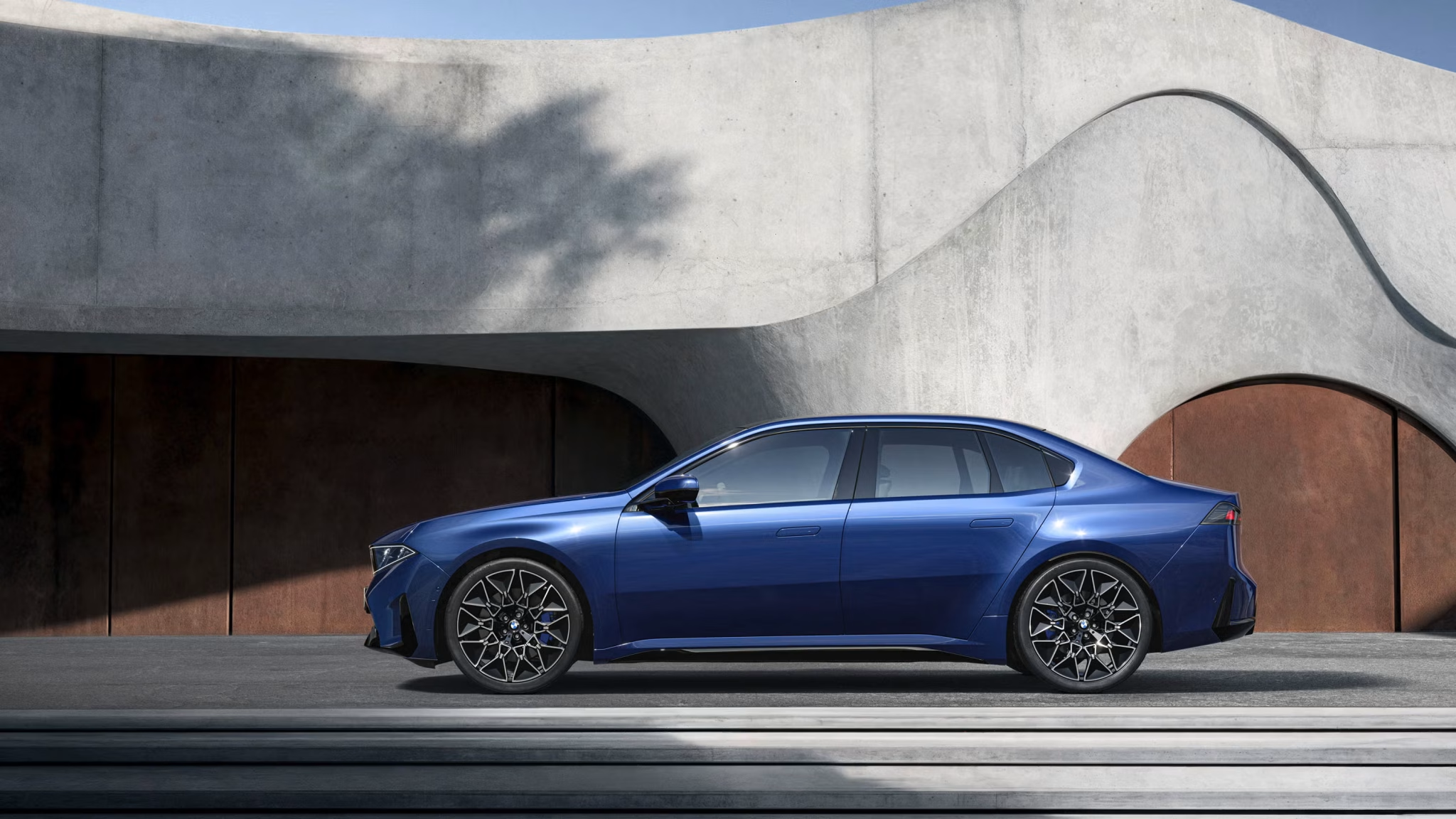
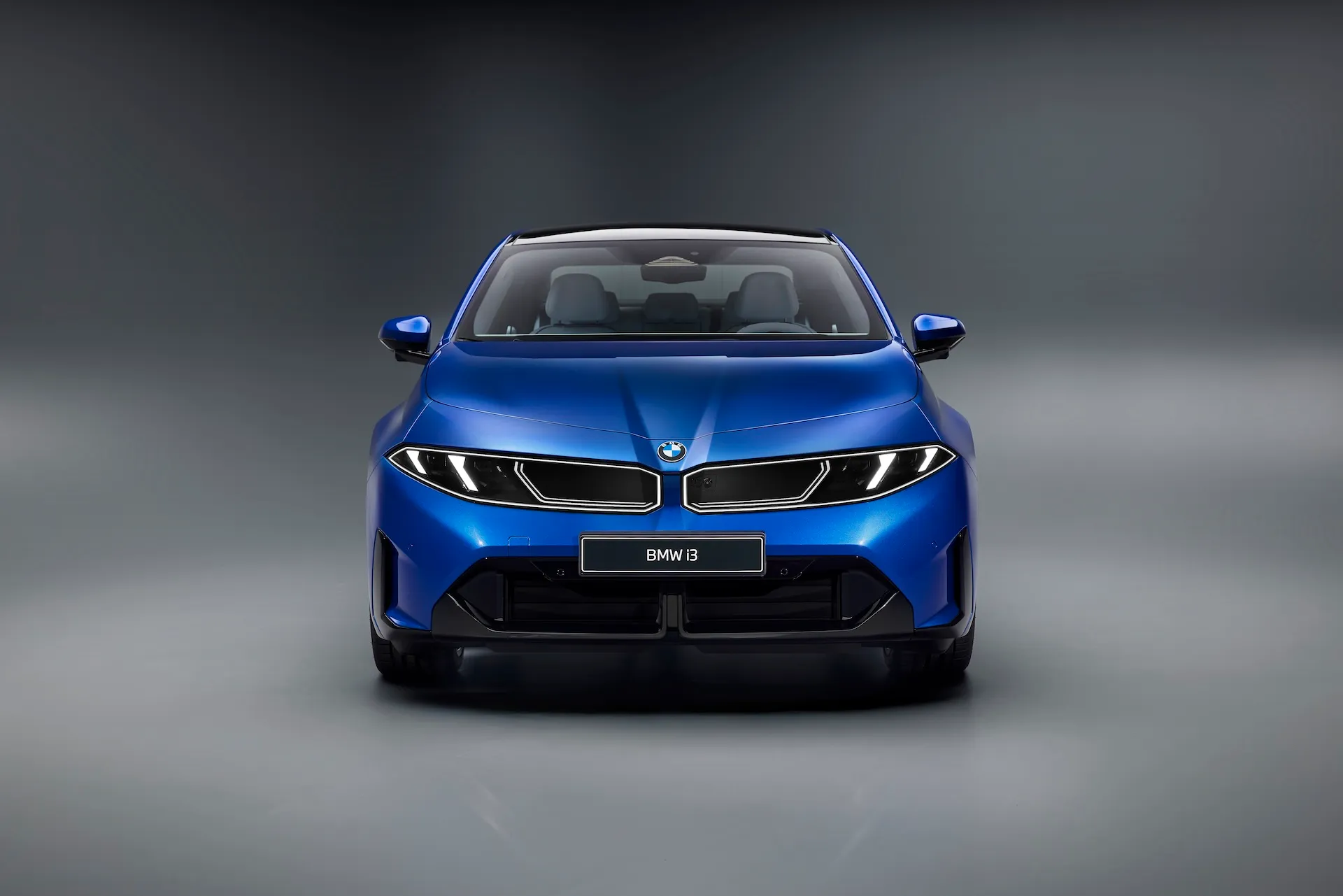
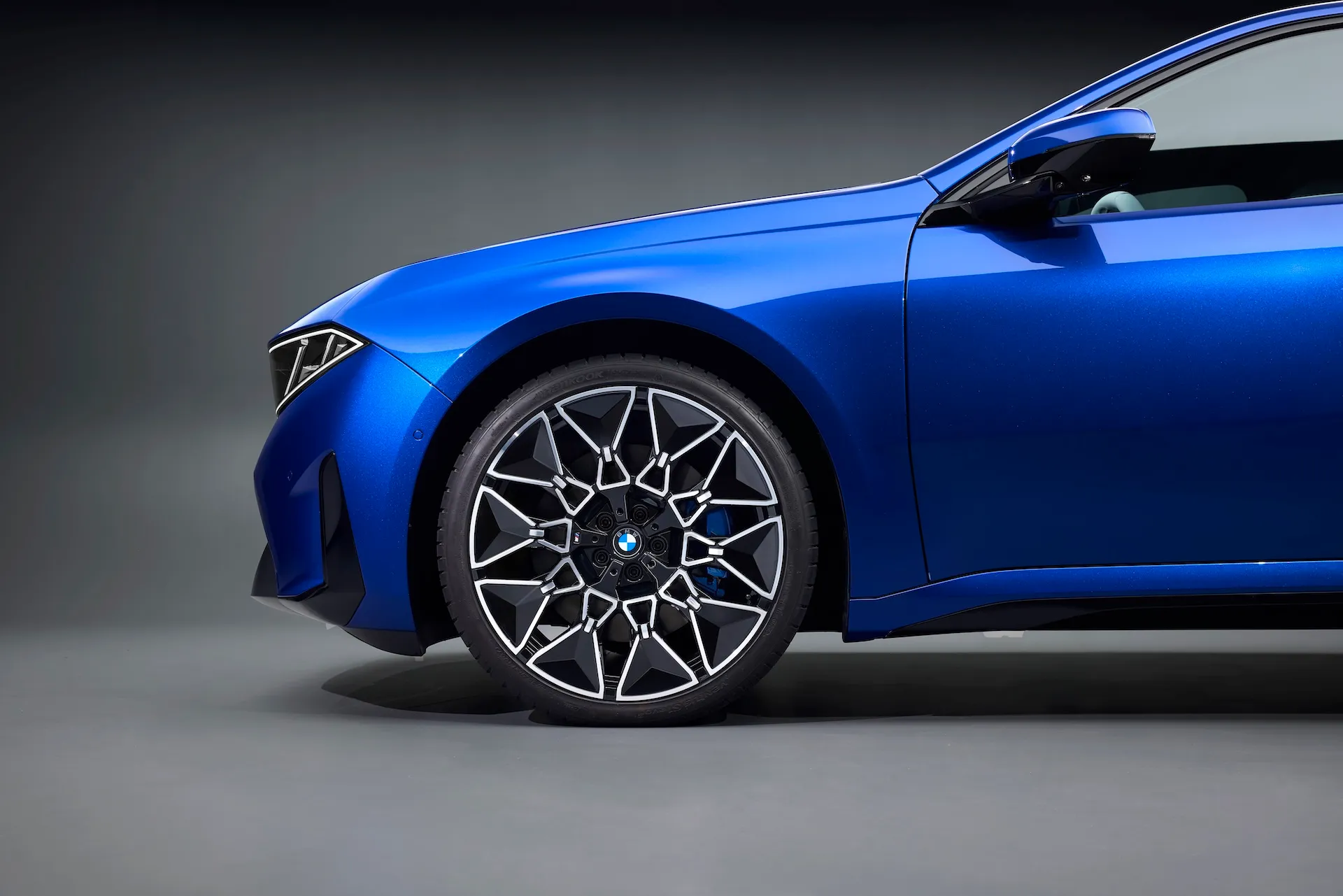
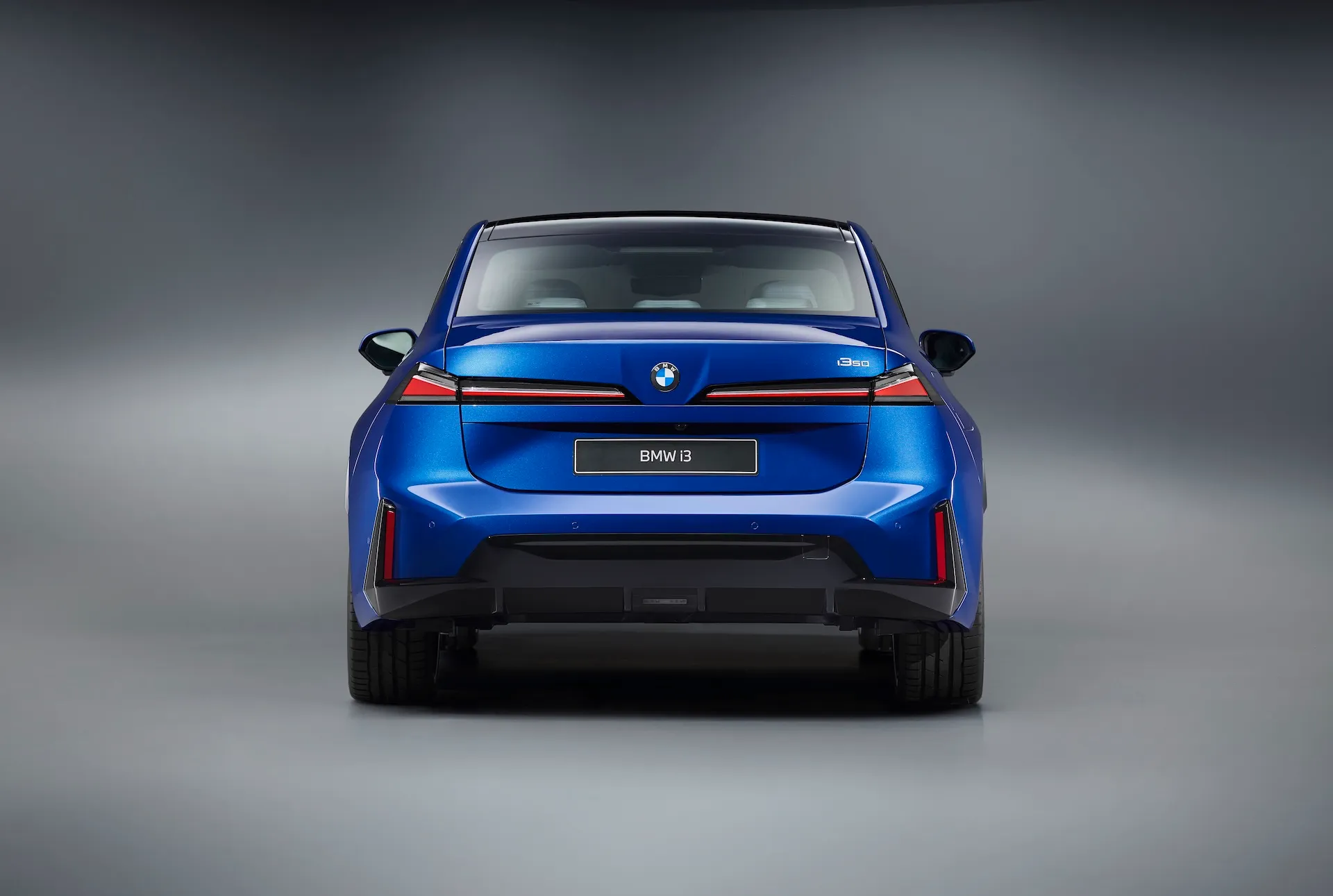
Restraint replaces excess. Clean flanks, balanced proportions, and a silhouette that reads as modern without straining for attention. The stance is lower and wider than the outgoing i3, the wheelbase longer, the overhangs shorter. These are choices that are as functional as they are aesthetic. A longer wheelbase opens up interior space, shorter overhangs sharpen turn-in, and a lower stance improves aerodynamics and stability at speed.
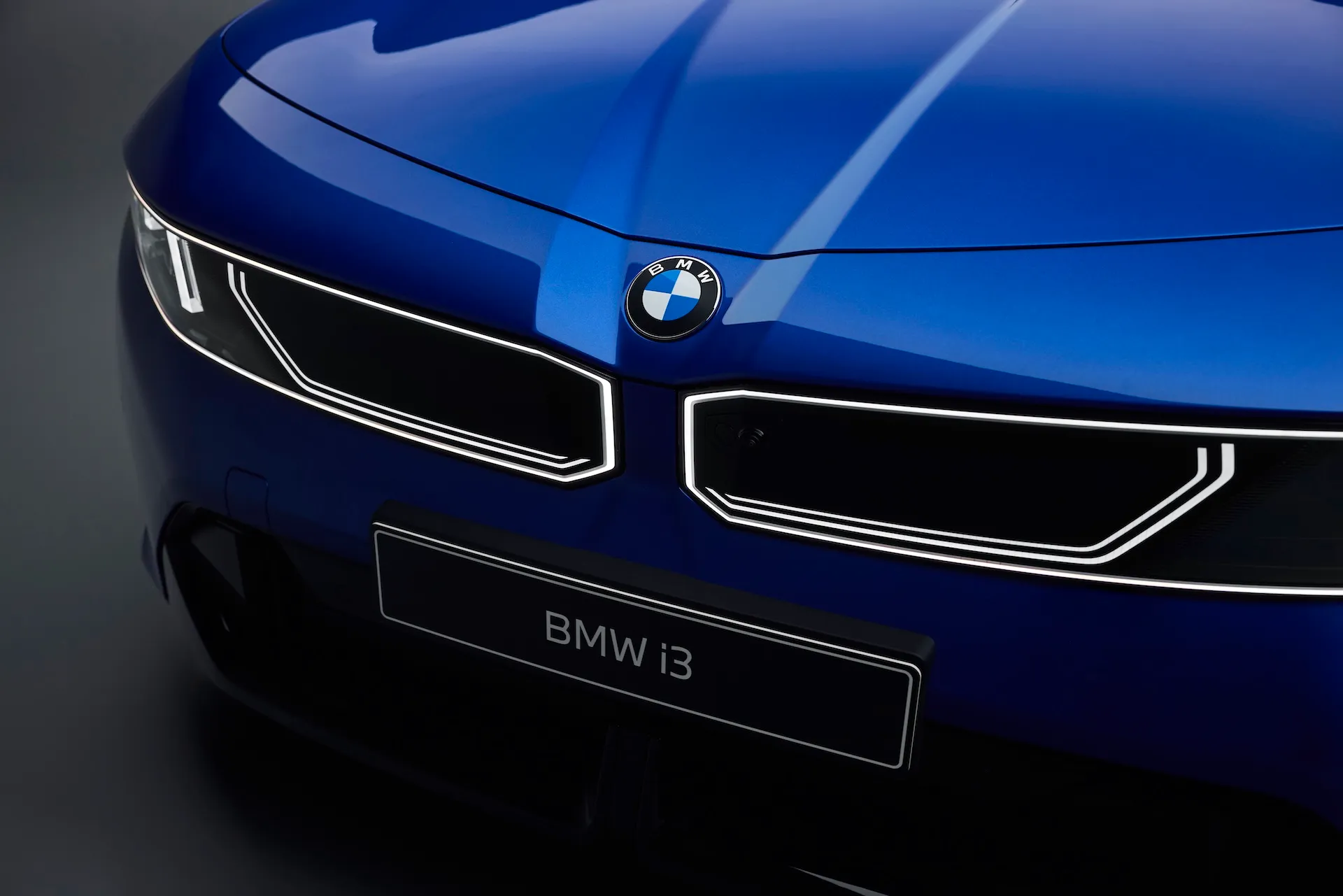
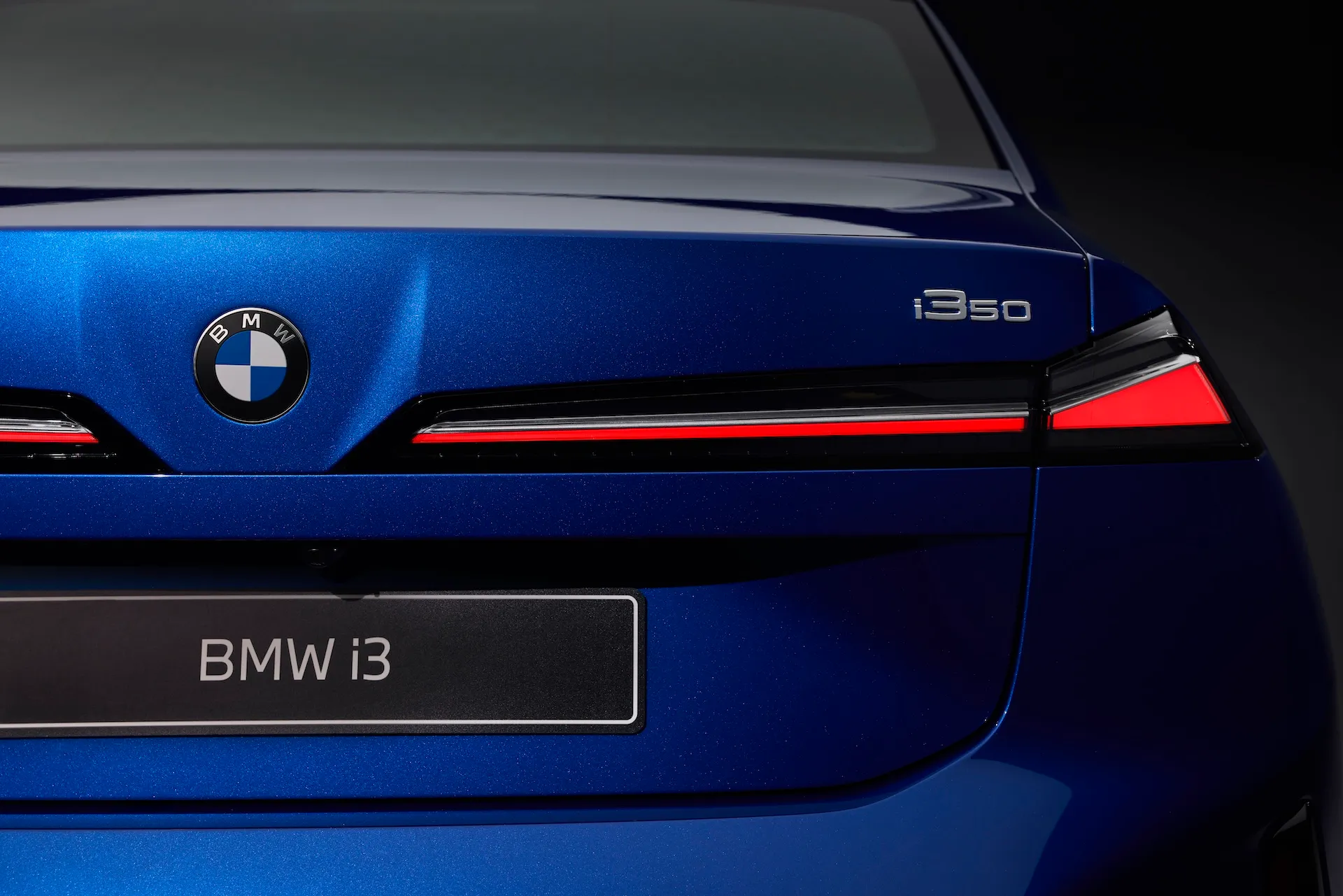
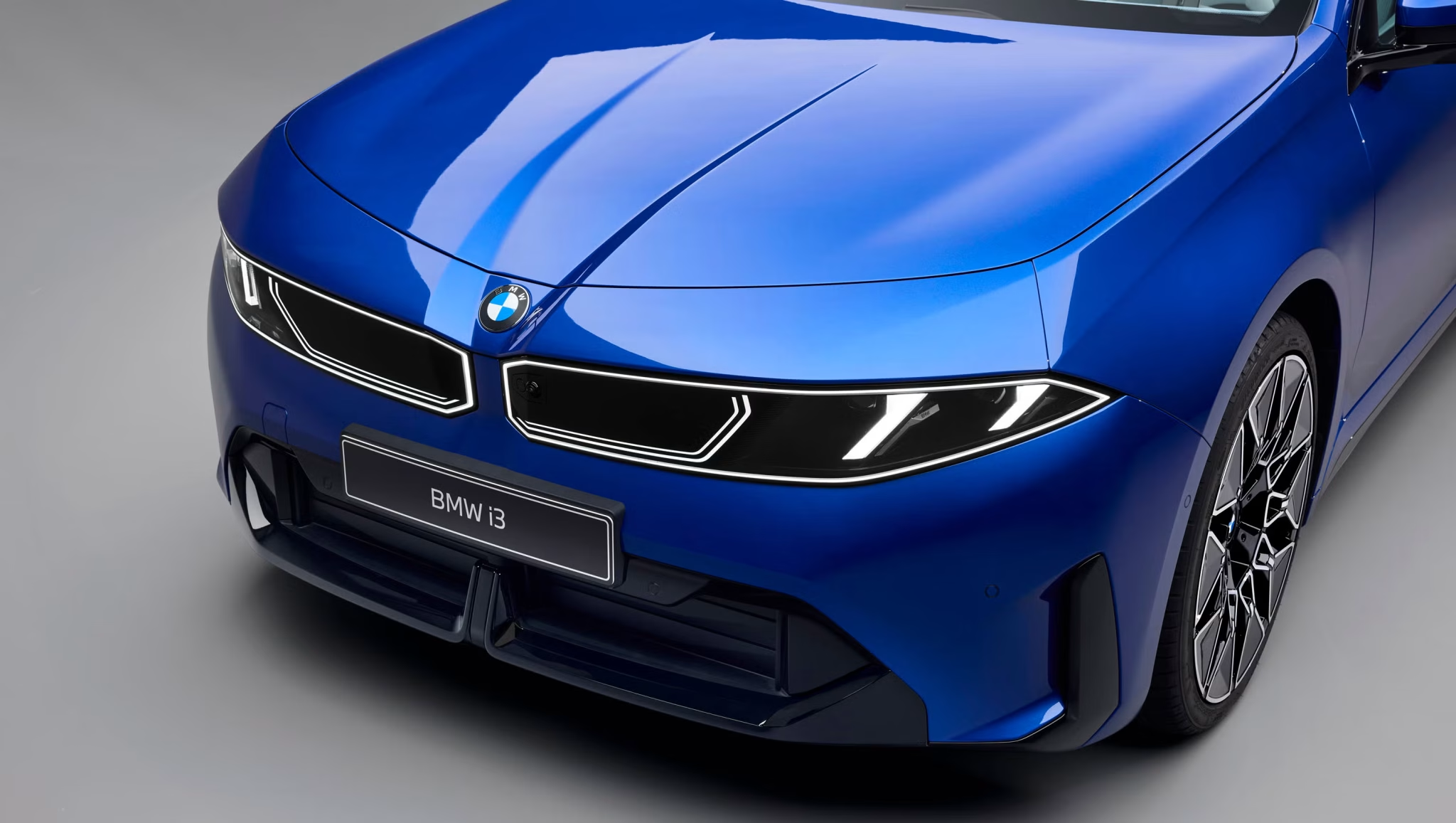
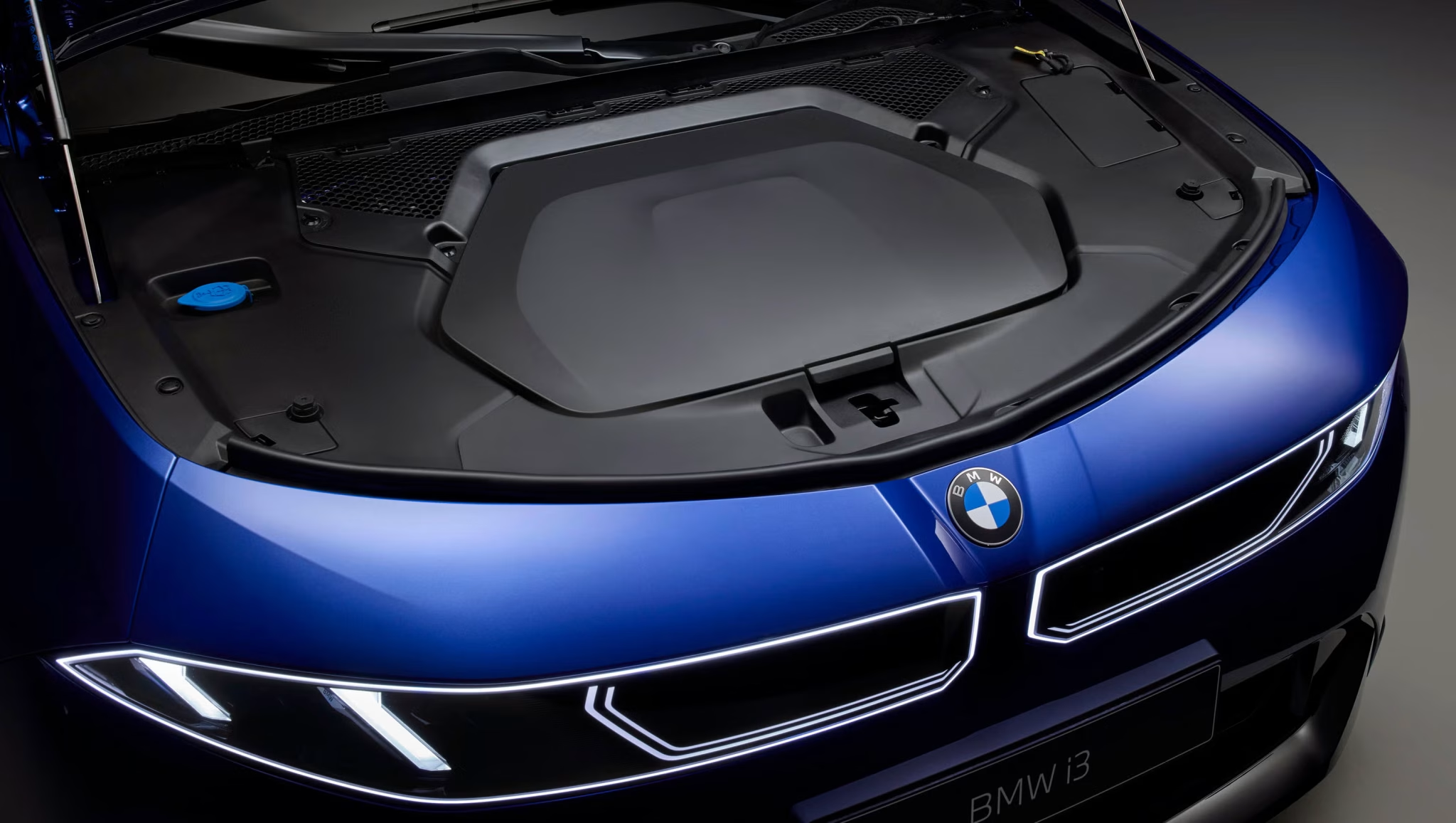
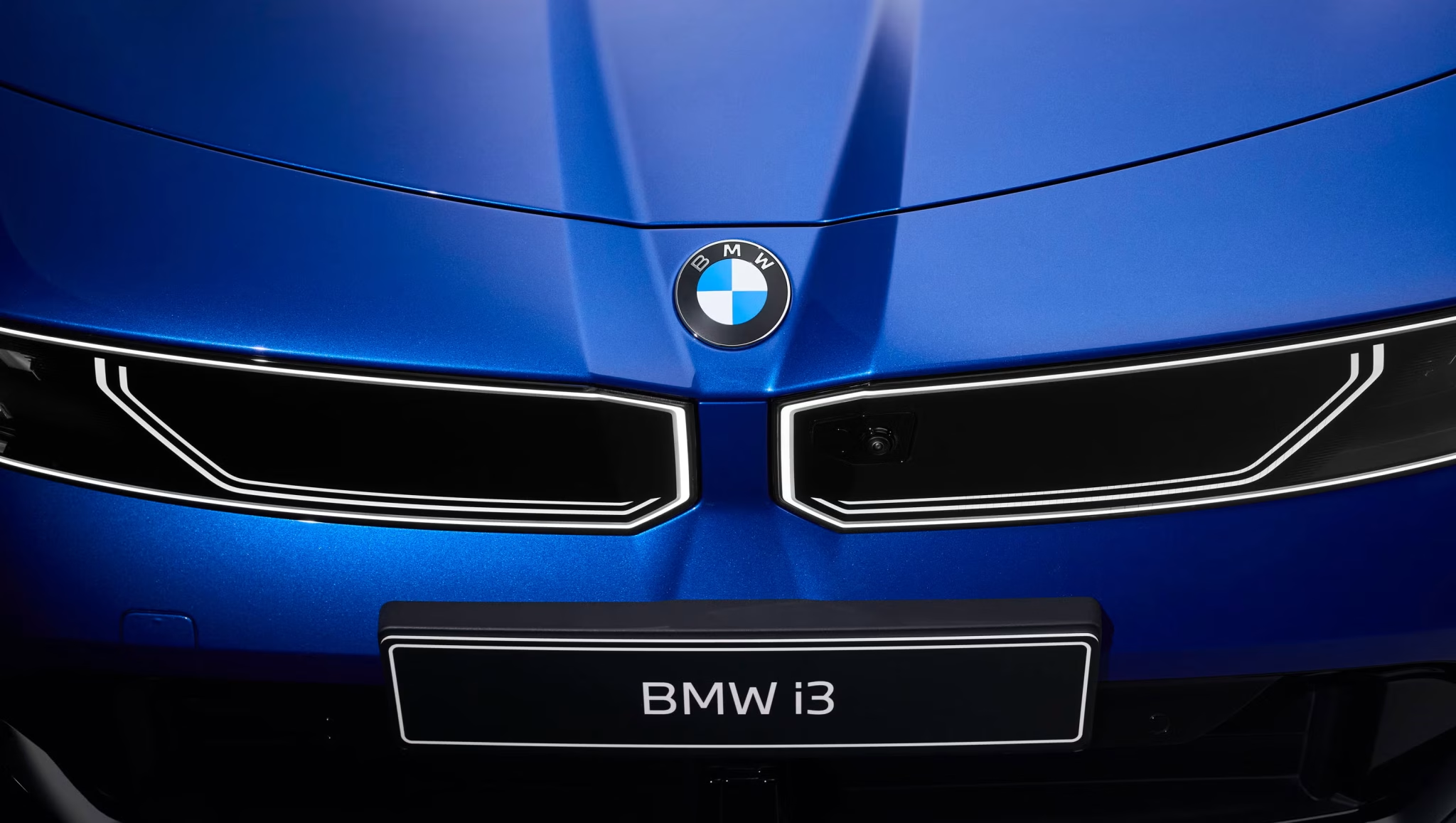
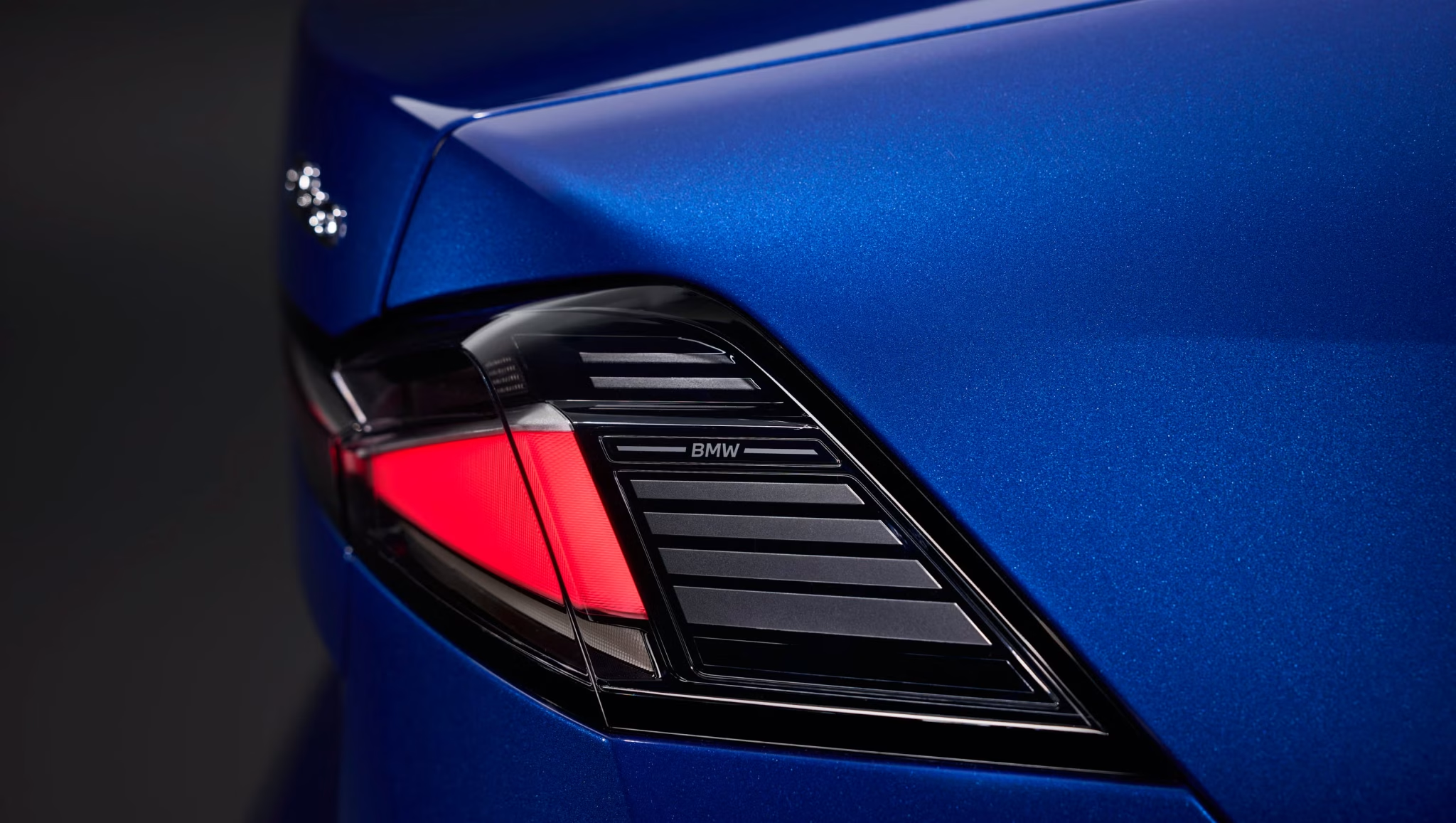
Even the kidney grille, BMW’s most debated design element, gets a rethink. It’s still there because this is still a BMW, but it’s slimmer, more integrated, and far less dominant. It belongs to the face rather than defining it. Lighting signatures are thin and precise, giving the car a distinct identity at night without overdoing it.
Perhaps most encouragingly, early production previews suggest the 2027 i3 will stay remarkably close to the concept car’s shape. BMW isn’t bait-and-switching here. What you’ve seen is largely what you’ll get.
Interior: A Digital Experience That Feels Human
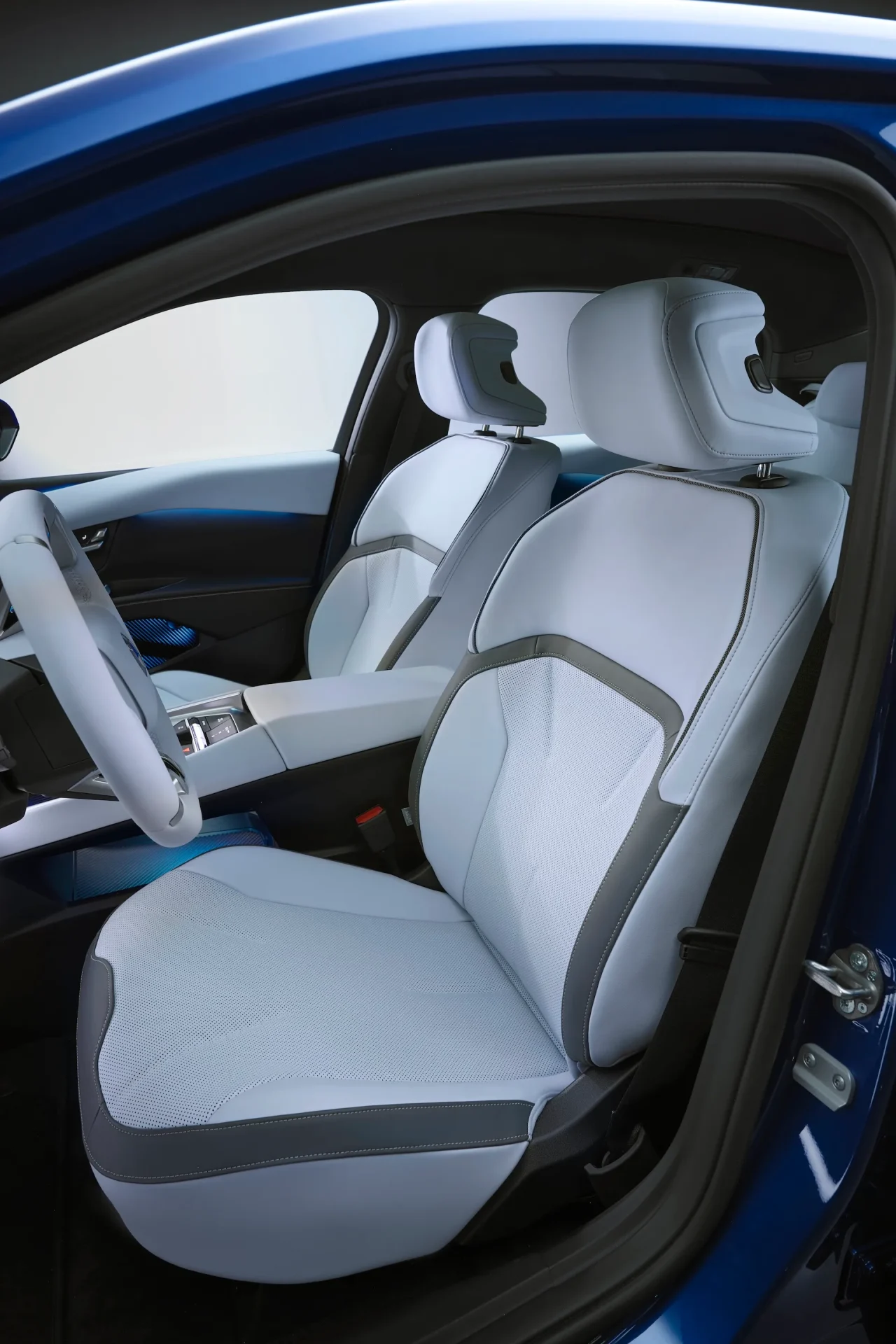
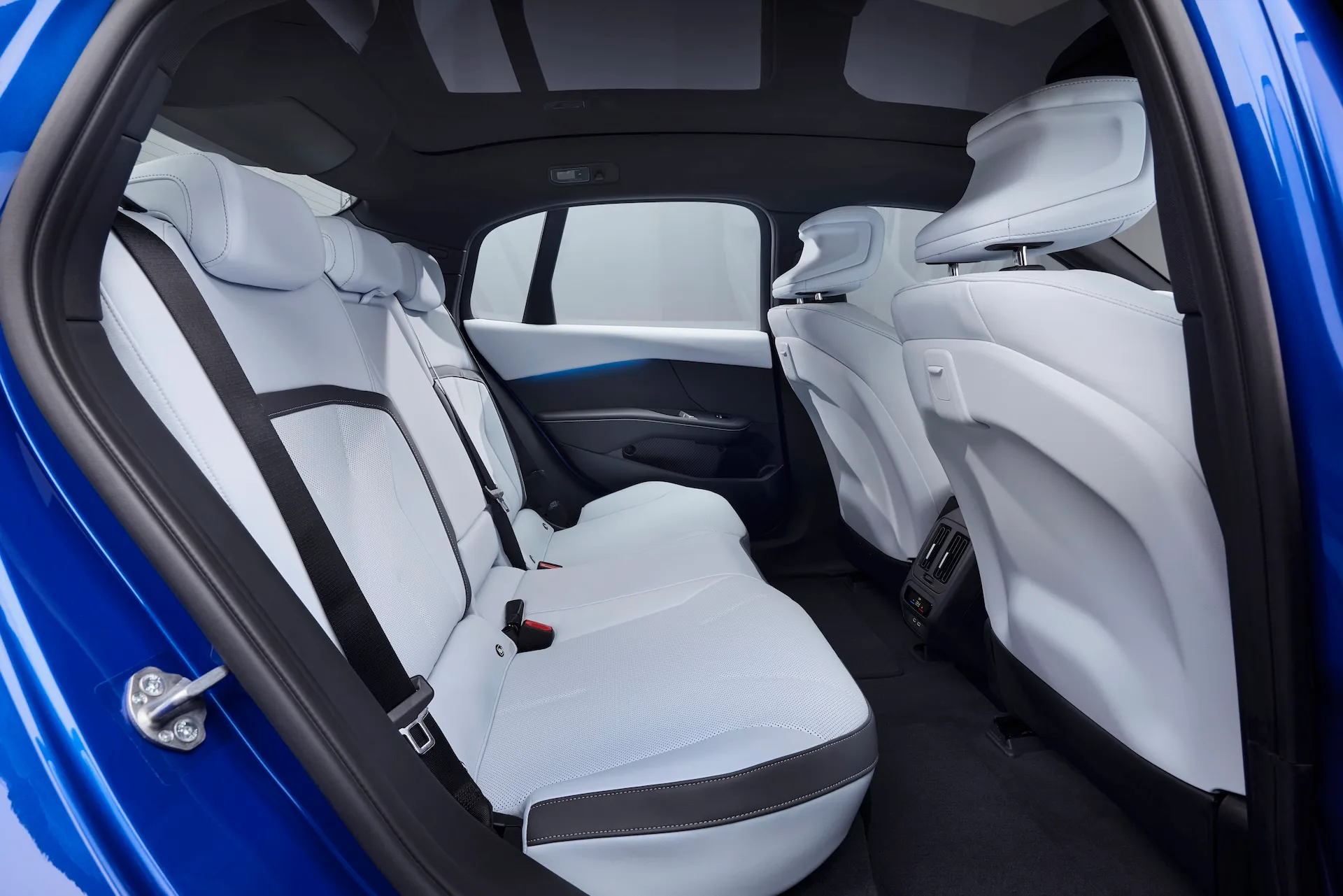
The interior of the 2027 BMW i3 makes an argument that’s been missing from too many modern cabins: that digital integration and human-centered design aren’t mutually exclusive.
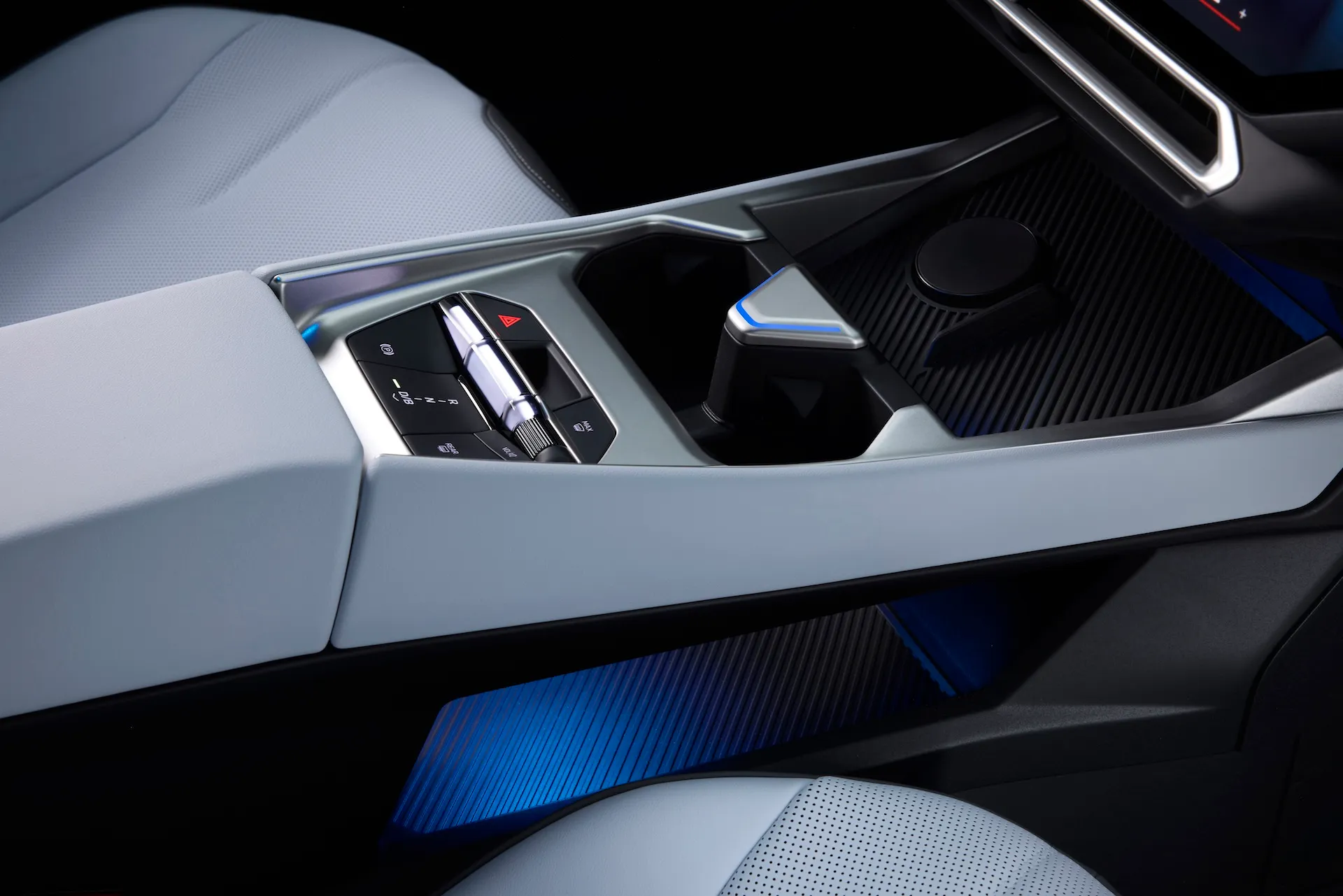
BMW’s new generation iDrive system anchors the dashboard with a panoramic display that stretches across the driver’s field of view, blending the instrument cluster and infotainment into a single visual plane. The goal isn’t more screen real estate. It’s eliminating the fragmented, multi-display layouts that force drivers to hunt for information. Everything lives together, presented in a hierarchy that makes sense while you’re actually driving.
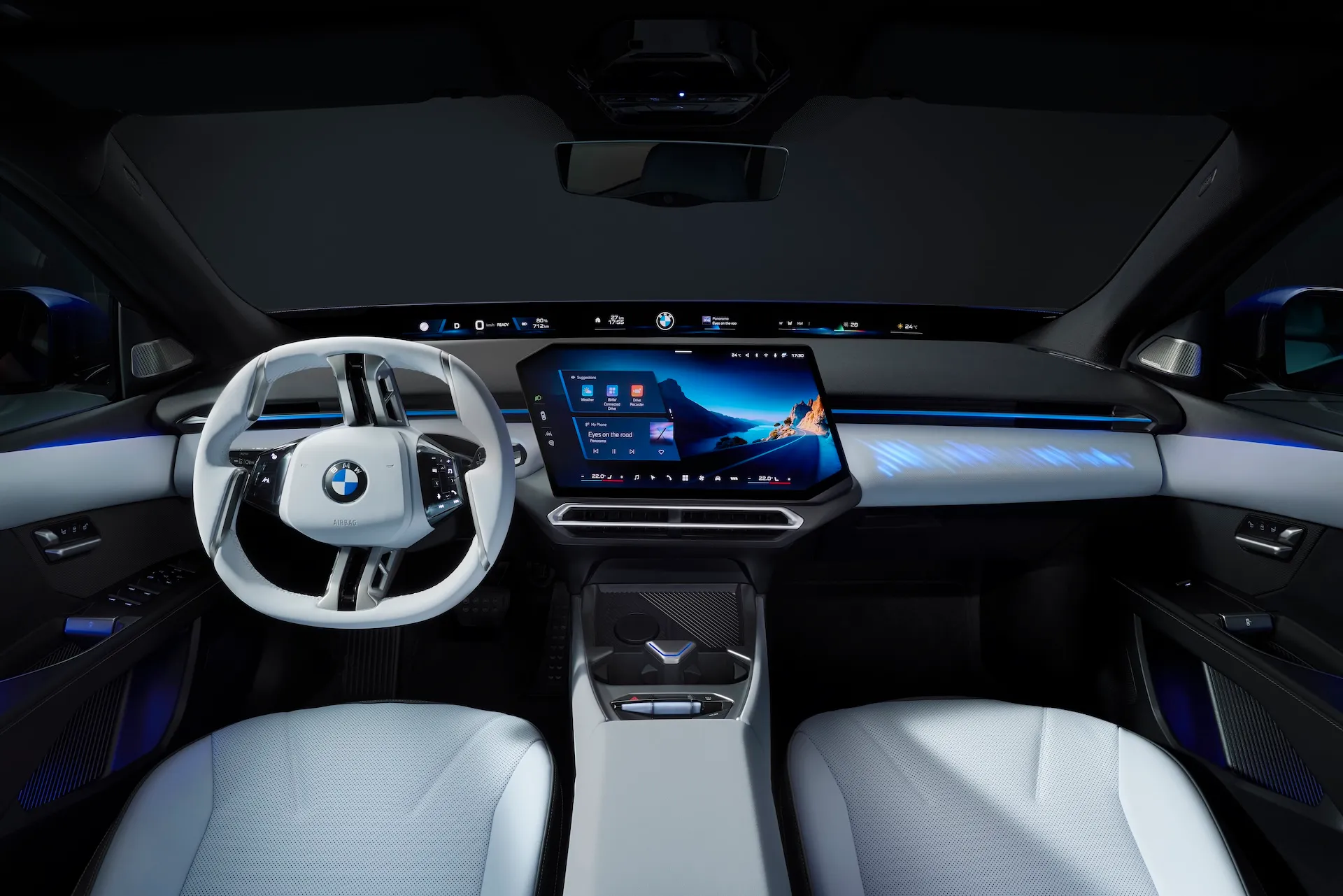
The software running underneath is new as well, built to handle larger data loads with lower latency. Response times improve, animations are smoother, and the voice control system powered by an AI assistant that understands conversational commands rather than rigid syntax becomes genuinely useful rather than a gimmick.
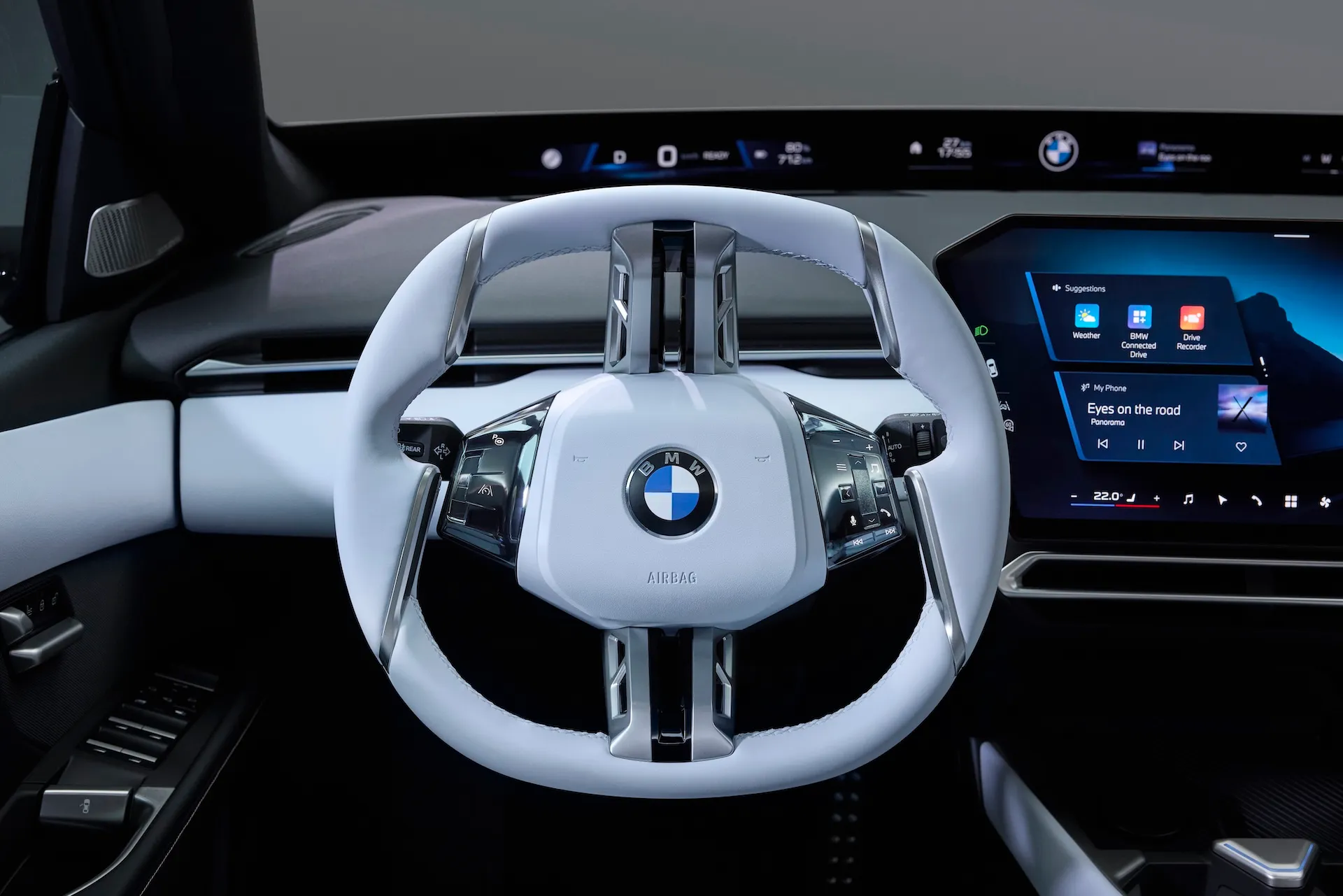
Material choices tell a similar story. BMW is leaning into sustainable textiles, recycled composites, and plant-based materials throughout the cabin, but without sacrificing the tactile quality that defines a premium interior. The result feels considered, responsible and upscale at the same time, which is harder to achieve than it sounds. Physical controls are further reduced, reinforcing the software-first philosophy without going full touchscreen-only, a lesson BMW seems to have learned from the broader industry’s overcorrection.
Driving Dynamics: The Only Question That Really Matters
Everything else is context. This is the section that will define whether the 2027 i3 is a milestone or a missed opportunity.
BMW has heard the criticism. The brand that once owned the enthusiast sedan segment has spent recent years ceding ground to rivals who prioritize engagement while chasing efficiency metrics and technology checkboxes. The 2027 i3 is a direct response, not just in marketing language but in engineering priorities.
Dual motor variants will deliver strong straight-line performance, likely matching or exceeding the output of current sport sedans in the class. But BMW’s engineers have been clear that straight-line speed is not the objective. Steering feel, chassis balance, and the kind of connected, communicative driving experience that made a 3 Series feel alive are the real targets.
The lower center of gravity afforded by the Neue Klasse battery placement reduces body roll without requiring the suspension to be punishingly stiff. Increased chassis rigidity sharpens responses. BMW is also reworking its regenerative braking system to feel linear and predictable rather than grabby and artificial, a detail that sounds minor but has an outsized effect on how enjoyable a car is to drive every day.
Frank Weber, BMW’s development chief, has said that future EVs must deliver “the ultimate driving machine experience in a fully electric world.” That’s a high bar. The 2027 i3 is the first car that will actually be measured against it.
Software, Connectivity, and Over the Air Evolution
The 2027 i3 is built to evolve. Over-the-air software updates allow BMW to improve performance, refine existing features, and add new functionality without a dealership visit, and the architecture is designed to make those updates feel seamless rather than disruptive.
Navigation integrates real-time charging data, live traffic conditions, and predictive energy modeling to suggest optimal routes and charging stops based on your actual driving style. The car learns. Smartphone and smart home integration goes deeper than previous generations, with remote climate preconditioning, charge monitoring, and vehicle controls accessible away from the car.
BMW is also investing heavily in cybersecurity infrastructure, an increasingly critical consideration as vehicles accumulate more personal data and connectivity touchpoints. It’s not a headline feature, but it’s the kind of foundational work that matters.
Charging Infrastructure and Real World Usability
Faster charging solves problems. The 2027 i3 is expected to hit 10 to 80 percent in under 30 minutes under optimal DC fast charging conditions. That’s not a revolution, but it’s a meaningful step toward removing one of the last genuine friction points in everyday EV ownership.
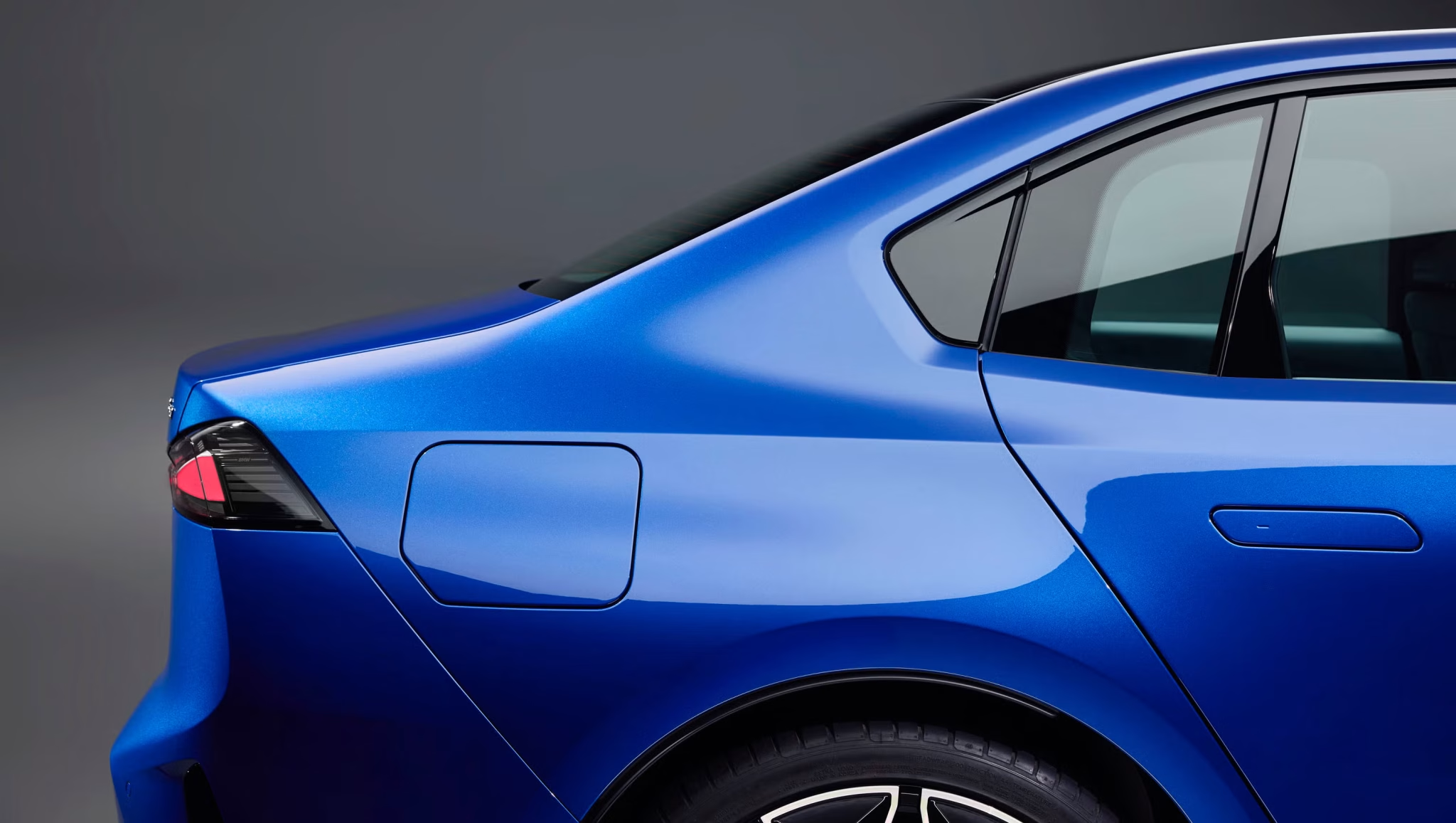
Battery management systems are being refined to maintain consistent charging speeds across a wider range of temperatures and usage patterns. That consistency matters more than peak numbers, because peak conditions rarely reflect what most drivers actually encounter. BMW is also expanding its charging network partnerships, recognizing that the car is only as good as the infrastructure supporting it.
The Competition and Why BMW’s Bet Is Different
The segment the 2027 i3 enters is more crowded than ever. Tesla‘s Model 3 sets the software and charging ecosystem benchmark. The Mercedes EQE leans into luxury and interior refinement. Upcoming Audi electric sedans will challenge on design and perceived quality. Each has a clear identity and a loyal base.
BMW’s approach isn’t to out-Tesla Tesla or out-luxury Mercedes. It’s to be the one that drives best. The option that enthusiasts choose when they’re finally ready to go electric but aren’t ready to give up the feeling they’ve always associated with a performance sedan. That’s a narrower target, but it may be exactly the right one.
What Comes Next
Production of the 2027 BMW i3 is expected to begin in Europe before expanding globally, making it one of the first Neue Klasse models to reach customers. It won’t be the last. BMW has committed to rolling the platform across multiple segments including SUVs, performance variants, and more specialized models over the coming years. By the end of the decade, electric vehicles are expected to represent a substantial share of BMW’s global sales volume.
The i3 sets the tone for all of it. Get this right, and the rest follows.
A BMW That Has to Earn the Name
The original i3 was a brave experiment. It asked a lot of its owners and gave them something genuinely unusual in return. This one is a statement. BMW is betting that you should not have to compromise to drive electric. Not in range, not in performance, and not in the way a car makes you feel when you are behind the wheel. Now it has to prove it.
Production of the 2027 BMW i3 is expected to begin in Europe, with global rollout to follow. Full specifications, pricing, and configuration options will be confirmed closer to launch.