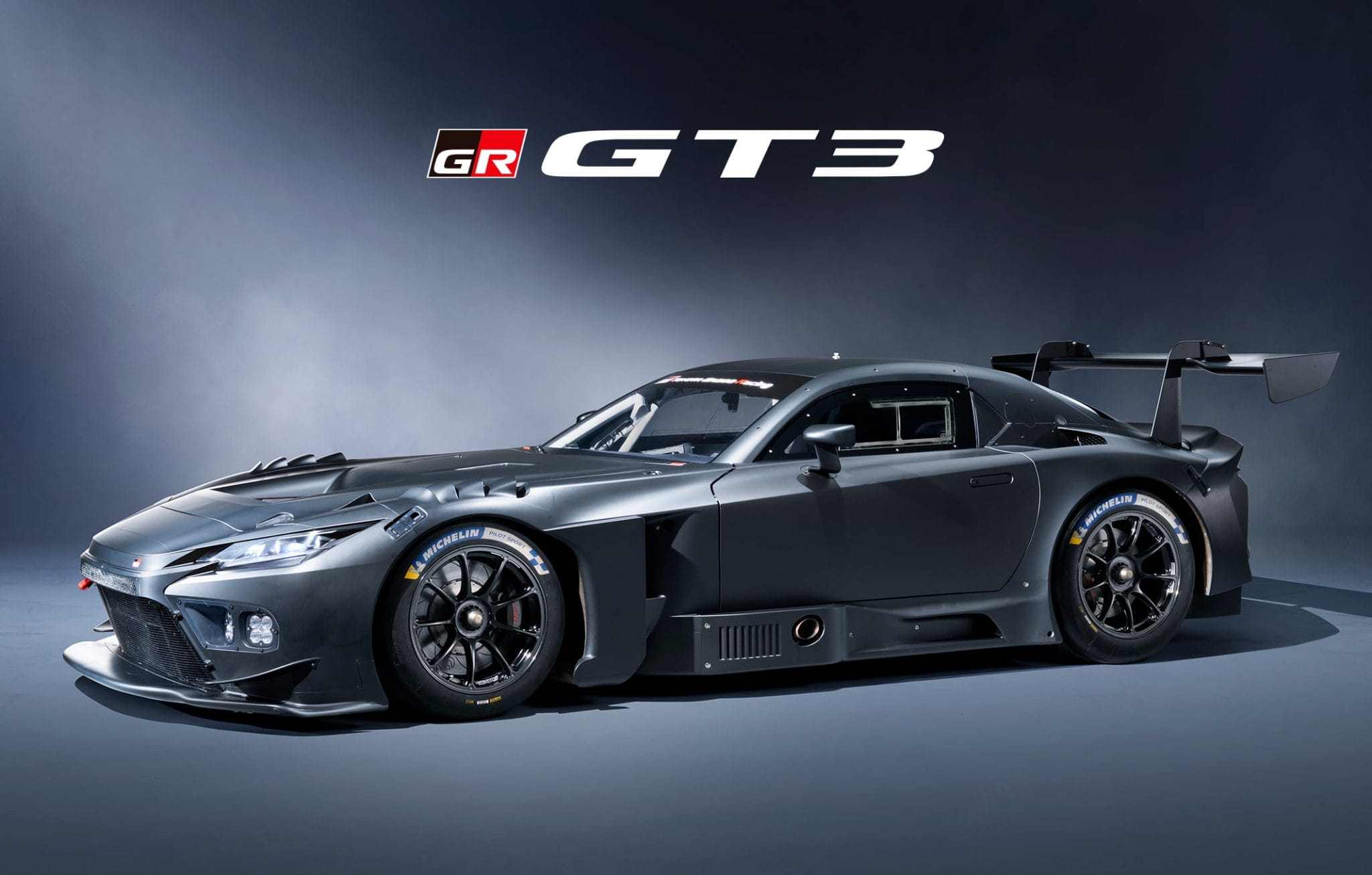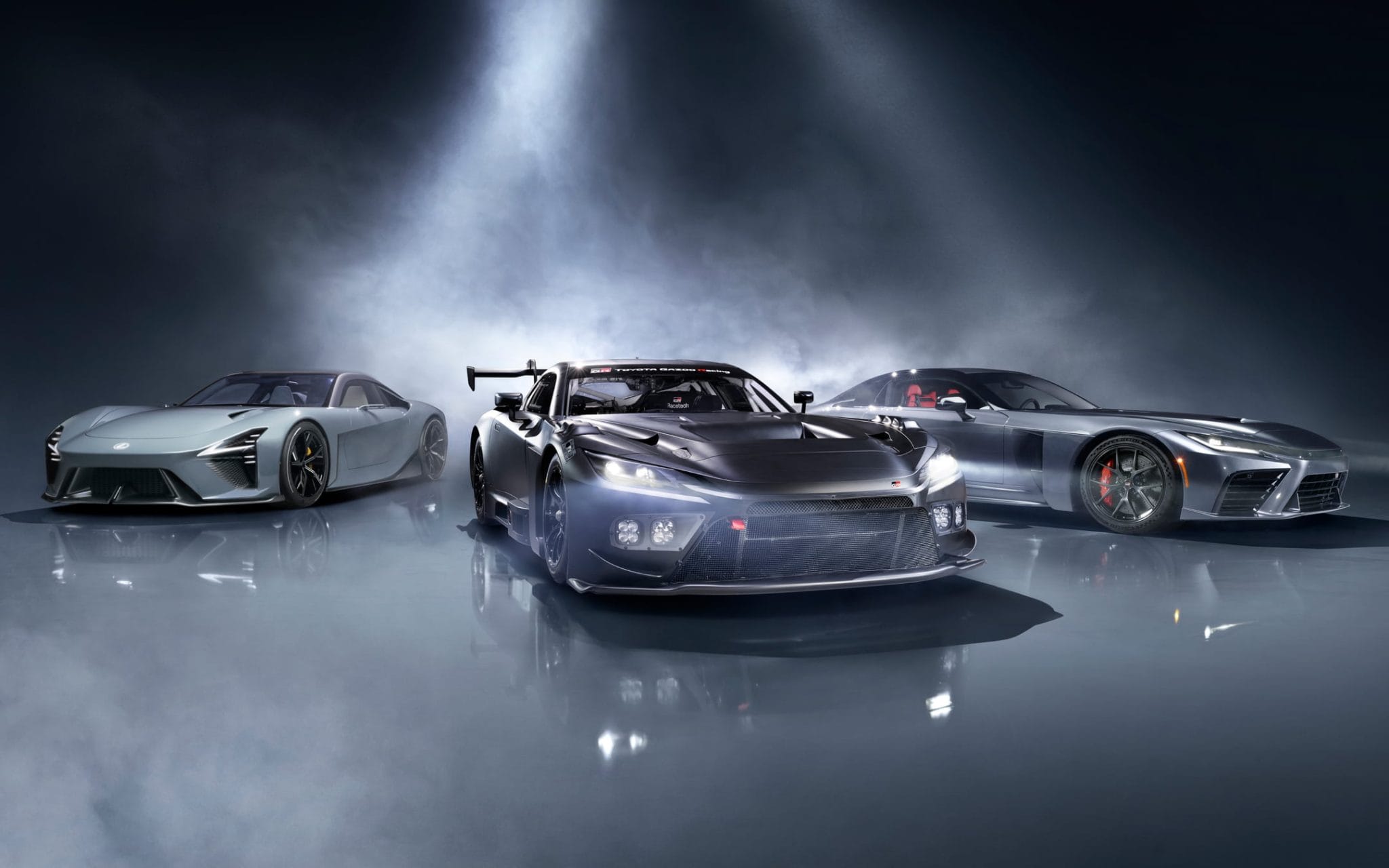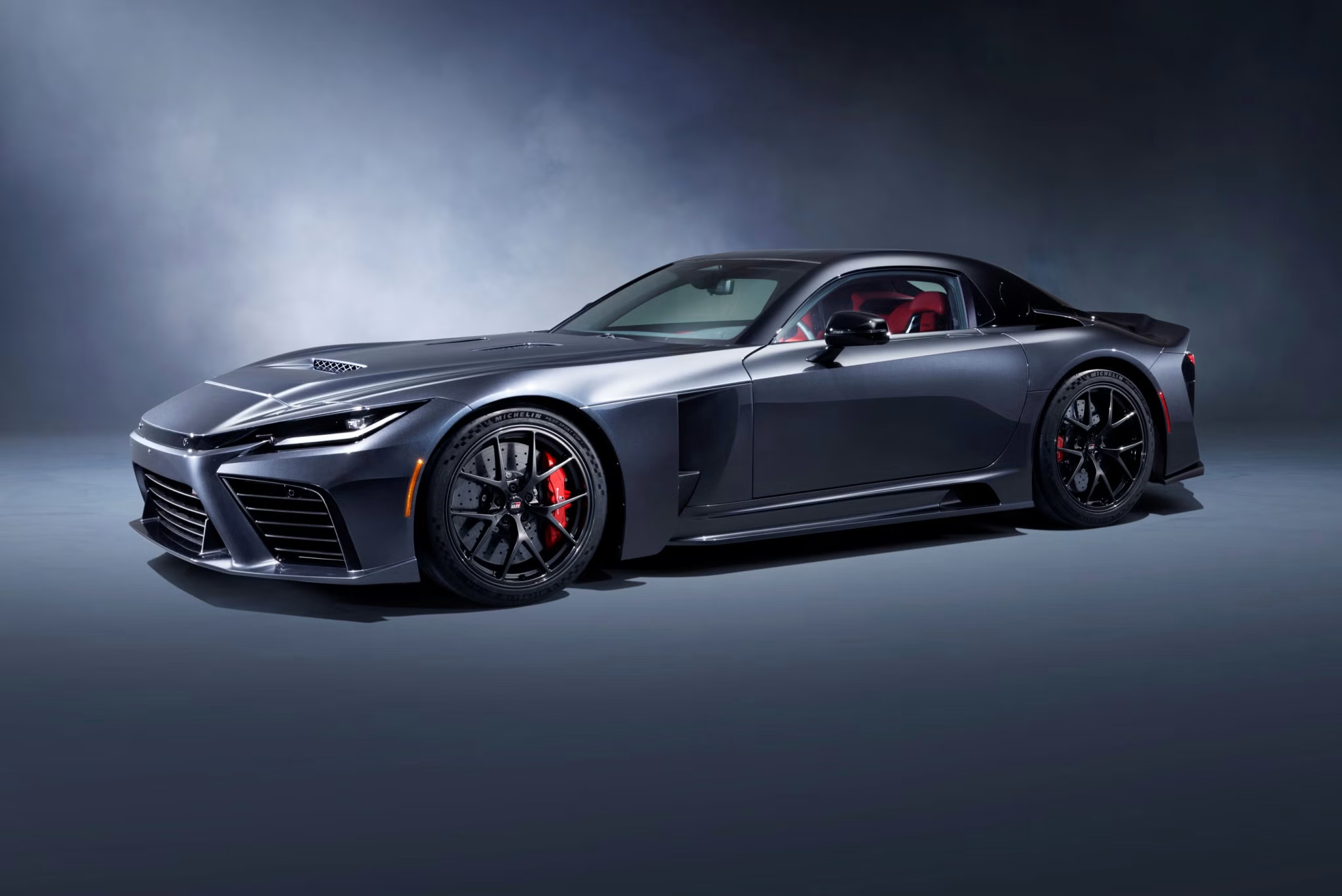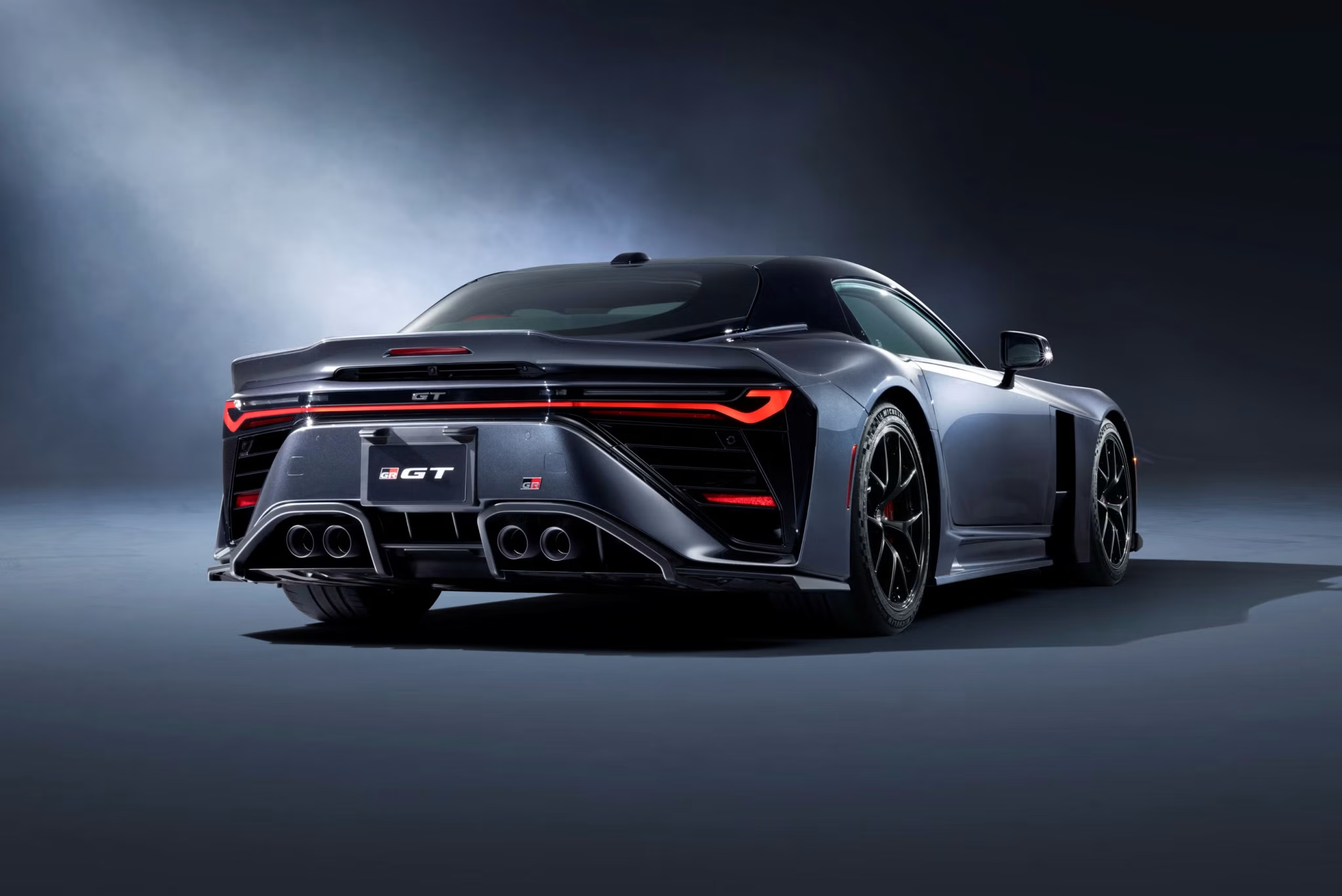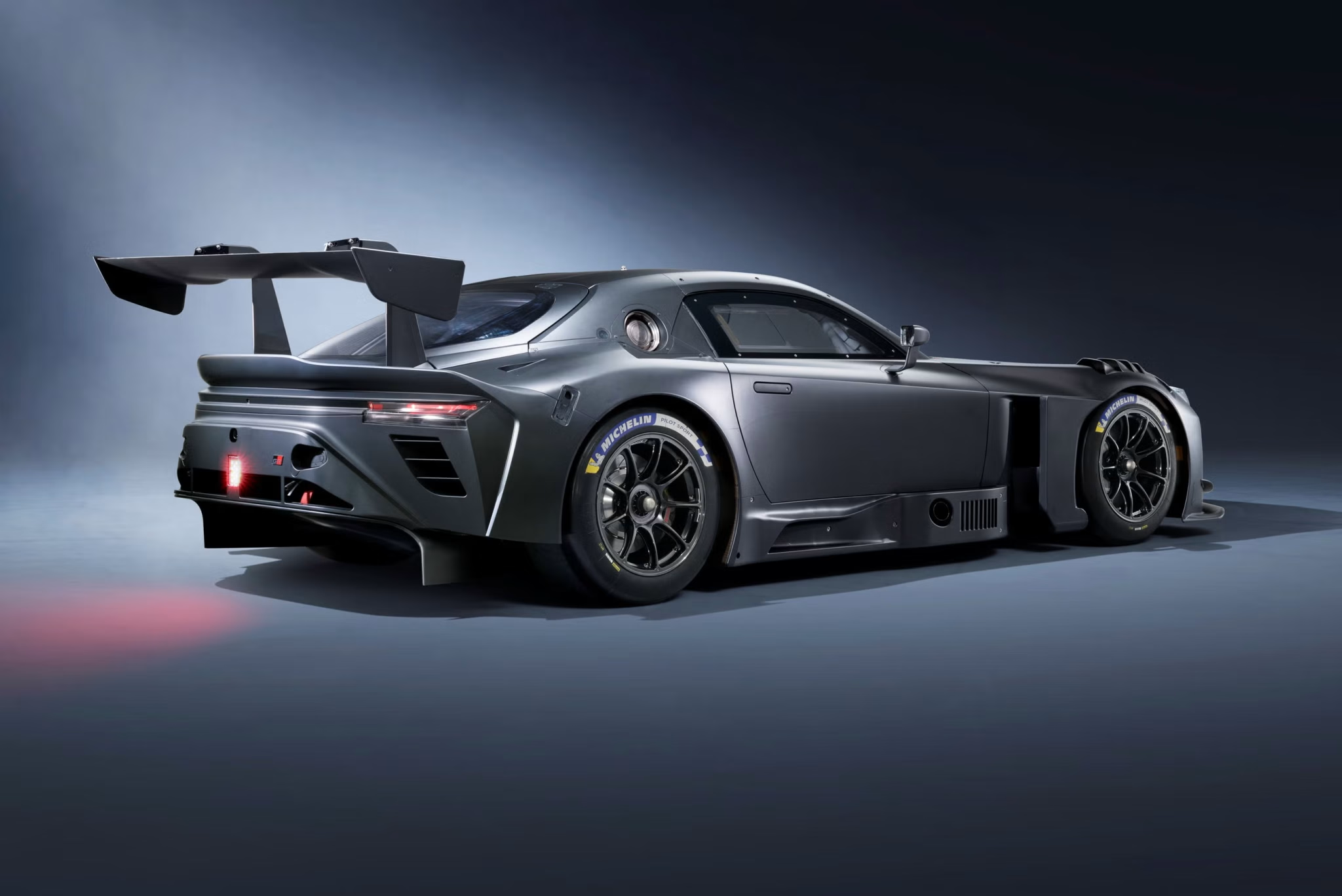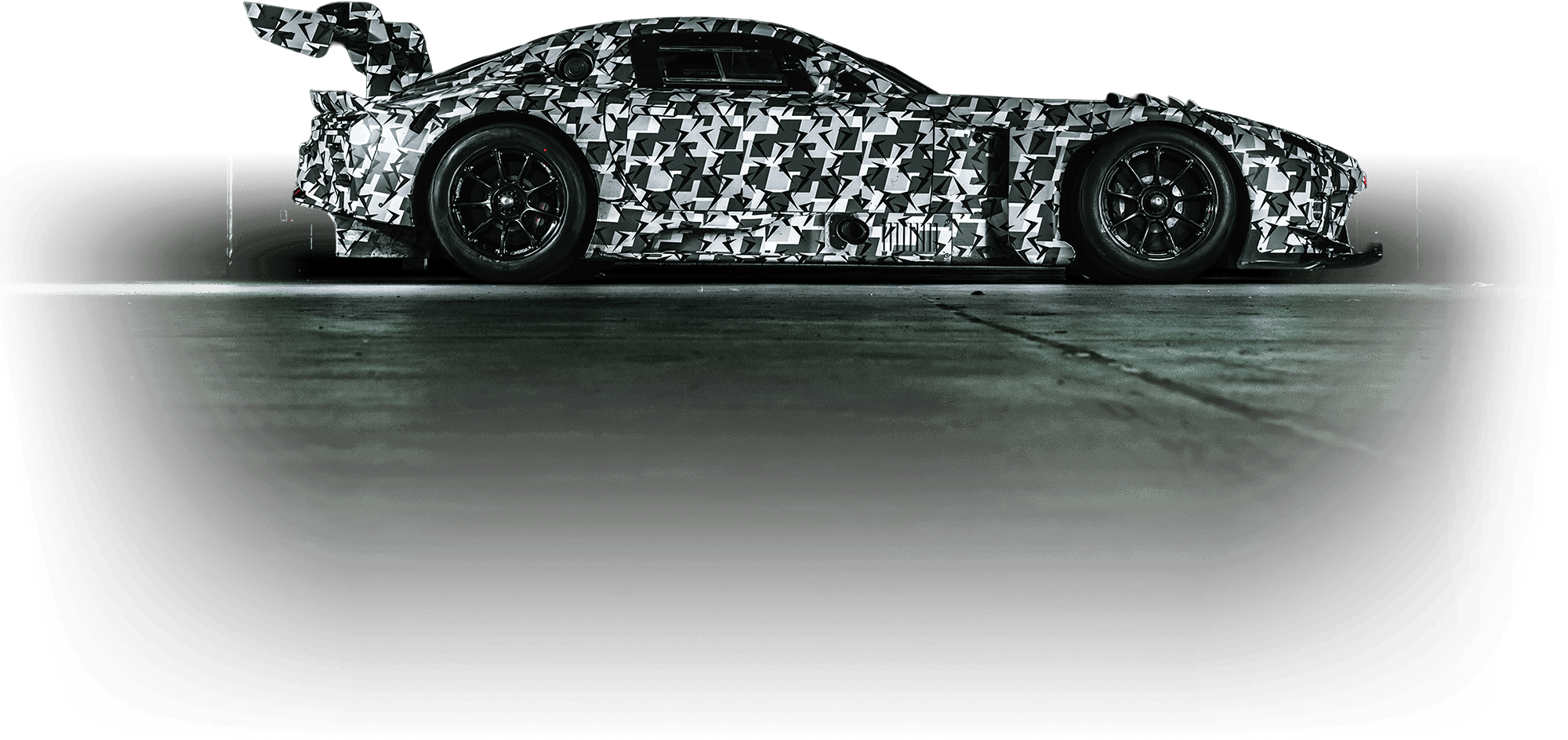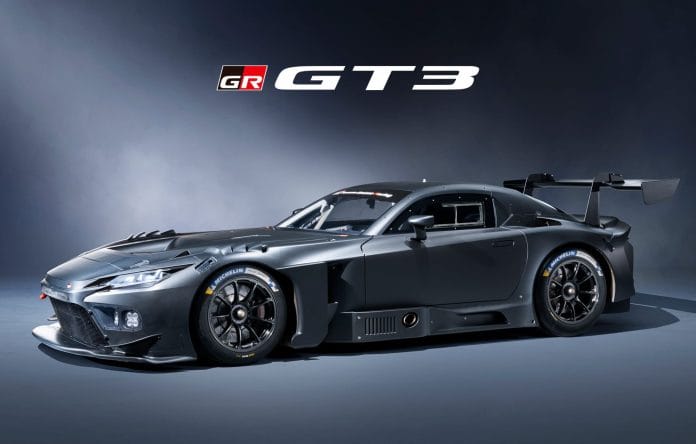
The Toyota GR GT Concept is more than a striking design study. It represents a major turning point for Toyota performance ambitions, especially when viewed alongside its closely related GT3 race version. Together, the road focused concept and the track only GT3 machine tell a complete story. They show how Toyota intends to develop performance cars from the racetrack outward, rather than the other way around.
In recent years, Toyota has rebuilt its enthusiast credibility through deliberate motorsports involvement. This concept pushes that strategy to its highest level yet. By pairing a dramatic grand touring concept with a dedicated GT3 race car, Toyota signals long term commitment rather than short term excitement. As a result, this project feels substantial, intentional, and deeply rooted in racing reality.
Gazoo Racing Influence From Day One
At the heart of this project is Toyota Gazoo Racing. The GR badge is not a cosmetic add on. Instead, it represents direct involvement from Toyota racing engineers who spend their seasons competing in endurance championships around the world. This background heavily influences both the concept car and the GT3 version.
Rather than designing a road car first and adapting it for racing, Toyota appears to be working in parallel. The GT3 car was developed alongside the concept, ensuring shared proportions, aerodynamic philosophy, and mechanical intent. Because of this, the two vehicles feel like siblings rather than distant relatives.
This approach mirrors what Toyota has learned from endurance racing. Reliability, balance, and consistency matter as much as outright speed. That philosophy carries into every visible detail of the project.
Exterior Design Driven by Aerodynamics
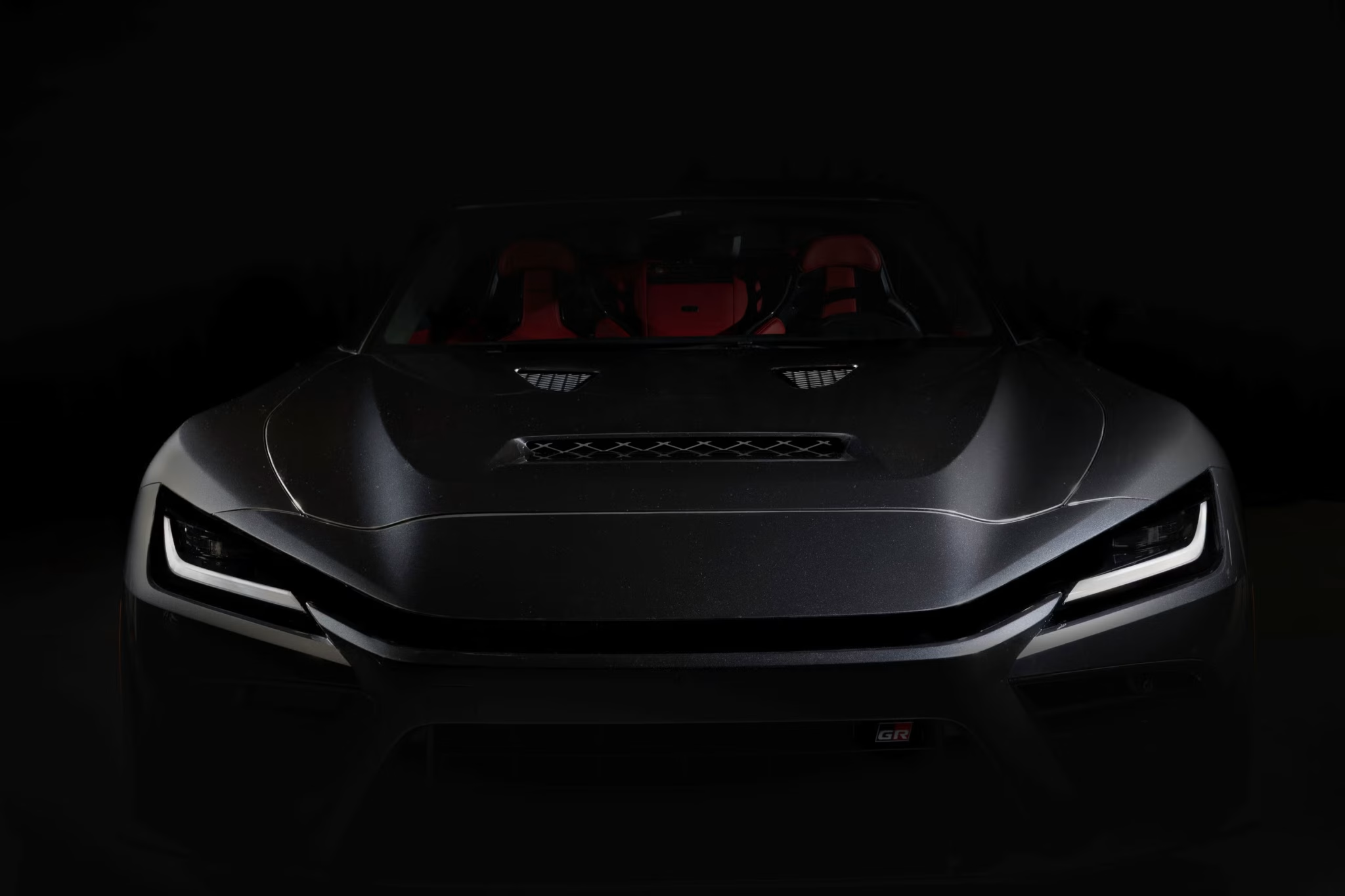
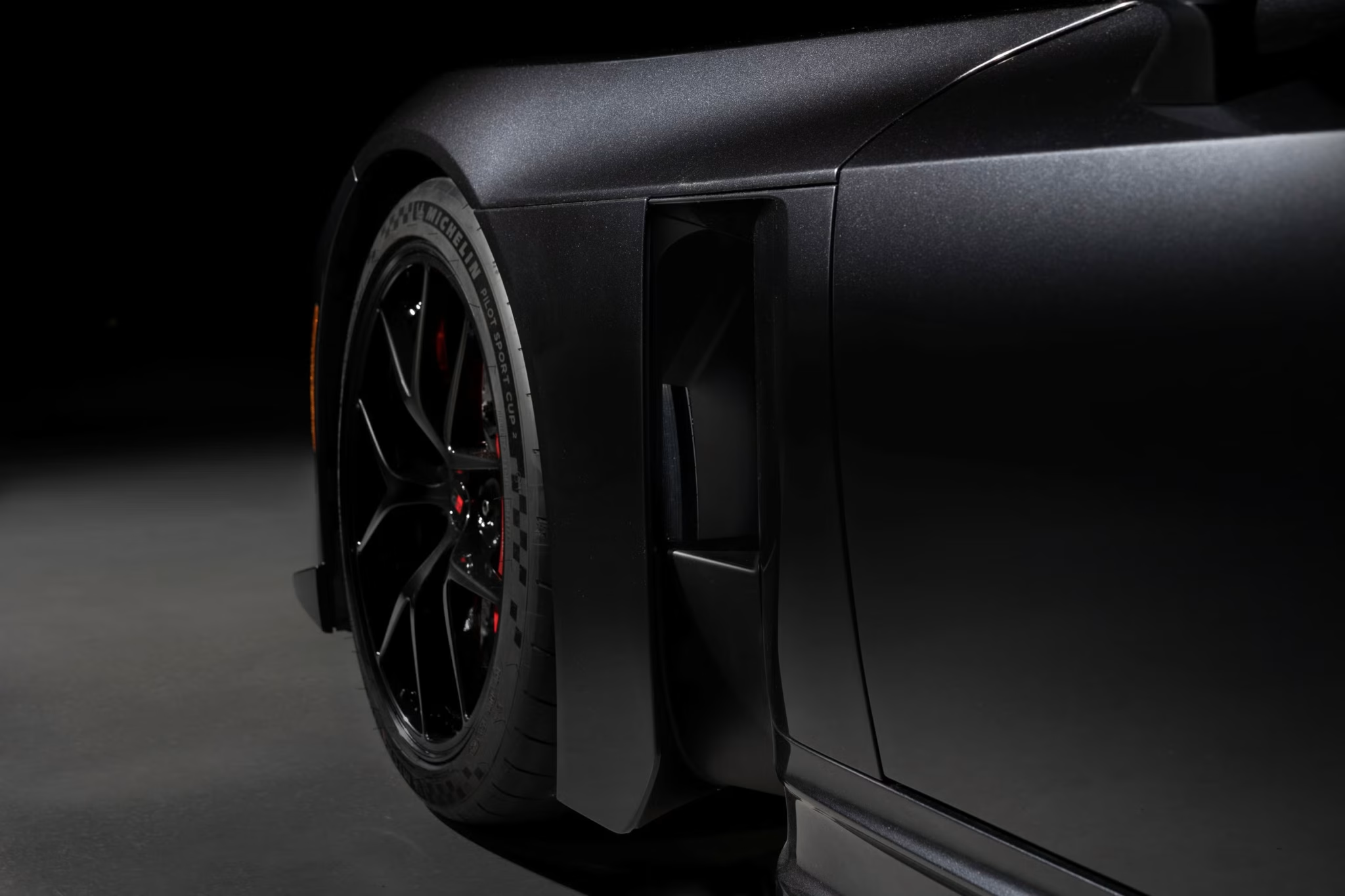
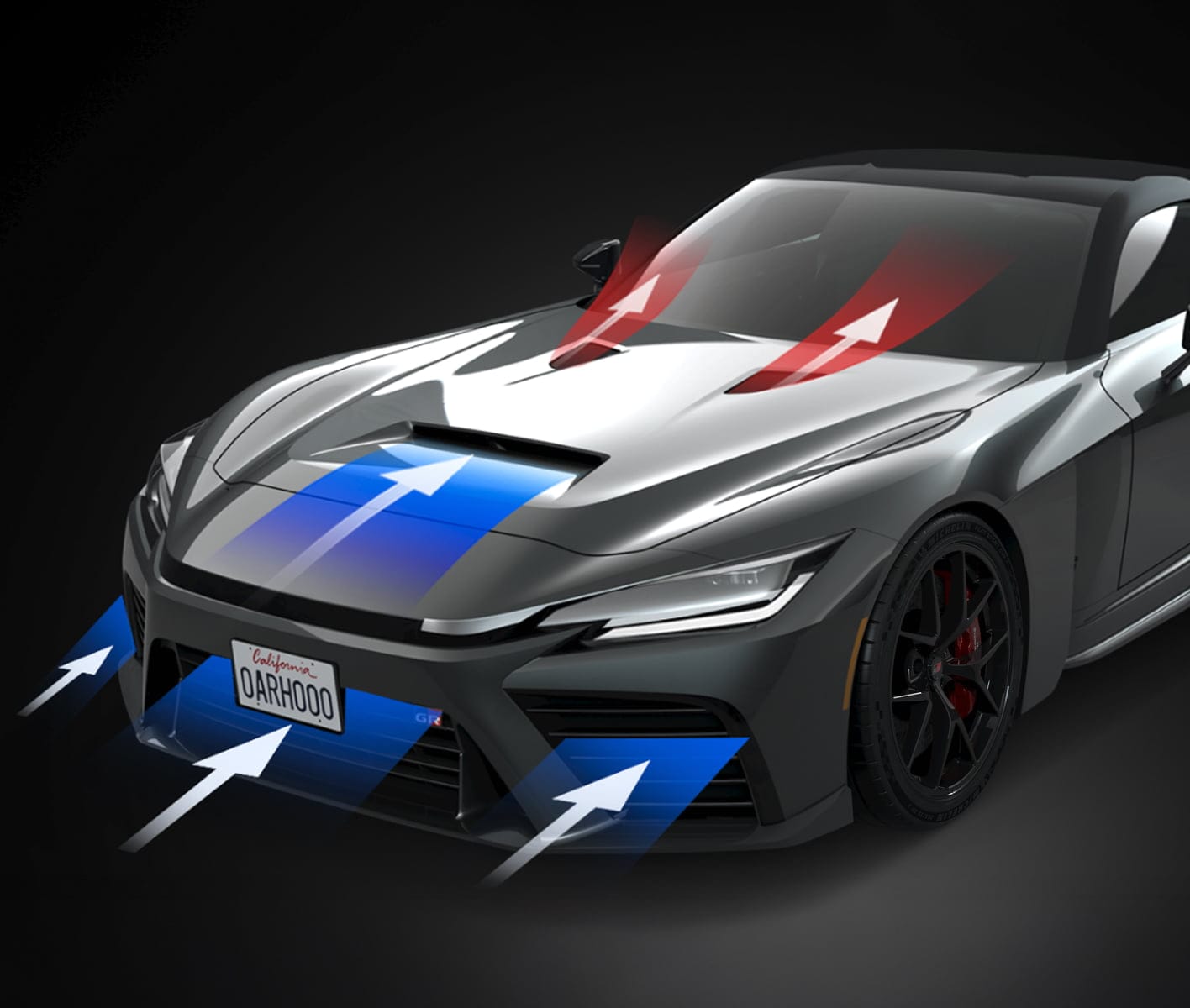
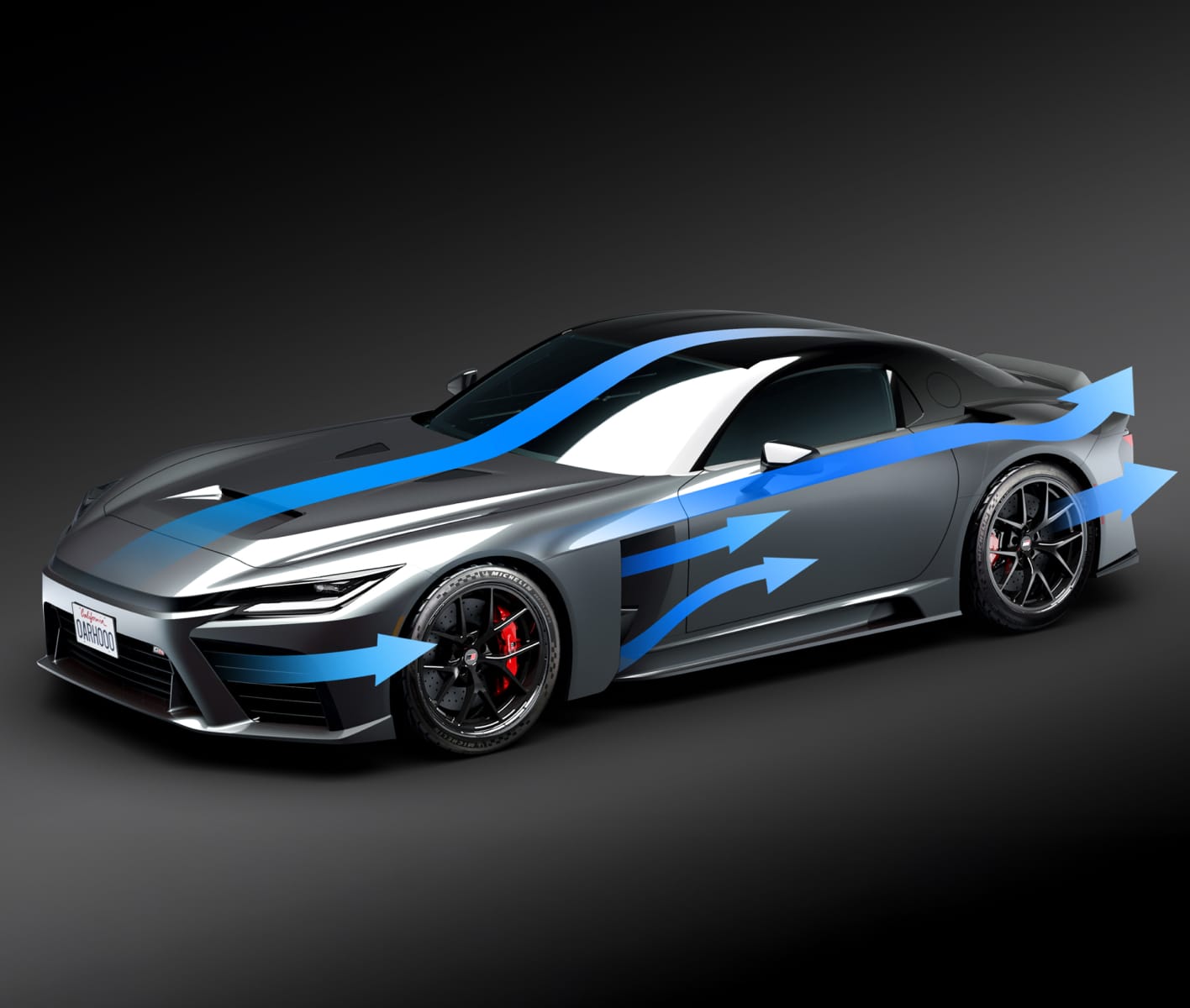
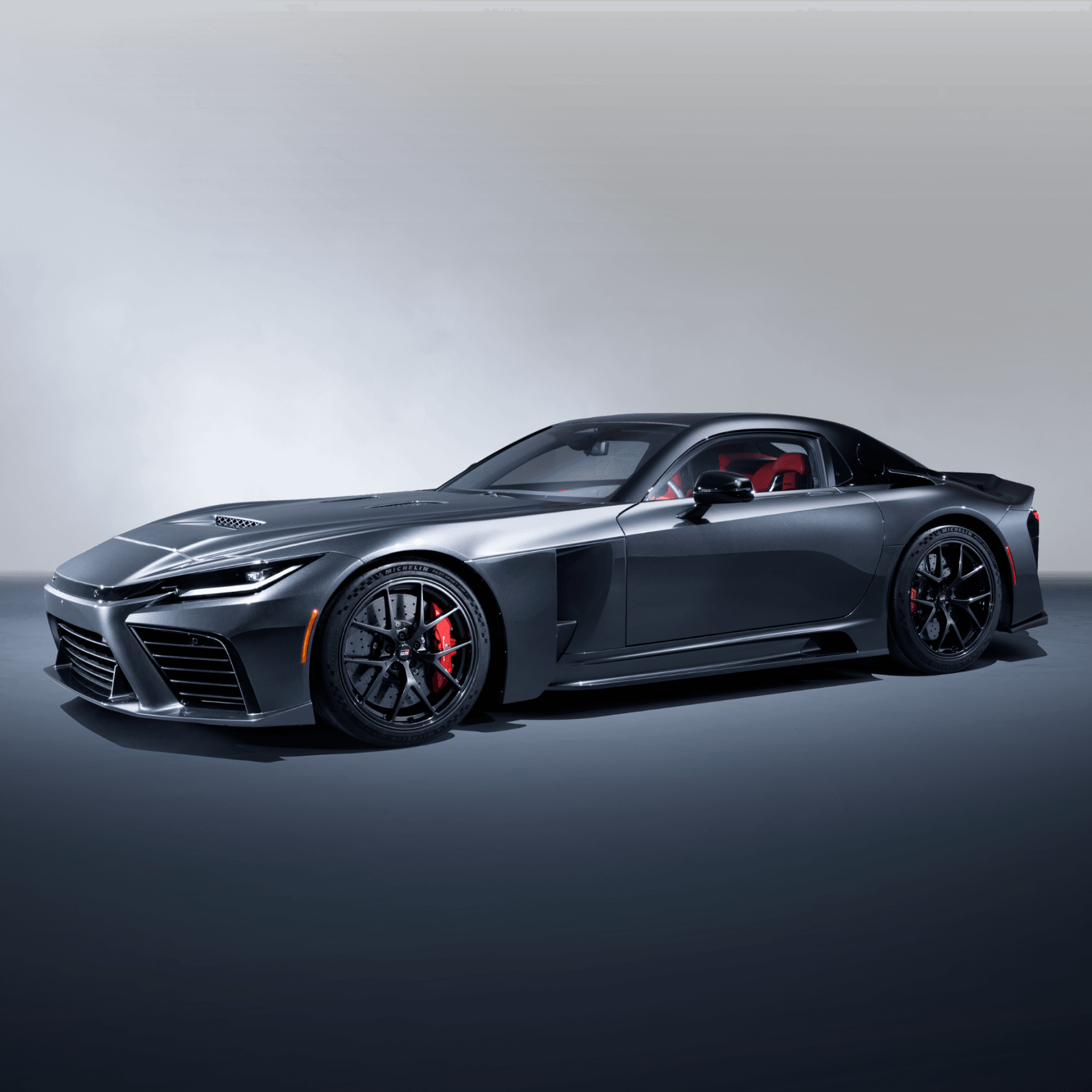
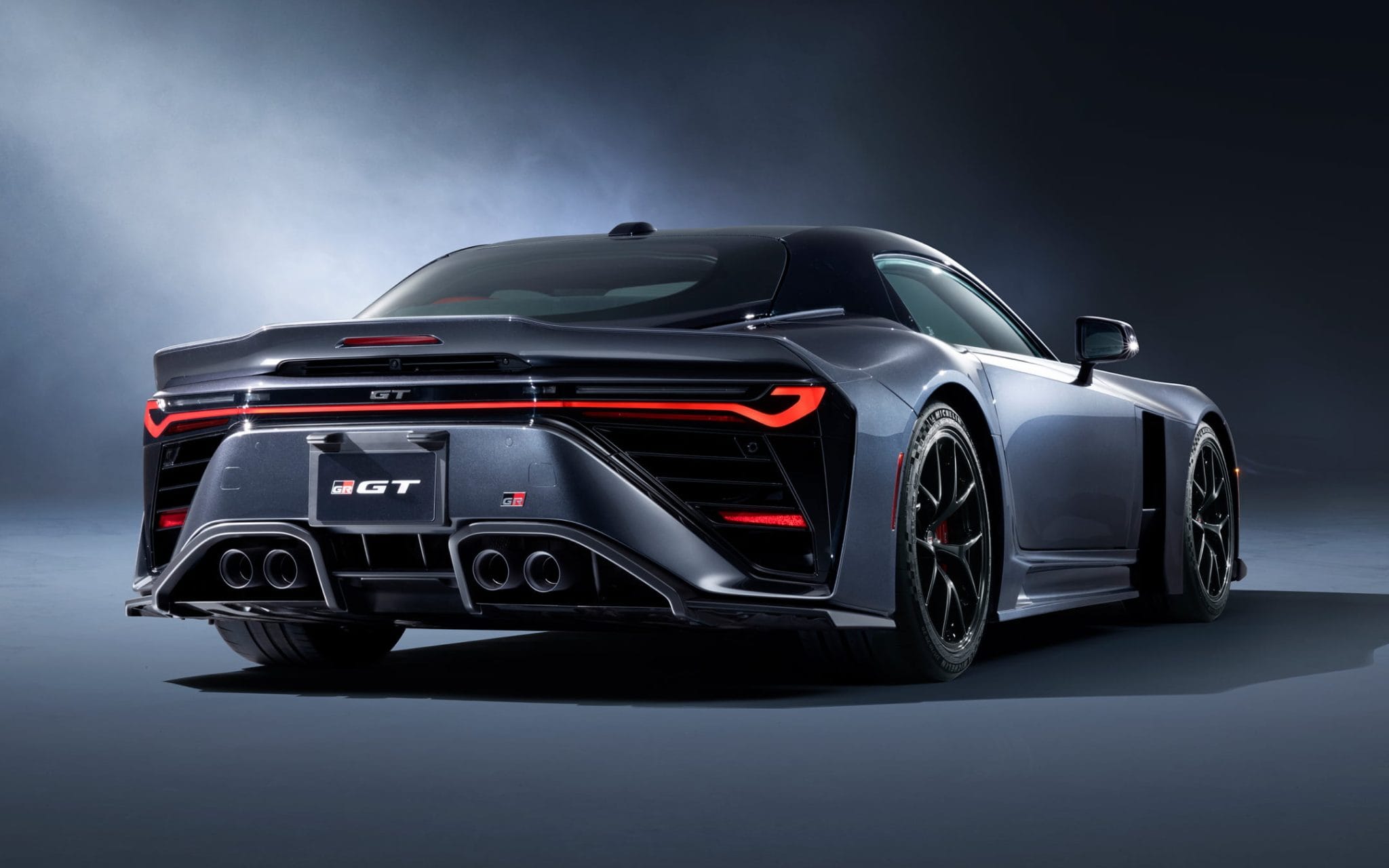
The road going concept immediately communicates performance. Its low stance, long hood, and wide track suggest stability at high speed. However, every surface also hints at aerodynamic function. Large front intakes manage airflow for cooling, while sculpted side surfaces guide air cleanly toward the rear.
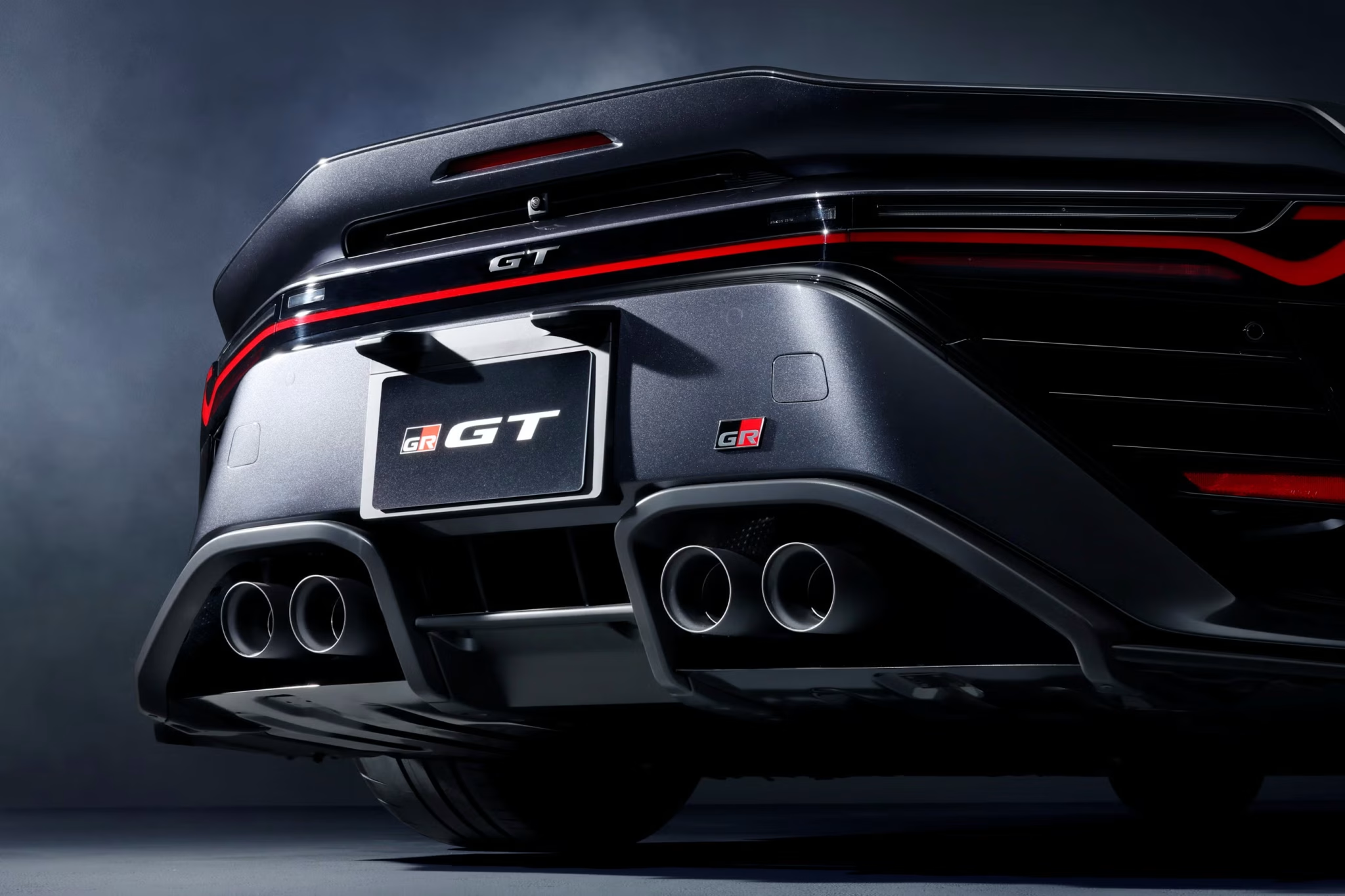
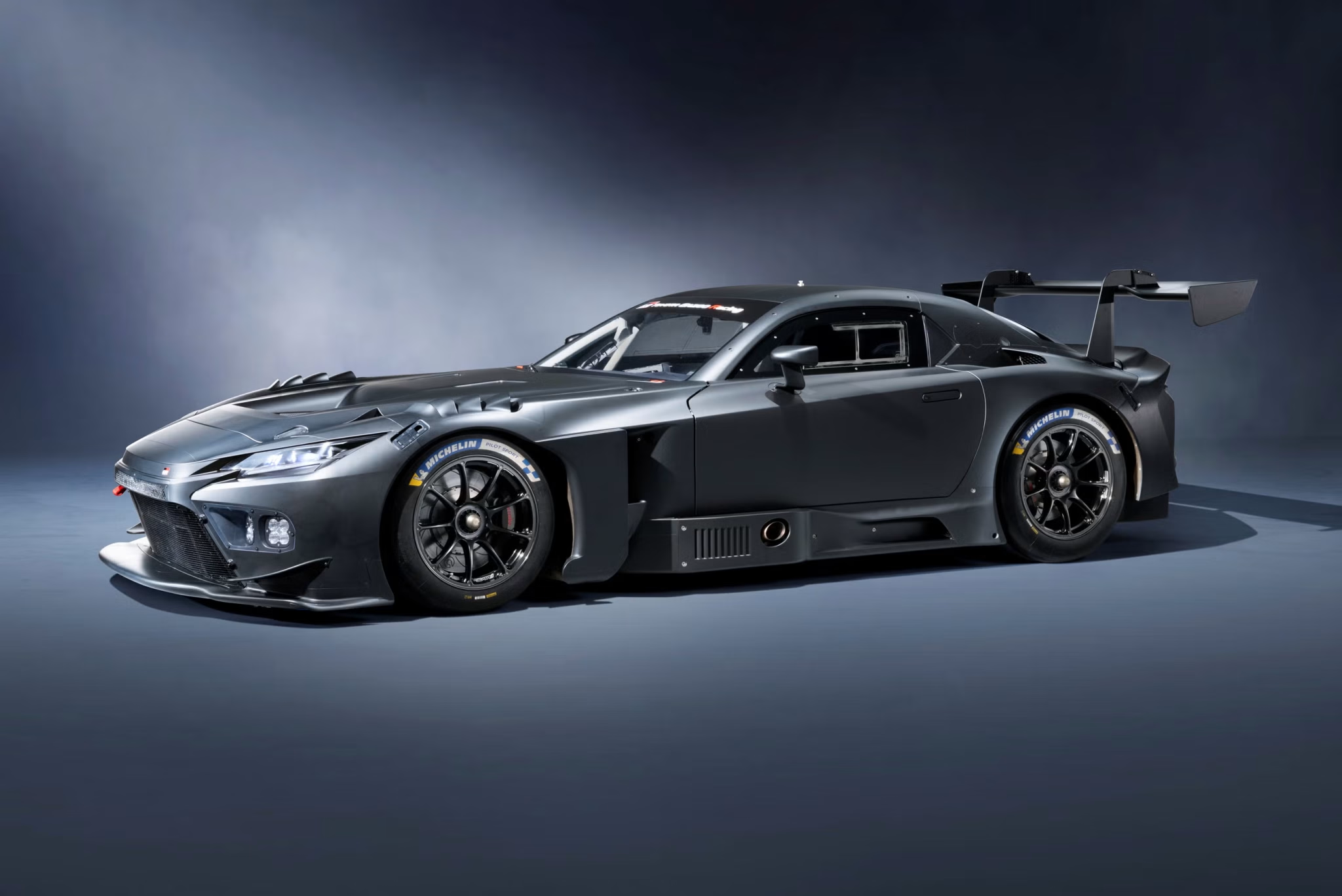
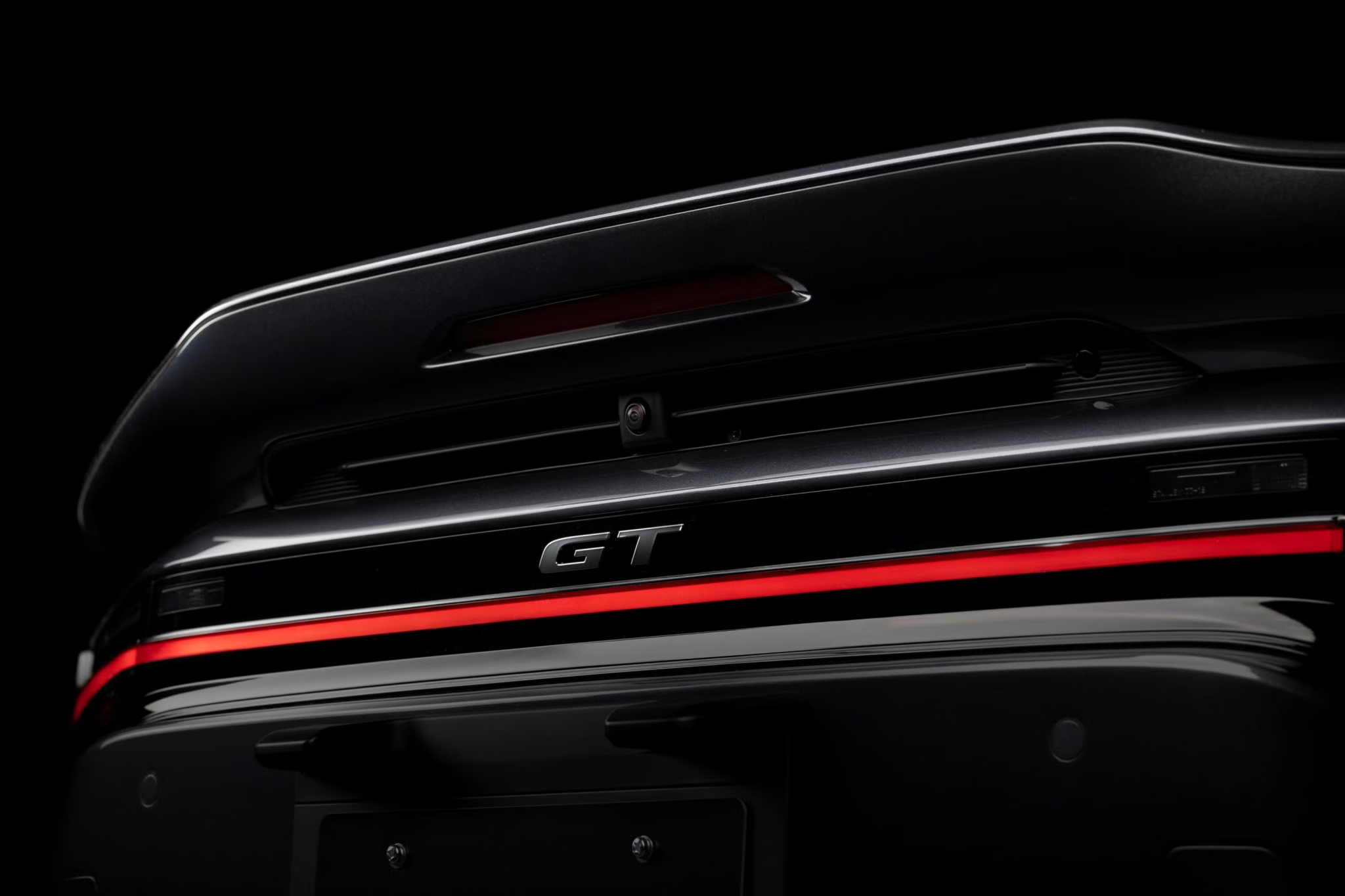
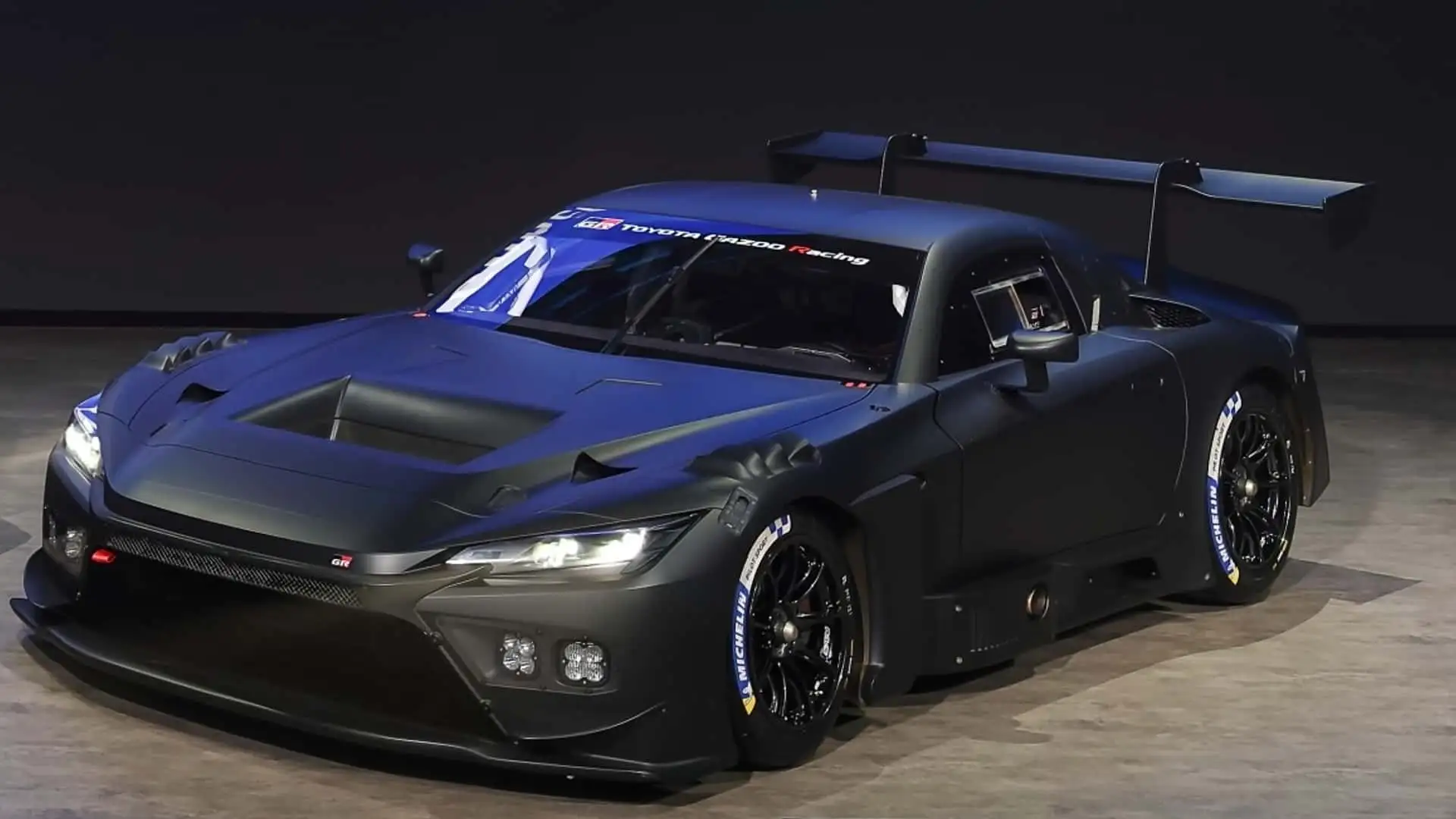
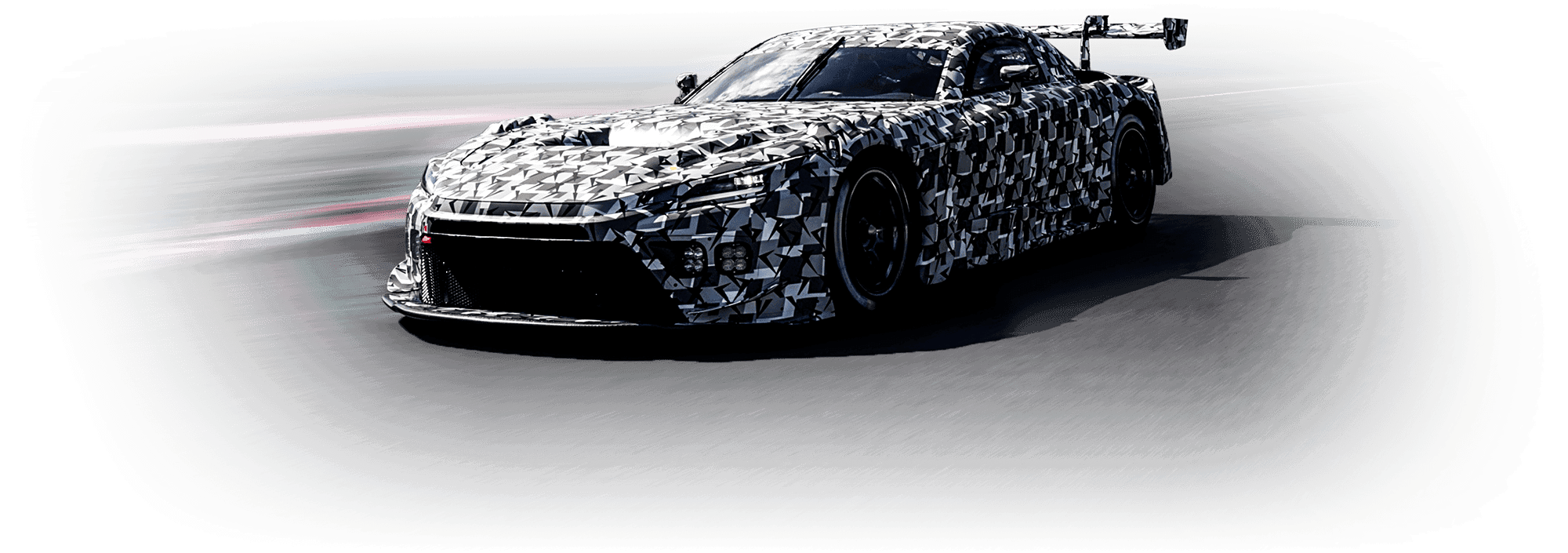
When compared to the GT3 version, the design similarities become obvious. The race car amplifies the same shapes but adds aggressive aerodynamic devices. A large rear wing, deeper front splitter, and expanded diffuser dominate the GT3 silhouette. These additions are not stylistic exaggerations. Instead, they are essential for downforce and cornering grip during long stints on track.
What makes this relationship impressive is how cohesive it feels. The GT3 car does not look like a modified road car. It looks like the racing expression of the same core design language.
Interior Philosophy Road Versus Track
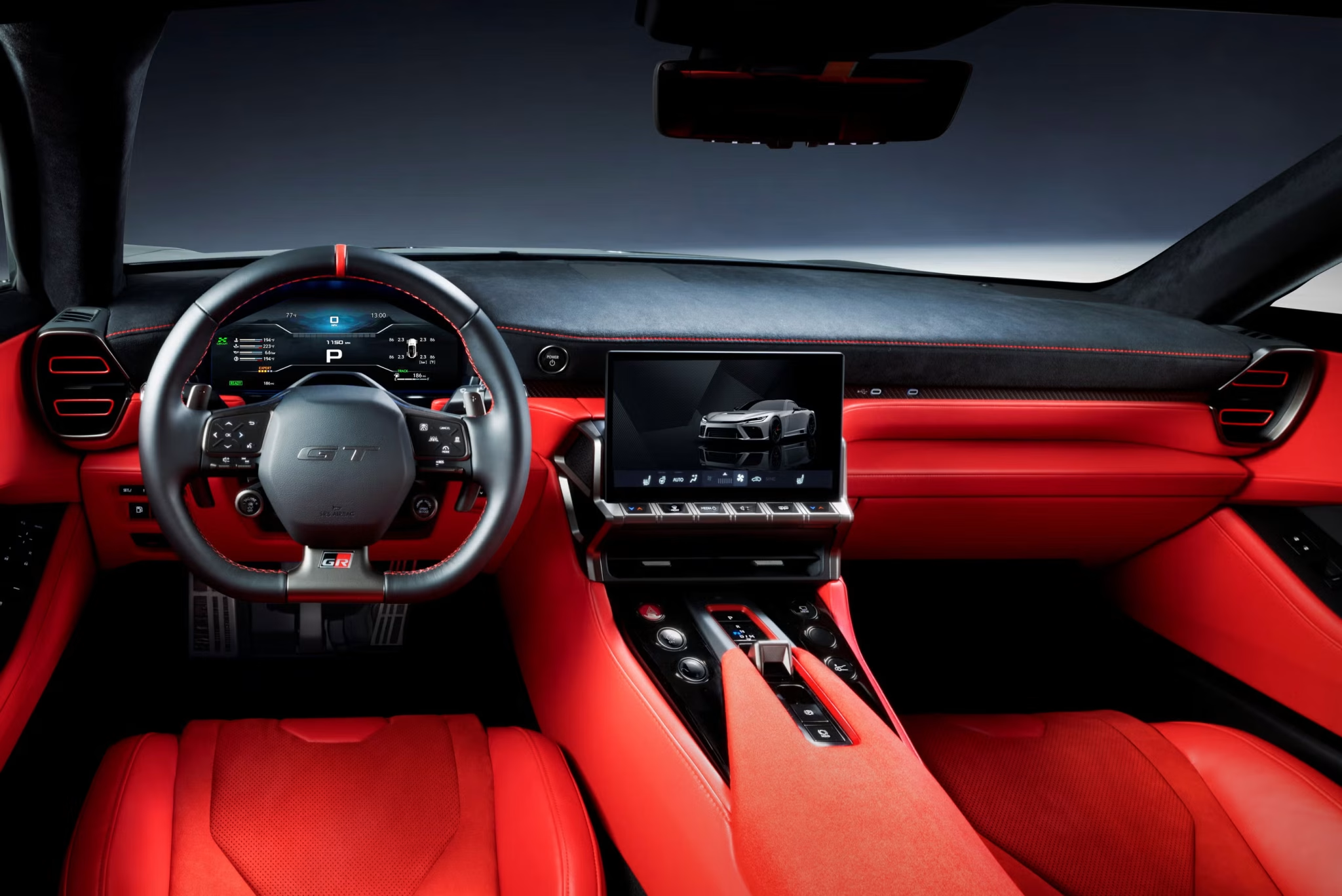
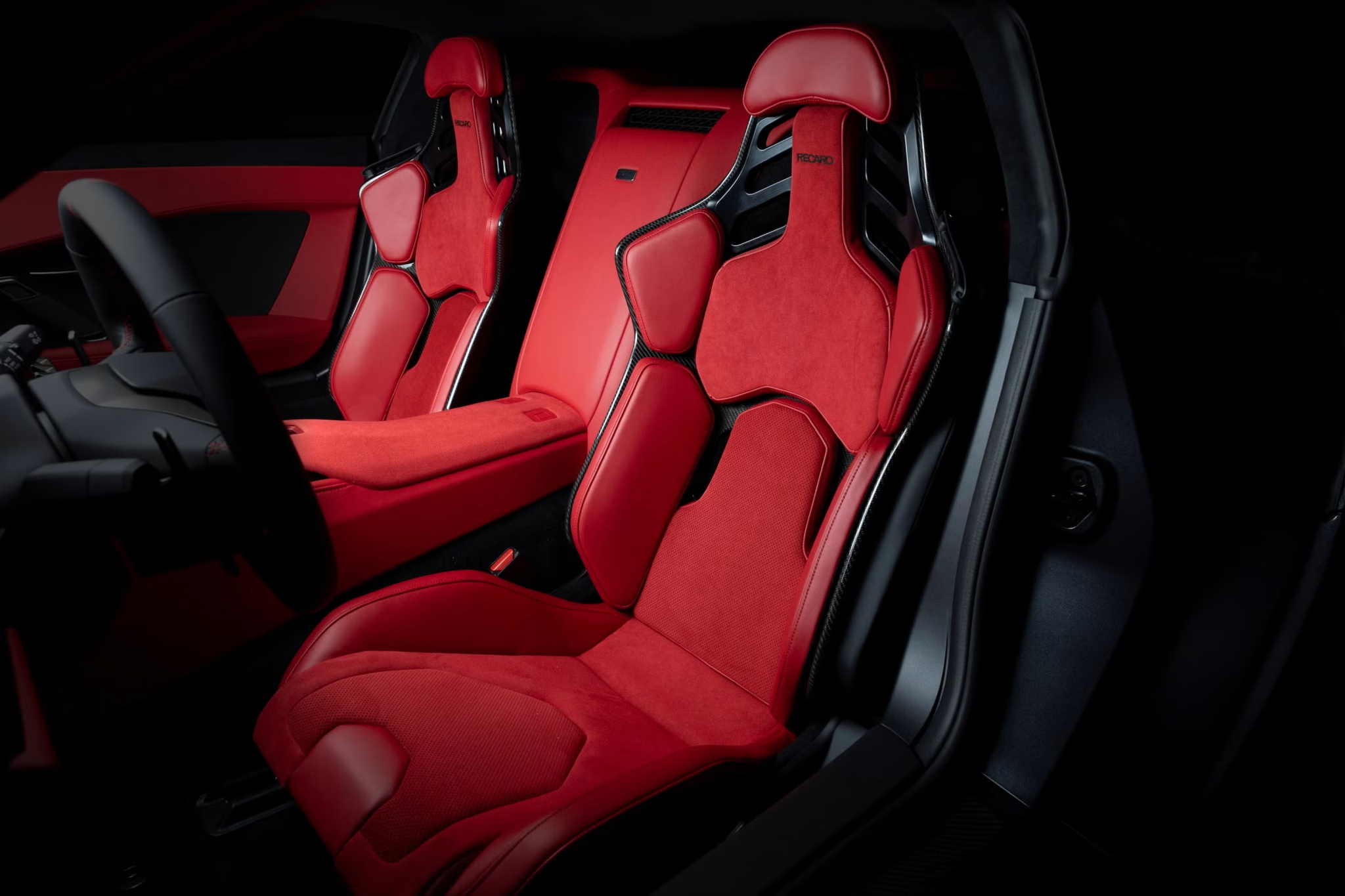
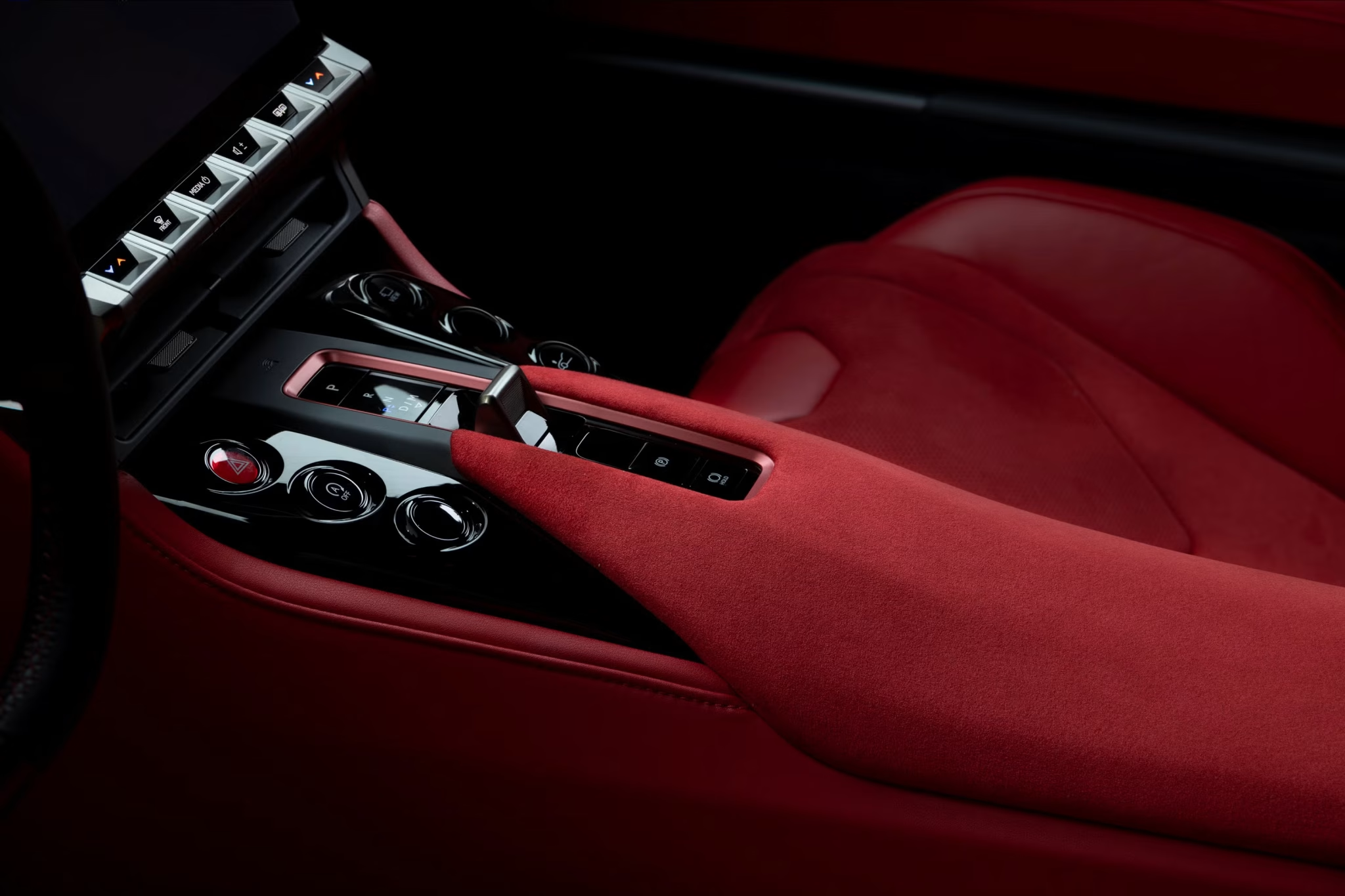
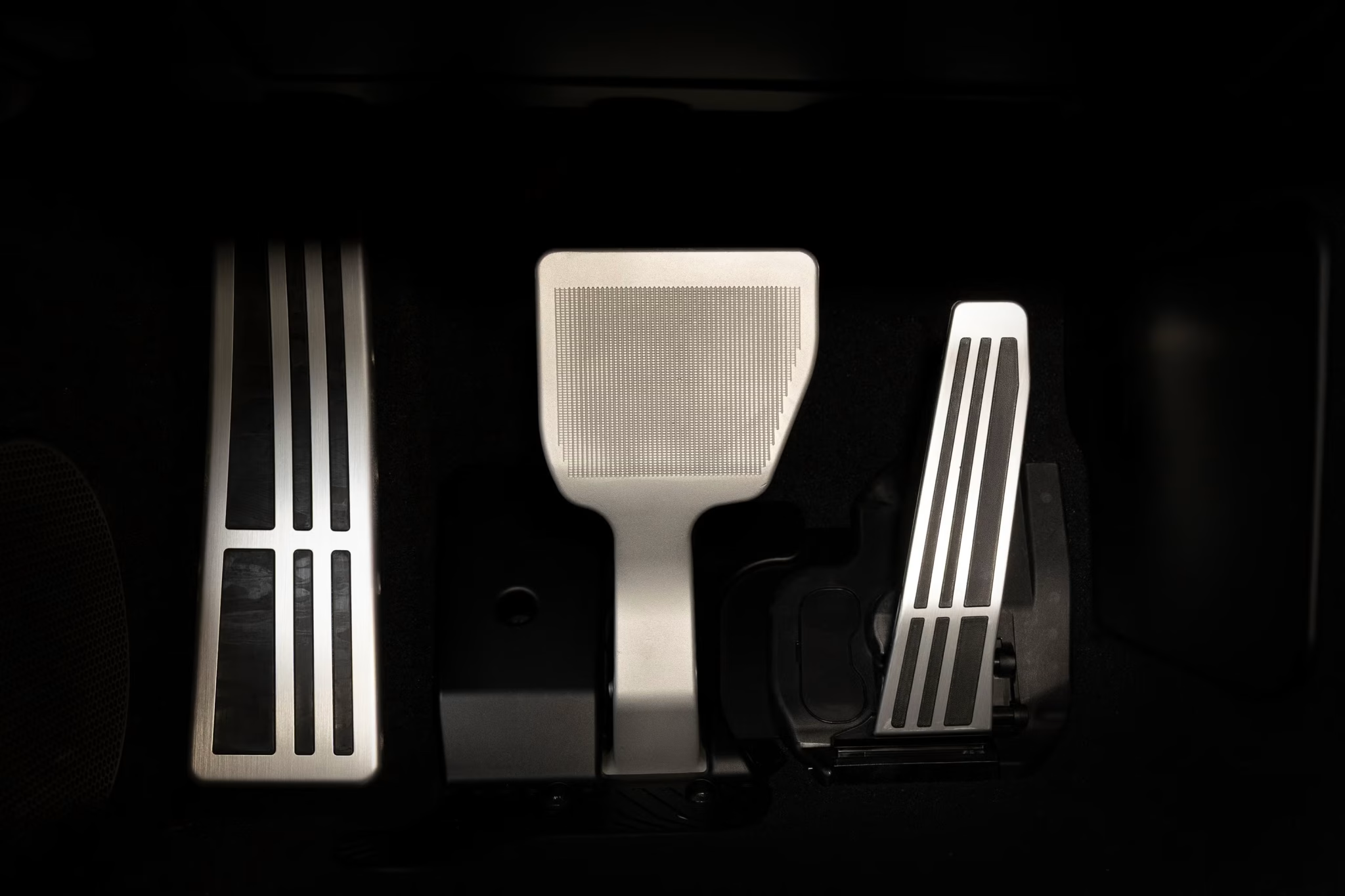
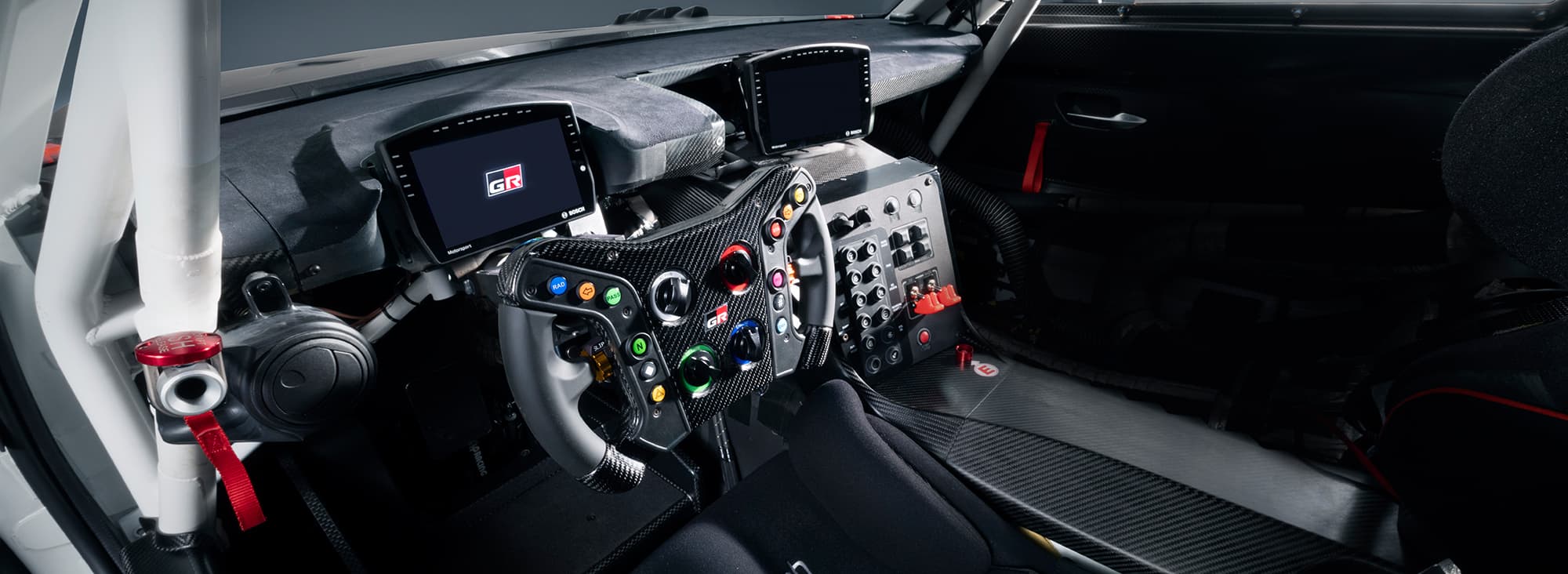
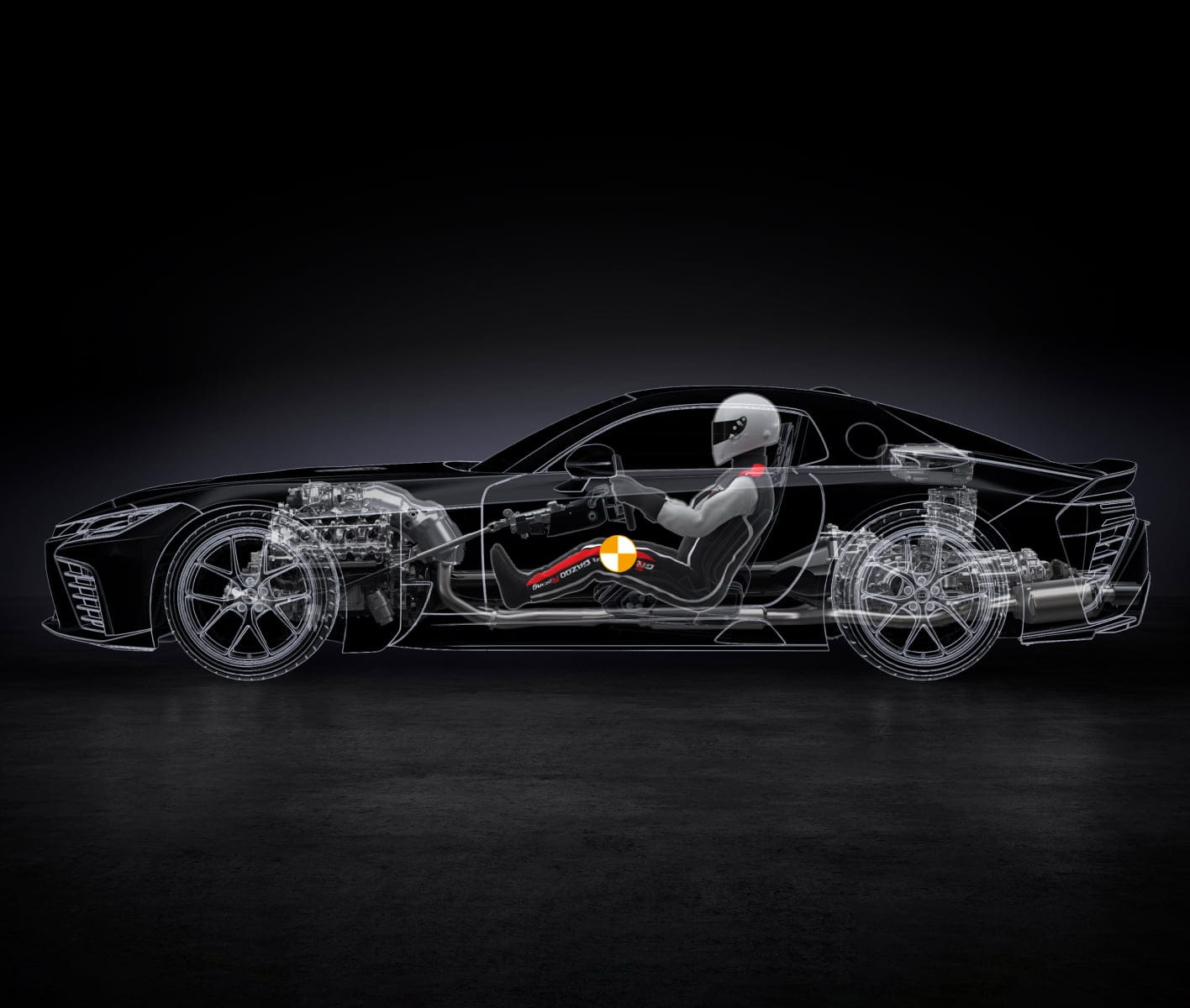
Inside the concept, Toyota focuses on driver engagement rather than luxury excess. The seating position appears low and centered, creating a strong connection between driver and chassis. Controls are angled toward the driver, reinforcing a cockpit like environment.
In contrast, the GT3 interior is stripped to essentials. Safety equipment dominates, including a roll cage, racing seat, and simplified control layout. However, the philosophy remains consistent. Everything exists to support the driver over long periods at high intensity.
This shared mindset reinforces the idea that the concept is not just a styling exercise. It reflects genuine racing priorities adapted for road use.
Powertrain Direction and GT3 Regulations
While Toyota has not officially confirmed specifications for the concept, the GT3 version provides strong clues. GT3 regulations require internal combustion engines without hybrid systems, meaning the race car relies purely on mechanical output and balance.
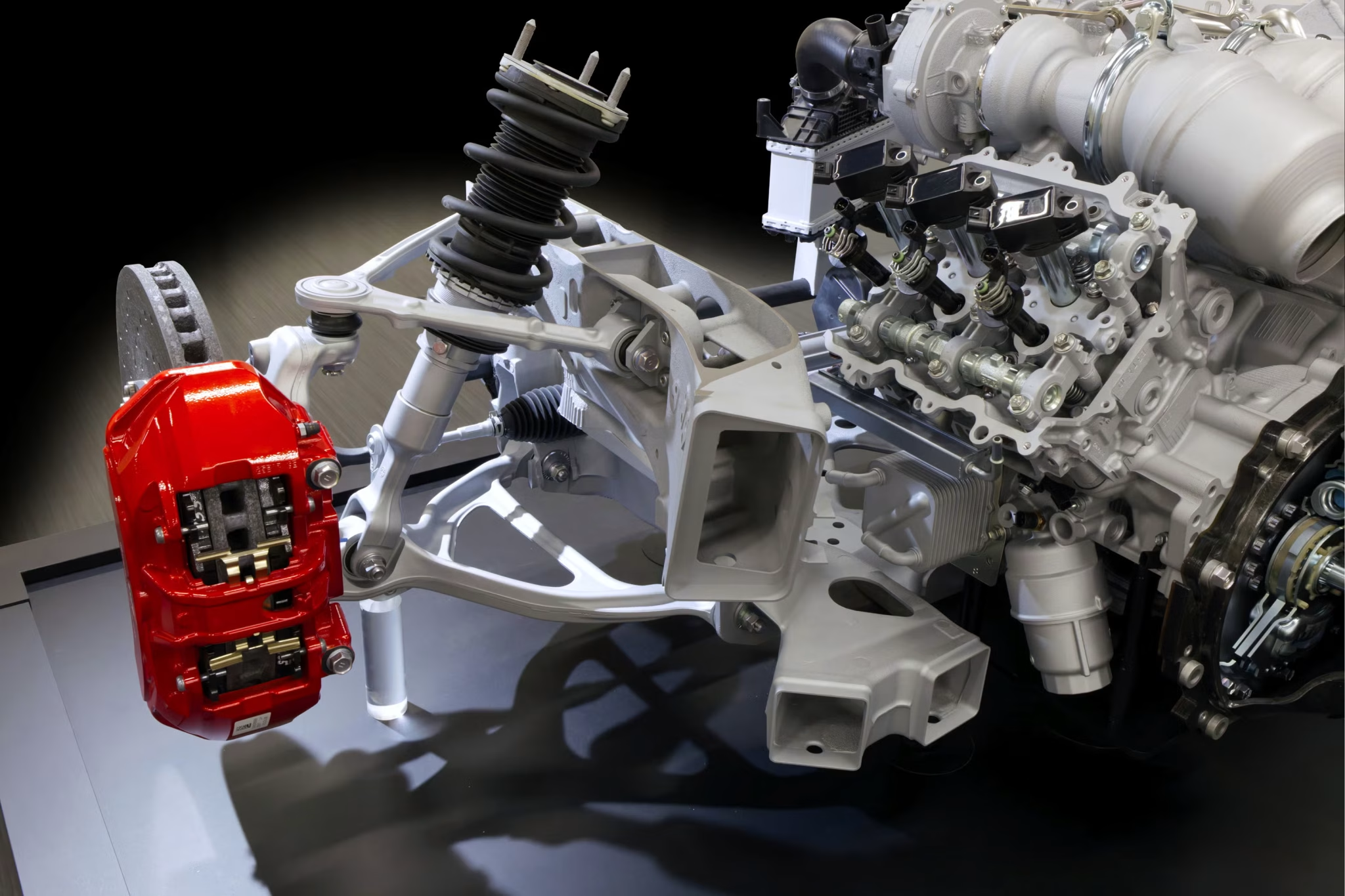
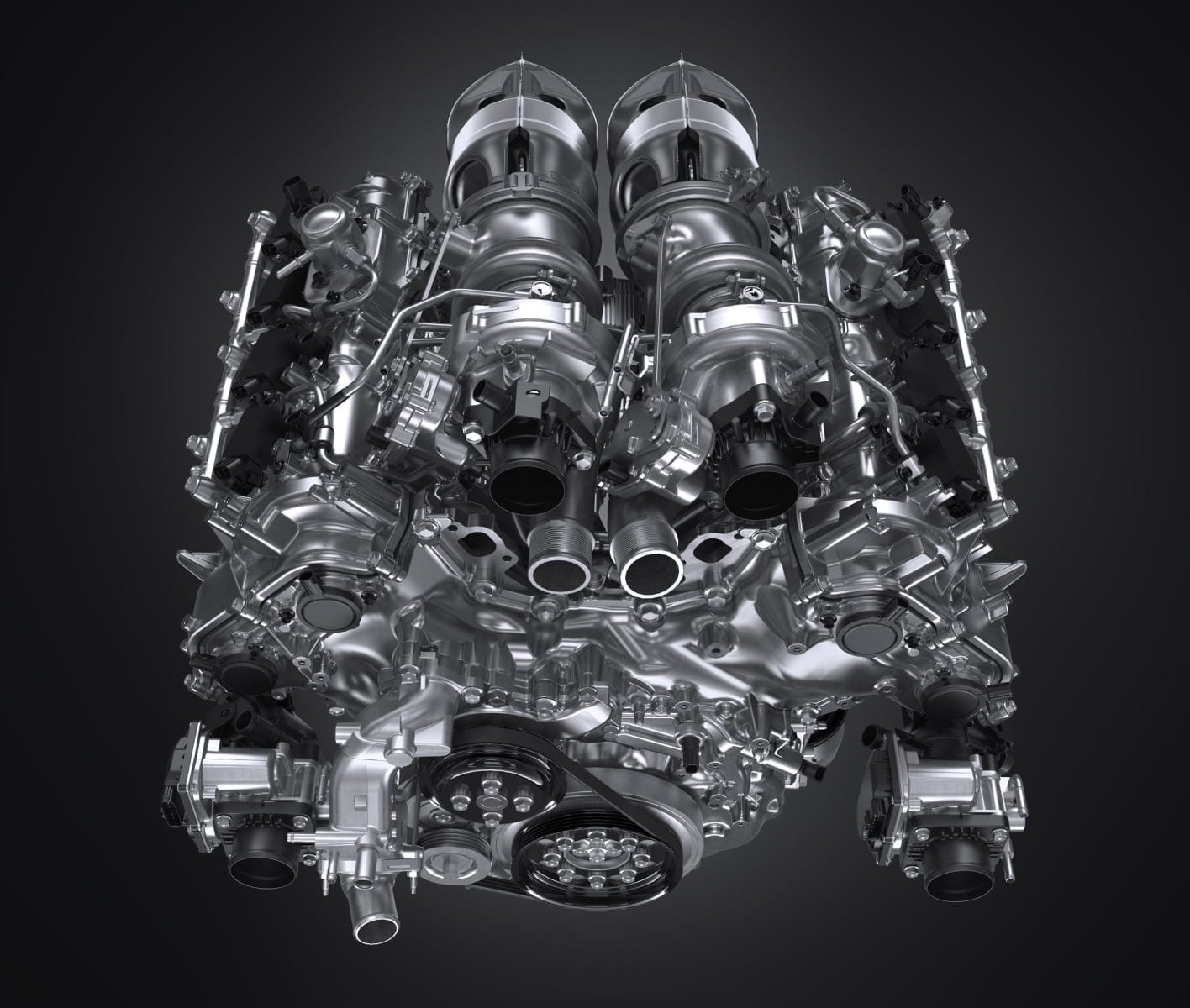
Industry discussion points toward a turbocharged V8 or V6 configuration developed specifically for endurance reliability. The focus is not maximum horsepower but consistent performance across long races. Balance of performance regulations further emphasize drivability and efficiency.
For the road focused concept, Toyota could adapt this engine architecture while adding electrification. Hybrid assistance would improve responsiveness and emissions compliance while preserving the character developed on track. This dual approach allows Toyota to meet regulatory demands without abandoning enthusiast appeal.
Suspension and Chassis Engineering
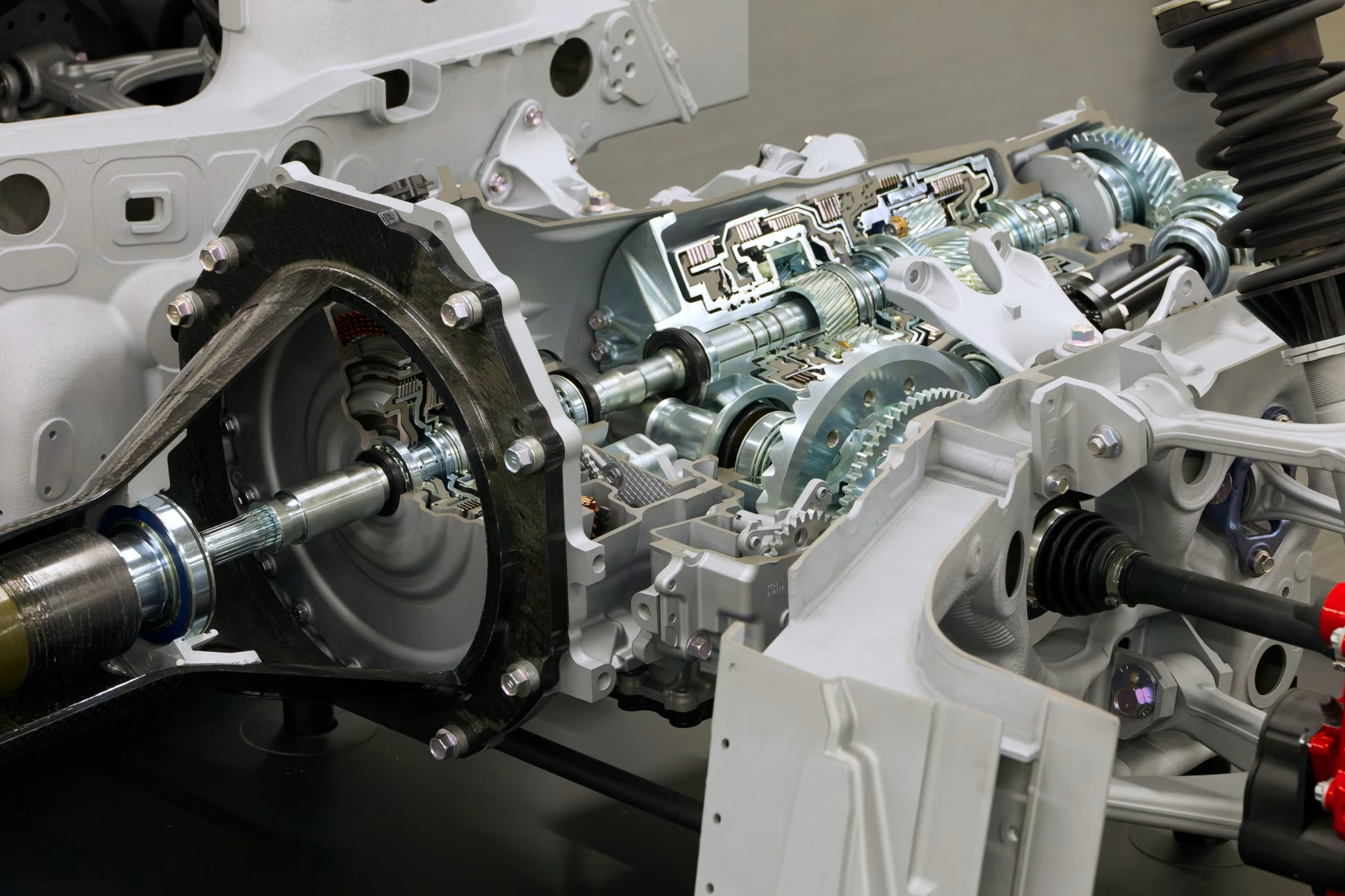
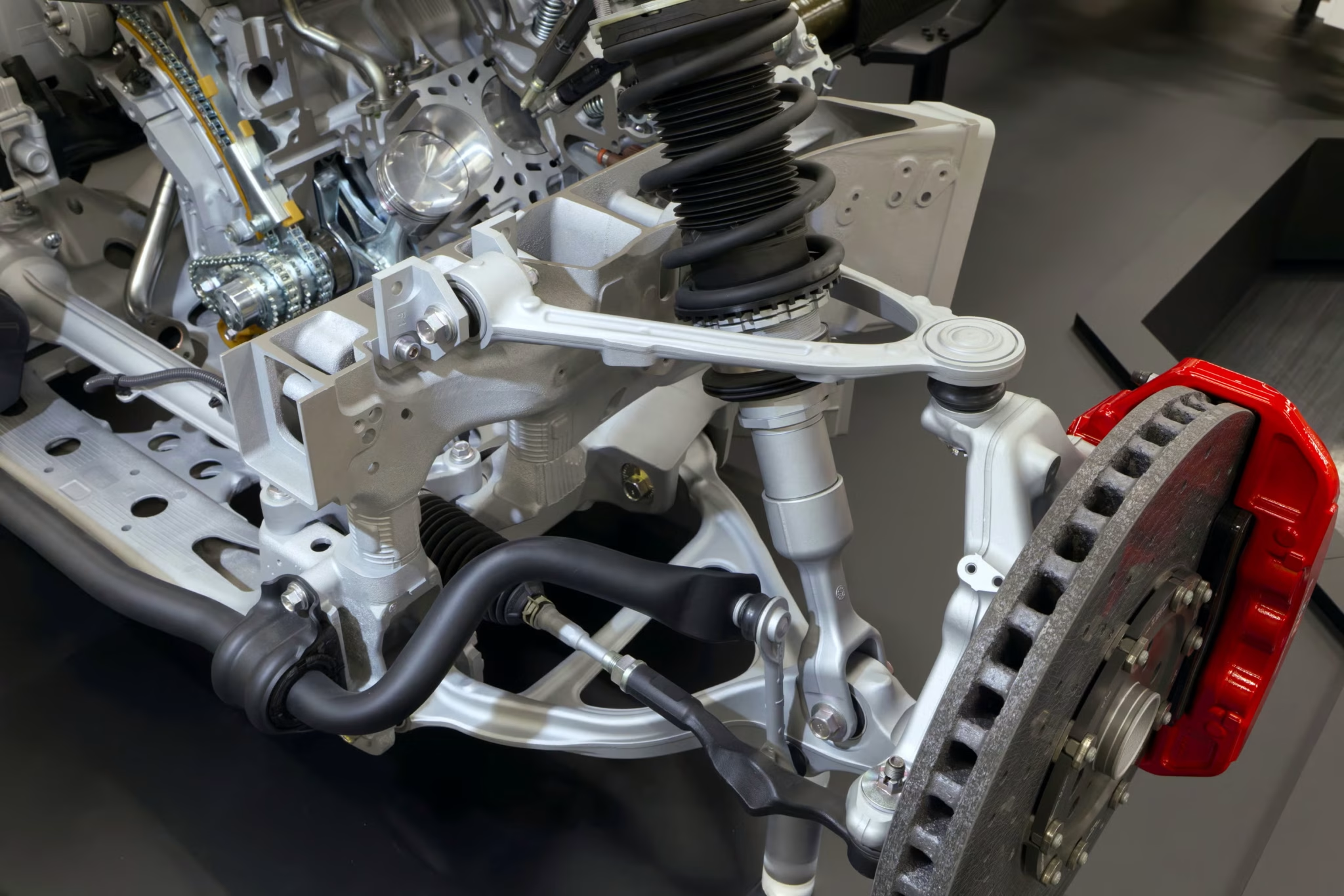
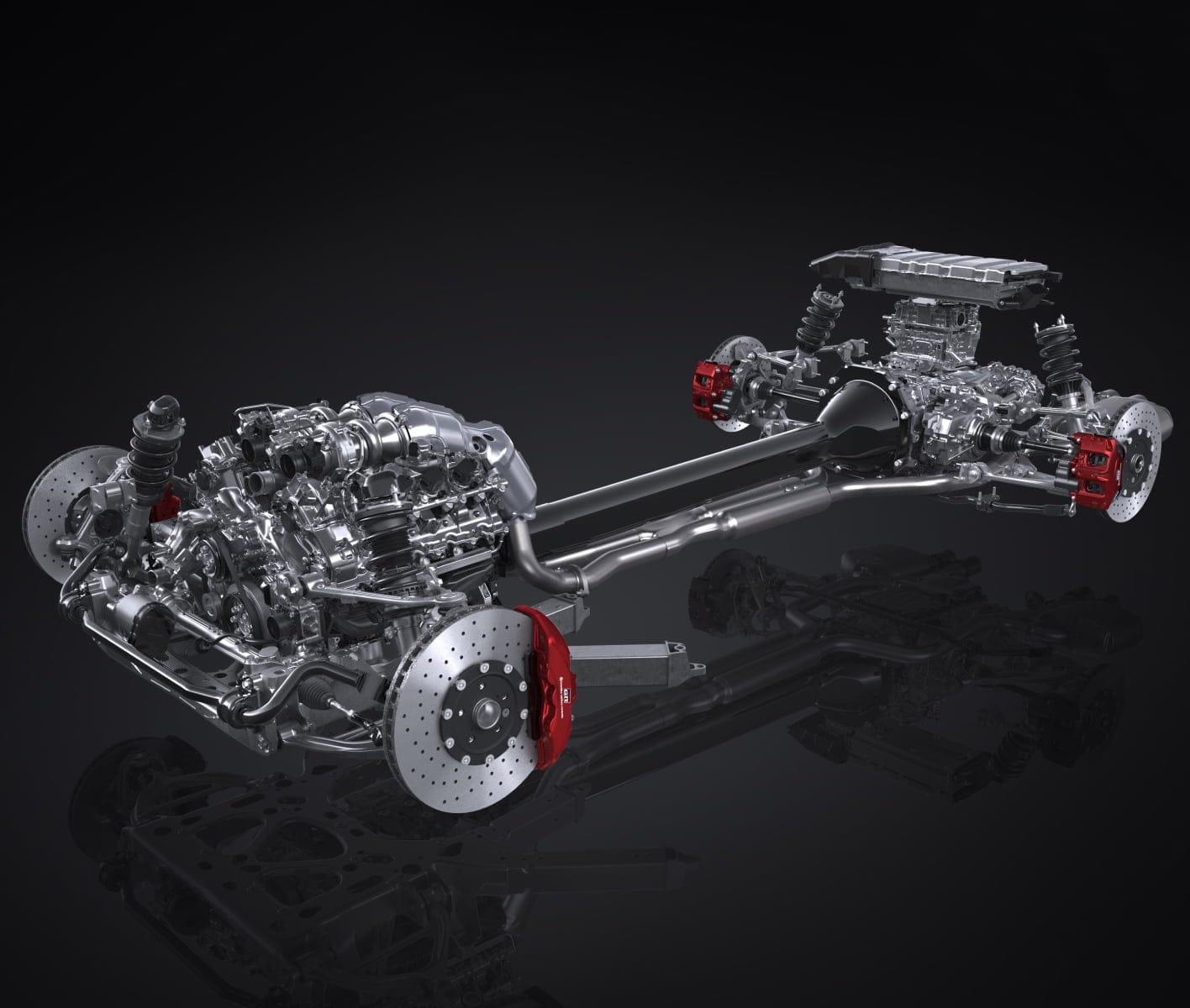
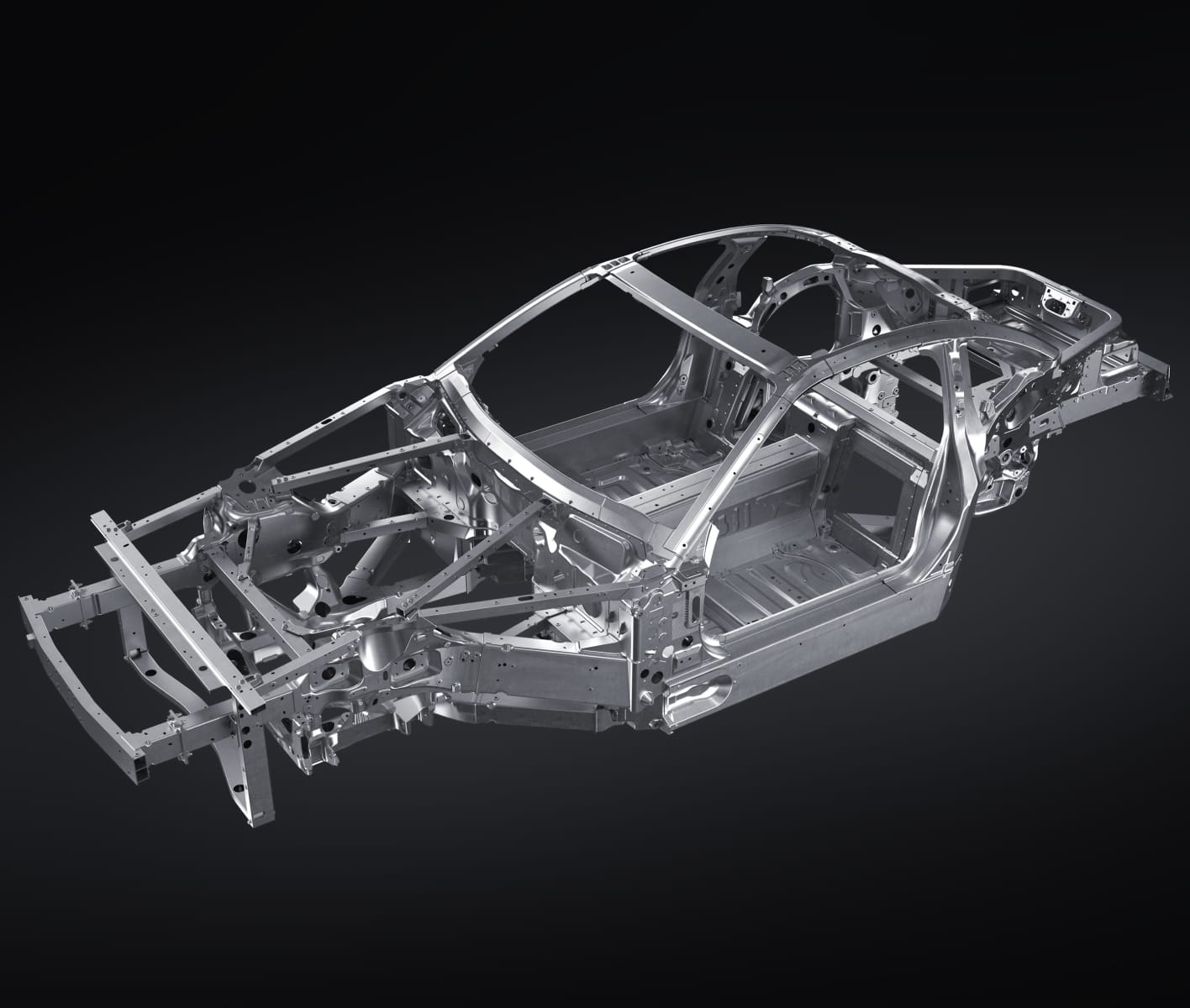
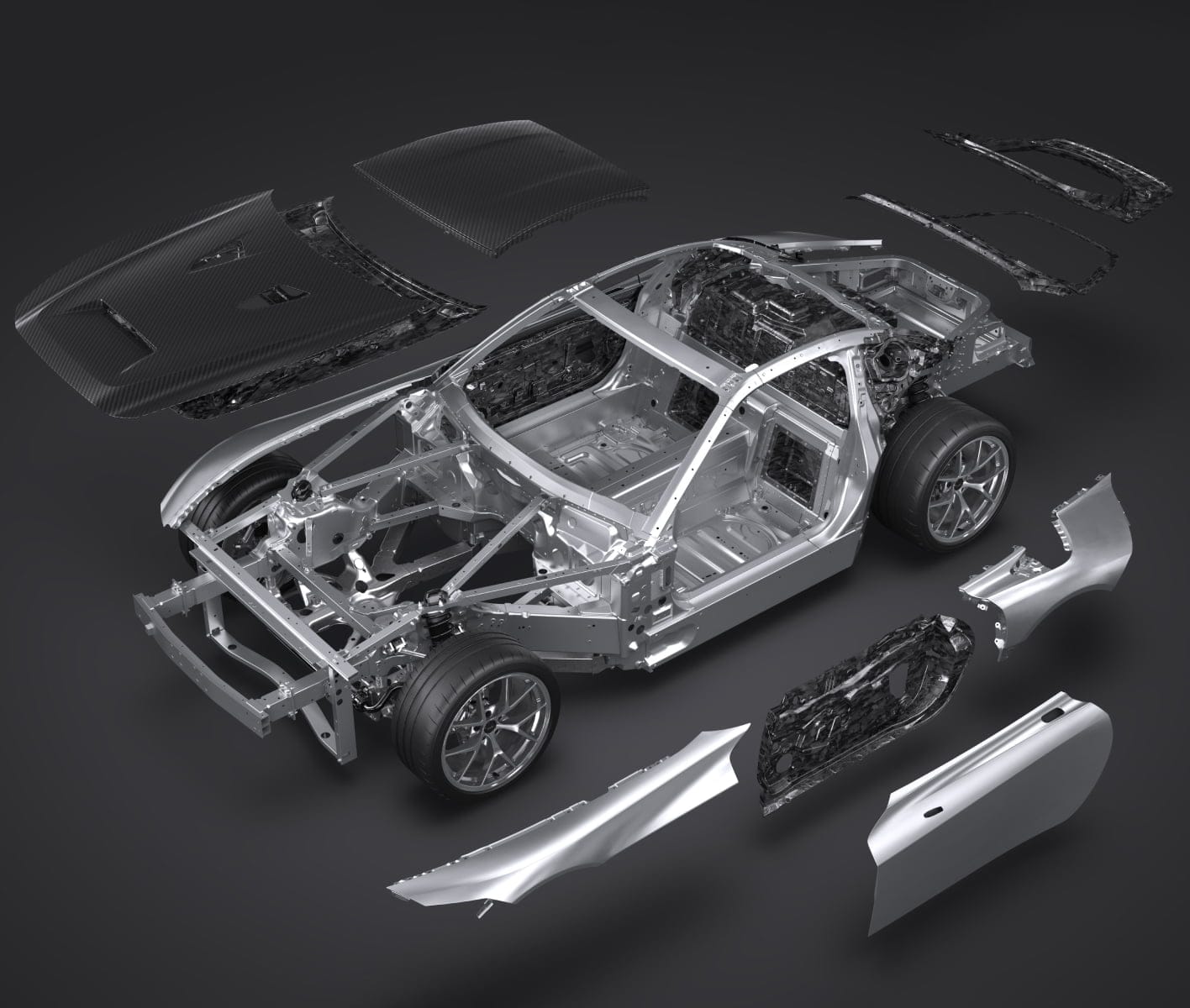
One of the most critical links between the concept and the GT3 version lies in chassis philosophy. Both appear to use a dedicated performance platform rather than adapting an existing architecture. This allows engineers to optimize weight distribution, rigidity, and suspension geometry from the start.
The GT3 car uses race tuned suspension designed for adjustability. Engineers can fine tune camber, ride height, and damping to suit different circuits. Meanwhile, the concept likely adapts similar geometry with road friendly calibration.
This shared foundation ensures that driving characteristics remain consistent across both versions. Whether on track or road, the car prioritizes balance and predictability.
Endurance Racing Lessons Applied
Toyota extensive experience in endurance racing plays a major role in this project. Long races demand stability under changing conditions, efficient cooling, and reduced driver fatigue. These lessons directly influence the GT3 version and indirectly shape the concept.
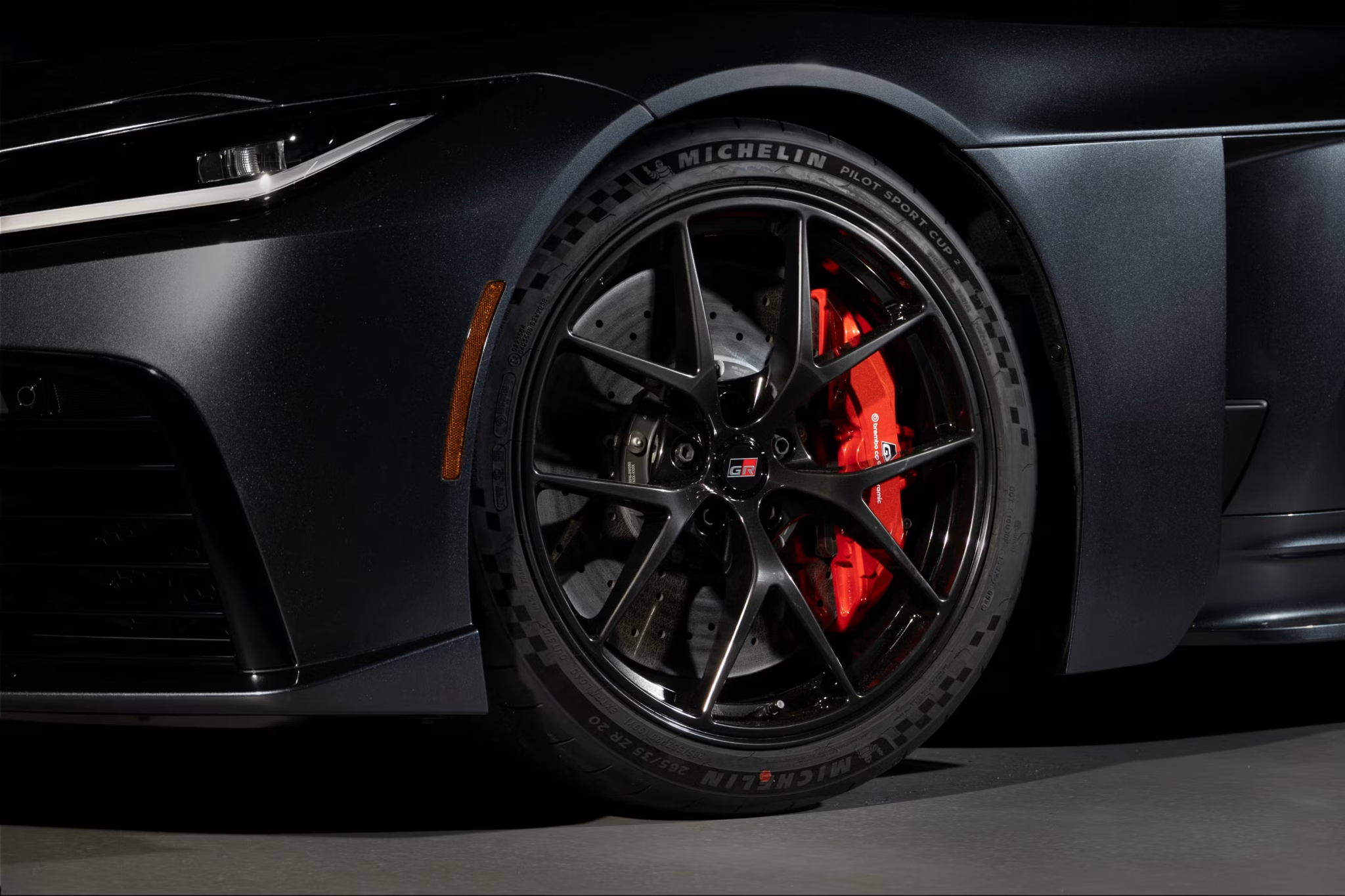
Cooling solutions on the GT3 car are aggressive and visible, while the concept integrates similar airflow management more subtly. Brake cooling, engine ventilation, and aerodynamic stability all benefit from this shared knowledge.
As a result, the road car promises not just performance but usability. It aims to deliver confidence during spirited driving without overwhelming the driver.
What the GT3 Program Signals
The decision to commit to a GT3 program carries significant weight. GT3 racing is one of the most competitive global categories, with manufacturers like Porsche, Ferrari, and Mercedes heavily invested. By entering this space, Toyota positions itself directly against the best.
More importantly, GT3 programs are often long term investments. Manufacturers use them to refine technology, support customer teams, and strengthen brand identity. Toyota involvement suggests a multi year vision rather than a one off appearance.
This commitment benefits road cars as well. Development data, durability testing, and driver feedback all inform future production models.
Impact on Future Production Cars
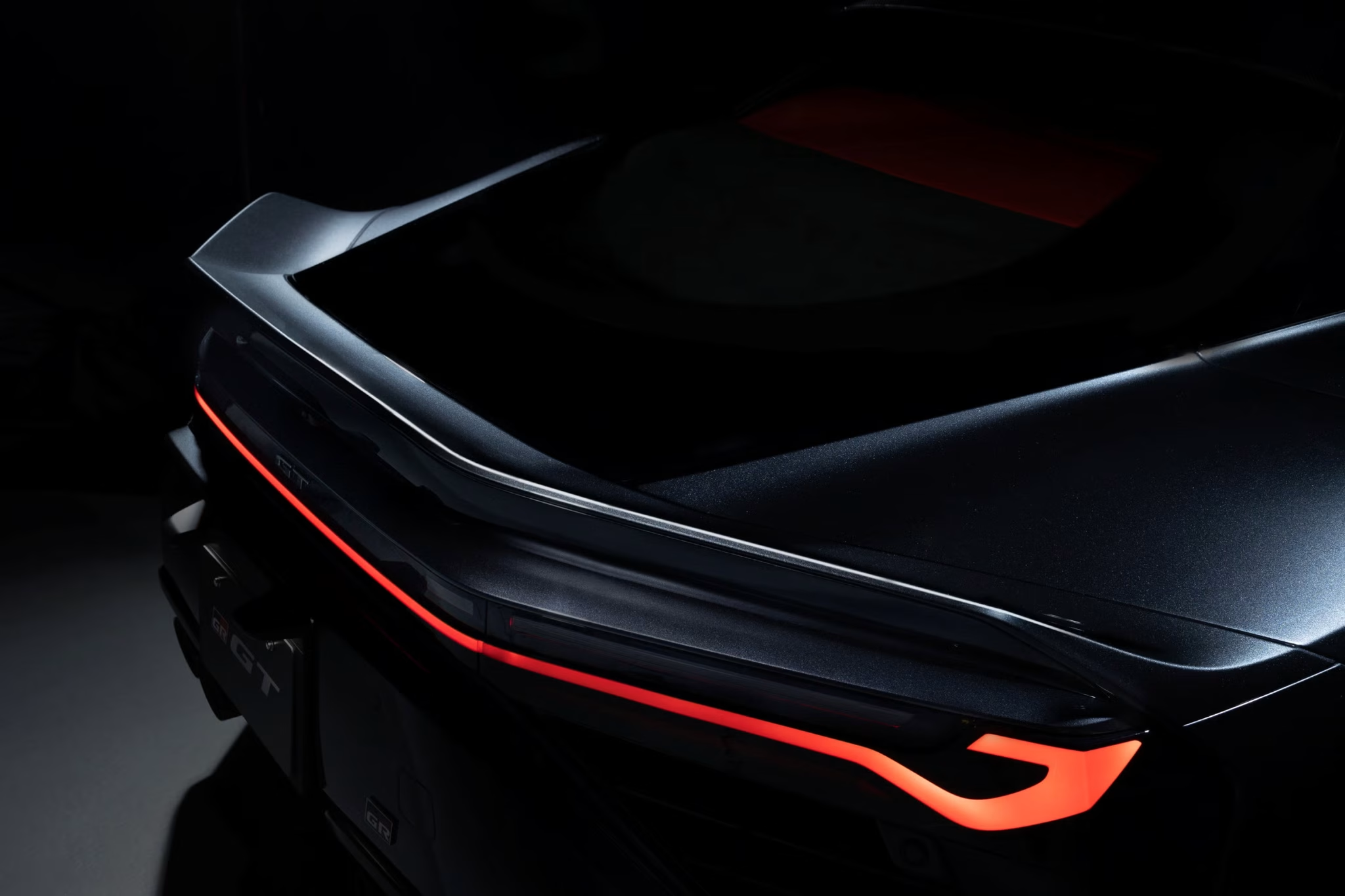
The Toyota GR GT Concept is unlikely to reach production unchanged. However, its influence will be significant. Design cues such as proportions, lighting signatures, and aerodynamic surfaces could appear on future GR models.
More importantly, the engineering philosophy will shape upcoming performance vehicles. Expect stronger ties between racing programs and road cars, along with increased emphasis on balance rather than raw power.
If Toyota chooses to produce a flagship grand touring model inspired by this concept, it would serve as a halo for the entire lineup. Even without direct production, the message is clear. Toyota performance future is serious, intentional, and racing driven.
Enthusiast and Industry Response
Reaction from enthusiasts has been overwhelmingly positive. Many appreciate that Toyota continues to invest in driver focused cars despite industry shifts toward electrification. The presence of a GT3 version adds credibility and excitement.
From an industry perspective, this project reinforces Toyota competitive ambition. It shows willingness to challenge established performance brands on their own terms. That confidence strengthens Toyota position globally.
Conclusion
By developing the Toyota GR GT Concept alongside a full GT3 race car, Toyota delivers one of its most compelling performance statements in decades. The project blends motorsports credibility with forward thinking design, creating a vision that feels both exciting and achievable.
Rather than treating racing as marketing, Toyota uses it as a foundation. The GT3 version informs the concept, and the concept amplifies the racing effort. Together, they represent a unified strategy that prioritizes driver engagement, engineering integrity, and long term commitment.
For enthusiasts, this is more than a concept reveal. It is a clear signal that Toyota performance future is built on the track, refined for the road, and designed to endure.
Full Gallery Below.