
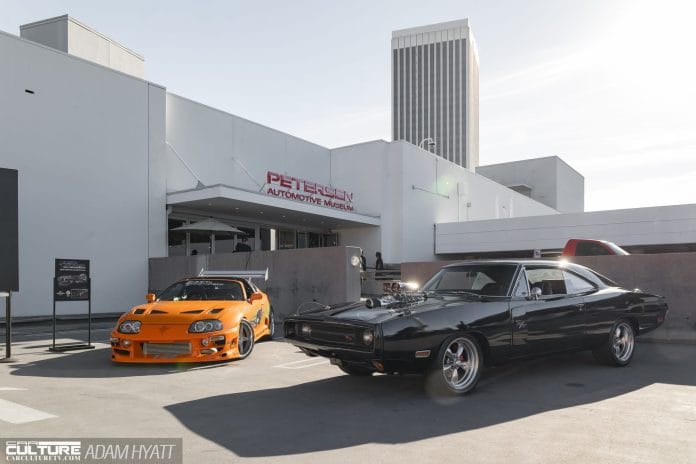
Hollywood Meets Horsepower in Los Angeles
Los Angeles has always been where car culture and cinema overlap. Now those two worlds have a proper monument. The Petersen Automotive Museum opened “A Fast and Furious Legacy: 25 Years of Automotive Icons” on March 14, and it is exactly what it sounds like: the most extensive collection of Fast and Furious vehicles ever assembled under one roof.
Developed in collaboration with Universal Pictures, the exhibition spans the Propulsion Gallery and the Ross and Beth Myers Galleries, tracing the franchise’s evolution through its most iconic machines. This is not a cash-grab licensing deal. It is a genuine documentation of a franchise that reshaped how an entire generation thinks about cars.
The timing is significant. Twenty-five years after the original film hit theaters and changed the way mainstream audiences looked at modified cars, the machines that started it all are being preserved as cultural artifacts. That is not a small thing. It is recognition that what began as an underground movement earned its place in automotive history.
23 Cars That Built a Culture
All told, 23 vehicles spanning the first through tenth films make up the collection, including six cars from Vin Diesel’s personal collection and one on loan from Paul Walker’s family. That detail alone sets the tone for what kind of exhibit this is. These are not warehouse finds or studio surplus. They are personally significant machines, loaned out because the people who own them believe this story is worth telling properly.
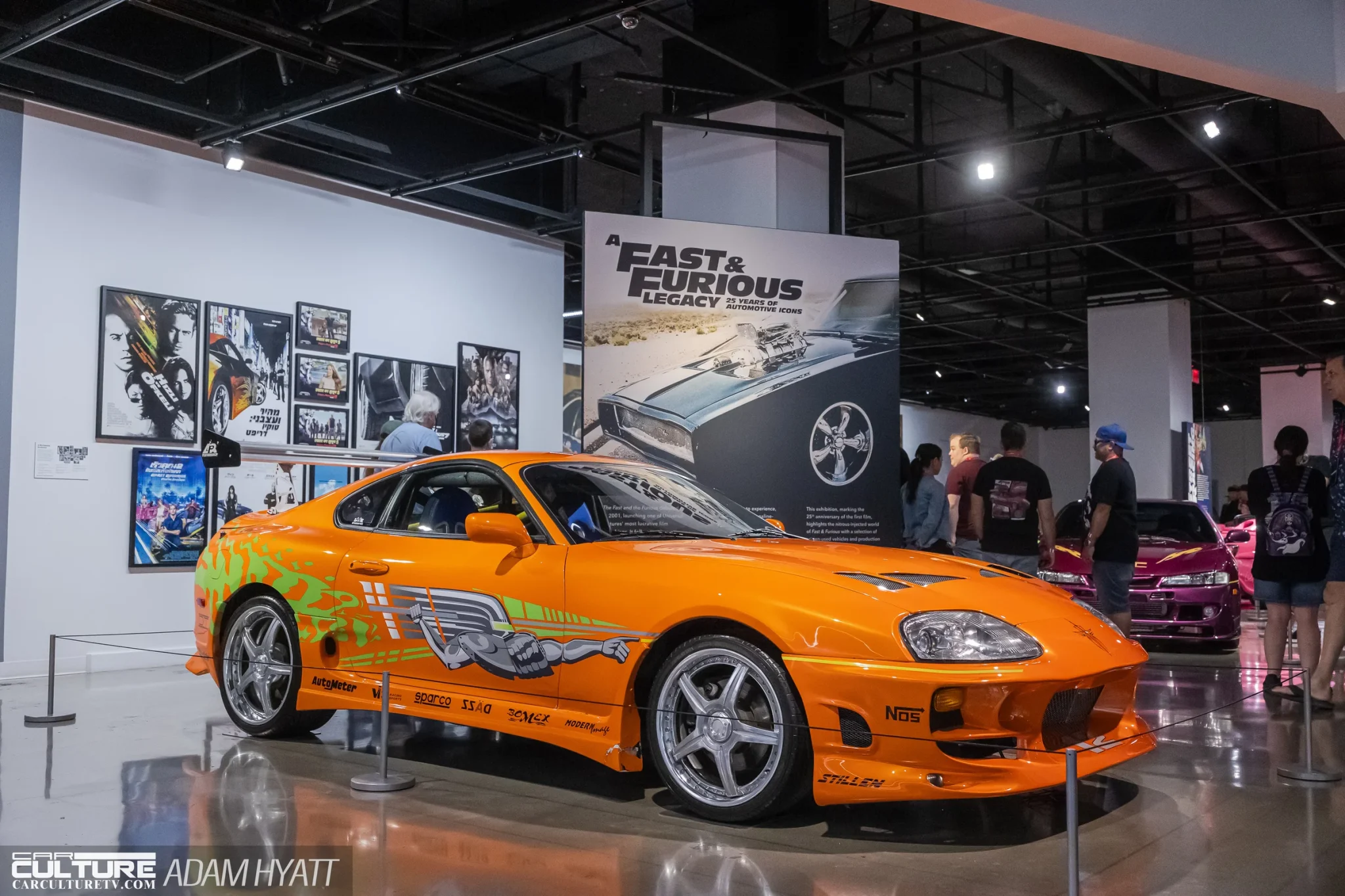
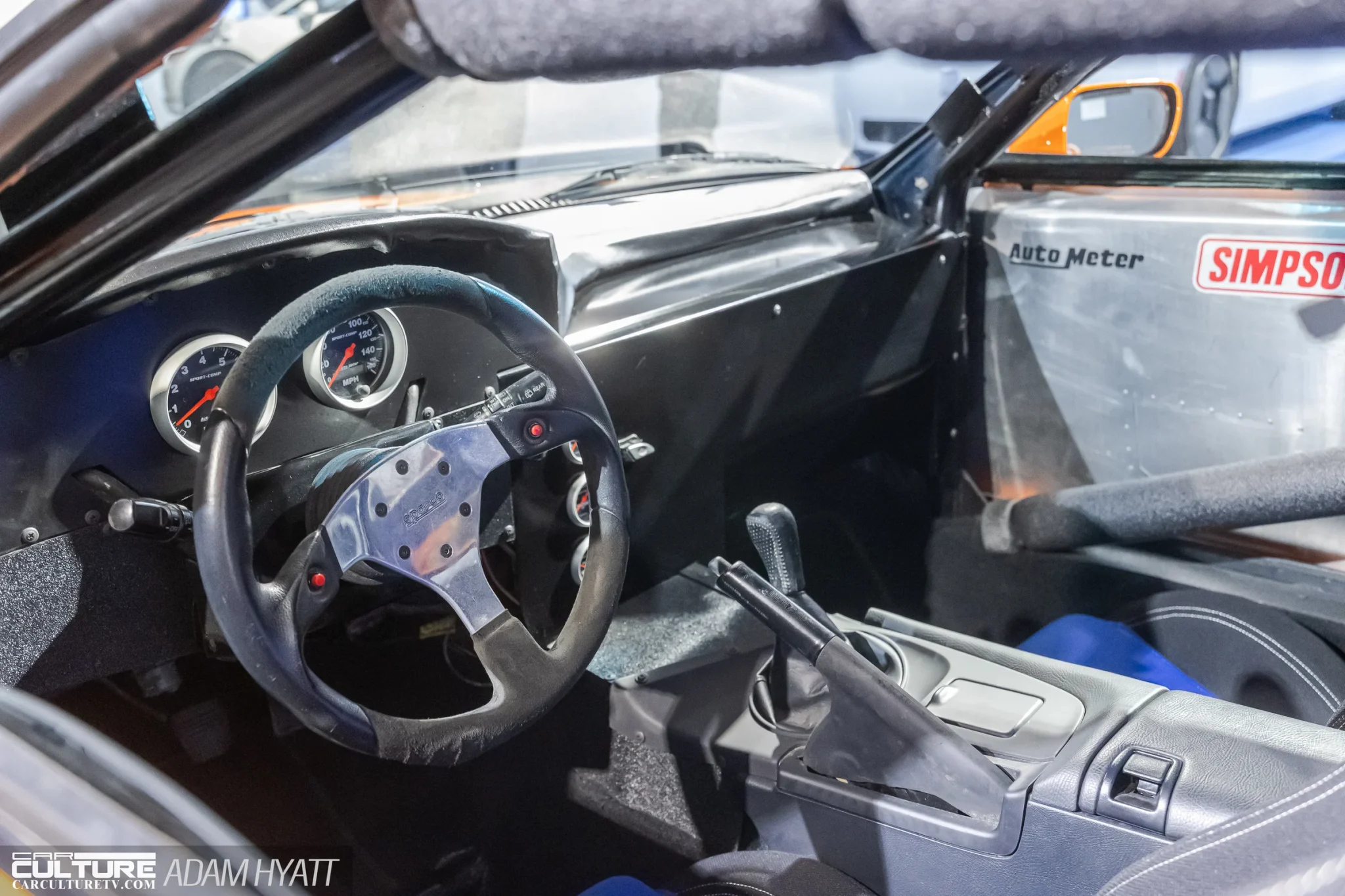
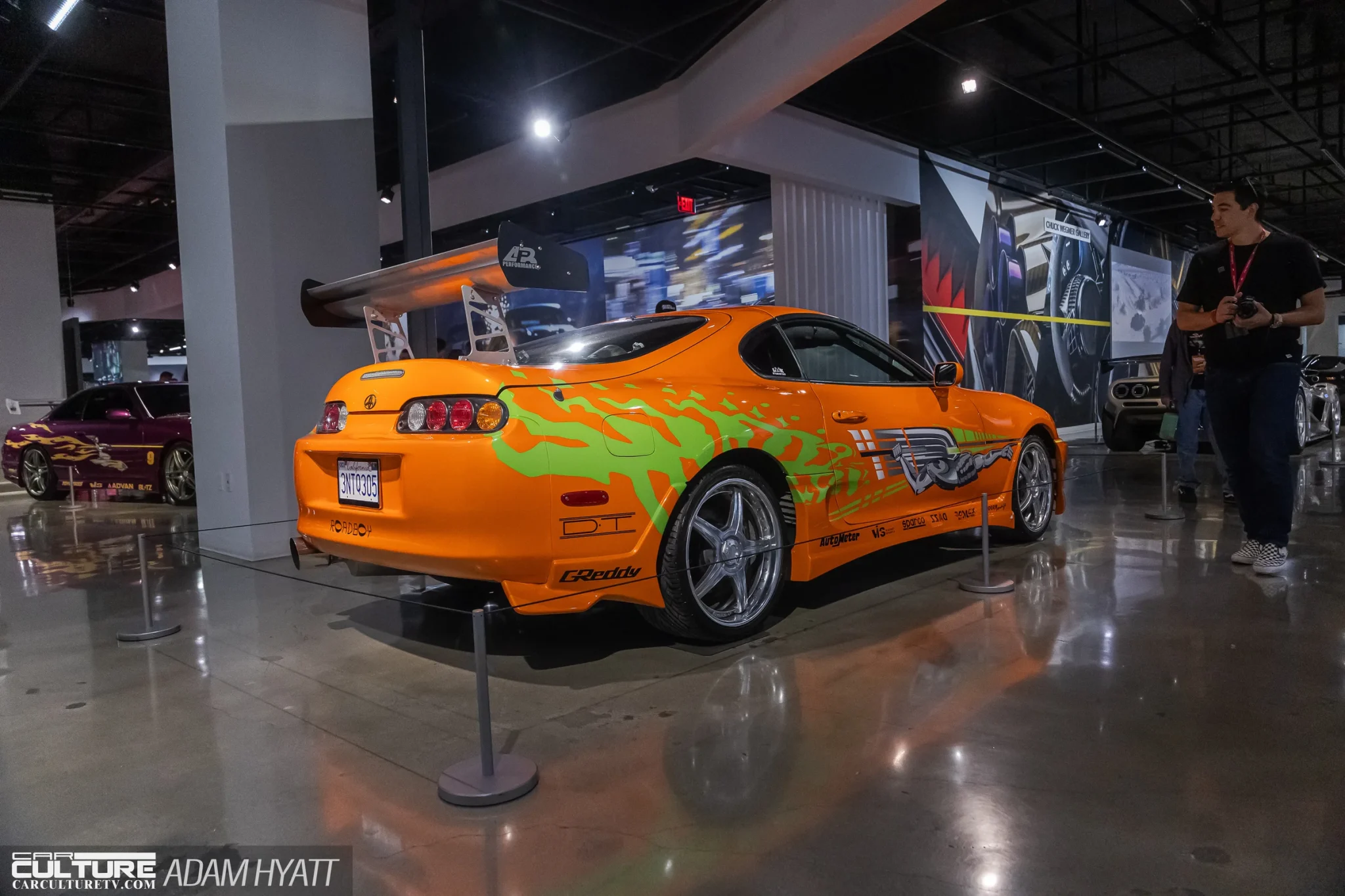
The headliner is exactly who you would expect. Brian O’Connor’s 1993 Toyota Supra, specifically Stunt Car #3, is here in its Lamborghini Arancio Ishtar orange paint. Eight near-identical Supras of varying model years were built to resemble the custom 1994 Supra Turbo owned by technical director Craig Lieberman. This particular example was used to film stunt sequences, and seeing it in person makes the auction prices for screen-used examples make complete sense.
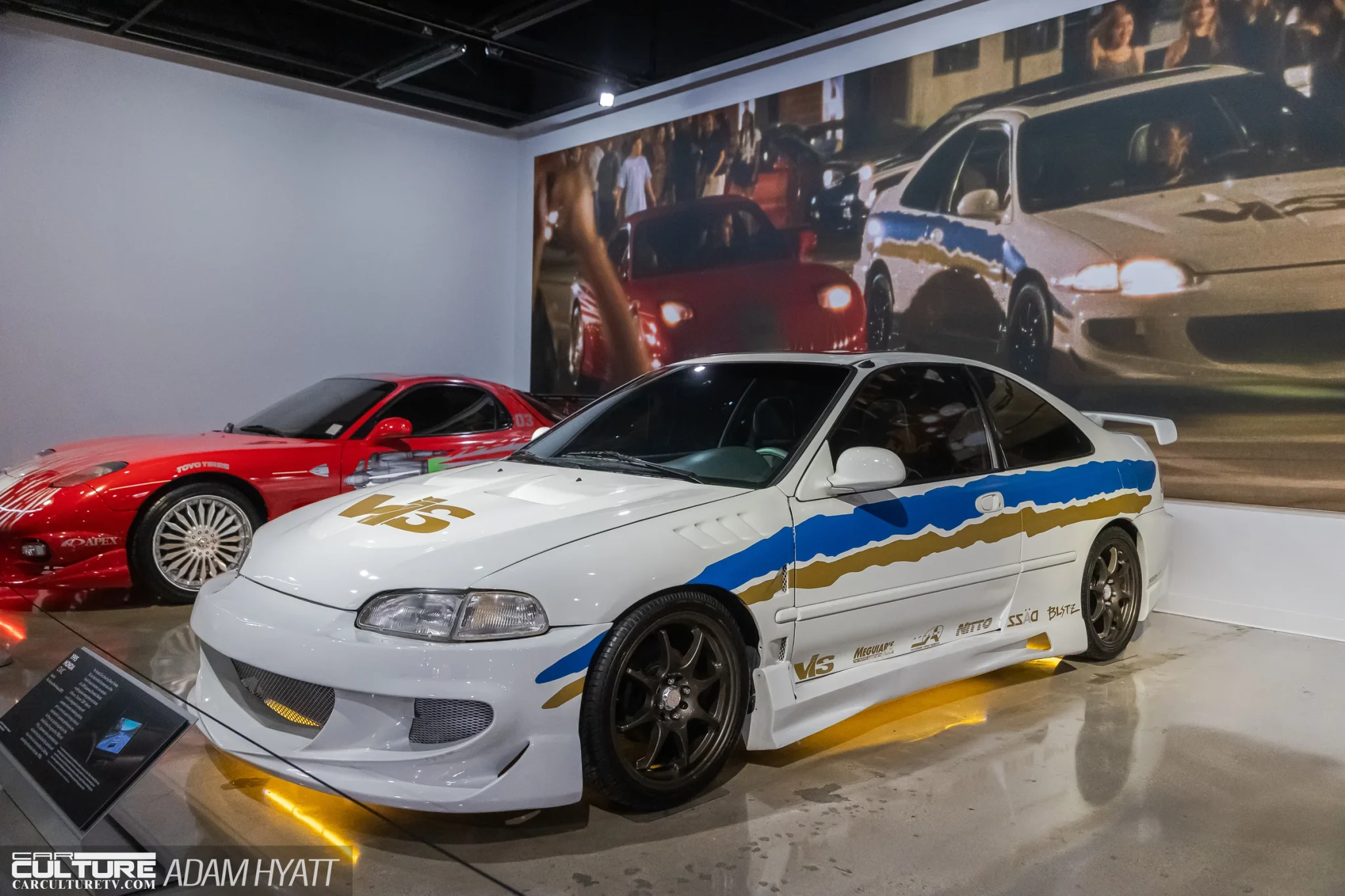
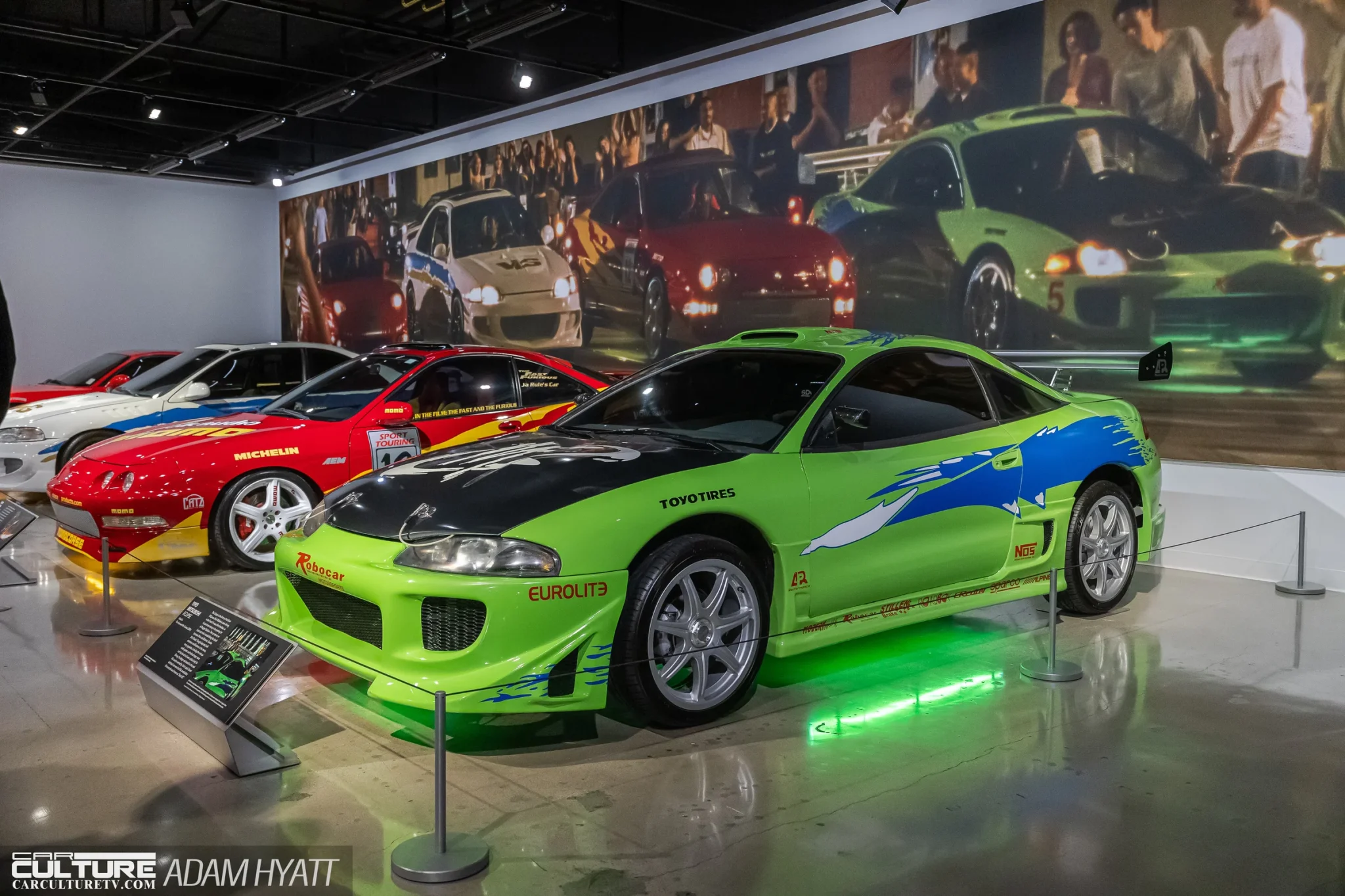
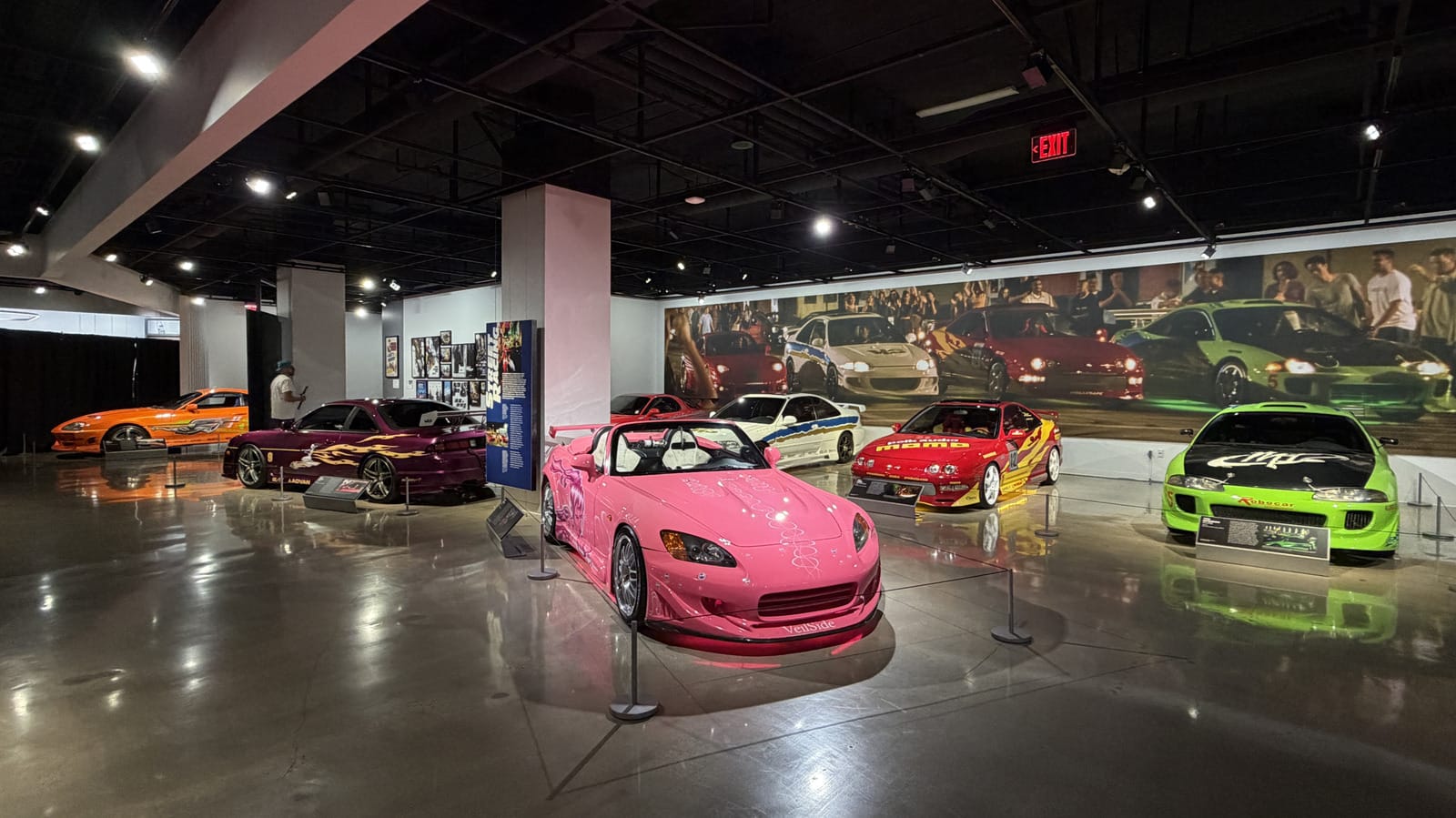
The first street race sequence gets its own dedicated display, and it is the strongest single lineup in the building. The 1996 Acura Integra GS-R driven by Edwin, played by Ja Rule, anchors the scene. It was the number one hero car for that sequence, rented from customizer Bob Kohl, who built it to resemble a racing-spec Honda Accord coupe. Alongside it sits the 1995 Honda Civic driven by Danny Yamato, better known in the industry as RJ de Vera, a friend of mine spanning nearly 25 years in this business and someone whose fingerprints are all over the culture that made this film possible in the first place. Long before the movie hit theaters, RJ was helping build the sport compact scene from the ground up, working as editor-at-large at Super Street magazine and helping organize the first National Import Racing Association events. He served as a consultant on the original film, played Danny Yamato on screen, and then spent the next three decades shaping the industry itself, building the Motegi wheel brand, leading global marketing at Meguiar’s, and eventually becoming Vice President of Marketing at SEMA. The kid playing Gran Turismo on an in-dash monitor in a JDM Civic grew into one of the most influential figures the automotive aftermarket has ever produced. Seeing that car on the floor hits differently when you know the full story.
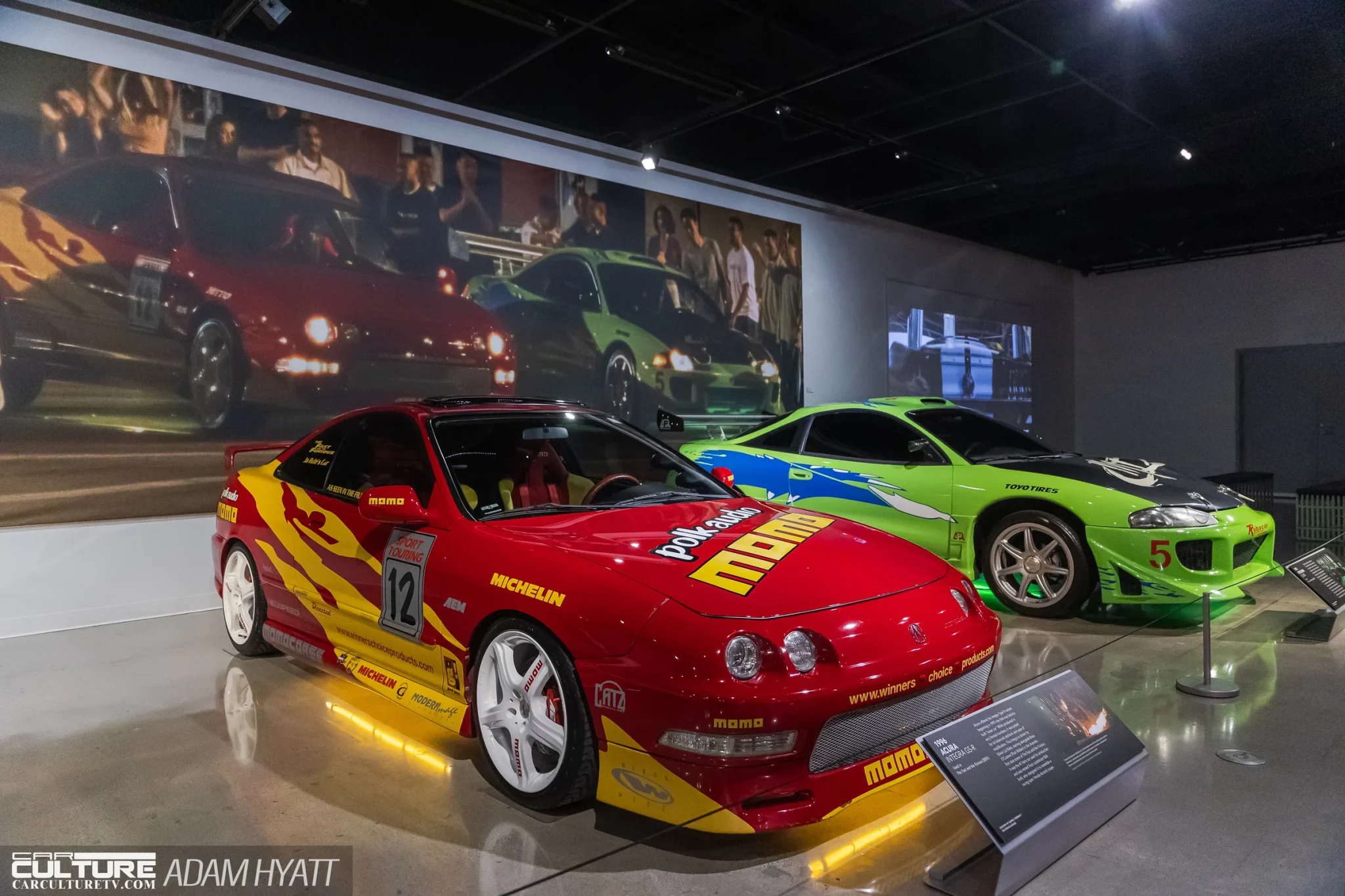
The acid-green 1995 Mitsubishi Eclipse rounds out the opening act. This is Stunt #2, one of seven cars built for production, courtesy of Gabriel Tremblay and The Furious Garage. Its brilliant lime-green paint was not random. It was inspired by Kawasaki motorcycles. The NOS system and turbocharger shown in the film were not functional and were added purely for filming, but the car’s visual impact was entirely real. This is the machine that introduced an entire generation to the idea that a Japanese import could be something worth wanting badly.
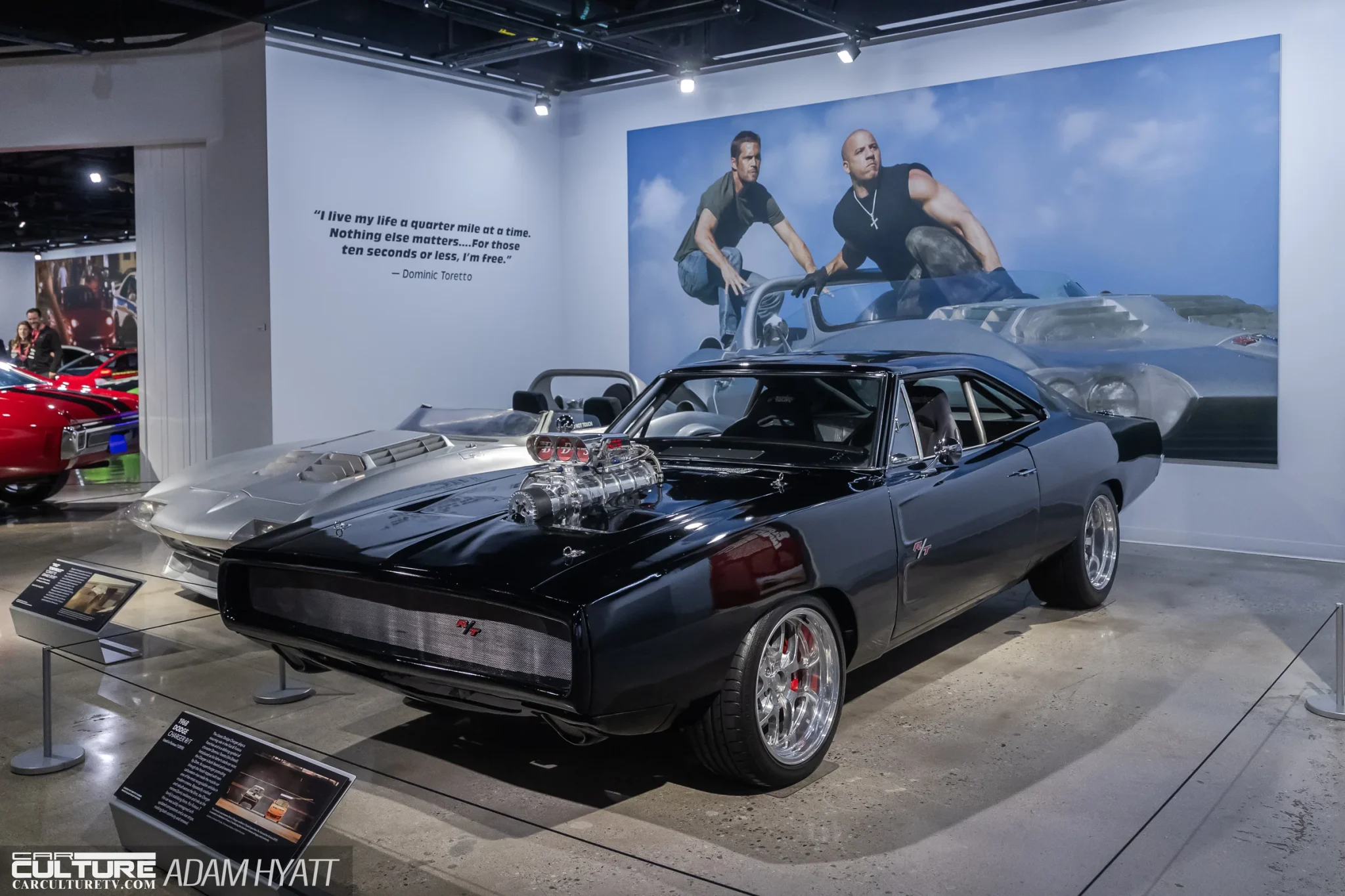
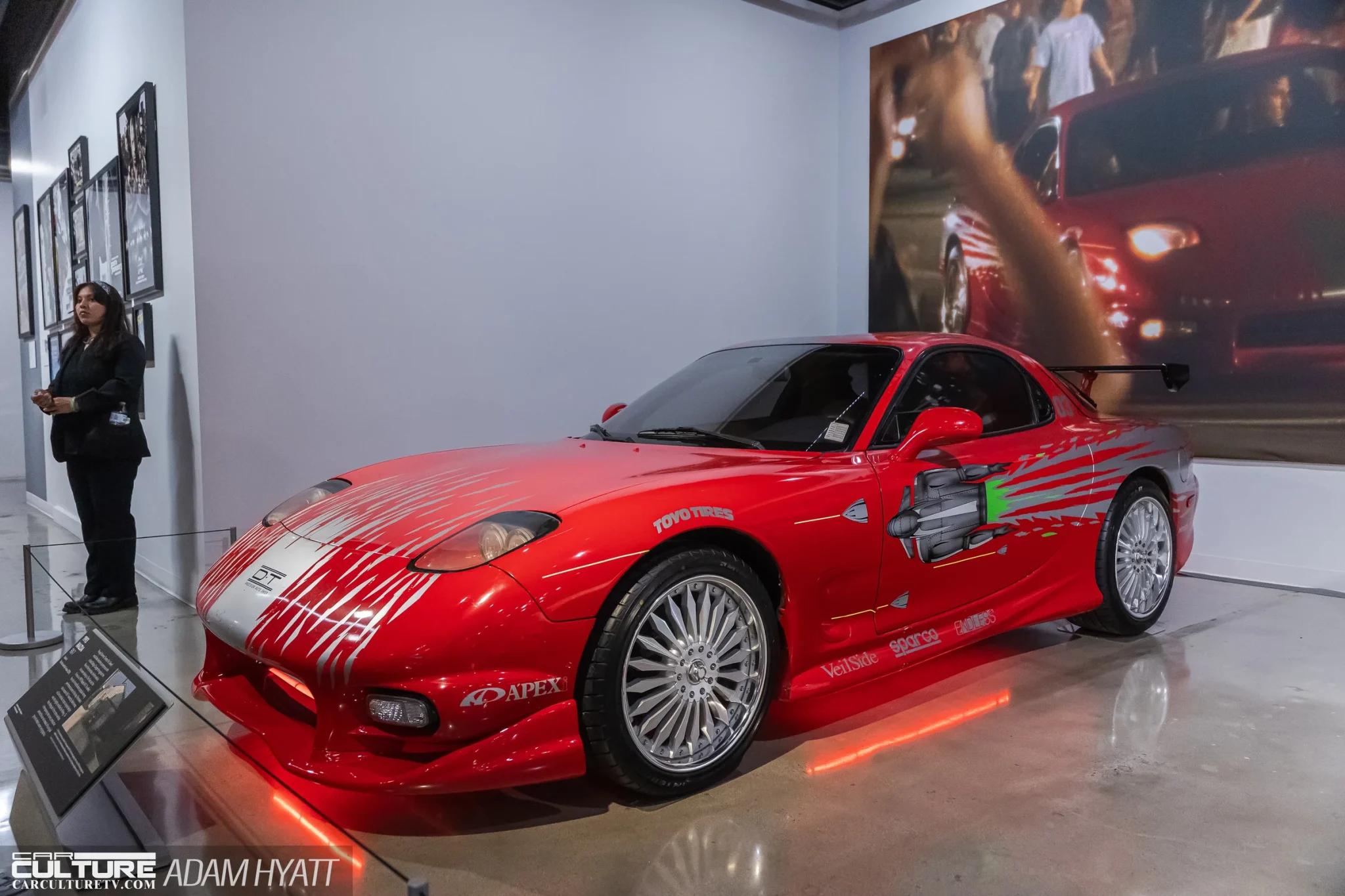
Dom’s 1968 Dodge Charger R/T is from Furious 7, on loan from Vin Diesel’s private collection. The supercharger protruding through the hood has made it one of the most recognizable vehicles in modern cinema. Repeatedly crashed and rebuilt across the films, the Charger mirrors Dom’s resilience, and for Furious 7 it was subtly reimagined with updated components and a rear stripe, marking both continuity and renewal. Also on the floor is Dom’s 1993 Mazda RX-7, the blood-red third-generation FD that established his character’s taste for raw, purpose-built machines before the Charger became his signature, courtesy of Gabriel Tremblay and The Furious Garage. Rolling on 18-inch staggered Veilside Andrew F style wheels, the RX-7 is every bit as purposeful in person as it was on screen. Seeing both cars together makes clear that Dom’s garage was never just about American muscle. It was about anything fast enough to earn respect.
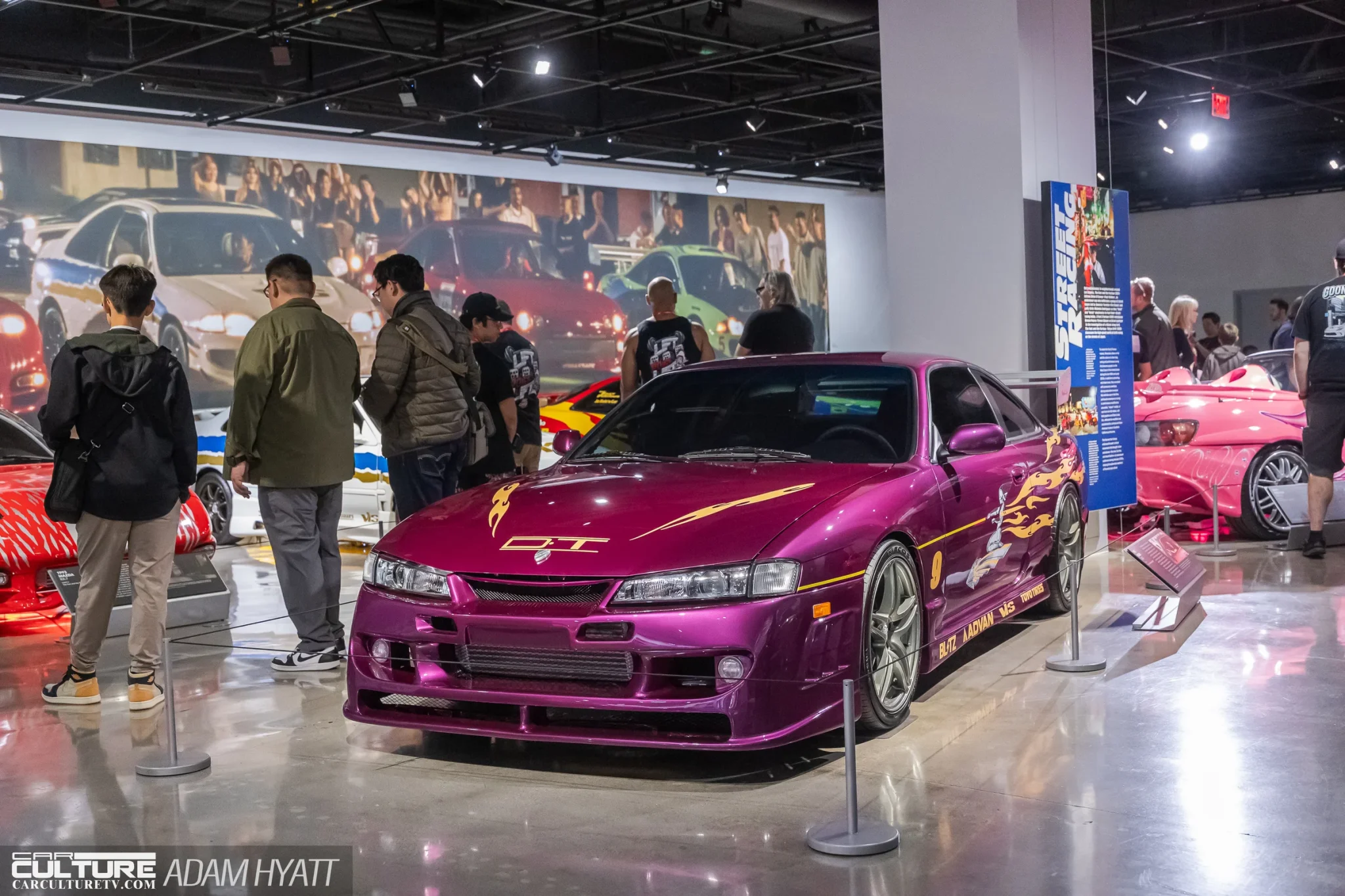
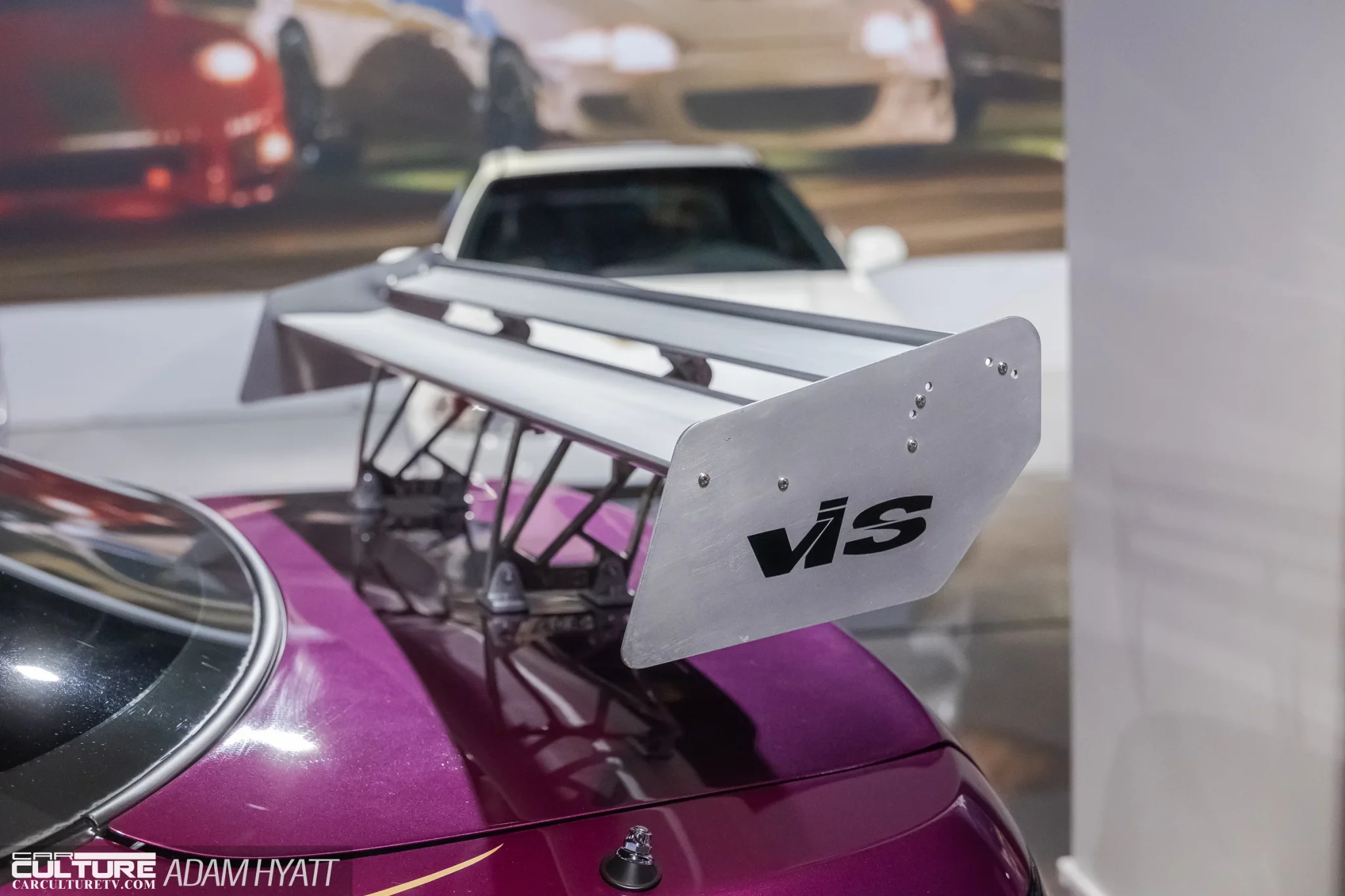
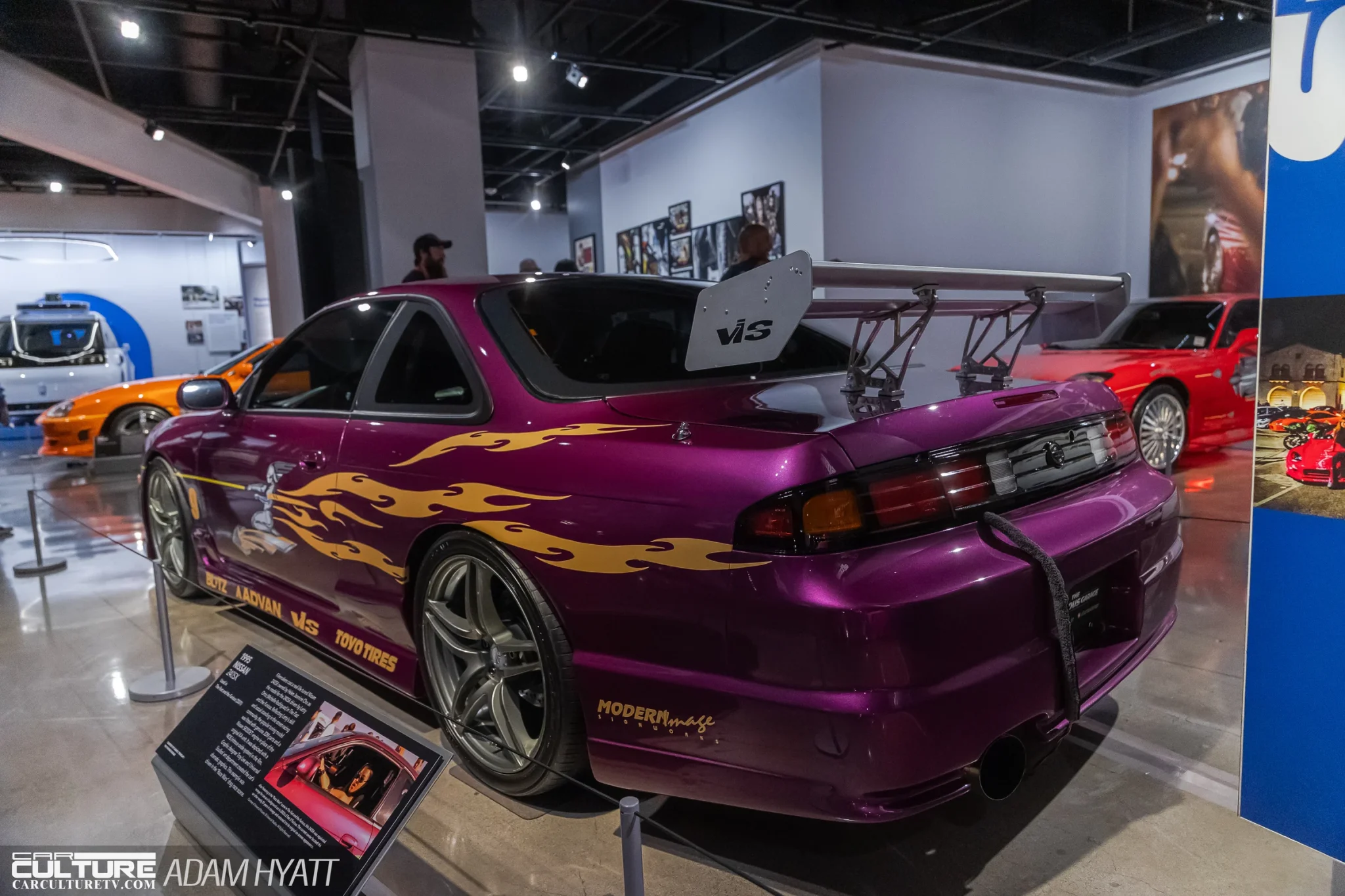
Letty’s 1995 Nissan 240SX is a car with a longer story than most people realize. Filmmakers cast a real-life tuned 240SX owned by Helen Jasmine Cho as the model for Letty’s car. It was fitted with genuine JDM parts and a Nissan SR20DET engine in place of the original KA unit, and graphic designer Troy Lee and Universal’s art department created the dramatic livery. This example was driven in the Race Wars drag race scene, then repainted orange and used as a background car in 2 Fast 2 Furious. The current owner tracked it down after nearly twenty years in storage and restored it to its original on-screen appearance.
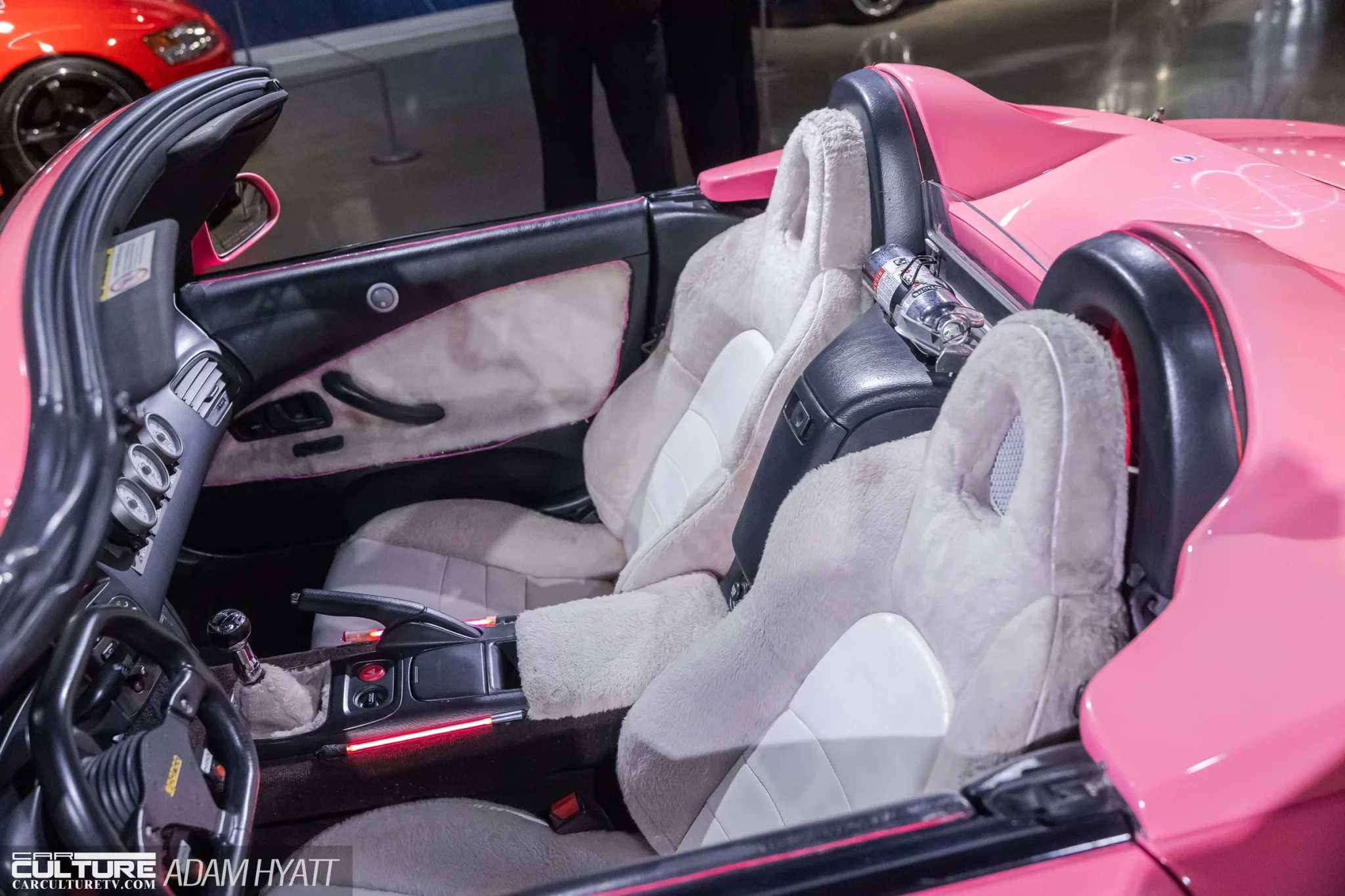
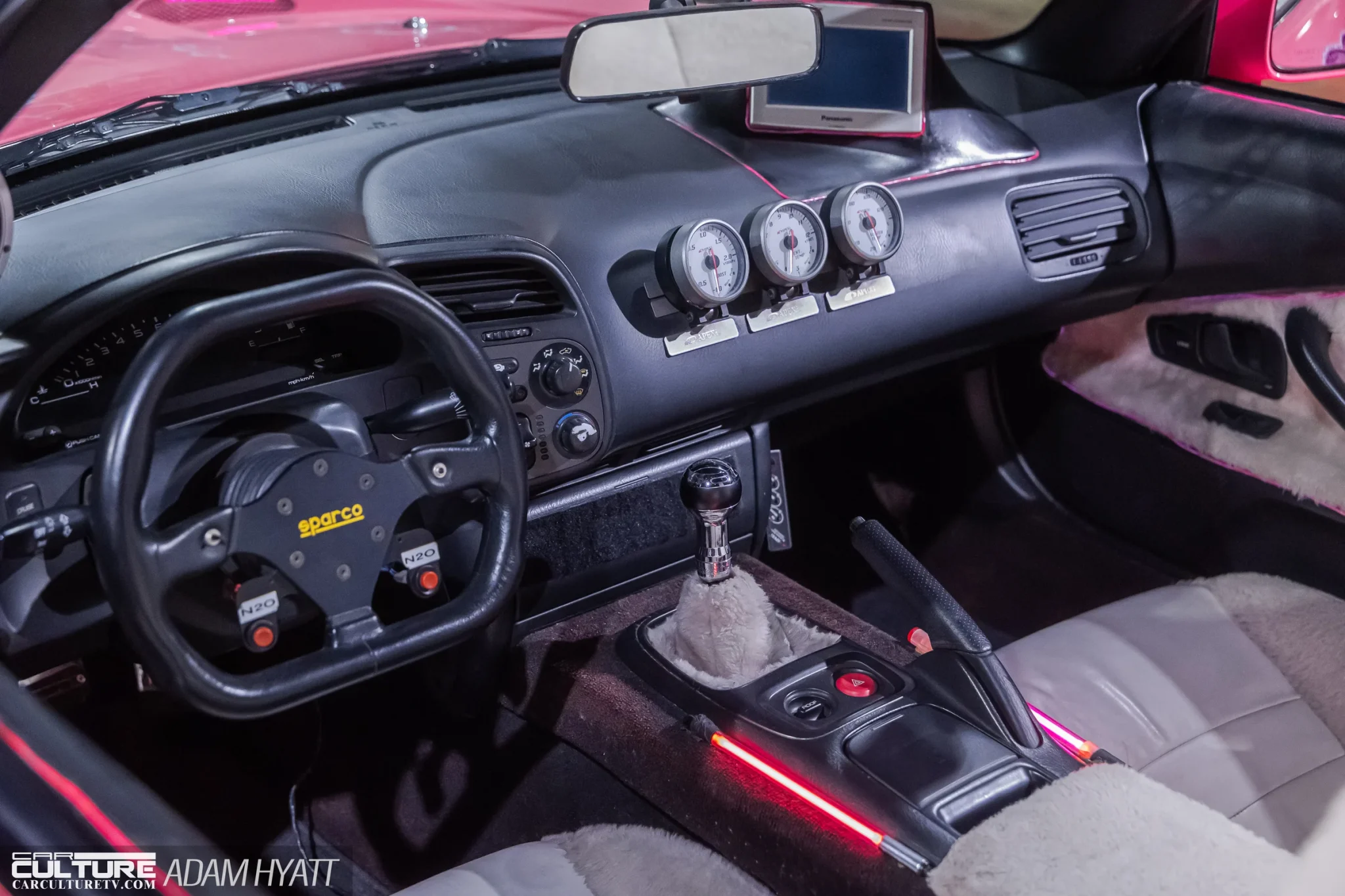
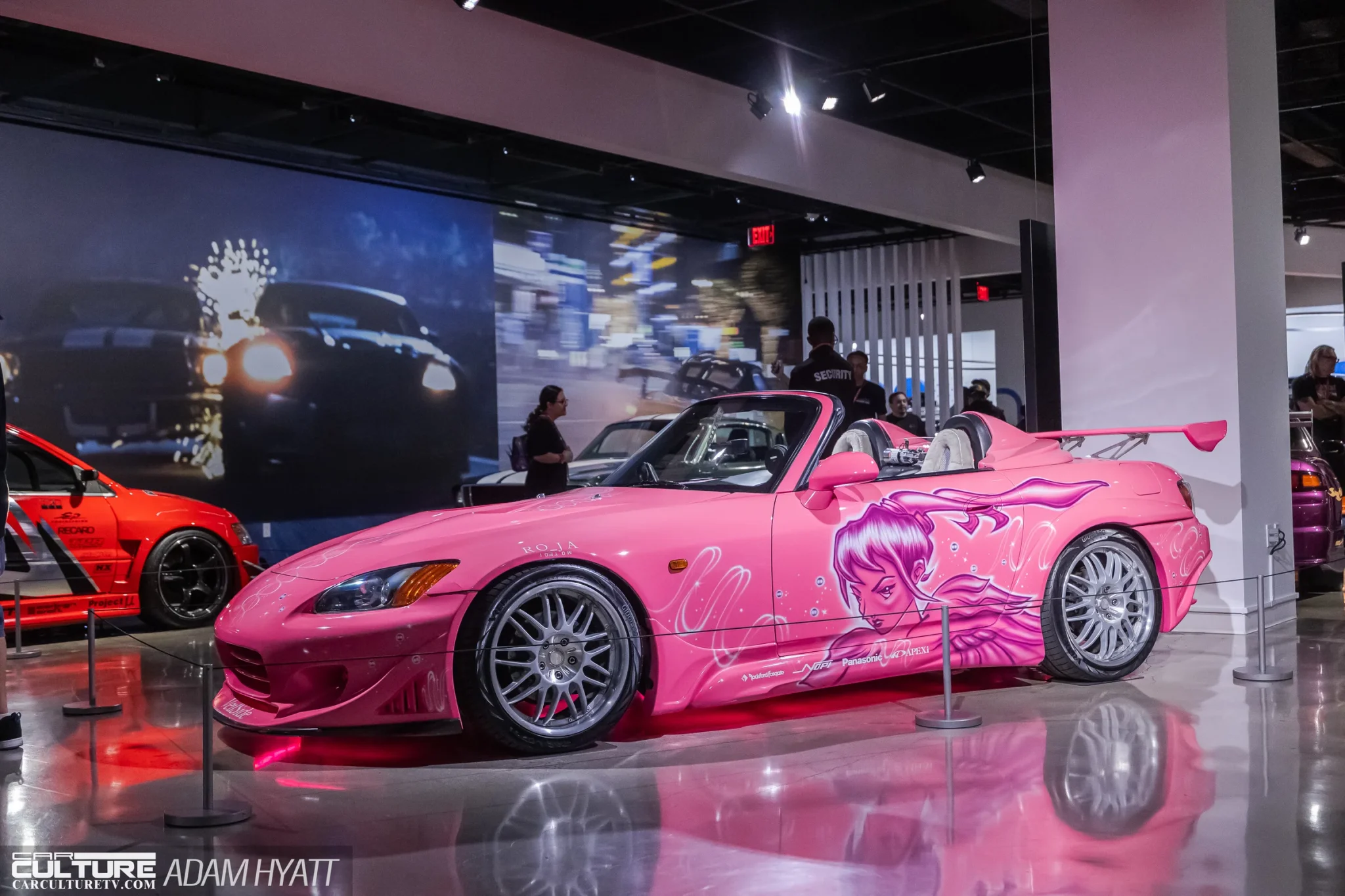
Suki’s pink 2001 Honda S2000 from 2 Fast 2 Furious is the number one hero car from that film. Its anime-inspired graphics were designed by costume designer Sanja Milkovic Hays as a portrait of the character herself. Under the body, the car was tuned seriously: a Comptech supercharger pushing output from 240 to 340 horsepower, a Veilside body kit, and 18-inch rims. The visual flamboyance and the mechanical substance matched, which is exactly what that era of tuner culture was about.
This Is the Origin Story
What the Petersen gets right is the framing. These cars are not displayed as movie memorabilia. They are displayed as artifacts from a cultural turning point.
The first Fast and Furious film arrived in 2001 and did something no other mainstream movie had done: it made import tuning aspirational on a mass scale. Before that film, the sport compact scene existed in enthusiast magazines, parking lot meets, and weekend drag events. It was a subculture with its own language, its own heroes, and its own hierarchy. Most of America had no idea it existed. The Fast and the Furious changed that overnight.
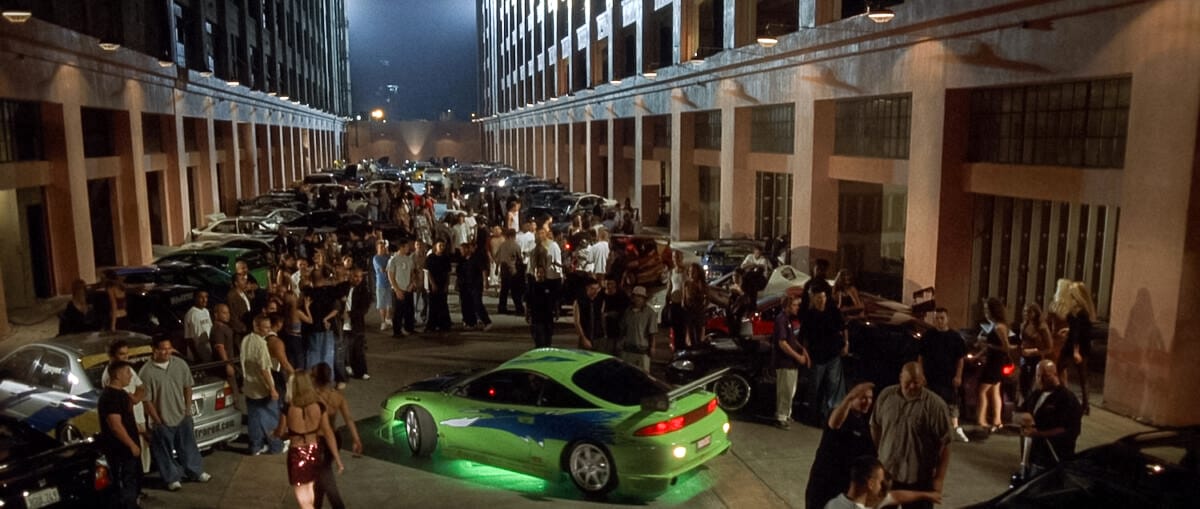
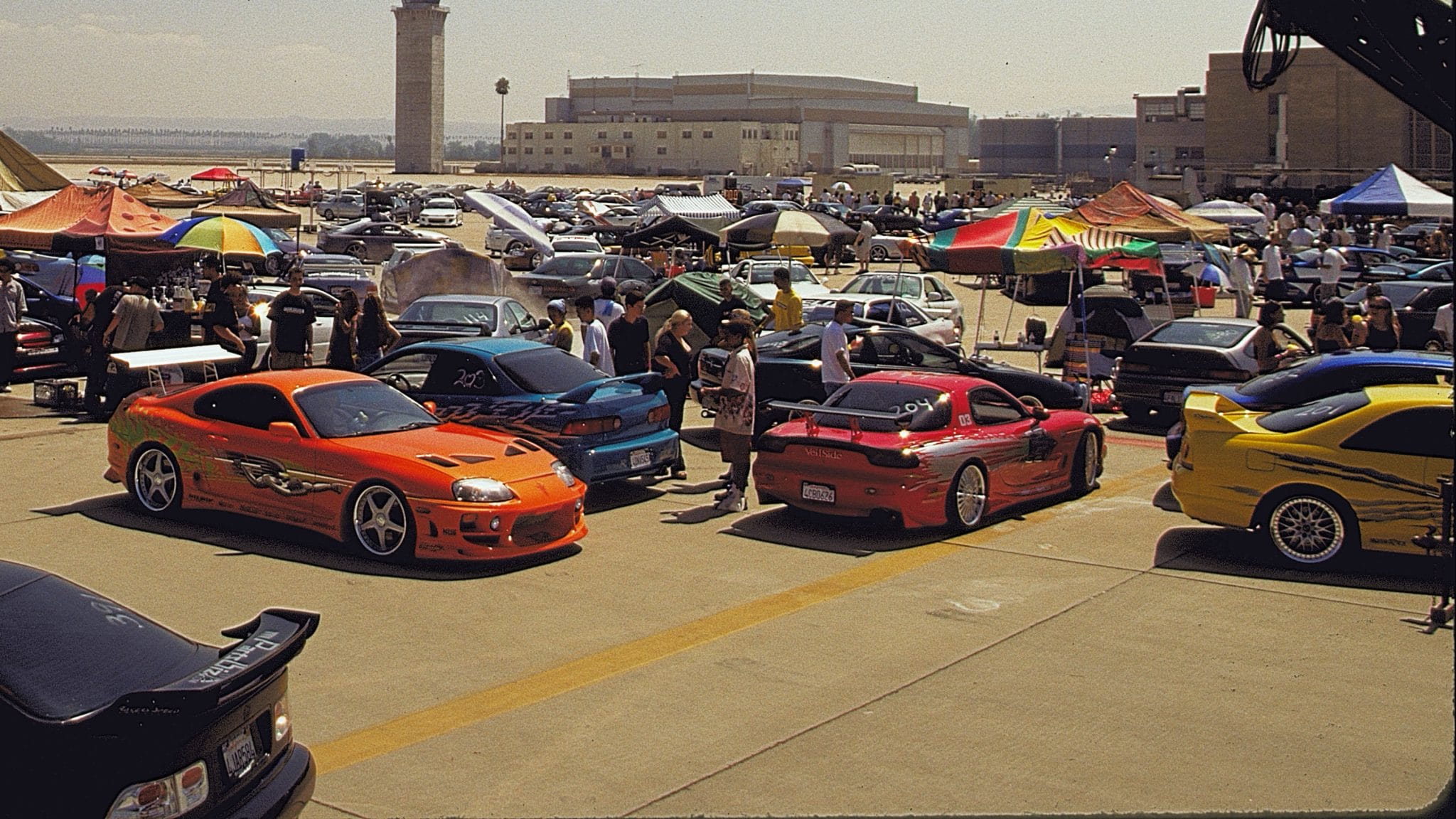
Suddenly the Mitsubishi Eclipse was not just a sports coupe. It was the car Paul Walker drove. The Nissan Skyline went from a forbidden JDM legend to a household name. Honda, Toyota, and Acura, brands that mainstream America associated with reliable commuter transportation, were now the foundation of something that looked and sounded genuinely exciting. Turbochargers, cold air intakes, body kits, NOS systems, and aftermarket wheels stopped being niche modifications and started being things teenagers were cutting out of magazines and pinning to their walls.
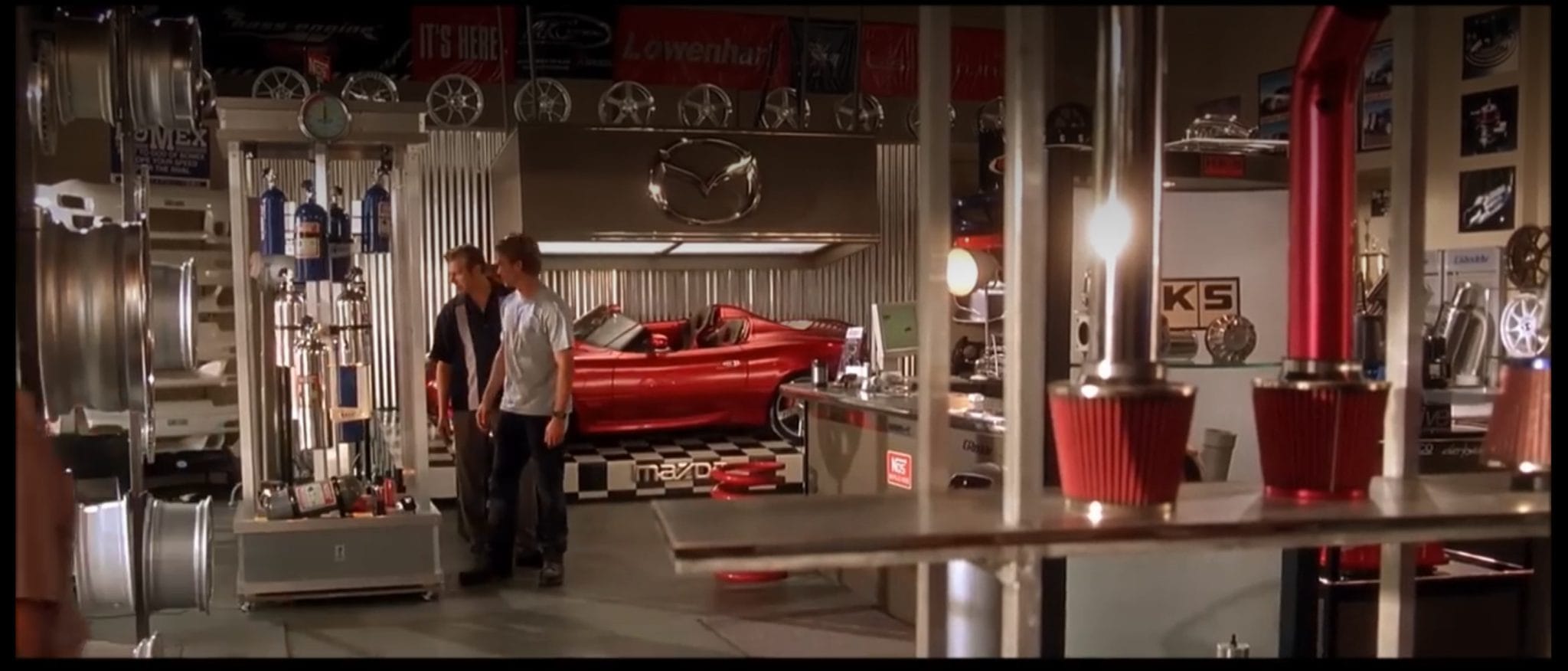
The aftermarket industry felt it immediately. Companies like Veilside, HKS, Greddy, AEM, and Sparco saw brand recognition explode beyond anything their marketing budgets could have produced on their own. Wheel brands became aspirational. Suspension companies became household names in garages across the country. The SEMA Show, which had long been dominated by domestic truck and muscle car culture, started to reflect the shift as the import segment grew into one of its most significant categories. A single film did more for the visibility of the performance aftermarket than a decade of trade shows.
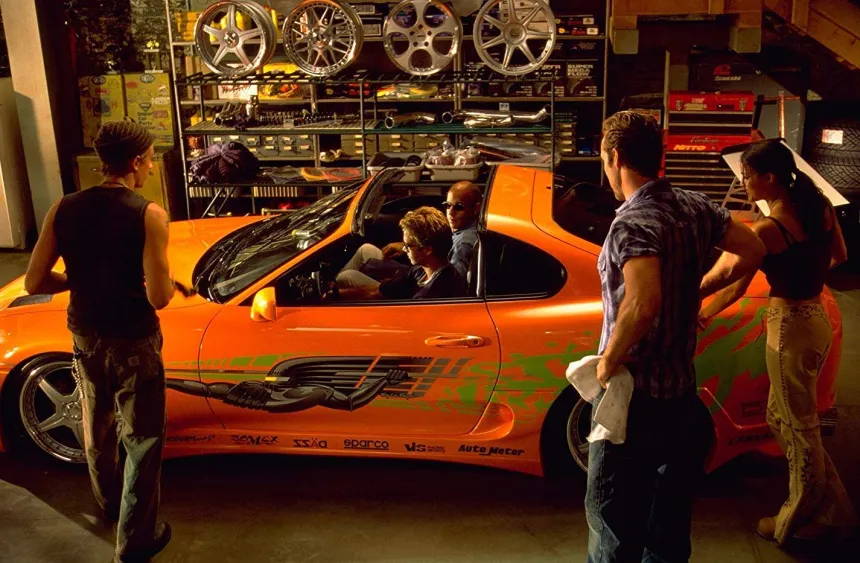
For young enthusiasts, the impact went even deeper. An entire generation of mechanics, fabricators, builders, photographers, journalists, and media creators trace their entry point into car culture directly back to this franchise. Kids who grew up watching Brian O’Conner negotiate a quarter mile at a time went on to build shops, launch YouTube channels, start media brands, and make careers out of a passion that a movie told them was worth having. That is not a small legacy. That is a generational shift in who gets to call themselves a car person.
The exhibition brings together the film cars alongside displays explaining how the franchise helped push street racing and import tuner culture into the mainstream. Original posters and promotional materials from countries around the world line the walls, with screens throughout playing clips from the films. It is a complete environment, not just a parking lot with velvet ropes. The Petersen understood that the cars alone are only half the story. The culture they created is the other half, and this exhibit does justice to both.
For me, that story is personal. By the time the film hit theaters I was already deep in it, having picked up a 1995 Supra fitted with a Veilside kit and Volk Racing wheels. That car led me to the Supras In Las Vegas event (the largest Supra gathering in the world), which led to opening my own performance shop, sponsoring and helping run the event for years, and eventually making the pivot into media that brought me to where I am now. CarCultureTV exists, in part, because a movie about street racing made an entire generation believe that cars were worth dedicating your life to. Walking through this exhibit felt less like covering a story and more like watching my own origin story get framed and put on a wall.
Every Film Is Represented
The museum picked out a strong mix of vehicles, from the most recognizable rides to the cult favorites. Each of the ten films has a presence, and that includes Tokyo Drift, which tends to get underestimated.
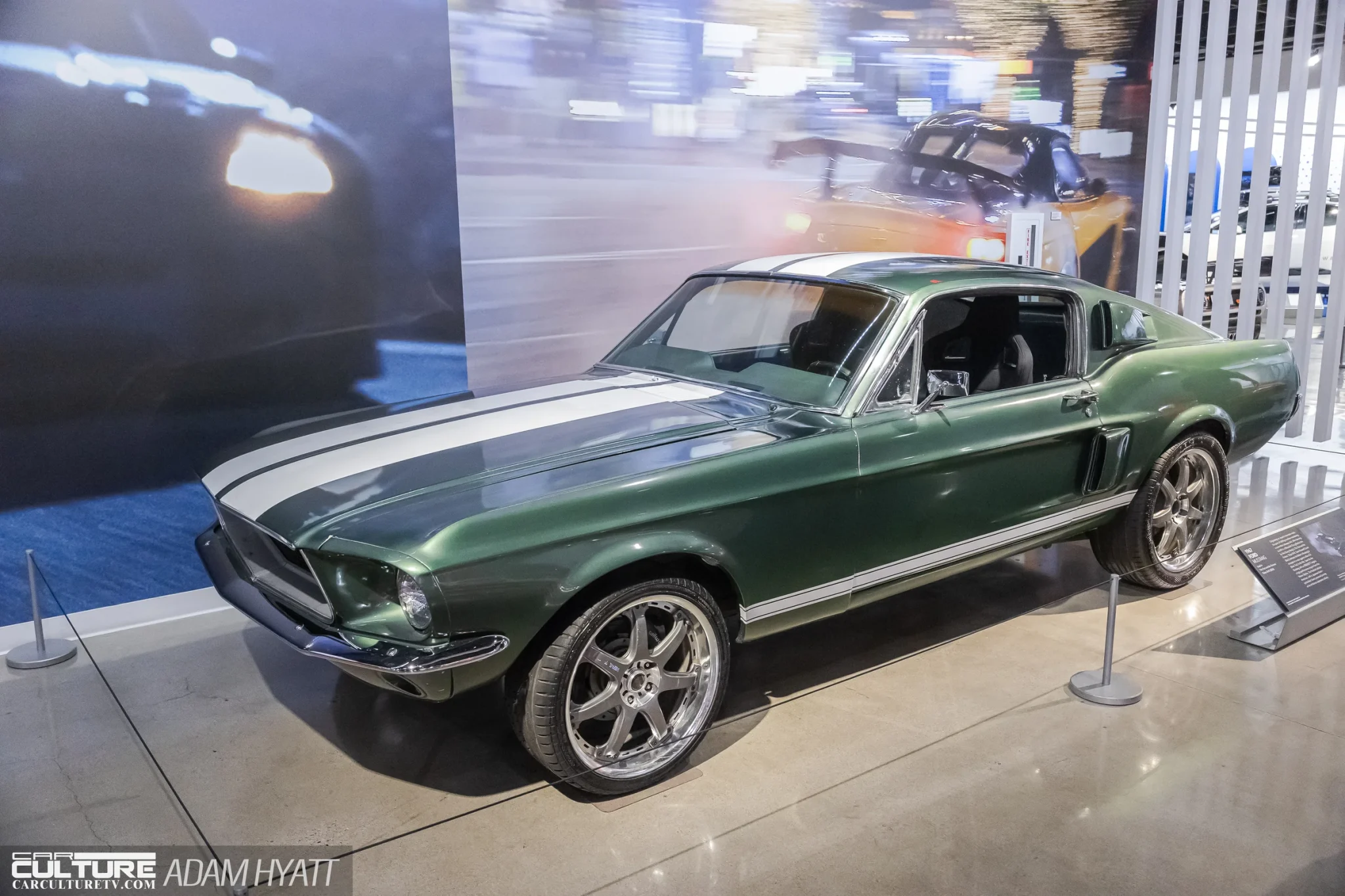
The 1967 Ford Mustang driven by Sean Boswell in the film’s climactic race is here, on loan from the Celebrity Car Museum in Branson, Missouri. In the film, Sean fits it with an RB26DETT engine pulled from a Nissan Skyline, a setup that turns an all-American muscle car into something that belongs on a Japanese mountain pass. That combination is the entire point of Tokyo Drift distilled into one vehicle.
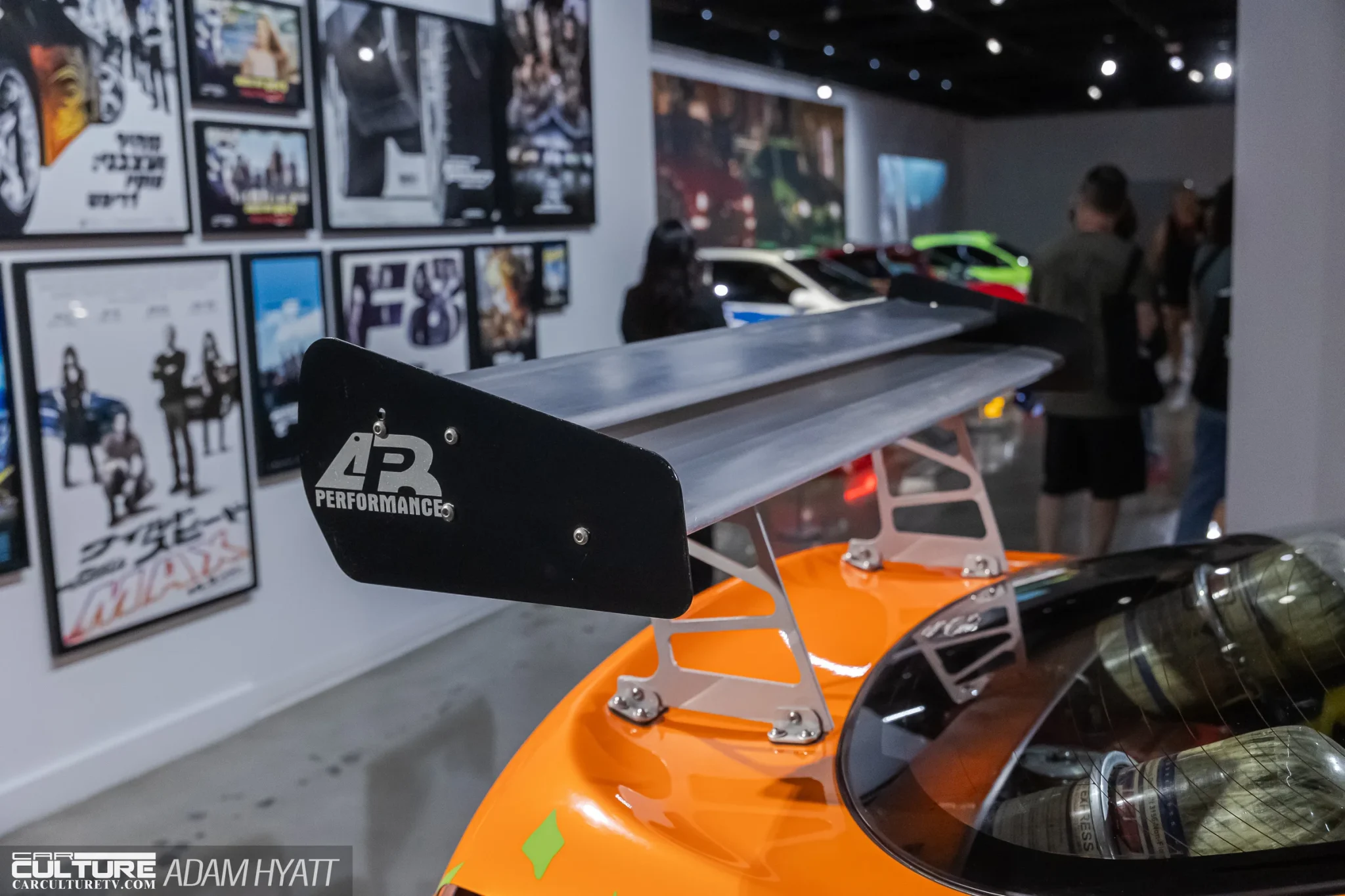
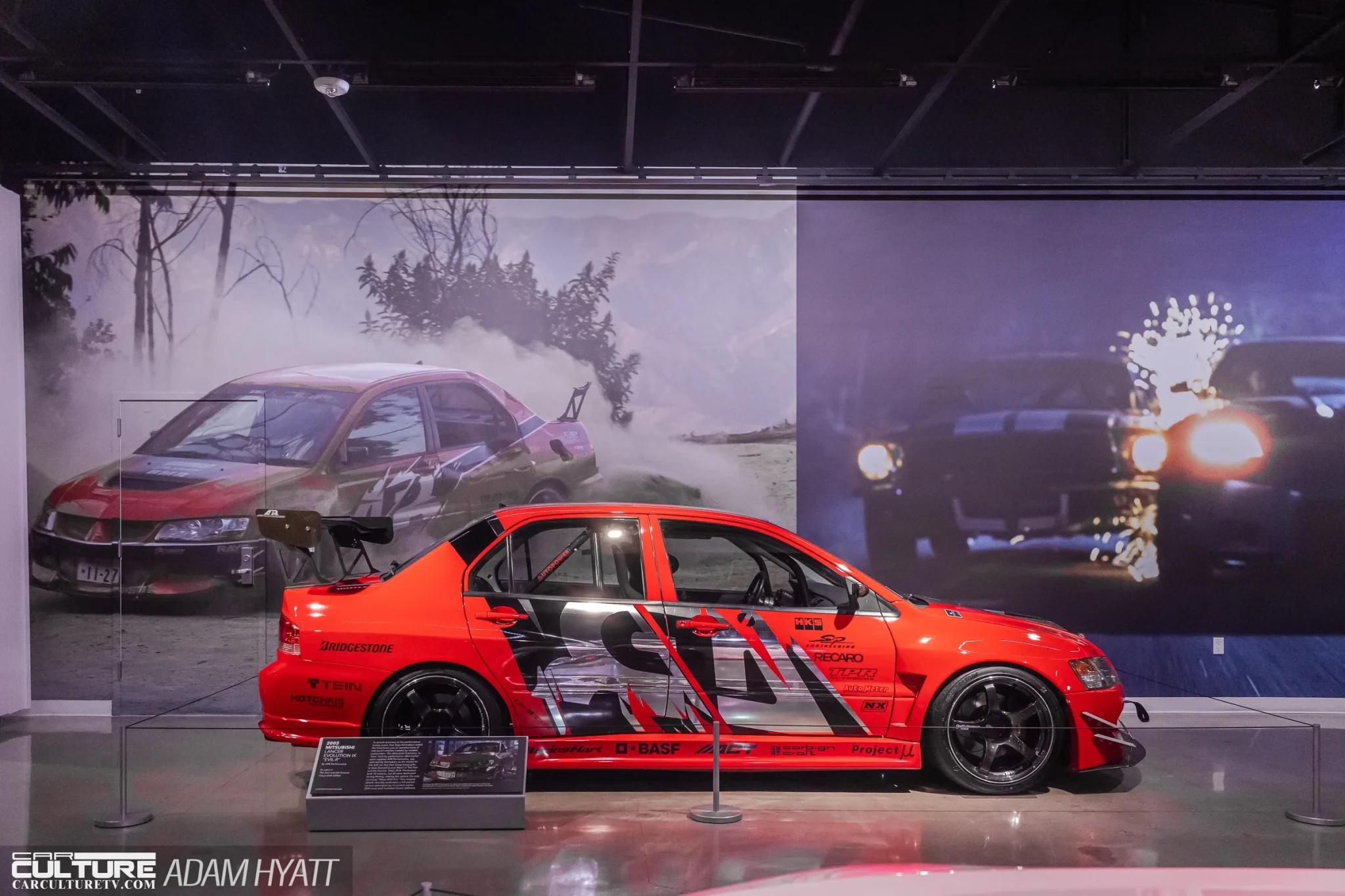
Even more significant is the 2005 Mitsubishi Lancer Evolution IX “Evil-R,” built by APR Performance and the car Han gifts to Sean early in the film. Production built ten replicas for filming. Every single one was destroyed during production. This is the only surviving Tokyo Drift Evo in existence. Its current owner, JDM tuner and YouTuber Dustin Williams, recently completed a full period-correct restoration. The fact that it survived at all is remarkable. That it is here, in a museum, is the right outcome for it.
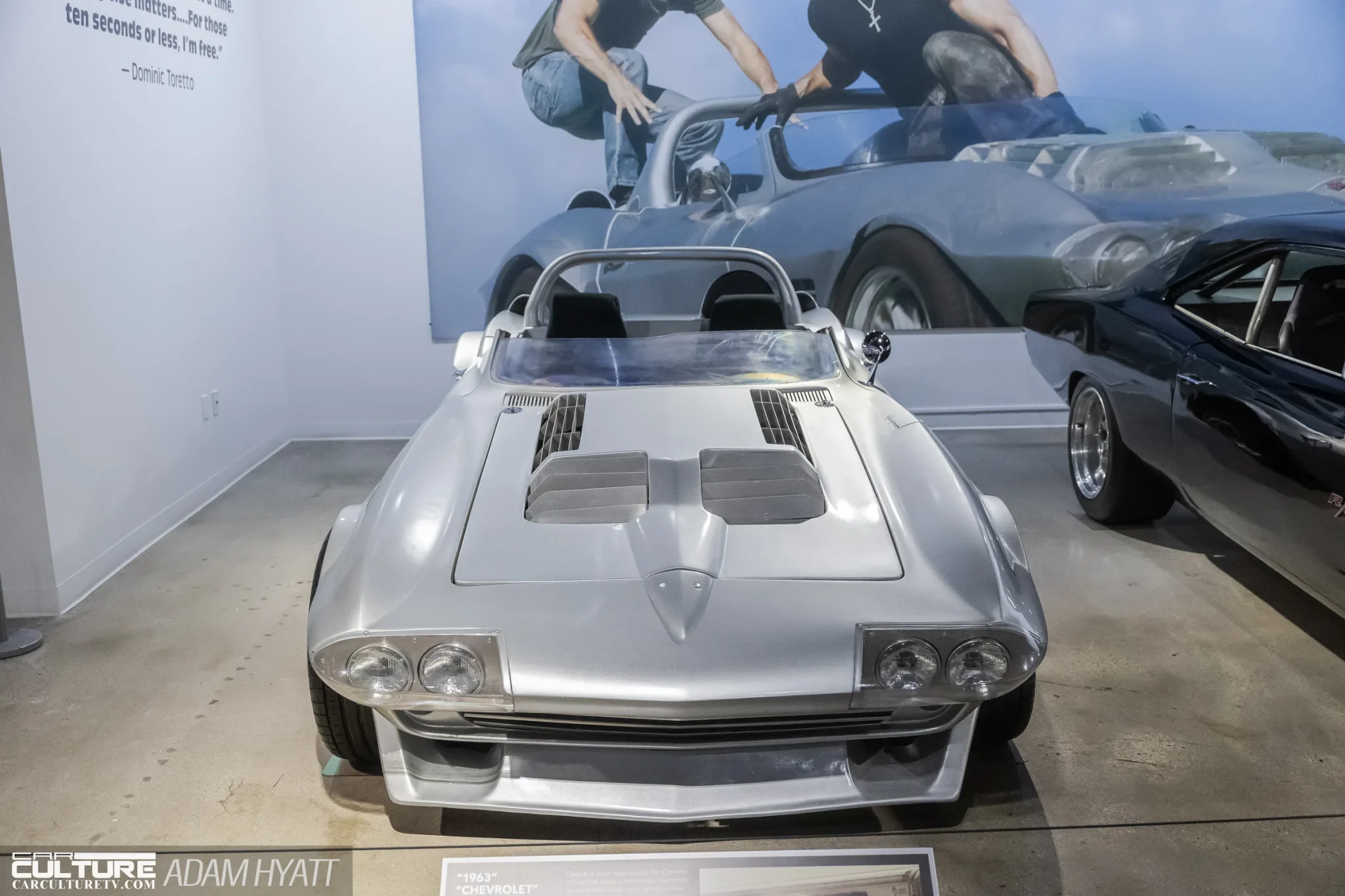
Fast Five is also well represented. The “1963 Chevrolet Corvette Grand Sport” that Dom and Brian use in the vault heist sequence was actually built by Mongoose Motorsports as a custom picture vehicle. Authentic C2 Corvettes were too rare and valuable to risk on a film set, so twelve replicas were constructed for production. Three survive. One of them is on the floor here, and it holds up completely.
Curator Kristin Feay reportedly watched the entire franchise at least a half-dozen times in preparing for the exhibit. That level of commitment shows in the result. Nothing feels like a placeholder, and nothing obvious is missing. The franchise spans 11 films and has grossed more than $7 billion worldwide. Documenting it properly required going well beyond the obvious choices, and the Petersen did exactly that.
Inside the Vault: Where the Rarest Cars on Earth Live
The Vault is not part of the main museum floor. It is a separate, secured underground facility beneath the Petersen, and access is not included with general admission. You have to book it specifically, and that exclusivity is earned.
Down here, the atmosphere shifts completely. No crowds, no noise, no hustle from the galleries above. The lighting is deliberate, the pace is slower, and the cars on display are the kind that most enthusiasts will never see in person anywhere else on earth. The Vault does not deal in almost-rare or nearly-significant. Every vehicle down here carries weight.
The collection rotates, but the caliber never drops. At any given time you are looking at ultra-rare race cars, one-off prototypes, celebrity-owned machines, and historically significant vehicles that simply do not surface in public very often. Ferrari F40s. McLaren F1s. Cars with racing provenance that belongs in textbooks. The Vault treats all of them with the same seriousness, because they have earned it.
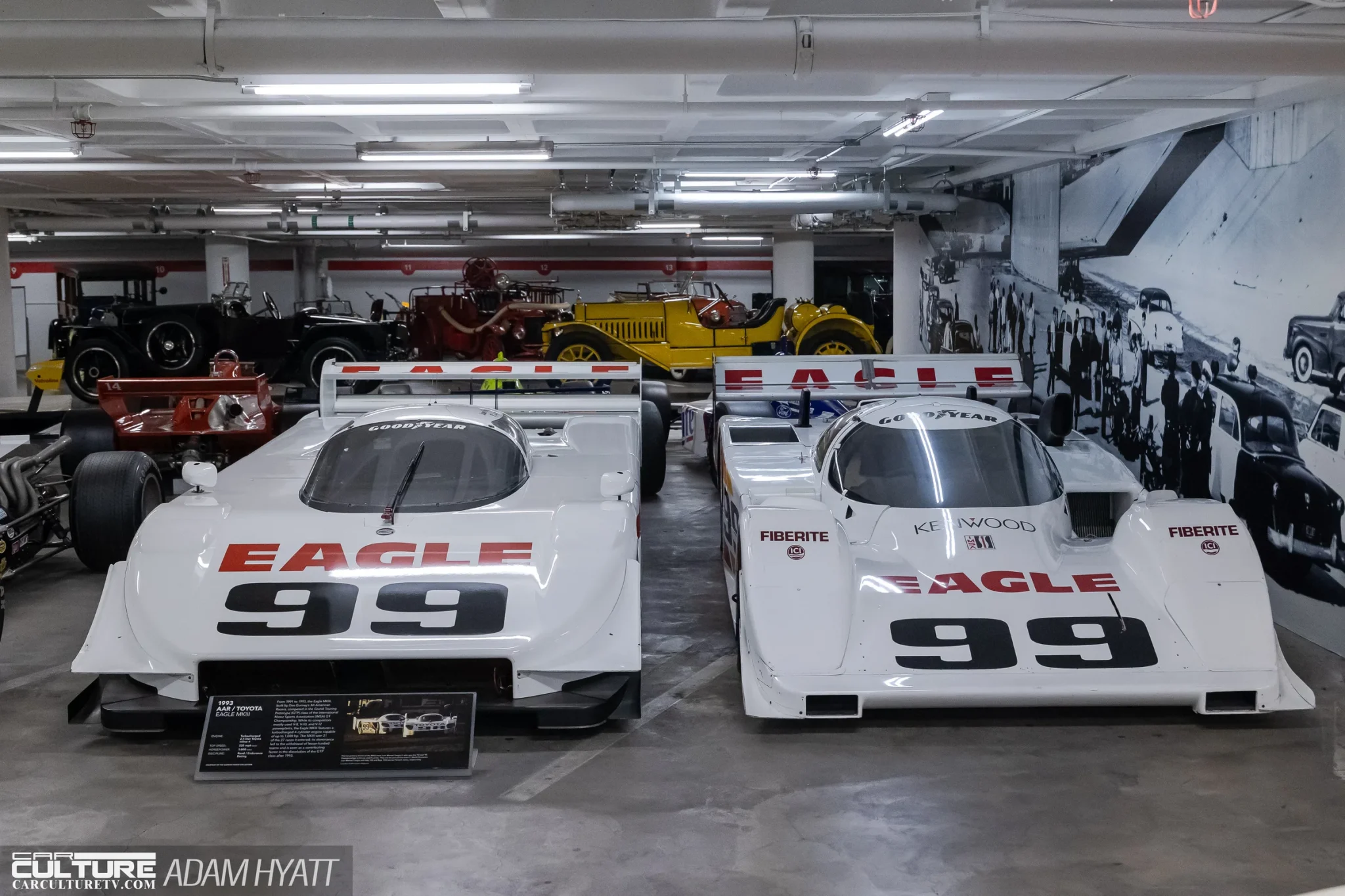
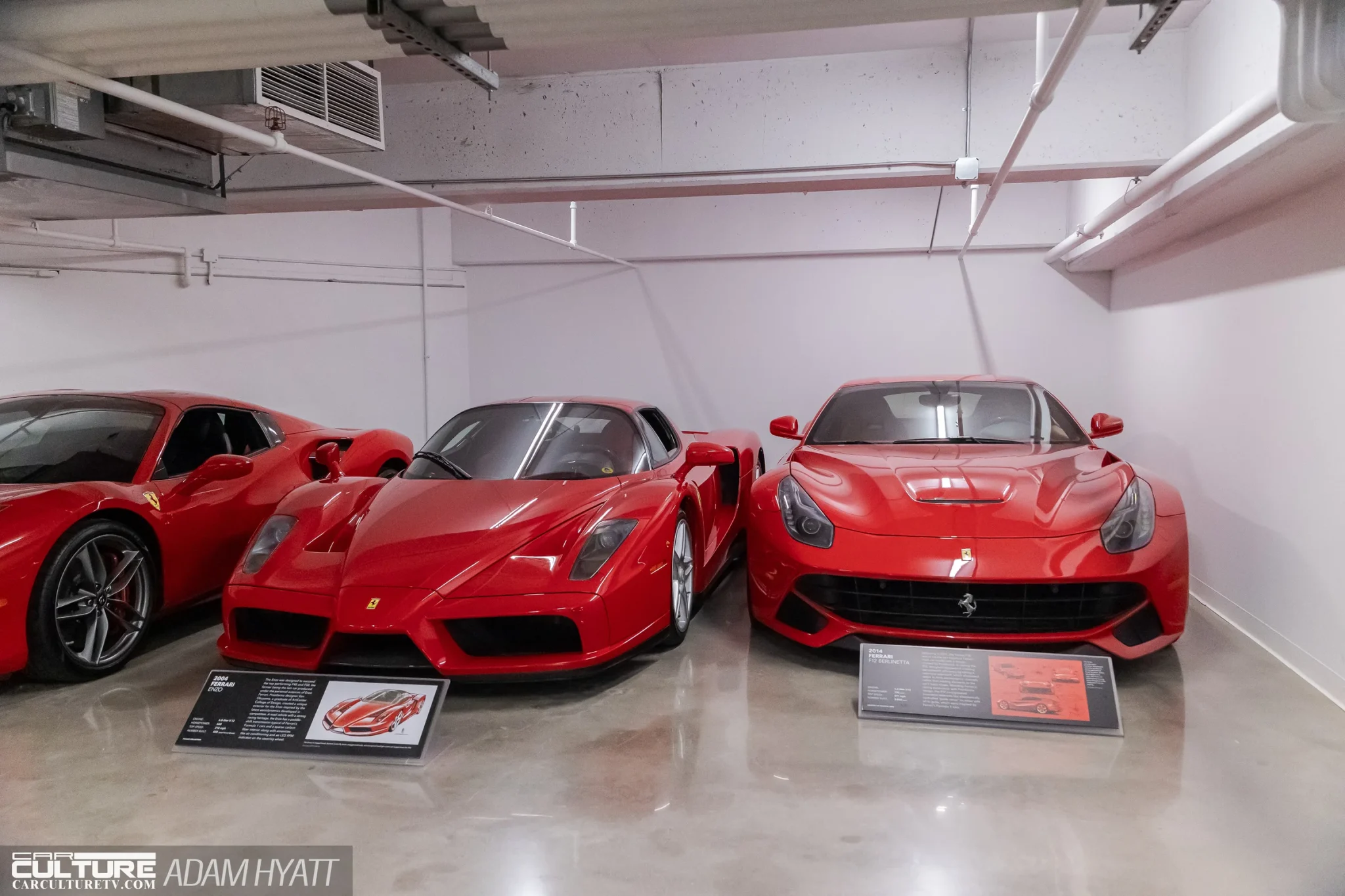
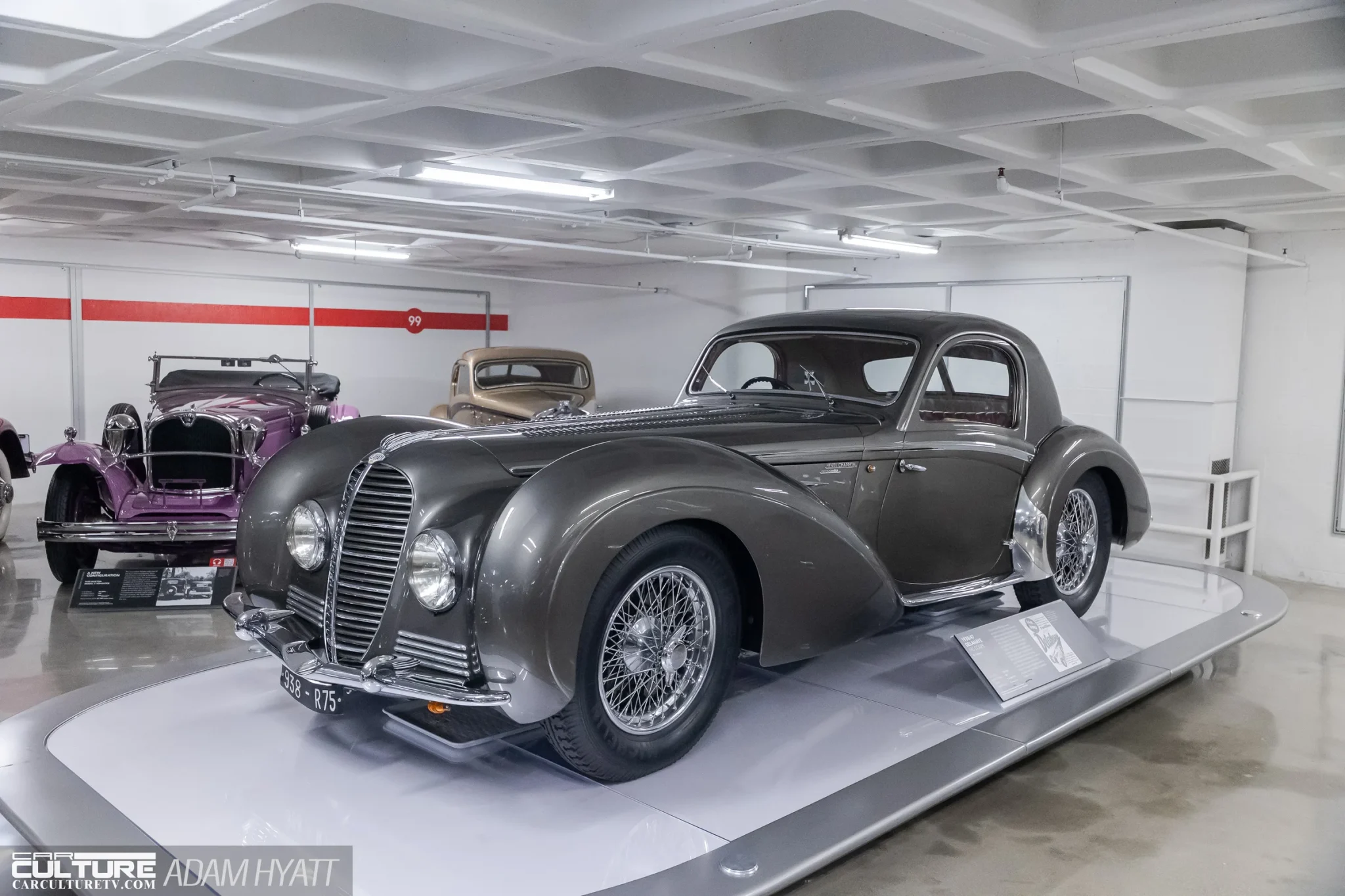
What separates the Vault from every other premium museum experience is the intimacy. A guided tour takes you through the space with staff who actually know the history behind every car. This is not a recorded audio tour or a laminated card bolted to a stand. These are people who can answer questions, pull up context, and walk you through why a specific vehicle matters beyond its spec sheet. That depth of knowledge changes the experience completely.
For the duration of the Fast and Furious exhibit, select franchise vehicles are also featured within the Vault alongside the permanent collection. Seeing a screen-used movie car positioned next to a historically significant race car or a factory prototype does something interesting. It reframes both. The movie car earns a different kind of credibility in that context. The rare car becomes slightly more approachable. Together, they make a stronger argument for why automotive culture, all of it, deserves to be documented and preserved at this level.
Photography is allowed in the Vault, and if you are serious about capturing these cars properly, the lighting and space reward the effort. The gallery below this section features photos taken during our visit, giving you a closer look at some of the rarest machines currently housed down there. These are the cars that do not show up at concours events or dealer showrooms. This may be your only realistic chance to see several of them in person.
If you are visiting the Petersen for the Fast and Furious exhibit, book the Vault. It is not an upsell. It is the part of the visit you will talk about afterward.
The Petersen Is More Than This Exhibit
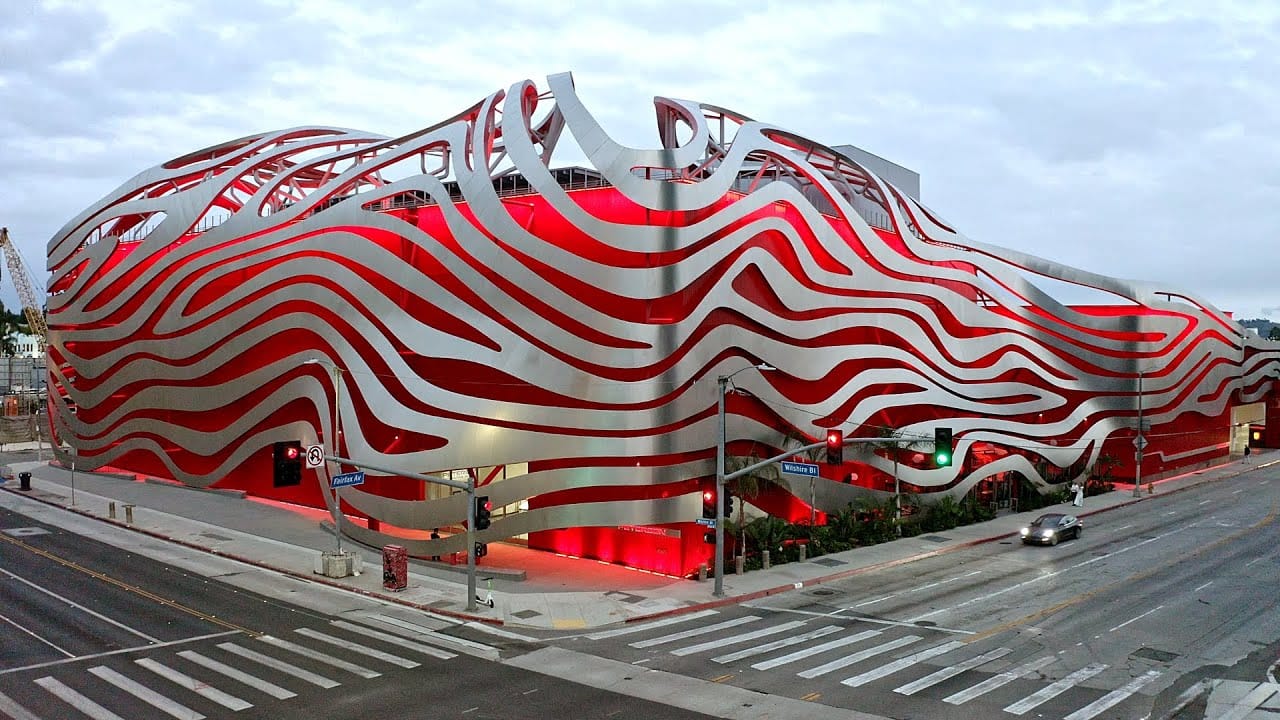
The Fast and Furious collection is the reason most people are walking through the door right now, and it earns that attention. But the Petersen Automotive Museum is a world-class institution on its own terms, and one visit should not be the only one you make.
Beyond the F&F footprint, the museum houses an extraordinary permanent collection spanning racing history, concept cars, coachbuilt exotics, and vehicles tied to some of the most significant moments in automotive culture. We covered the rest of the museum separately, including deeper coverage of the Vault collection and the cars that live there outside of the exhibit context. If you want the full picture of what the Petersen offers, that article is worth your time. You can find it here: Inside the Petersen: The Vault and the Museum Beyond the Exhibit.
Plan Your Visit
“A Fast and Furious Legacy: 25 Years of Automotive Icons” runs at the Petersen Automotive Museum through April 2027. That gives you time, but high-profile exhibits at the Petersen fill up fast, especially with a global fanbase this size. Do not assume you can walk in on a weekend afternoon without planning ahead.
Vault access is worth adding on. It puts the Fast and Furious cars alongside some of the rarest vehicles in existence, which reframes them in a way the main gallery cannot. You stop seeing them as movie props and start seeing them as legitimate milestones in automotive history. Book it in advance, give yourself enough time to move through it slowly, and do not treat it as a quick add-on at the end of a long visit.
Tickets and information are available at Petersen.org/exhibits.
Why This Is A Big Deal
The tuner era was dismissed for years by the traditional automotive world. Too loud, too flashy, not serious enough. Fast and Furious was the cultural force that made that dismissal impossible to sustain.
Now those same cars sit inside one of the most respected automotive museums in the country. That is not just validation. It is a long overdue acknowledgment that car culture does not have one definition, and that the kids who grew up learning what a 2JZ was because of a movie had legitimate reasons to care about cars all along.
The franchise may have started as a heist movie set against a street racing backdrop. Over 25 years and 11 films it became something larger: a document of how car culture moves, evolves, and pulls new people in. This exhibit captures that arc better than anything that has come before it.
This exhibit is for them. But honestly, it is for anyone who has ever cared about what a car means beyond its horsepower rating.
Full Gallery Below


